

Diamond Grading Guide: Make a Smart Choice in 2026
A diamond 4Cs guide explains how cut, color, clarity, and carat weight determine beauty and value. At Diamond2Deal’s New York showroom hub at 420 Madison Ave in Manhattan, we use these standards to match you with certified lab-grown or natural options you’ll love. This guide gives you clear, expert steps.
By Diamond2Deal • Last updated: April 25, 2026
Overview: Your Diamond 4Cs Game Plan
The 4Cs—cut, color, clarity, and carat—are the global standard for judging diamond quality. Use this guide to learn what each “C” does, how to set smart targets, and how to balance tradeoffs for engagement rings, earrings, necklaces, and bracelets. You’ll see buyer checklists, examples, and next steps.
- What are the 4Cs?
- Why the 4Cs matter for beauty and value
- How diamond grading works
- Deep dive: cut, color, clarity, carat
- Lab-grown vs. natural grading
- Best practices and checklists
- Tools and resources
- Real-world examples
- FAQ
- Key takeaways
Quick Summary
Prioritize cut for sparkle, choose near-colorless for white metals, select eye-clean clarity, and size the carat to your style. Balance these choices against budget, setting, and lifestyle. When in doubt, view loose stones beside your chosen setting under neutral lighting and 10× magnification.
Here’s the short version most buyers follow for excellent results:
- Cut first: Aim for Excellent/Ideal in round; Very Good+ in fancy shapes.
- Color next: Near-colorless often pairs best with white gold or platinum.
- Clarity third: Eye-clean beats “perfect on paper.”
- Carat last: Target millimeter spread that fits your finger and setting.
What Are the 4Cs of Diamonds?
The 4Cs are cut, color, clarity, and carat weight—the universal framework for grading a diamond’s appearance and rarity. Cut controls sparkle, color measures the absence of tint, clarity grades inclusions, and carat states weight (1 carat equals 0.2 grams). Together, they shape beauty and price.
In our experience guiding New York couples, clear definitions speed up great decisions:
- Cut: The craftsmanship of proportions, symmetry, and polish that drives brilliance and fire.
- Color: A D–Z scale where D is colorless; most shoppers choose near-colorless (generally G–J).
- Clarity: The visibility and number of natural inclusions across 11 standard grades from FL to I3.
- Carat: A unit of mass (1 ct = 0.2 g). For round brilliants, ~1.00 ct often measures about 6.4–6.5 mm.
When you’re selecting engagement rings, earrings, or a pendant, the 4Cs act like sliders—move one up or down to balance the rest. That’s how we help clients find “wow” sparkle without overpaying for paper perfection.
Why the 4Cs Matter for Beauty, Confidence, and Value
The 4Cs matter because they predict what you’ll see—sparkle, whiteness, cleanliness, and size—and support confidence with measurable standards. When you align the 4Cs with your setting, finger size, and lighting, you protect long-term value and love the diamond every day.
Here’s why shoppers lean on this framework:
- Beauty is measurable: Proportions, tint, and inclusions show up under 10× loupe standards.
- Value lasts: A well-cut, near-colorless, eye-clean diamond keeps its appeal season after season.
- Choices get faster: The 4Cs shrink thousands of options into a short list that fits your vision.
- Settings matter: Halo, solitaire, or three-stone designs change how your eyes read color and size.
We’ve found that documenting targets (e.g., “Excellent cut, H color, VS2 eye-clean, 1.25 ct target mm”) prevents decision fatigue. It also keeps side stones, wedding bands, and future anniversary pieces visually coordinated.
How Diamond Grading Works (From Loupe to Report)
Diamond grading uses standardized 10× magnification, controlled lighting, and reference sets to assess cut, color, clarity, and carat. Reputable labs issue reports with measurements, proportions, and grades. Always verify the report number and compare the diamond in-person or via high-resolution imaging.
Most labs follow consistent, step-by-step methods:
- Preparation: Clean the stone; confirm measurements and weight (1.00 ct = 0.2 g).
- Clarity mapping: Plot inclusions at 10×; assign a grade from FL to I3.
- Color evaluation: Compare face-down to master stones on the D–Z scale under neutral light.
- Cut analysis: Assess table %, depth %, crown and pavilion angles, symmetry, and polish.
- Report: Record a unique number, proportions diagram, and security features.
| Step | What’s Measured | Why It Matters |
|---|---|---|
| Clarity | Inclusion size, type, location at 10× | Eye-cleanliness and structural soundness |
| Color | Tint from D (colorless) to Z | Whiteness and metal pairing |
| Cut | Table, depth, angles, symmetry, polish | Brightness, fire, and scintillation |
| Carat | Weight in metric carats (0.2 g each) | Face-up size (mm) and rarity |
Tip: Always cross-check the report with what your eyes see in the setting you plan to wear every day. A diamond that’s perfect on paper can look different in warm or cool lighting.
Deep Dive: Cut, Color, Clarity, and Carat (What to Target)
Start with cut for maximum sparkle, then choose a color grade that fits your metal, find an eye-clean clarity, and size carat by desired millimeters. Round brilliants often hide inclusions better; fancy shapes can show color more. Match all four to the setting you love.
Cut: The Sparkle Engine
- Round brilliant: Typically 57–58 facets; Excellent/Ideal cut maximizes return of light.
- Fancy shapes (oval, cushion, pear, emerald): Aim for Very Good+ symmetry and polish; watch for bow-ties in ovals/pears.
-
Pro tips
- Table and depth have sweet spots; keep total depth near shape norms to avoid a smaller face-up.
- Choose Excellent symmetry and polish when possible; they refine sparkle.
Want a deeper cut primer? Explore our diamond cut guide for proportion ranges and shape nuances.
Color: Finding Your Sweet Spot
- D–F (colorless): Icy white; pairs with platinum/white gold beautifully.
- G–J (near-colorless): Excellent value-to-beauty zone for many buyers.
-
Setting effects
- Yellow/rose gold can make slightly tinted stones appear whiter face-up.
- Halos and pavé accentuate brightness, masking tiny differences.
Compare side-by-side in neutral light and read the full diamond color guide before you decide.
Clarity: Eye-Clean Beats Paper-Perfect
- Clarity scale: FL, IF, VVS1–2, VS1–2, SI1–2, I1–3 (11 total grades).
- Placement matters: Inclusions near the edge can be hidden by prongs; center inclusions are harder to ignore.
- Practical target: VS2 to SI1 eye-clean in many shapes; verify at 10× and at arm’s length.
Get familiar with typical inclusions and what “eye-clean” means in our diamond clarity guide.
Carat: Weight, Size, and Millimeters
- Conversion: 1.00 ct = 0.2 g; face-up size depends on cut and shape.
- Round reference: ~1.00 ct ≈ 6.4–6.5 mm; ~1.50 ct ≈ 7.3–7.5 mm (ideal cut ranges).
- Tip: Focus on millimeter spread rather than just carat; a well-cut 0.90 ct can look like some 1.00 ct stones.
See more sizing tips in our diamond carat guide.
Lab-Grown vs. Natural: Same 4Cs, Different Origins
Lab-grown and natural diamonds are graded on the same 4Cs. Lab-grown stones offer exceptional consistency and traceability, while natural diamonds carry geological history. Your decision should focus on sparkle, certification, and personal values—both can be stunning when you target smart 4Cs.
Because Diamond2Deal specializes in certified lab-grown diamonds, we see how consistent growth reduces outliers in color and clarity. That makes the “balance the 4Cs” exercise simpler:
- Traceable origin: Documented creation with modern methods.
- Stable quality: Tighter clustering around near-colorless and VS clarity ranges.
- Same physics: Diamond is diamond—hardness (10 on Mohs), refractive index, and dispersion are the same.
For broad background on loose stones and selection trends, review this overview of loose diamonds and consider how it maps to your style. You can also browse a practical loose diamonds category roundup to understand variety.
Best Practices: How to Apply the 4Cs Like a Pro
Choose Excellent/Ideal cut first, then pick a color that fits your metal, confirm eye-clean clarity at 10×, and finalize carat by millimeter size. Compare at least three stones side-by-side, verify the grading report, and assess appearance in your actual setting under neutral light.
Step-by-Step Buyer Checklist
- Define your look: Solitaire, halo, three-stone, or pavé? See our engagement ring guide.
- Lock cut targets: Excellent/Ideal (round) or as high as possible (fancy shapes).
- Set color range: D–F for icy white, G–J for near-colorless versatility.
- Screen clarity: Demand eye-clean at 10× and to the naked eye.
- Size by mm: Confirm face-up spread matches your style and band width.
- Verify grading: Match the report number and proportions with the stone.
- Compare 3+ options: Side-by-side minimizes decision bias.
Common Pitfalls to Avoid
- Chasing paper perfection when a slightly lower clarity that’s eye-clean looks identical on hand.
- Ignoring setting effects: Warm metals can let you enjoy broader color ranges.
- Overlooking spread: Two same-carat stones can differ by 0.3–0.5 mm in diameter.
- Not viewing at 10×: The standardized loupe view reveals deal-breakers and non-issues fast.
Local considerations for Manhattan
- Schedule appointments near midday to see stones in consistent daylight; our Madison Ave location is a short walk from Grand Central for easy access.
- Holiday proposal? Reserve earlier. Winter foot traffic upticks around Rockefeller Center can affect appointment timing.
- Bring your partner’s daily ring or a sizing ring for precise fit—city commutes reward comfortable, secure settings.
Want personalized help? Our education-first team can compare stones for your exact setting and lifestyle. Start with the 4Cs overview and then book an expert appointment through our site.
Tools and Resources You Can Use Today
Use a 10× loupe, neutral lighting, and side-by-side comparisons to judge the 4Cs. Read focused guides for each C, verify grading report numbers, and practice with high-resolution videos. Simple tools help you see sparkle, tint, and inclusions accurately before you commit.
- Loupe basics (10×): Learn to hold the diamond steady and fill the field of view.
- Lighting: View in neutral daylight and soft spotlight to see both brightness and fire.
- Side-by-side trays: Compare at least three candidates; differences pop immediately.
- Reference guides: Our 4Cs of diamonds primer links to in-depth pages:
- Seasonal inspiration: For gift timing and trends, scan a recent holiday jewelry guide and note how styles influence perceived size and sparkle.
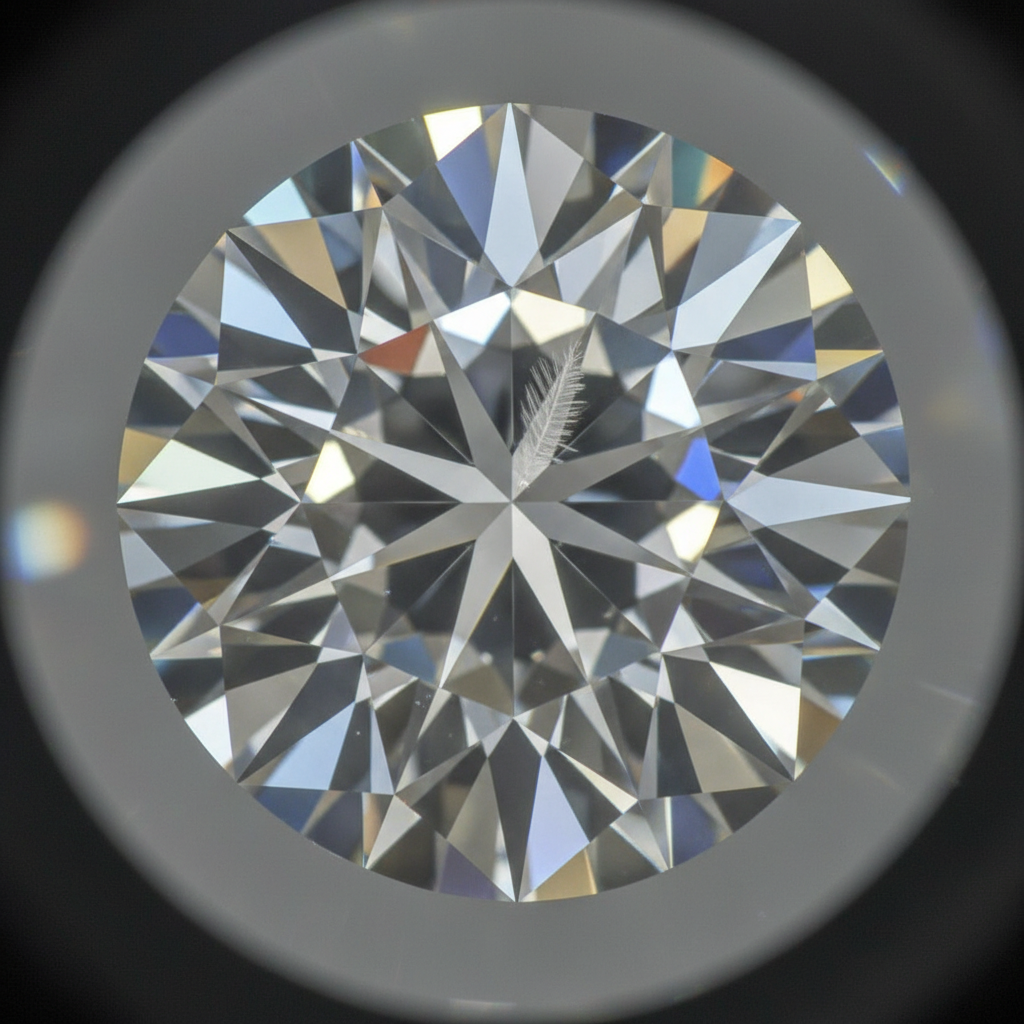
Case Studies and Real-World Examples
Balancing the 4Cs means choosing what you see and love over paper perfection. These quick scenarios show how New York shoppers landed brilliant results by prioritizing cut, smart color pairings, and eye-clean clarity in settings they wear every day.
Example 1: Manhattan Solitaire Engagement Ring
- Goal: Classic round solitaire in white gold with vivid sparkle for daily wear.
- Targets: Excellent cut, near-colorless color, eye-clean clarity, ~6.5 mm face-up.
- Outcome: A round brilliant meeting Excellent cut with G color and VS2 clarity delivered crisp brightness and fire. The near 6.5 mm spread gave timeless presence without overpowering a slim band.
Example 2: Three-Stone Oval for Hand Coverage
- Goal: Larger perceived size with side stones and gentle elongation.
- Targets: Very Good+ symmetry and polish, H–I color for a warm gold setting, eye-clean SI1.
- Outcome: A well-proportioned center oval avoided bow-tie shadows, while tapered side stones boosted brightness. The color harmonized with yellow gold, making the center look whiter.
Example 3: Diamond Stud Earrings for Daily Sparkle
- Goal: Balanced brilliance and value for everyday studs.
- Targets: Excellent cut rounds, near-colorless range, eye-clean VS2–SI1, secure screw-backs.
- Outcome: The combination produced bright, lively studs that stayed comfortable during commutes and workouts, with inclusions invisible at typical earring distances.
Example 4: Tennis Bracelet with Even, Bright Stones
- Goal: Consistent sparkle along the wrist.
- Targets: Tight color and clarity ranges; prioritize cut across matched stones.
- Outcome: Uniform near-colorless stones with eye-clean clarity and precise cutting created a ribbon of light that looked seamless in motion.
Example 5: Pendant Necklace That Pops
- Goal: A center diamond that looks white and crisp against skin tones.
- Targets: Excellent cut, G–H color, VS2 eye-clean.
- Outcome: The pendant read bright in daylight and warm indoor lighting, with the cut quality keeping the stone lively even at arm’s length.

Frequently Asked Questions
Most buyers ask how to rank the 4Cs, what “eye-clean” means, and whether lab-grown diamonds grade the same. These quick answers cover priorities, clarity selection, grading reports, and which shapes show color or inclusions more readily.
What’s the best order to prioritize the 4Cs?
Start with cut for sparkle, then color to match your metal, then clarity to ensure it’s eye-clean, and finish with carat by desired millimeters. This order protects beauty first while keeping options open for size and budget tradeoffs.
What does “eye-clean” clarity mean?
Eye-clean means you can’t see inclusions without magnification at a normal viewing distance. Many VS2 and SI1 diamonds are eye-clean, but verify under 10× and with the naked eye. Placement matters—edge inclusions can be hidden by prongs.
Do lab-grown diamonds use the same 4Cs as natural?
Yes. Lab-grown diamonds are real diamonds and are graded on the same 4Cs. Focus on cut quality and eye-clean clarity, and verify the grading report number. Choose the option that aligns with your sparkle goals and values.
Which shapes show color or inclusions more?
Emerald and Asscher cuts can reveal inclusions due to large step facets. Ovals, pears, and cushions may show warmth sooner than rounds. Match your clarity and color targets to the shape to keep the look bright and clean.
Key Takeaways
Focus on what you can see: sparkle from cut, overall whiteness from color, eye-clean clarity, and millimeter size for presence. Verify with a loupe and neutral lighting, compare options side-by-side, and align your 4Cs with the setting and lifestyle you’ll enjoy daily.
- Cut drives brilliance—prioritize it above all else.
- Color reads with metal choice; near-colorless fits most styles.
- Eye-clean clarity looks identical on hand to higher grades.
- Carat is weight—size by millimeter spread for real-world presence.
- Confirm the grading report and see stones in your intended setting.
Conclusion: Shop Confidently with a Diamond 4Cs Guide
A disciplined approach—cut first, then color, clarity, and carat—makes diamond buying simple and satisfying. Use side-by-side comparisons, 10× viewing, and targeted ranges to find stones you’ll love for decades. When you’re ready, our team can shortlist perfect matches quickly.
Ready to see your options? Start with our education pages and then explore styles:
- Begin with the 4Cs of diamonds master page.
- Deep-dive by topic: color, clarity, carat, and engagement settings.