

Diamond Certification: Save Money on Smart Picks in 2026
Diamond certification is the independent grading of a diamond’s quality documented in a laboratory report. This diamond certification guide from Diamond2Deal in Manhattan (420 Madison Ave, New York) explains how grading works, what to verify, and how to use a report to make confident, value-focused choices for engagement rings and fine jewelry.
By Mit Trivedi — President, Diamond2Deal
Last updated: April 26, 2026
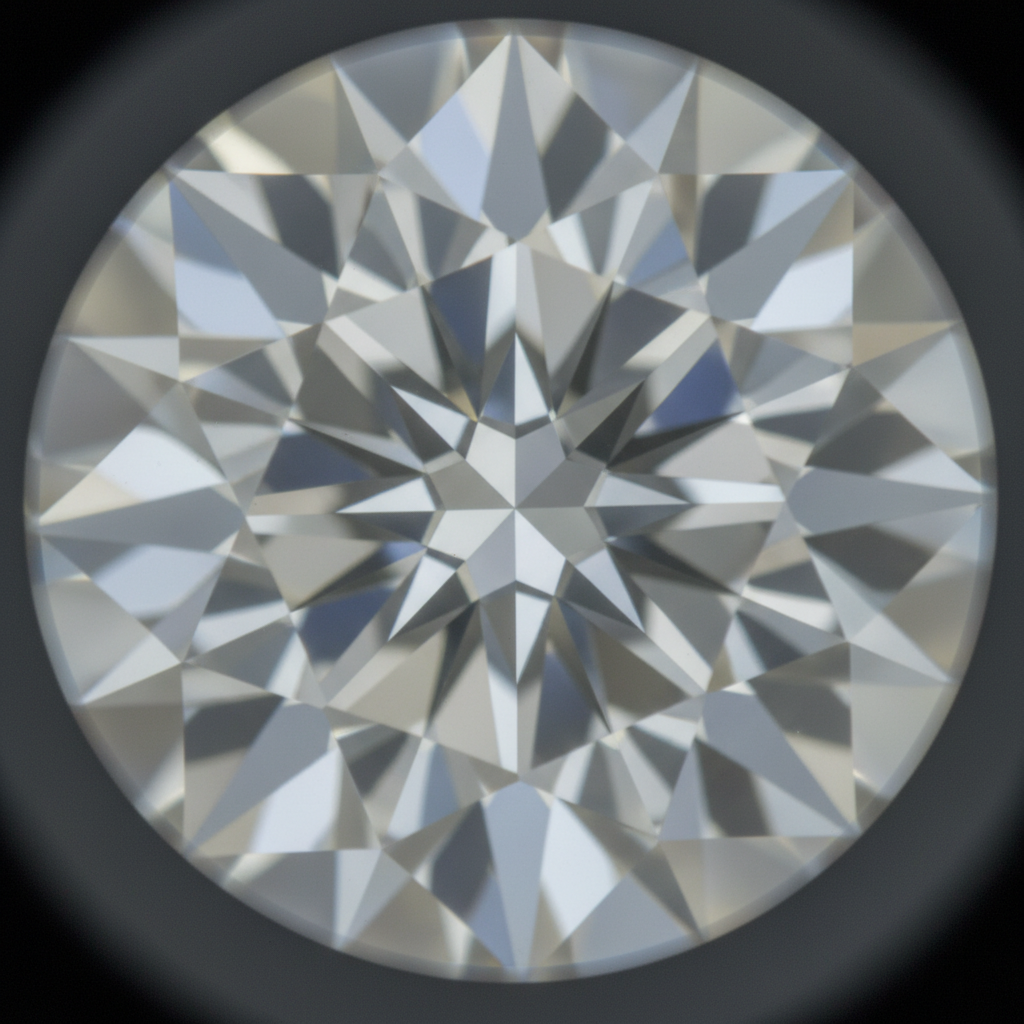
Quick Summary
A diamond grading report confirms a stone’s identity, details the 4Cs, and notes features like fluorescence and inclusions. Use the report to match the laser inscription, verify the report number with the lab, and balance cut, color, clarity, and carat to meet your style and budget goals.
Buying a diamond shouldn’t feel opaque. With a clear, lab-issued report you can compare apples-to-apples and avoid guesswork. In this guide we cover:
- The 4Cs and what they mean on a report
- GIA vs IGI vs GCAL: how leading labs differ
- How to read plotting diagrams and comments
- Report verification, laser inscriptions, and security checks
- Lab-grown vs natural diamond certification nuances
- Step-by-step checklists for fast, confident decisions
What Is Diamond Certification?
Diamond certification is an independent laboratory’s written assessment of a diamond’s quality and identity. It lists measurable attributes (the 4Cs), maps inclusions, and often records a laser-inscribed ID so you can confirm the exact stone you’re buying.
Think of it as your diamond’s passport. The grading lab examines the stone under controlled conditions, records its measurements, and describes quality characteristics in standardized terms. This documentation helps you compare diamonds beyond appearance alone.
- Identity & traceability: Reports typically include measurements and a unique report number.
- Quality summary: The 4Cs (cut, color, clarity, carat) are presented in a consistent format.
- Security: Many diamonds carry a microscopic laser inscription that matches the report ID.
At Diamond2Deal, we emphasize certified selections across engagement rings, earrings, and pendants. For a broader primer on ring choices, see our Engagement Ring Guide tailored to first-time buyers and seasoned collectors alike.
Why Certification Matters for Engagement Rings and Fine Jewelry
Certification protects your purchase. A grading report reduces uncertainty, supports appraisals and insurance, and lets you compare stones fairly. It also deters misinformation by documenting quality claims in standardized, third-party language.
When you’re choosing a once-in-a-lifetime piece, trust matters. A certificate proves the diamond’s stated qualities aren’t just marketing claims. It keeps everyone honest and gives you leverage to select what truly fits your priorities.
- Confidence for proposals: Reports help you prioritize sparkle, size, or purity without guessing.
- Insurance-ready: Appraisers reference the report’s measurements and grades.
- Resale clarity: Future buyers or jewelers can verify the same attributes you saw.
In our experience helping New York couples, certified options streamline decisions and make it easier to land on the right balance of carat weight, cut quality, and metal style. If you’re exploring carat options, our Diamond Carat Guide breaks down visual size, spread, and finger coverage.
How Diamond Grading Works (Step-by-Step)
Labs identify and evaluate a loose diamond under controlled lighting and magnification, measure it precisely, assign grades for the 4Cs, record fluorescence and clarity features, and issue a secure report linked to a unique ID and often a laser inscription on the girdle.
While each lab’s workflow varies, the general sequence is consistent. Here’s how grading typically proceeds.
- Intake & identification: The stone is logged, weighed, and measured with micrometer precision.
- Magnified review: Trained graders inspect inclusions and surface features using a 10x loupe or microscope.
- Color & fluorescence: Grading under standardized lighting establishes color and notes fluorescence strength.
- Cut assessment: For rounds, labs assess proportions and light performance proxies; fancy shapes emphasize symmetry and polish.
- Quality control: Multiple graders may review before results are finalized.
- Report issuance: The lab creates a digital and/or printed report tied to a unique report number.
- Laser inscription (often): A microscopic ID is inscribed on the girdle to link stone-to-report.
For a fast confidence check once you have a report in hand, use this simple flow:
- Match the report number on paper to the laser inscription on the diamond.
- Verify the number through the lab’s online portal or app.
- Confirm the shape, measurements, and weight match what you ordered.
- Review clarity characteristics against the plotting map.
GIA vs IGI vs GCAL: What’s the Difference?
Leading labs share the same goal—accurate, consistent grading—but their scopes and formats differ. GIA is widely recognized for strictness, IGI is prevalent for lab-grown reporting, and GCAL emphasizes Guarantees and light performance visuals in many cases.
| Aspect | GIA | IGI | GCAL |
|---|---|---|---|
| Scope | Natural & lab-grown | Natural & lab-grown (strong lab-grown presence) | Natural & lab-grown |
| Cut grading (rounds) | Excellent to Poor with proportion analysis | Ideal to Good scales; includes proportions | Focus on light performance imagery in many reports |
| Report features | 4Cs, plots, fluorescence, inscription link | 4Cs, plots, inscription; lab-grown noted | 4Cs plus supplemental visuals/guarantees |
| Market perception | Broadly viewed as conservative | Common for lab-grown retail | Trusted boutique emphasis on visuals |
We regularly curate IGI-certified lab-grown choices because they integrate clearly with our online selection process. Explore examples like this IGI-certified lab-grown engagement ring in 14K white gold or a round IGI-certified ring in yellow gold.
How to Read a Diamond Grading Report
Start with the report number and diamond measurements, then read the 4Cs. Check fluorescence and clarity plots to learn where inclusions sit. Finally, confirm the laser inscription and use the comments to understand any treatments or notes.
Every report has a consistent structure. Spend two minutes on these anchors and you’ll understand 90% of what matters.
- Report number: Your stone’s unique ID. Write it down and keep it.
- Shape & measurements: Round measurements are diameter × depth; fancy shapes list length × width × depth.
- Carat weight: Exact to the hundredth is typical for lab reports.
- Color grade: D (colorless) through near colorless ranges commonly used for engagement rings.
- Clarity grade: From eye-clean ranges (often VS/SI depending on the stone) to premium grades.
- Cut grade (rounds): Impacts sparkle; symmetry and polish matter for fancy shapes too.
- Fluorescence: None to Strong. Often neutral; evaluate alongside your lighting.
- Clarity characteristics & plot: Where inclusions live and how visible they are.
- Inscription: Microscopic laser-etched ID that should match the report number.
- Comments/treatments: Read carefully so there are no surprises.
For cut, color, clarity, and carat deep-dives, our education pages go further: see the Diamond Clarity Guide next for real-world visibility tips.
Lab-Grown vs Natural: Certification Nuances
Lab-grown and natural diamonds are both real diamonds; the key difference is origin. Certification clearly states origin and uses similar grading scales, so you can compare quality directly while choosing the origin that aligns with your values.
Lab-grown certification has become straightforward and transparent. Reports indicate origin, list the same 4Cs, and describe clarity features just like natural stones.
- Origin disclosure: Your report will clearly say “laboratory-grown” or “natural.”
- Comparable grading: Cut, color, clarity, and carat use familiar scales.
- Retail experience: Many shoppers choose lab-grown to prioritize size or design flexibility while staying within set parameters.
If you’re exploring lab-grown for your proposal, start with an IGI-certified solitaire such as this 14K rose gold engagement ring—a timeless canvas for modern sparkle.
Best Practices: Verifying Reports and Matching Your Diamond
Always match the report number to the laser inscription and confirm details through the lab’s online portal. Check measurements, clarity features, and fluorescence against the report, and keep a copy of the certificate for insurance and service.
Here’s a simple checklist we use with shoppers who visit or book a virtual consult:
- Confirm the report number and laser inscription match.
- Review measurements and compare to the listing specs.
- Verify cut grade (for rounds) and symmetry/polish (all shapes).
- Note fluorescence and view the stone under neutral light.
- Study the clarity plot; ask to view inclusions under magnification.
- Save a digital copy of the report with your purchase documents.
Inventory integrity helps you find the exact diamond you selected. Industry operations teams track this closely; for example, supply-chain discussions on inventory accuracy highlight why consistent IDs and audits matter when listing stones online.
Tools and Resources To Make Selection Easier
Use an education hub for the 4Cs, compare certified stones side by side, and lean on expert guidance. Structured resources plus a short consultation can save time and prevent second-guessing.
- Education first: Start with our Engagement Ring Guide and the Clarity Guide.
- Shop certified: Browse IGI-certified engagement rings to see how specs translate to look.
- Compare metals & styles: Consider white, yellow, or rose gold settings to complement your diamond’s color range.
- Ask an expert: A 10–15 minute conversation can help you zero in on the right cut-quality targets.
Real-World Examples From Our New York Shoppers
The smartest certification decisions focus on your priorities. Whether you want maximum sparkle, a modern lab-grown upgrade, or a classic look, use the report to balance cut, color, clarity, and carat for your style and timeline.
Example 1: The sparkle-first round brilliant
A Manhattan buyer prioritized scintillation over size. We focused on Excellent/Ideal round parameters, ensured symmetry and polish complemented the cut grade, and picked a near-colorless range that looked bright in white gold.
- Verified report number and inscription.
- Viewed the stone under neutral and daylight-like lighting.
- Chose a clean-looking clarity relative to the carat and budget goals.
Example 2: The modern lab-grown solitaire
Another couple wanted a larger center stone while keeping a classic silhouette. An IGI-certified lab-grown solitaire in rose gold delivered presence and warmth, with a clarity grade that stayed eye-clean and a color grade that stayed lively in its metal choice.
- Selected from our IGI-certified rose gold solitaire options.
- Reviewed the clarity plot to confirm inclusion locations stayed unobtrusive.
- Saved a digital copy of the report for insurance.
Example 3: Yellow-gold traditionalist
This shopper loved yellow gold and a balanced, timeless profile. We recommended a round IGI-certified center that presented bright in a warm metal and confirmed proportions that give lively fire without looking too deep or too shallow.
- Compared multiple report PDFs side by side.
- Prioritized symmetry and polish for crisp facet junctions.
- Chose a yellow-gold certified round to complete the look.
Diamond Certification in Manhattan: What Local Buyers Should Know
In Manhattan and greater New York County, fast timelines and busy schedules make verification steps crucial. Prioritize certified stones, confirm report numbers the same day, and schedule quick consults so you can choose confidently without multiple store visits.
Local shoppers often juggle tight proposal timelines. Certification streamlines decisions, especially when you need next-day shipping or quick confirmation for a planned milestone. A short appointment helps you weigh options and lock in your selection.
Local considerations for Manhattan
- Plan visits around Midtown schedules. If you’re near Grand Central, a late-lunch or early-evening consult can fit your commute.
- Holiday rush can tighten timelines. Reserve your pick early to keep your preferred setting and certification aligned.
- Ask to view under neutral light in-store; bright city lighting can skew your read of fluorescence and color.
Talk to a Diamond Expert
Have a report in hand and want a second set of eyes? Share it with our team. We’ll walk you through the grades, clarity plot, and inscription match so you can decide quickly and confidently.
Whether you’re proposing by Rockefeller Center lights or celebrating at home, a quick expert walkthrough can help align the certificate with your priorities. Bring your short list and any PDFs; we’ll compare them side by side and recommend the strongest fit.
Common Questions and Mistakes to Avoid
Don’t stop at the headline grades. Read the comments, verify the inscription, and view the diamond in neutral lighting. Avoid assuming higher clarity always looks better—placement and type of inclusion matter more than the letter on paper.
- Mistake: Ignoring fluorescence. It’s often neutral, but strong levels can change the look under UV-rich light.
- Mistake: Chasing perfection only on paper. A balanced 4C profile can look better than one extreme grade.
- Question: Will the inscription scratch off? No; it’s a microscopic laser etch on the girdle, not ink.
- Question: Is lab-grown “fake”? No; it’s the same crystal structure with a different origin, clearly disclosed on reports.
Shoppers researching online also compare loose stones before settings. For context, discussions about buying loose diamonds first explain how separating the center stone decision from the setting can simplify comparisons.
Your 8-Step Certificate-to-Ring Process
Move from report to ring by confirming identity, validating grades, and pairing the diamond with a style that flatters color and cut. Keep a digital copy of the report with your insurance documents for easy future reference.
| Step | Action | Outcome |
|---|---|---|
| 1 | Match report number to laser inscription | Confirms identity |
| 2 | Verify online through the lab’s portal | Validates authenticity |
| 3 | Check measurements and weight | Ensures specs match listing |
| 4 | Review cut/symmetry/polish | Optimizes sparkle |
| 5 | Assess color vs. metal choice | Harmonizes look |
| 6 | Inspect clarity plot under magnification | Confirms eye-clean appearance |
| 7 | Choose the setting (solitaire, halo, three-stone) | Completes design plan |
| 8 | Save a digital copy of the report | Insurance-ready |

Frequently Asked Questions
These quick answers cover what most buyers ask about diamond grading reports. Each response is concise so you can decide faster and shop with confidence.
Is a certificate the same as an appraisal?
No. A certificate documents quality and identity; an appraisal estimates retail replacement value for insurance. Use the lab report to understand the 4Cs and the appraisal for coverage paperwork.
Do lab-grown diamonds get graded like natural diamonds?
Yes. Reputable labs grade lab-grown with the same 4C scales and clearly disclose origin. You’ll see carat, color, clarity, cut (for rounds), fluorescence, and clarity plots similar to natural reports.
How do I verify a report number?
Match the number on the paper report to the laser inscription on the diamond’s girdle, then confirm it through the issuing lab’s online portal or app. Save a PDF or screenshot for your records.
Does strong fluorescence make a diamond look milky?
Usually no, but strong fluorescence can influence appearance under UV-rich light. Evaluate in neutral lighting to see if there’s any haziness. Many diamonds with faint or medium fluorescence look perfectly crisp.
Which certification lab should I choose?
Pick a report from a well-recognized lab used by your retailer. What matters most is consistent, transparent grading, a verifiable report number, and a diamond that looks great in your chosen setting.
Key Takeaways
Certification turns a beautiful diamond into a confident purchase. Verify the ID, read the 4Cs in context, and choose a setting that flatters color and cut. Keep your report handy for insurance and future service.
- Certification = independent proof of quality and identity.
- Balance the 4Cs to match your style, not just paper grades.
- Verify the report number online and match the laser inscription.
- Use neutral light to check color and fluorescence in person.
Conclusion: Turn the Report Into the Right Ring
A clear, verifiable report plus a short expert consult helps you choose quickly and confidently. Use certification to remove uncertainty, then focus on design details that make the ring yours for life.
Certification doesn’t replace your eye—it empowers it. If you want a second opinion, bring your short list and reports. We’ll compare them side by side and recommend a design path that complements your diamond’s strengths. Ready to see certified options that match your wish list? Explore our curated IGI-certified selection in white gold and rose gold.