

A Practical Guide to Diamond Engagement Rings on Sale
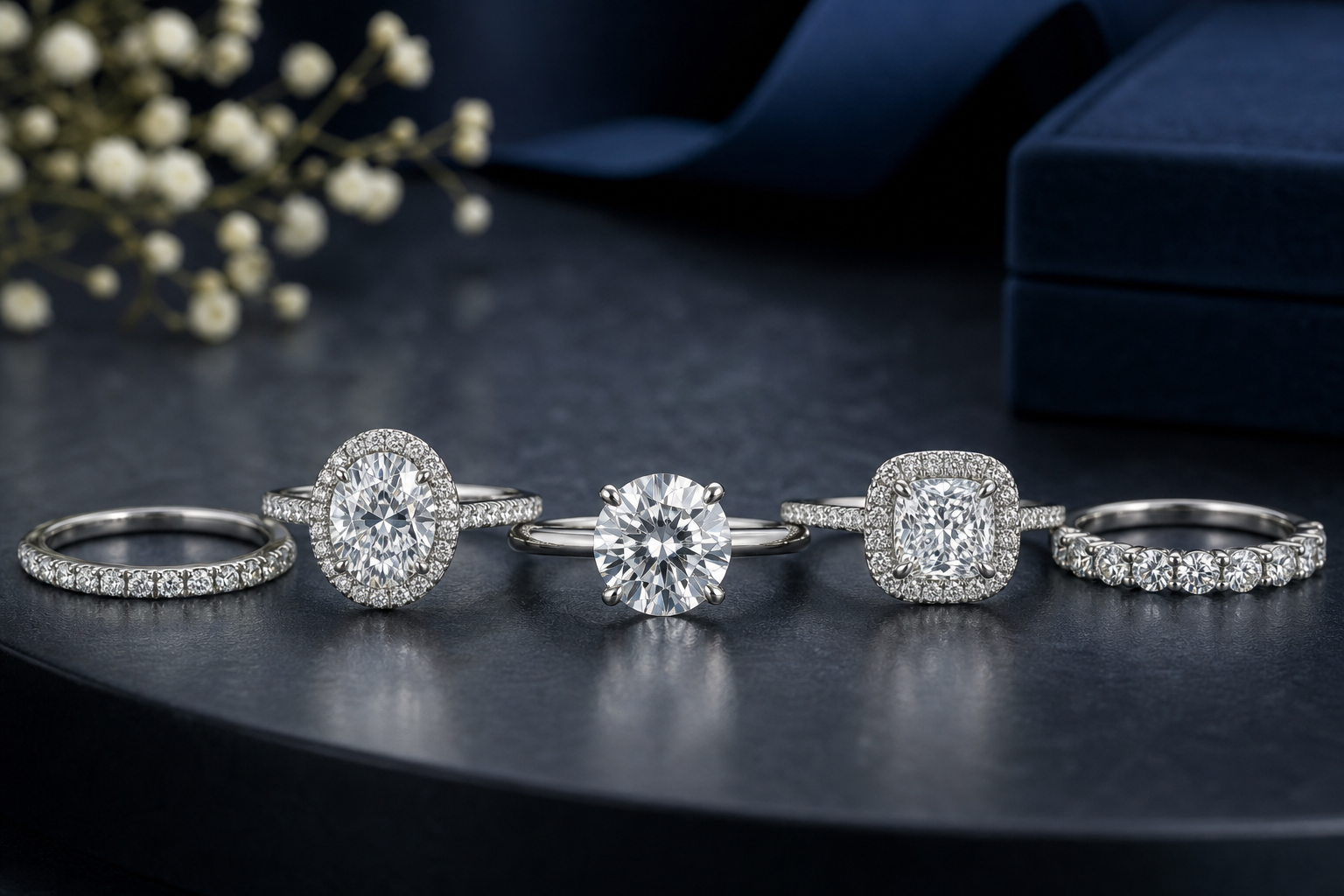
A Practical Guide to Diamond Engagement Rings on Sale
Finding diamond engagement rings on sale can feel like striking the perfect balance between heart and head. Yet with promotions, coupon codes, and seasonal markdowns everywhere, it’s easy to wonder whether a “deal” is truly a deal. This guide shows you how to shop sales the smart way—what to check, what to compromise on (and what not to), and which questions help you buy with confidence.
How to shop diamond engagement rings on sale
Start with a clear plan. Sales can be exciting, but a plan keeps you focused on value rather than just the size of the discount.
- Define your must-haves: center stone shape, approximate carat range, preferred metal, and ring style (e.g., solitaire, halo, three-stone).
- Set a comfortable budget window rather than an exact number to leave room for quality upgrades where they matter most.
- Decide on lab-grown or natural diamonds; both are real diamonds, but lab-grown options typically broaden your size and quality choices for the same budget.
- Prioritize the 4Cs strategically (see below) so you know which attributes to trade for savings without obvious visual sacrifices.
- Pre-read return and service policies on the retailer’s site before you fall in love with a specific ring.
With this foundation, a sale becomes a lever—helping you reach a target quality or style—rather than a trap that pushes you toward something that looks like a bargain but isn’t the right fit.
A checklist for verifying value
Before you check out, run through this quick value verification list.
- Diamond grading report: For center stones, look for a reputable grading report. Confirm that the report number and specs match the listing.
- Full specs in writing: Carat weight, color, clarity, cut details, measurements, and any fluorescence disclosed clearly on the product page or invoice.
- Cut first: With round diamonds in particular, cut quality drives sparkle. A modest promo on a well-cut stone can outperform a deeper discount on a poorly cut one.
- Eye-clean clarity: If you’re aiming for savings, choose the lowest clarity that looks clean to your eyes at normal viewing distance. Verify with magnified images or videos where available.
- Color confidence: In white metals, slightly higher color can look crisper; in yellow or rose gold, you may prefer a slightly lower color grade for value because the warm metal can mask tint.
- Accurate ring size: Sizing later can be possible but adds time; confirm sizing guidance and any special rules for eternity or intricate designs.
- Metal weight and construction: Note band width, prong style, and setting details. Heavier or more intricate settings can justify price differences beyond diamond specs.
- Authenticity and materials: Ensure metal karat (e.g., 14K or 18K) and any matching side stones or pavé specifications are listed.
- Clear images and angles: Look for photos or video from multiple angles to assess fire, brilliance, and how the setting sits on the finger.
Understanding the 4Cs during a sale
Knowing how the 4Cs interact helps you turn a good discount into a great ring.
- Cut: The non-negotiable for sparkle. If you’re allocating budget, protect cut quality first.
- Carat: Sales can bring a desired size into reach. Consider the look on the hand rather than chasing round numbers; a stone slightly below a “magic” mark can present similarly face-up.
- Color: Balance taste with setting color. White metals tend to showcase higher color; warmer metals can harmonize with slightly lower color grades.
- Clarity: Aim for eye-clean. Internal characteristics that don’t affect beauty or durability are acceptable trade-offs for savings.
For fancy shapes (oval, cushion, emerald, pear, marquise, princess, radiant, and others), proportions and facet patterns matter. Review measurements and table/depth data when available, and rely on actual images or videos to judge light behavior and any shape-specific quirks (like bow-tie effect in ovals and pears).
Settings, metals, and styles that stretch your budget
When a sale puts multiple options within reach, choose a setting that highlights your center stone and suits daily wear.
- Solitaire: Maximizes the look of the center stone and often costs less than ornate settings, letting you allocate more to diamond quality.
- Halo: Adds a circle of small diamonds that can make the center appear larger while keeping total cost reasonable.
- Three-stone: Symbolically rich; consider complementary side-stone shapes and matched color to maintain a cohesive look.
- Pavé or hidden halos: Offer extra sparkle. Ensure prongs and pavé beads are well-executed for comfort and durability.
Metal choices influence both aesthetics and perceived color:
- White gold: Bright and contemporary; can emphasize diamond color and precision.
- Yellow gold: Classic warmth; may pair nicely with slightly lower diamond color.
- Rose gold: Romantic hue; can soften contrast and flatter many skin tones.
- Platinum alternatives are sometimes available; review metal listings to confirm.
Common sale types and what they mean
Promotions vary. Understanding the mechanics helps you compare across sites fairly.
- Percentage-off events: A simple markdown off eligible items. Verify whether it applies to center stones, settings, or only preset rings.
- Category or collection sales: Discounts on certain shapes, metals, or design lines. Great for shoppers already zeroed in on a style.
- Bundle or set savings: Engagement ring purchases paired with wedding bands or other jewelry. Check combined specs to ensure both pieces meet your standards.
- Clearance or last-chance: Often final sale. Read item details carefully and understand modification limits (e.g., sizing or customization).
- Seasonal promotions: Timed to gifting and proposal seasons. If your timeline is flexible, set alerts and compare year-over-year patterns from the same retailer’s site.
- Coupon codes at checkout: Ensure codes stack (if allowed) and don’t inadvertently switch you to a lesser offer.
Red flags to watch out for
Even genuine sales can mask trade-offs you wouldn’t accept if they weren’t discounted. Be vigilant about:
- Vague or missing specs for the center stone or side stones.
- Photos that don’t match the stated shape, carat range, or metal.
- Ambiguous return or customization terms, especially on clearance pages.
- Unclear sizing rules for eternity bands or heavily pavéed shanks.
- Non-itemized bundles where value distribution is impossible to judge.
When in doubt, ask for clarification in writing and keep a record of product URLs and item numbers.
Lab-grown vs. natural on sale
Both lab-grown and natural diamonds are real diamonds, sharing the same fundamental properties. Sales can make either option attractive, but the value equation differs:
- Lab-grown: Typically expands your choices in size or quality within the same budget. Great for shoppers focused on maximum visual impact.
- Natural: Appeals to those who prioritize geological origin. Consider focusing on cut and eye-clean clarity to find value within your target size.
If comparing side by side, evaluate each diamond on its individual merits—cut performance, face-up appearance, and verified specifications—rather than assuming one category is always the better deal.
Timing your purchase without pressure
Proposals don’t always align with retail calendars, and that’s okay. If you do have flexibility, consider:
- Creating a shortlist of ring styles and stone specs in advance so you can act quickly when a relevant promotion appears.
- Monitoring the same item over time to understand baseline versus sale pricing on that retailer’s site.
- Deciding your walk-away criteria (e.g., minimum cut parameters, eye-clean requirement) so you don’t accept a compromise you’ll regret later.
Remember: the right ring at a fair price beats the wrong ring at a larger discount. Stick to your criteria, and let timing work for you—not the other way around.
Fit, longevity, and maintenance
Sales often focus attention on upfront cost, but the ring’s lifetime experience matters just as much.
- Comfort and profile: Low-profile settings snag less on clothing and may suit active lifestyles better.
- Prong type: Consider the trade-off between delicate aesthetics and robust protection for the center stone.
- Band thickness: Thicker shanks can wear more slowly over time; weigh comfort against durability.
- Care: Regular cleaning maintains brilliance. Follow the retailer’s care instructions for your metal and setting type.
If you’re considering insurance or appraisals for coverage purposes, consult a qualified professional for guidance specific to your situation. This guide provides general information and is not financial advice.
Questions to ask before you click “Buy”
Use these prompts to confirm you’re getting the ring you expect at the value you want:
- Which parts of the ring are included in the sale (center stone, setting, both)?
- What are the exact diamond specs and grading report details?
- Are the side stones matched in color and clarity to the center?
- What is the metal karat and finish? Any nickel-free options if sensitivity is a concern?
- What are the terms for sizing, returns, or exchanges on sale or clearance items?
- Is any customization available, and does it affect eligibility for returns?
- Can I view the ring or diamond in additional photos or video before purchase?
Quick style reference by shape
Shape influences both personality and perceived size. When comparing discounted options, align the look with your partner’s style and daily routine.
- Round: Timeless sparkle and versatile settings.
- Oval: Elongating effect on the finger; watch for bow-tie.
- Cushion: Soft corners; multiple facet styles from chunky to crushed-ice.
- Emerald: Step cuts emphasize clarity; elegance over fire.
- Princess: Geometric brilliance; protect pointed corners with secure prongs.
- Pear: Unique silhouette; ensure a symmetrical outline and balanced bow-tie.
- Marquise: Maximizes spread; pairs well with tapered bands.
- Radiant/Asscher: Distinct personalities—review videos to judge light return.
FAQ
Are sale diamonds lower quality?
Not necessarily. A sale price can reflect a retailer promotion, seasonality, or inventory strategy. Judge quality by verified specifications, grading reports, and how the stone looks in real images or video—not by the discount alone.
Should I prioritize a bigger carat size during a sale?
Consider size only after securing a strong cut and an eye-clean appearance. A slightly smaller but better-cut stone usually looks brighter and more lively than a larger, poorly cut alternative.
Is lab-grown a better deal when discounted?
Lab-grown diamonds often provide more options in size or quality for the same budget, and sales can extend that advantage. Compare individual stones on cut, face-up appearance, and verified specs to see which offers the best overall value for you.
What if I need a specific ring size and the sale ends soon?
Check the listing for available sizes and any lead times stated on the retailer’s site. If timing is tight, confirm size options before purchasing so you understand your choices.
Can I trust clearance engagement rings?
Clearance pieces can be excellent finds, but terms may differ. Read specs closely, confirm whether the item is final sale, and ensure the details match the images and description.