

Diamond Hoop Earrings Guide: Choose a Pair in 2026
Diamond hoop earrings are circular or oval earrings set with small diamonds along the front or all around the hoop, offering continuous sparkle with everyday comfort. At Diamond2Deal in New York (420 Madison Ave, 5th Floor, Rm 500), we specialize in lab-grown diamond options that deliver high brilliance, secure wear, and fast shipping without traditional retail markups.
By Mit — President, Diamond2Deal
Last updated: 2026-05-07
Overview and table of contents
Use this guide to choose diamond hoop earrings by size, setting, clasp, and metal. You’ll see how lab-grown diamonds compare, how to fit hoops to your lobe, and how to style them for work or weekend. Jump to types, sizing, care, pricing factors, tools, case studies, and FAQs.
Here’s what you’ll learn in minutes—and refer back to for years:
- What diamond hoops are and why they’re a wardrobe workhorse
- Types and settings: pavé, channel, shared prong, inside-out
- Sizing and fit: diameter in mm, lobe position, weight balance
- Metals and diamonds: 14k vs 18k, melee 4Cs, lab-grown benefits
- Styling for office, events, and travel—plus local tips
- Care and safety: cleaning, inspection, clasp checks, storage
- Pricing drivers without dollar figures
- Tools and where to get personal help fast
What are diamond hoop earrings?
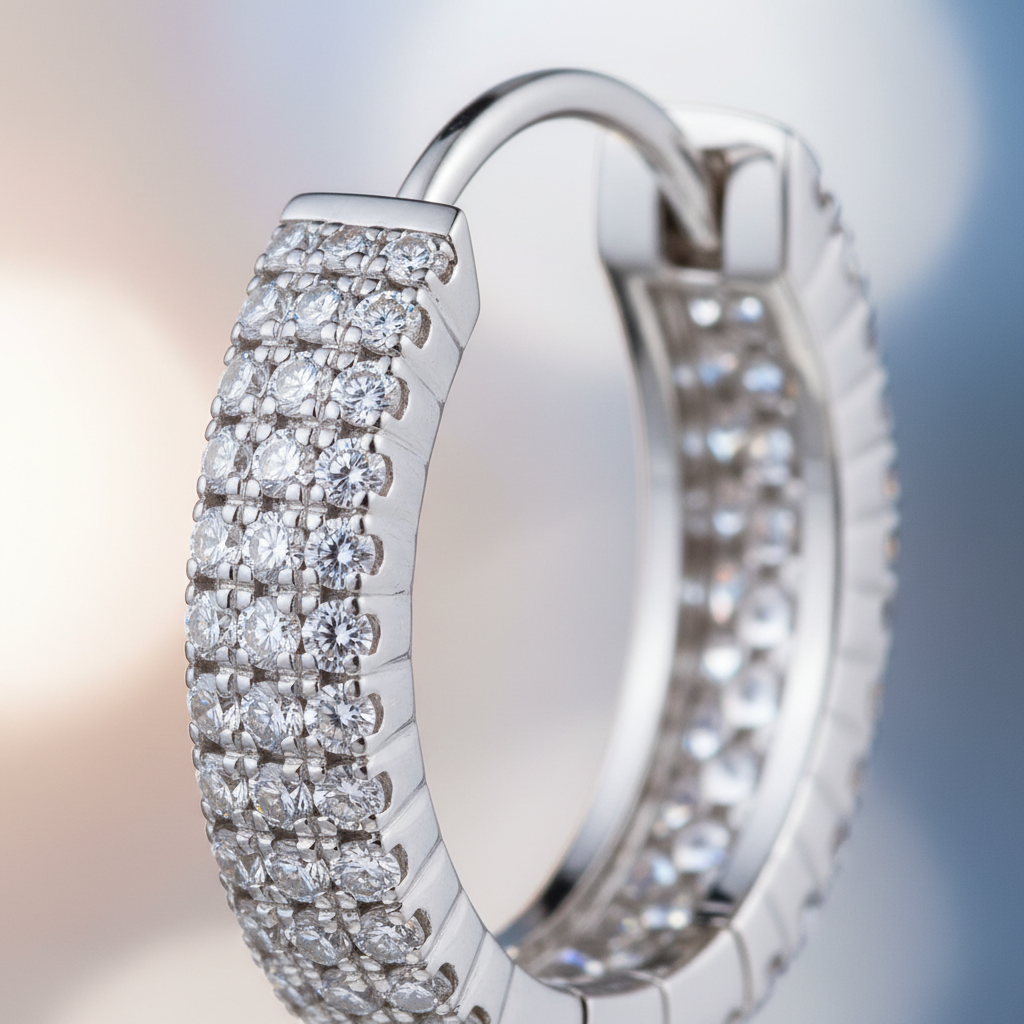
Diamond hoop earrings are circular or oval hoops set with multiple small diamonds (melee) on the outer rim and, in inside-out designs, on the inner rim for 360° sparkle. They secure with a hinge or continuous post and come in sizes from snug huggies to bold, statement diameters.
In our experience, hoops are the most versatile diamond earring after classic studs. The continuous line frames the face, adds movement, and pairs with almost any outfit. Most daily-wear hoops range from about 10–35 mm in diameter; event-ready styles can extend beyond 40 mm for high visual impact.
- Core anatomy: hoop body, diamond setting (pavé/channel/shared prong/bezel), hinge or endless post, catch/closure, and earring post thickness.
- Common diamond details: round brilliant melee around 1.0–2.0 mm diameter each; color typically near-colorless ranges; clarity eye-clean at normal viewing distance.
- Comfort notes: balanced weight distribution reduces forward tilt; correct post length helps thicker lobes; polished inner edges prevent irritation.
Shoppers who love minimalism often start with huggies; those seeking a dressier look choose medium hoops with inside-out sparkle to catch light from every angle.
Why diamond hoops matter
Diamond hoops deliver day-to-night polish, balancing sparkle with simplicity. They work across dress codes, flatter most face shapes, and layer well with studs and cuffs. For frequent travelers and busy professionals, one well-chosen pair covers more use cases than multiple trend items.
If you live or work in Manhattan (within New York County), you already know how quickly a look must shift from meeting-ready to dinner-appropriate. Hoops bridge that gap. One medium pair can anchor a capsule wardrobe, minimize decision fatigue, and stay secure on the go—critical on packed subway platforms and brisk street commutes.
- Versatility index: medium inside-out hoops can complement suits, knits, cocktail dresses, and denim without a swap.
- Layering power: stack with a tiny stud in the second piercing to frame the face; add a slim ear cuff for symmetry.
- Reliability: modern hinge-and-notch clasps offer a reassuring “click,” reducing the chance of loss during quick changes.
Here’s the thing: most people underestimate how much wear they’ll get from a single pair. Over a season, hoops often become the default reach-for piece because they handle both casual and formal settings with equal ease.
How diamond hoops are built (and what to check)
Quality hoops start with precise metal tubing, consistent diamond melee, and secure closures. Check prong integrity, smooth edges, even stone spacing, and a clasp that clicks shut. A good pair balances weight so the hoop sits upright instead of tilting forward on the lobe.
Understanding construction helps you evaluate quality at a glance. Each component affects comfort, durability, and how much sparkle you see in real life—not just in photos.
Core construction checklist
- Metal frame: round or oval tubing with uniform wall thickness for strength without excess weight.
- Diamond matching: consistent size and color across the run ensures an even “light line.”
- Setting style: pavé maximizes scintillation; channel feels sleek; shared prong creates a “floating” diamond look.
- Inside-out layout: stones on the front outside and back inside edges offer 360° sparkle when viewed from the front.
- Closure: hinged post with notch, U-hoop/leverback, or endless/sleeper. The mechanism should feel smooth and positive.
Setting styles compared
| Setting | Look | Sparkle Direction | Maintenance | Best For |
|---|---|---|---|---|
| Pavé | Micro-prongs, high shimmer | Broad, twinkling field | Periodic prong checks | Everyday glam |
| Channel | Sleek metal rails | Clean, continuous line | Low snag risk | Office wear |
| Shared Prong | Max stone visibility | Point-source flashes | Regular inspection | Dressy looks |
| Bezel | Modern, protective rim | Directional flashes | Very secure | Active days |
| Inside-Out | Front + inner back set | Face-forward sparkle | Check alignment | Statement polish |
Pro tip: run a fingertip lightly across the diamond line. You should feel even prongs without sharp edges. A well-finished hoop will not snag knits under normal wear.
Types and styles of diamond hoop earrings
Choose hoop styles by diameter, profile, and setting. Huggies (8–12 mm) hug the lobe; medium hoops (15–35 mm) balance daily wear and presence; large hoops (40+ mm) make a statement. Pick pavé or inside-out for shimmer, channel for sleek lines, and shared prong for maximum diamond visibility.
Below are the styles our clients reach for most, with quick notes on where they shine.
- Huggies (8–12 mm): ultra-comfortable, perfect for second piercings or discreet sparkle on busy days.
- Small/Medium (15–25 mm): the all-purpose sweet spot; reads elevated but not loud.
- Medium/Large (26–35 mm): noticeable at a distance; great for dinners, events, and photos.
- Statement (40–50+ mm): front-row sparkle for bold style moments.
- Round vs Oval: round frames the face symmetrically; oval can elongate the profile—flattering on many face shapes.
- Inside-out: diamonds on front and inner back rim for a face-forward spark; a client favorite for evening wear.
- Bezel or channel: minimizes snagging and feels sleek with tailoring.
If you prefer to start with a tried-and-true option, explore an inside-out medium pair. For example, see our lab-grown selections like the 14k yellow gold lab-grown diamond hoops and similar variations such as this yellow gold inside-out style or this near-colorless E–F option for bright white sparkle.
Sizing and fit guide (mm made simple)
Match hoop size to your lobe and lifestyle. 10–14 mm suits huggie looks and second piercings, 15–25 mm covers most daily wear, and 26–35 mm reads dressy. Ensure the clasp aligns straight through the piercing so the hoop sits upright rather than tilting forward.
A few millimeters change the whole vibe. Use these guidelines to fine-tune diameter and comfort.
- Daily comfort: 15–20 mm is the universal starter range; it clears most earlobes without brushing the jawline.
- Event presence: 26–35 mm adds coverage for photos while remaining wearable for several hours.
- Second piercings: 8–12 mm huggies stack well under a medium primary hoop without crowding.
- Weight balance: look for even distribution so the bottom doesn’t pull forward; inside-out styles should remain vertical.
- Post thickness: standard posts are comfortable for most healed piercings; thicker posts may feel snug but add durability.
- Lobe shape: if your piercing sits low, prefer smaller diameters to avoid shoulder contact; if high, medium sizes align beautifully.
Quick check: face a mirror and draw an imaginary line from the piercing to the chin. Hoops that sit mostly above that line will feel lighter during long days.
Metals, lab-grown diamonds, and the 4Cs for hoops
For diamond hoops, 14k gold offers strength for daily wear, while 18k brings richer color. Lab-grown diamonds give high brilliance with reliable grading. For melee, prioritize uniform cut and near-colorless appearance over ultra-high clarity, which offers minimal benefit at tiny sizes.
We specialize in certified lab-grown diamond jewelry across earrings, rings, bracelets, and necklaces. For hoops set with small round brilliant diamonds (melee), cut consistency is the top driver of sparkle. When stones are matched in size and cut quality, the hoop reads as a continuous “light line.”
- Metals: 14k (durable, popular for daily use), 18k (richer hue, slightly softer), white gold (bright contrast), yellow gold (classic warmth), rose gold (soft blush tone).
- Diamond 4Cs in melee: cut uniformity and consistent measurements matter most; aim for near-colorless and eye-clean clarity for value and beauty.
- Lab-grown: same crystal structure and optical properties as mined; allows you to prioritize size and setting craft without traditional markups.
Want a refresher on grading? See this overview of the diamond 4Cs and a primer on diamond shapes for additional context on cut behavior.
Styling: outfits, occasions, and layering moves
Use small hoops for low-key polish, medium inside-out for business and dinners, and large hoops for fashion-forward events. Pair with a delicate pendant or tennis bracelet. Keep balance in mind: if hoops are bold, let other jewelry go minimal for a clean, modern look.
Here are reliable pairings we use with clients every week.
- Workday: 15–25 mm channel- or pavé-set hoops with a tailored blazer; add a slim pendant.
- Evening: 26–35 mm inside-out hoops, hair tucked; pair with a fine line bracelet or a sleek clutch.
- Weekend: huggies plus a second-hole stud; denim, tees, and sneakers feel elevated instantly.
- Wedding guest: medium oval hoops elongate; a dainty pendant finishes the neckline without crowding.
- Travel: choose secure hinges and bezel/channel settings to avoid snags in sweaters and scarves.
Complementary pieces create a curated set. Explore our education-driven guides to complete the look, including this diamond stud earrings guide and an in-depth look at diamond eternity rings—both great companions to a signature hoop.

Local considerations for Manhattan
- Choose secure hinge clasps for quick outfit changes around Rockefeller Center—they click shut and resist accidental opening when slipping on scarves or coats.
- During winter and holiday rush, tuck hair and check for snag-safe settings (bezel/channel) before crowded subway transfers at Grand Central.
- For office-to-dinner schedules, a medium inside-out pair avoids overpacking; it reads professional at noon and dressy by 7 p.m.
Care, cleaning, and safety checks
Clean hoops with a soft brush, warm water, and mild soap, then rinse and pat dry with a lint-free cloth. Avoid harsh chemicals. Every few months, check prongs and the clasp “click.” Store each pair separately in a soft pouch to prevent scratches and tangles.
Most buildup is simple to solve at home. A gentle routine keeps pavé and channel-set hoops bright while protecting small prongs.
- Weekly: warm water + drop of dish soap; soft brush around settings; rinse well.
- Monthly: quick clasp inspection; confirm the post seats fully with a positive click.
- Seasonally: deep clean and full inspection before the holidays or travel-heavy months.
- Storage: individual pouches or a lined tray; avoid tossing into a bag where prongs can catch.
- Ultrasonic caution: fine pavé may need gentler methods—when in doubt, hand clean.
Travel tip: wear hoops through security to avoid case drops at bins. If you remove them, use a zippered pouch so tiny prongs don’t snag fabrics in transit.
Pricing factors (without numbers)
Diamond hoop earring prices vary by total diamond weight, melee cut quality, metal karat, setting complexity, and brand craftsmanship. Inside-out designs and larger diameters require more stones and labor, while bezel or channel settings add metal work that can influence overall value.
Rather than quoting figures (which change by style), focus on the levers you control:
- Size and total carat weight: more diameter and stones = more materials and labor.
- Setting style: pavé and shared prong maximize sparkle labor; channel and bezel increase metal work.
- Metal choice: 18k brings richer color and higher gold content than 14k.
- Diamond matching: tighter tolerances for size and color raise the finished look—and the craftsmanship required.
- Design extras: inside-out layouts, engraved edges, or unique profiles add time and precision.
Shoppers who prioritize daily wear often choose medium diameters with well-matched melee in 14k to balance beauty, durability, and value over time.
Tools and resources (get it right, fast)
Start with a preferred diameter range, decide on setting (pavé, channel, inside-out), and pick your metal. Then confirm clasp security and comfort. Compare two or three similar styles under neutral light to see which reads brightest and sits most upright on your lobe.
Helpful paths through our collection and education:
- Browse a curated inside-out option like this E–F near-colorless pair and note how the stones align.
- Cross-check similar polished white gold hoops to visualize diameter and profile before choosing a diamond version.
- Use our companion guides—stud earrings and eternity rings—to build a cohesive jewelry capsule.
- Refresh core knowledge with a quick 4Cs overview and shapes primers from outside sources, like these pages on diamond 4Cs and shapes.
Want guidance? Book a quick consult with a diamond expert and we’ll shortlist two or three hoop styles for you—often with next-day ship options on in-stock pieces—so you can decide with confidence.
Case studies and real-world examples
Clients get more mileage from one great pair than a drawer of maybes. Medium inside-out hoops cover office, dinners, and travel. Huggies anchor second piercings. Matched melee and a secure hinge keep sparkle consistent and loss risk low—small details that change daily experience.
- Manhattan professional: She needed one pair for daily meetings and client dinners. A 22 mm inside-out design in 14k white gold became her uniform; the clasp’s clear “click” offered peace of mind on subway commutes.
- Cross-country traveler: He shopped a gift with a tight deadline. We shortlisted two lab-grown options; with in-stock availability, the hoops shipped the next business day and arrived in time for the trip.
- Minimalist bride: For a modern wedding look, she paired slim oval hoops with a line bracelet. The oval subtly elongated her profile in photos without competing with her dress neckline.
Results are consistent: once the right diameter and closure are set, clients report higher comfort, fewer snags, and a well-balanced look that stays upright even after long wear.
Frequently Asked Questions
Get clear, quick answers to the most common questions about diamond hoop earrings—sizing, security, lab-grown options, and how they compare to studs—so you can choose a pair you’ll wear on repeat.
How do I choose the right hoop size?
Start with 15–25 mm for daily wear, 26–35 mm for dressier occasions, and 8–12 mm for huggies or second piercings. Check that the hoop sits upright on your lobe and clears your jawline when you smile—comfort and balance matter more than a specific number.
Are lab-grown diamonds good for hoop earrings?
Yes. Lab-grown diamonds share the same optical properties as mined stones and perform beautifully in melee sizes. Because hoops use many small stones, consistent cut and color matching are key to an even sparkle line—lab-grown options make that easy to achieve.
Which setting is most durable for everyday wear?
Channel and bezel settings offer low snag risk and excellent protection. Pavé and shared prong maximize sparkle, but benefit from routine prong checks. If you’re often in knits or scarves, choose channel or bezel to keep edges smooth and snag-free.
What clasp is most secure on hoops?
A hinged post with a positive notch “click” is a reliable daily choice. U-hoop leverbacks are also secure and easy to fasten. Endless/sleeper styles are minimal, but can be trickier to insert; ensure the post seats fully before wearing them out.
Key takeaways
Select diameter first, then setting, metal, and clasp. For daily wear, 15–25 mm inside-out in 14k is a strong starting point. Prioritize matched melee and a crisp clasp “click.” Style with a simple stud or line bracelet for a polished, repeatable look.
- Pick size by lifestyle: 10–14 mm (huggies), 15–25 mm (daily), 26–35 mm (dressy).
- Inside-out or pavé for shimmer; channel or bezel for snag-safe wear.
- 14k balances strength and beauty; lab-grown delivers reliable brilliance.
- Check clasp alignment and prongs seasonally; store pieces separately.
- Build a capsule set with studs and a line bracelet for effortless pairing.
Conclusion and next steps
A single, well-chosen pair of diamond hoop earrings can handle 80% of your week. Decide on diameter, choose a setting that fits your routine, and confirm a secure clasp. From there, add complementary studs and a bracelet to complete a capsule you’ll reach for daily.
Ready to compare options? Start with an inside-out pair like these lab-grown hoops, then review a second size such as this similar silhouette to see which diameter sits most upright. That quick A/B test makes the decision clear.
Soft CTA: Prefer a guided shortlist? Our team can recommend two or three styles based on your photos and routine—often with in-stock options that ship the next business day.
Related guides in our Diamond series
Round out your jewelry capsule with companion pieces. Studs, eternity rings, and polished hoops pair naturally with diamond hoops. Explore our editorial-style guides for context before you buy—short reads that clarify choices and speed up the decision.
To build a cohesive set, read our practical stud earrings guide and style-forward eternity ring overview. Want a metal-forward baseline for size? Glance at polished white gold hoops to visualize diameter and profile before choosing diamonds.