

Diamond Pendant Necklaces: Choose the Right One in 2026
Diamond pendant necklaces are fine jewelry pieces that suspend one or more diamonds from a chain, creating sparkle close to the heart. At Diamond2Deal in New York (420 Madison Ave, 5th Floor, Rm 500), we help you choose the right style, metal, chain length, and certified lab-grown diamond so your pendant fits your neckline and your everyday life.
By Mit Trivedi, President, Diamond2Deal • Last updated: May 10, 2026
Above-Fold Overview: Why This Guide Matters
Use this guide to confidently choose a diamond pendant that suits your neckline, daily routine, and budget-free value goals. We cover styles, chain types, metals, lab-grown certification, care, layering, and Manhattan-local tips—plus quick links to shop in-stock styles with next-day shipping and options to speak with a diamond expert.
Here’s what you’ll get from this complete guide, built around Diamond2Deal’s education-first approach and next-day shipping promise:
- Clear definitions of diamond pendant necklaces and how they’re built
- How the 4Cs apply to pendants (and how they differ from rings)
- Popular styles—solitaire, halo, bezel, heart, initials, cross, station
- Best chain lengths and metals for comfort, sparkle, and skin tone
- Layering strategies for everyday and special occasions
- Care, storage, and cleaning rhythms to keep brilliance high
- Real examples from New York shoppers we advise every week
At a Glance
- Core choice: Pick a style you’ll wear 80% of days; build around it.
- Chain length: 16–18 inches suits most necklines; 20 inches for roomier drape.
- Metal: 14k gold balances durability, color options, and everyday wear.
- Stone: Certified lab-grown diamonds deliver high clarity and precise cuts.
- Care: Quick clean every 2–3 weeks; pro checkup annually.
Table of Contents
- What Is a Diamond Pendant Necklace?
- Why Diamond Pendants Matter for Everyday Style
- How Diamond Pendant Necklaces Are Built
- Popular Styles and When to Choose Each
- Chains, Metals, and Skin Tone Matching
- Sizing, Necklines, and Layering Formulas
- Care, Cleaning, and Longevity
- Pricing Factors to Weigh (No Numbers)
- Tools and Resources from Diamond2Deal
- Case Examples from New York Shoppers
- FAQ: Diamond Pendant Necklaces
- Key Takeaways
What Is a Diamond Pendant Necklace?
A diamond pendant necklace is a chain that holds a diamond set in a bezel, prong, halo, or other design. The pendant centers the gemstone at the chest, emphasizing sparkle and movement. Pendants are versatile, pairing with casual tees or formal dresses, and they make meaningful gifts for milestones and daily wear.
Think of a pendant as three elements working together: the diamond, the setting, and the chain. Each choice affects brilliance, comfort, and how the piece sits against your neckline.
- Gemstone: Lab-grown or natural diamond, usually round brilliant, princess, or oval.
- Setting: Prong for light return, bezel for sleek protection, halo for impact.
- Chain: Cable, box, rope, or wheat, commonly in 16–20 inches for a flattering drop.
At Diamond2Deal, certified lab-grown options are a core focus across necklaces, earrings, rings, and bracelets. That means precise cutting, reliable clarity, and modern styles delivered fast from our New York HQ.
Why Diamond Pendants Matter for Everyday Style
Diamond pendants anchor your daily look with a focal point that flatters most necklines. They deliver high sparkle in a low-profile format that layers easily, travels well, and transitions from office to evening. A classic pendant becomes a wear-everywhere signature piece you’ll reach for 80% of days.
Here’s the thing: most wardrobes benefit from a “signature” you can rely on. Pendants excel because they’re light, timeless, and expressive without feeling formal.
- Versatility: Works with v-necks, crews, button-downs, and dresses.
- Comfort: Low snag risk with bezel or low-profile prongs.
- Expression: Hearts, initials, crosses, and halos convey personality.
- Longevity: Gold and certified diamonds stand up to daily wear.
Many New York professionals tell us they need one piece that “always feels right.” The right pendant answers that—and sets the stage for easy layering when you want more drama.
How Diamond Pendant Necklaces Are Built
A pendant is engineered from a diamond, a setting with a bail, and a matched chain. The setting secures and frames the stone, the bail allows free movement, and the chain determines drape and durability. Balancing these parts controls sparkle, comfort, and how the necklace sits at 16, 18, or 20 inches.
Our team starts with your lifestyle: desk work, active city days, or special-occasion focus. Then we match structure to use.
- Settings: Four- or six-prong solitaires maximize light; bezels protect edges; halos add visual size.
- Bail design: Fixed bails keep the pendant centered; rabbit-ear bails add movement; hidden bails streamline silhouettes.
- Chain selection: Cable offers classic strength; box resists kinks; wheat adds fluid drape; rope gives texture.
- Length: 16 in (collarbone), 18 in (standard), 20 in (lower drape). Adjustable chains add 1–2 in flexibility.
| Chain Type | Look | Durability | Comfort | Best For |
|---|---|---|---|---|
| Box | Clean, modern | High (resists kinks) | Smooth | Daily wear, solitaires |
| Cable | Classic, minimal | Medium–High | Lightweight | Most pendants |
| Wheat | Fluid, refined | High | Supple | Halo, statement styles |
| Rope | Textured, bold | High | Substantial | Larger pendants |
For a practical example, compare a bezel solitaire on a box chain to a halo on a wheat chain: the first keeps a sleek, gym-friendly profile; the second adds soft drape for after-hours shine.
Popular Diamond Pendant Styles (and How to Pick)
Choose a pendant style by matching your daily outfits and comfort preferences. Solitaires are the evergreen staple; bezels are low-snag; halos add size; hearts and initials personalize; crosses express faith; stations spread sparkle along the chain. Pick the one you’ll wear most, then build layers around it.
Here are the styles New York buyers request most—along with quick ways to decide.
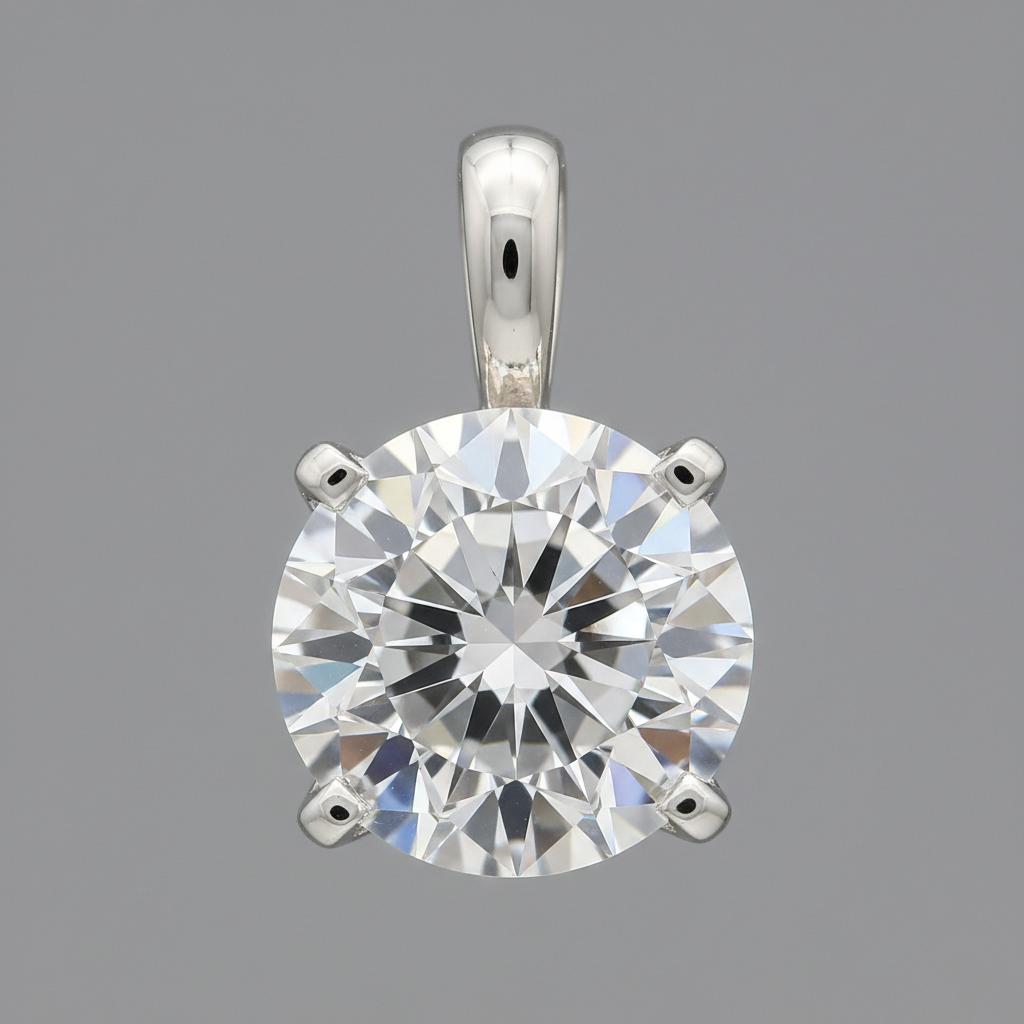
- Solitaire: The forever classic for office-to-evening. See our 1 ct lab-grown solitaire pendant for a modern four-prong take.
- Bezel: Sleek and secure with minimal snag risk; great for active days.
- Halo: A rim of accent diamonds boosts visual size and fire.
- Heart: Romantic, celebratory—try our lab-grown heart pendant to mark an anniversary.
- Initial: Personal and giftable—our diamond initial pendant remains a year-round favorite.
- Cross: Expressive and timeless—browse our diamond cross pendant for a refined symbol.
- Circle/Me-daillon: Balanced geometry that layers cleanly—see our diamond circle pendant.
- Gem halo or color pop: Diamond-and-gem combos deliver contrast; explore our Paraíba halo pendant for a vibrant option.
Not sure where to start? Choose a solitaire now, add a station or initial later. This path keeps your signature look consistent while extending styling options over time.
Chains, Metals, and Skin Tone Matching
Match your chain and metal to your wardrobe and skin tone. 14k white gold feels modern and bright; yellow gold adds warmth; rose gold flatters neutral-to-warm undertones. For chains, choose box or wheat for strength and smooth drape; use 16–18 inches for everyday, 20 inches for lower necklines.
Metal choice changes the “temperature” of your jewelry and how diamonds read at a glance.
- White Gold (14k/18k): Cool brilliance; pairs with monochrome and office looks.
- Yellow Gold: Warm and timeless; great with earth tones and vintage-inspired outfits.
- Rose Gold: Soft romance; flattering on mixed undertones and layered sets.
Chain thickness matters too: around 1.0–1.5 mm is a comfortable everyday range for pendants up to moderate size. Larger pendants benefit from 1.5–2.0 mm for stability and balance.
Sizing, Necklines, and Layering Formulas
Use 16 inches for collarbone framing, 18 inches for the classic “everyday,” and 20 inches for relaxed drape. Layer with 2–3 chains that differ by 2 inches each. Keep the diamond pendant as the focal point, then add a station or initial above or below for balance and movement.
You might be wondering how to avoid tangles and visual clutter. Here’s a simple playbook.
- Two-layer set: 16 in station + 18 in solitaire.
- Three-layer set: 16 in initial + 18 in halo + 20 in chain (no pendant) for texture.
- V-neck tip: Keep the pendant tip ~1 inch above the V point.
- Button-downs: 18 in sits neatly between second and third buttons.
- High necklines: 20 in or a long chain keeps the pendant visible.
Adjustable chains (often adding 1–2 inches) make this even easier, especially if you shift from office wear to evening outfits on the same day.
Care, Cleaning, and Longevity
Keep pendants brilliant by cleaning every 2–3 weeks with warm water, mild dish soap, and a soft brush. Rinse, pat dry, and air-dry fully. Schedule an annual checkup to inspect prongs, bails, and chain links. Store in a soft pouch to prevent micro-scratches and reduce tangles between layers.
In our experience, a predictable care rhythm keeps sparkle consistent and prevents repairs.
- Weekly wipe: Quick microfiber wipe-down after wear removes oils.
- Monthly deep clean: Warm water, soap, gentle brush, then air-dry.
- Annual inspection: Check prongs, bezels, bail openings, and clasp springs.
- Storage: Separate pouches for layered pieces; avoid humidity and hard mixing.
Pro tip: A low-profile bezel is the most forgiving if you’re tough on jewelry—great for subway commutes, gym bags, and on-the-go days.
Pricing Factors to Weigh (No Numbers)
Pendant pricing reflects diamond quality (4Cs), metal karat and weight, chain type, and workmanship. Lab-grown certification and cut precision add value. Choose a quality tier you’ll wear long-term rather than chasing lowest cost—this maximizes everyday enjoyment and reduces replacement or upgrade cycles.
Here’s how we help New York buyers evaluate value—without focusing on numbers.
- Diamond 4Cs: Cut clarity drives sparkle; color and clarity determine face-up look.
- Metal: 14k vs 18k gold affects durability and hue; heavier chains increase longevity.
- Setting labor: Halos and custom shapes require more craftsmanship than minimal solitaires.
- Certification: Lab-grown grading reports support informed comparisons.
- Fulfillment speed: In-stock, ready-to-ship pieces reduce waiting and gift risk.
When you weigh these factors against how often you’ll wear the piece, the “best value” choice usually becomes obvious.
Tools and Resources from Diamond2Deal
Use Diamond2Deal’s education-first resources to shop smarter: explore lab-grown education, compare pendant styles, and tap next-day shipping for in-stock pieces. When you’re ready, book time with a diamond expert for personalized recommendations tailored to your style, neckline, and daily routine.
Start with our lab-grown education and pendant examples, then explore in-stock favorites:
- Read our education content on lab-grown brilliance via lab-grown diamond insights.
- Shop a classic starter piece: 1 ct solitaire pendant.
- Prefer symbolism? Consider our diamond cross pendant.
- Want personalization? Try a diamond initial necklace.
- Love geometry? Explore the diamond circle pendant.
Prefer a guided experience? Our family-owned team has advised shoppers since 1998. We’ll help you narrow style, metal, and chain length in minutes, then arrange fast fulfillment on in-stock pieces.
Free style check: Have a pendant in mind? Share your top 3 picks and the outfits you wear most. We’ll confirm the best match for drape, sparkle, and durability—often within one short call.

Case Examples from New York Shoppers
Real New York buyers choose pendants that fit a fast-paced, layered wardrobe. Active professionals favor bezels on box chains; gift buyers love hearts and initials; faith-forward shoppers pick delicate crosses. Each example shows how chain type, length, and setting shape everyday comfort and sparkle in Manhattan life.
Case 1: Midtown professional, commuter life. She wanted gym-to-office ease and low snag risk. We recommended a bezel solitaire on a 1.2 mm box chain at 18 inches—sleek under a blazer, sturdy for subway commutes.
Case 2: Anniversary milestone, classic dresser. He selected a lab-grown heart pendant in yellow gold. It pairs with her existing bangles and reads warm against neutral knits.
Case 3: Personalized everyday stack. A simple diamond initial at 16 inches layers perfectly with an 18-inch halo and a 20-inch texture-only chain.
Case 4: Subtle statement for events. A halo pendant on a wheat chain at 18 inches adds movement under cocktail lighting without overwhelming the neckline.
New York Local Tips for Pendant Shopping
In Manhattan, quick fulfillment and everyday durability matter. Our New York County clients often choose low-profile settings, adjustable 16–18 inch chains, and 14k gold for strength. With thousands of in-stock styles and next-day shipping, Diamond2Deal simplifies gifting and last-minute styling needs across the city.
Local considerations for Manhattan
- Commuter-friendly design: Choose bezels or low-profile solitaires to avoid snags on winter scarves and tote straps near Rockefeller Center.
- Seasonal shifts: Layer chains longer in cold months to sit over knits; 16–18 inches works year-round for office-to-evening plans.
- Timing: If you’re gifting before an event near Grand Central, lean on our in-stock selection with next-day shipping.
Lab-Grown Certification and What to Look For
Certified lab-grown diamonds offer precise cuts, consistent color, and documented grading. For pendants, prioritize cut quality for sparkle at arm’s length, then balance color and clarity for a clean face-up look. Certification supports confident comparison as you weigh style, metal, and chain considerations.
Certification and cut discipline matter even more for pendants because viewers see them from a short distance. A well-cut stone throws light even at 18 inches.
- Cut first: Excellent cut returns more light and looks lively at everyday distances.
- Color next: Near-colorless ranges look bright in white metals; warmer tones can glow in yellow gold.
- Clarity for wear: Eye-clean grades are ideal for pendants; inclusions should be hard to spot without magnification.
For a concise overview of lab vs natural, you can skim this lab-grown vs natural explainer and this curated pendant collection reference as context while you explore our in-stock options.
Best Practices for Buying Diamond Pendant Necklaces
Decide on daily wear goals first, then lock style, metal, and length. Verify cut-focused grading, choose a chain that matches pendant weight, and keep future layering in mind. Finally, confirm fulfillment timing and return/warranty terms so gifting and everyday use stay stress-free.
- Start with lifestyle: Office, active, or event-focused? That choice drives setting and chain.
- Anchor length: 18 inches is the default; adjust up or down for your neckline and layers.
- Check workmanship: Smooth bezels, even prongs, aligned halos, secure bails, consistent polish.
- Confirm policies: Diamond2Deal offers next-day shipping on many styles, a 1-year warranty, and 30-day returns for confidence.
- Plan the stack: Ensure your main pendant plays nicely with initials, stations, or texture-only chains.
This simple flow minimizes second-guessing and keeps shopping enjoyable.
Side-by-Side: Quick Comparisons You’ll Use
Use quick comparisons to choose faster: bezel vs prong for snag risk, box vs wheat for durability, 16 vs 18 inches for neckline framing, and white vs yellow gold for color temperature. Small, confident decisions stack into the perfect everyday pendant you’ll actually wear.
- Bezel vs Prong: Bezel protects edges and reduces snags; prong maximizes light return and airiness.
- Box vs Wheat Chain: Box is crisp and kink-resistant; wheat is fluid with a luxe drape.
- 16 vs 18 inches: 16 frames collarbones; 18 is the classic everyday length.
- White vs Yellow Gold: White brightens; yellow warms and complements vintage palettes.
Need a second opinion? Send us a photo of your favorite neckline or outfit. We’ll recommend the exact style and length in minutes.
Inspiration and Gifting Moments
Diamond pendants fit almost any occasion: birthdays, anniversaries, graduations, new jobs, and bridal party gifts. Pick symbolism (heart, cross, initial) or a classic solitaire. Focus on versatile metal and length to ensure it becomes their everyday piece—not just a special-occasion accessory.
Gifts land best when they’re easy to wear every day. A mid-size solitaire or circle pendant in 14k gold at 18 inches checks that box for most recipients.
- Milestones: Hearts and halos for celebrations; initials for personal stories.
- Graduations/new roles: Sleek solitaires pair with professional wardrobes.
- Bridal party: Coordinated initials or stations with adjustable chains.
For more inspiration, some shoppers like browsing broad roundups such as this proposal-themed jewelry guide before zeroing in on our pendant collections.
Frequently Asked Questions
Common pendant questions focus on chain length, everyday wear, and how lab-grown compares to natural diamonds. Here are concise answers you can act on today. If you still have a question, reach out—our family-owned team has helped shoppers make confident choices since 1998.
What chain length is best for a diamond pendant?
For most people, 18 inches is the everyday sweet spot. Choose 16 inches to frame the collarbone or 20 inches for a relaxed drop and high necklines. Adjustable chains that add 1–2 inches make layering easier across outfits.
Are lab-grown diamonds good for pendants?
Yes. Certified lab-grown diamonds deliver precise cutting and consistent color, which show beautifully at pendant-viewing distances. Focus on excellent cut first, then balance color and clarity for a bright, eye-clean look in your chosen metal.
Which chain type is most durable?
Box and wheat chains are excellent for daily wear. Box chains resist kinks and feel crisp; wheat chains are smooth and supple with high strength. Match thickness to pendant size—around 1.0–1.5 mm suits most everyday pendants.
How do I keep my pendant from tangling when I layer?
Stagger lengths by at least 2 inches (for example, 16, 18, and 20 inches) and vary chain textures. Keep the diamond pendant as the focal piece and choose lighter chains for the surrounding layers to reduce movement and tangles.
Key Takeaways
Choose a style you’ll wear most, anchor at 16–18 inches, verify cut-focused grading, and match chain strength to pendant size. Favor 14k gold for daily durability, and plan future layers. With in-stock, certified styles and next-day shipping, Diamond2Deal makes everyday diamond pendant choices simple.
- Start with lifestyle, then style, metal, and chain length.
- Cut quality drives sparkle you’ll notice from arm’s length.
- Box or wheat chains balance durability and drape.
- Plan layers using 2-inch spacing and varied textures.
- Lean on our next-day shipping and supportive policies for timing confidence.
Ready to find your everyday pendant? Explore our in-stock favorites—from solitaires to geometric circles—or message us to compare two styles side by side.