

GIA-Certified Lab-Grown Diamonds: Pick Better Stones (2026)
GIA-certified lab-grown diamonds are man-made diamonds graded by the Gemological Institute of America for the 4Cs and identity. At Diamond2Deal in New York (420 Madison Ave, 5th Floor, Rm 500), we help you read reports, verify laser inscriptions, and choose brilliant, certified lab-grown stones with confidence.
By Mit Trivedi — President, Diamond2Deal
Last updated: 2026-05-30
Above-the-Fold: Why this guide and what you’ll learn
Use this guide to select better GIA-certified lab-grown diamonds in minutes. You’ll learn how GIA grading works, how HPHT vs CVD growth affects appearance, how to verify inscriptions, and how to shop smart online or in person at our Manhattan location.
Here’s the thing: lab-grown quality varies widely, and certifications aren’t identical across labs. We cut through jargon so you can act fast and feel sure about your choice.
- What GIA-certified lab-grown diamonds are and why they matter
- How grading reports, laser inscriptions, and verification work
- The HPHT vs CVD difference, plus fluorescence and cut nuance
- A practical checklist for engagement rings and everyday jewelry
- Local tips for appointments in Manhattan, New York County
Jump to:
- Quick Summary
- What Is the topic?
- Why it matters
- How certification works
- HPHT vs CVD
- Grading the 4Cs
- Comparing labs
- Value drivers
- Best practices
- Tools & resources
- Shopping in Manhattan
- Case studies
- FAQ
- Key takeaways
- Conclusion
- Related guides
Quick Summary
GIA-certified lab-grown diamonds come with a GIA grading report, a laser-inscribed report number, and full 4C details. Match the report to the inscription, prioritize cut quality, and use a structured checklist to compare stones side by side—online or during a Diamond2Deal appointment.
- Definition: Lab-grown diamonds with identity and 4C grades issued by GIA.
- Verification: Confirm report number on the girdle matches the PDF or digital lookup.
- Priorities: Cut precision, eye-clean clarity, balanced color, trustworthy lab.
- Next move: Book a quick consult; bring any report you already have.
What Are GIA‑Certified Lab‑Grown Diamonds?
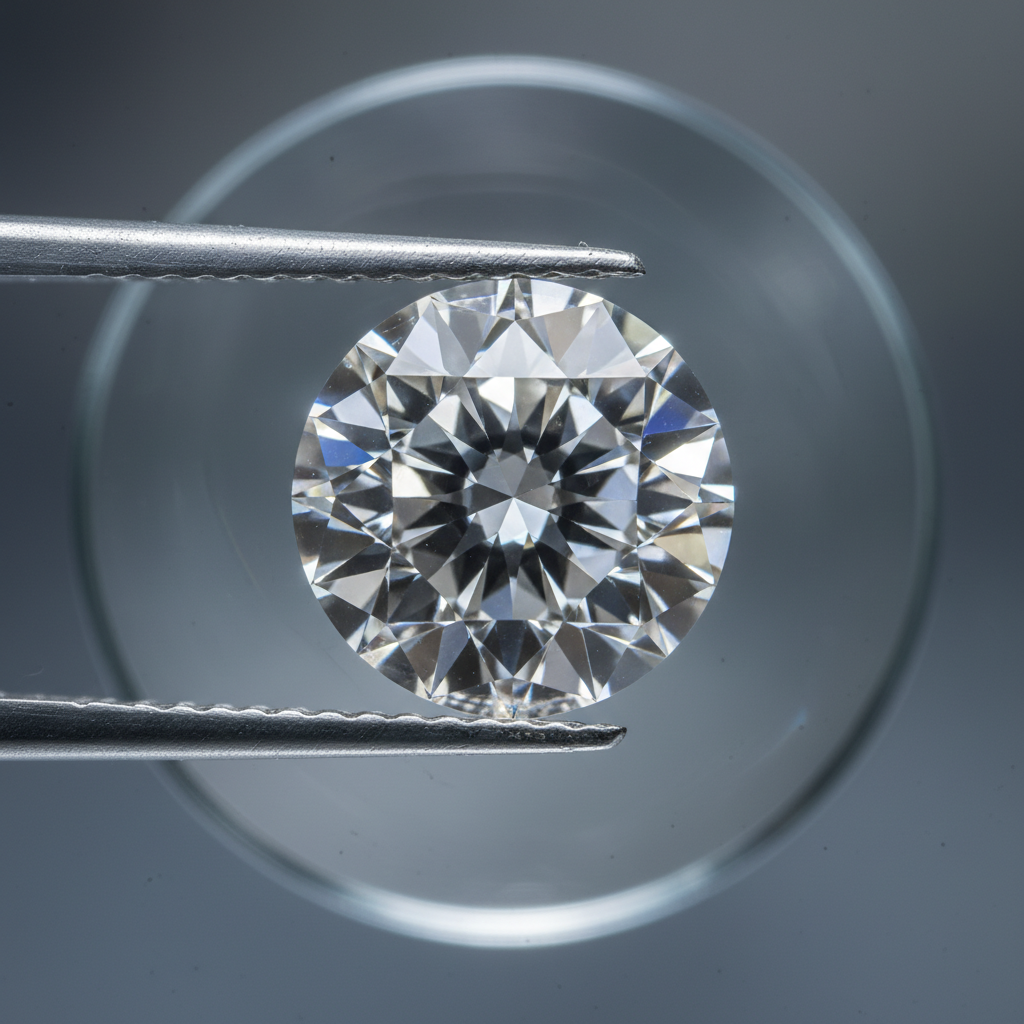
These are man-made diamonds—physically and chemically identical to natural—that have been graded by GIA. The report identifies the diamond as laboratory-grown, details the 4Cs, and lists a unique report number typically laser-inscribed on the girdle for easy verification.
In our experience, the report + inscription pairing is your fastest path to confidence. The inscription links the physical stone to a unique GIA record you can reference when you comparison shop.
- Identity: The report clearly states “Laboratory-Grown Diamond.”
- 4Cs listed: Cut, color, clarity, and carat weight are graded on recognized scales.
- Traceability: A unique report number appears both on the report and on the diamond’s girdle.
- Format: PDF/digital report with plotted clarity features and proportion data when applicable.
At Diamond2Deal, we guide you through reports side-by-side and translate specs into what you’ll actually see on the hand, whether you’re choosing a solitaire engagement ring or everyday studs.
Why GIA Certification Matters
GIA is an independent, globally recognized grader. Its lab-grown reports standardize quality language across sellers, reducing risk and making apples-to-apples comparisons possible. That transparency speeds decisions and helps you focus on beauty—especially cut—over buzzwords.
Why this matters: buying a diamond is part logic, part love. Reports supply the logic so your eyes—and heart—can choose confidently.
- Comparable grading: Consistent scales let you compare options from different retailers.
- Resale documentation: A third-party report supports future trade-in or insurance conversations.
- Counterfeit guardrails: Report lookups and laser inscriptions help prevent mix-ups.
- Education-first shopping: Our advisors map specs to performance and style for your goals.
Quick example: Two stones may share color and carat, but only one has the crisp symmetry that lights up a round brilliant. Report data + our loupe view closes that gap fast.
How GIA Certification Works
A GIA lab-grown diamond is graded by independent gemologists, issued a unique report number, and commonly laser-inscribed on the girdle. You verify by matching the inscription to the digital report and confirming the 4C details and measurements align.
Step-by-step verification
- Find the inscription: Use a loupe to locate the report number on the girdle.
- Pull the report: Use the seller’s link or your saved PDF; match numbers exactly.
- Confirm specs: Carat, color, clarity, cut grade, and measurements must match.
- Check plots: Compare clarity map and inclusion positions if shown.
- Review comments: Note fluorescence, growth method disclosure, or treatments.
What to look for in seconds
- Cut first: It drives sparkle and face-up brightness.
- Eye-clean clarity: Make sure inclusions aren’t visible at normal viewing distance.
- Color balance: Verify the grade suits your metal (white vs yellow/rose).
- Proportions harmony: Table, depth, and angles should support light return.
| Process stage | What to check quickly |
|---|---|
| Identity | Report says Laboratory-Grown; vendor description matches. |
| Inscription | Girdle number matches the report exactly. |
| 4Cs | Cut emphasized; color/clarity align with your goal and budget. |
| Comments | Fluorescence and any growth/treatment notes understood. |
| Visual check | Use loupe/video to confirm eye-clean and lively sparkle. |
Want help? Bring your report to a quick consult; we’ll verify live and compare side by side.
HPHT vs CVD: How Growth Methods Affect Looks
Both HPHT and CVD produce real diamonds, but their growth environments can leave different inclusion patterns and strain. Well-cut stones from either method perform beautifully; what matters most is the finished cut, polish, and symmetry—not the recipe.
HPHT (High Pressure High Temperature)
- Environment: Mimics deep-earth pressure and heat.
- Typical traits: Metallic inclusions may appear; color can be very white after post-growth treatments.
- Buying tip: Inspect for eye-visible inclusions; prioritize crisp symmetry for max fire.
CVD (Chemical Vapor Deposition)
- Environment: Carbon-rich plasma grows diamond layer by layer.
- Typical traits: Strain lines or graining possible; color and clarity can be excellent.
- Buying tip: Favor precise cutting; ask to see performance under different lighting.
Real talk: we consistently see cut quality overwhelm method differences. A superior cut creates the sparkle most people fall in love with across rings, studs, and pendants.
Grading the 4Cs for Lab‑Grown Diamonds
Prioritize cut, then balance color and clarity to your style and setting. Carat is a weight, not a size guarantee—measurements and face-up spread matter. GIA’s standardized scales for color (D–Z) and clarity (FL–I3) help you compare options quickly.
Cut: your brightness engine
- Why it matters: Cut precision controls light return, contrast, and scintillation.
- What to do: Review proportions and look for strong on-hand video performance.
- Example: A well-cut round will outshine a larger, poorly cut one.
Color: match metal and taste
- White metals: Slightly whiter grades often suit platinum/white gold aesthetics.
- Warm metals: Yellow/rose gold can complement slightly warmer color.
- Action: View side-by-side against your actual setting color.
Clarity: keep it eye-clean
- Focus: Choose clarity that’s clean to your eye at 6–12 inches.
- Tip: Location and type of inclusion matter more than the letter grade alone.
Carat: think measurements
- Face-up size: Two stones with the same carat can face-up differently.
- Action: Compare millimeter measurements and depth for true size impression.
We translate the 4Cs into on-hand beauty so you don’t get lost in alphabet soup.
Comparing Labs: GIA vs IGI vs GCAL
All three grade lab-grown diamonds, but their report formats and emphasis differ. GIA is the reference standard; IGI is widely available for lab-grown; GCAL offers strong cut-performance documentation. Compare how each presents cut, inscription, and growth method disclosure.
| Lab | Strengths for lab-grown | Notes |
|---|---|---|
| GIA | Global standardization; clear identity disclosure; robust 4C grading. | Report + inscription pairing simplifies verification. |
| IGI | Extensive lab-grown coverage; fast availability; detailed parameters common. | Popular in lab-grown market; compare cut details with videos. |
| GCAL | Performance-focused documentation; light performance emphasis. | Useful for cut connoisseurs comparing fine details. |
Shopping tip: Choose the stone you love, then use the report to confirm each claim the eye can’t parse alone.
Value Drivers (No Pricing, Just What Affects It)
Value is driven by cut quality, carat and measurements, color/clarity balance, lab reputation, and documentation. Beyond specs, craftsmanship of the setting and seller support policies shape long-term satisfaction and perceived value.
- Cut and performance: The top driver of perceived beauty.
- Carat vs spread: Millimeter size and face-up presence matter.
- Color/clarity harmony: Right-for-you balance beats chasing extremes.
- Lab/report trust: Clear identity and inscription reduce risk.
- Setting quality: Secure prongs, smooth finishing, comfort fit.
- Policies and speed: Returns, warranty, and shipping timing add peace of mind.
Diamond2Deal’s value promise—family-owned ethics, next-day shipping on thousands of styles, and friendly policies—supports the purchase well beyond the moment you click “buy.”
Best Practices: A Buyer’s Checklist
Confirm identity and inscription, lead with cut, validate eye-clean clarity, and compare in your setting color. Use videos plus reports for every short list pick, then ask an expert to sanity-check proportions and inclusion placement before you commit.
- Verify identity: The report must say “Laboratory-Grown Diamond.”
- Match numbers: Girdle inscription = report number, character for character.
- Cut first: Favor stones with strong light return in video and stills.
- Eye-clean clarity: Ask for magnified images and plain-eye video.
- Color fit: Try against your setting metal under neutral light.
- Measurements: Compare actual millimeters, not just carat.
- Fluorescence: Note strength; most buyers prefer None to Medium.
- Paper trail: Save the report PDF and any vendor performance images.
Want examples of how this plays out? See our internal diamond certification guide and our lab‑grown store guide for deeper dives.

Tools & Resources (Reports, Videos, and Expert Help)
Combine the grading report with on-hand video, magnified photos, and a quick consult. This triangulation exposes hidden trade-offs and confirms sparkle. Keep your top three options together and compare under consistent lighting for a fair read.
- Grading reports: Store the PDF and note any comments about growth method or treatments.
- Videos and stills: Request neutral-light videos; pause to check contrast and scintillation.
- Side-by-side views: Evaluate three favorites together to prevent decision drift.
- Expert review: Book a short appointment; we’ll vet proportions and inclusion maps.
If you’re exploring definitions and buyer tips, this external overview on GIA-approved diamonds and this comparison of lab-grown vs natural provide additional context. For search workflows, see a generic find a diamond guide to structure your filters.
Ready to see styles? Explore a popular lab‑grown engagement ring or a classic solitaire style curated for everyday brilliance.
Shopping GIA‑Certified Lab‑Grown Diamonds in Manhattan, New York County
Meet us in Manhattan for hands-on comparisons and report verification. Our 420 Madison Ave location is central to New York County, making quick lunch-break appointments doable. Bring any report you have; we’ll match inscriptions and test sparkle under neutral lighting.
Local considerations for Manhattan
- Plan appointments around commuter windows near Grand Central for faster visits and easier same-day pickups.
- Holiday rush and peak proposal seasons tighten inventory; book early for made-to-order settings.
- Our showroom lighting simulates daylight and evening—ideal before events near Rockefeller Center.
Prefer online? We’ll mirror the in-person process via video, then ship from our stocked selection with next-day options on thousands of items.
Case Studies & Real-World Examples
Real buyers win by pairing reports with live visuals. In each scenario below, we translated specs into on-hand sparkle, prioritized cut, and confirmed identity via inscription—leading to faster, happier decisions and styles that match the moment.
Engagement ring, classic round
- Goal: Bright, timeless solitaire.
- Action: We shortlisted three GIA-graded rounds, compared millimeter spread, and reviewed videos.
- Outcome: The crispest cut won even against a slightly larger alternative—sparkle was unmistakable on hand.
Anniversary upgrade, three-stone
- Goal: Noticeable presence with balanced color.
- Action: We matched center and side stones by color tone and ensured all inscriptions matched reports.
- Outcome: Cohesive look, bright symmetry, and a graceful finger coverage clients loved immediately.
Everyday studs for gifting
- Goal: Eye-clean sparkle for daily wear.
- Action: Compared clarity positions in magnified images and checked fluorescence comments.
- Outcome: A lively pair with clean faces and matched color tone that shines from brunch to boardroom.
For more practical examples, our take on lab‑grown engagement rings and how to compare cuts can help you visualize trade-offs quickly.
Frequently Asked Questions
These fast answers resolve the most common buyer questions about GIA-certified lab-grown diamonds—identity, value, growth methods, and how to verify your stone before setting it.
Are GIA‑certified lab‑grown diamonds real diamonds?
Yes. They’re real diamonds with the same hardness, refractive index, and crystal structure as natural. The GIA report identifies them as laboratory-grown and grades the 4Cs, helping you compare options confidently.
Is HPHT better than CVD for lab‑grown stones?
Neither method is automatically “better.” Both can yield excellent diamonds. What you’ll notice most is cut quality and overall craftsmanship. Judge the finished stone using its report, visuals, and a quick expert review.
How do I verify a GIA report matches my diamond?
Locate the laser inscription on the girdle with a loupe, then match the number to the digital or PDF report. Confirm carat, color, clarity, cut grade, and measurements align. Save the report for insurance and future reference.
Do GIA‑certified lab‑grown diamonds hold value?
Value is influenced by cut, size, color/clarity balance, lab reputation, and documentation. A recognized third‑party report supports future trade‑in or insurance discussions, but buy primarily for the beauty you’ll enjoy daily.
What’s the best first step if I’m overwhelmed?
Start with cut. Shortlist three stones with strong light return, verify their inscriptions and reports, then ask an expert to double‑check proportions and clarity maps. You’ll gain confidence fast.
Key Takeaways
Trust the report, verify the inscription, choose cut-first, and compare under consistent lighting. Use reports plus videos, then lean on an expert to confirm details before setting—online or at our Manhattan location.
- GIA report + inscription anchors identity and quality.
- Cut drives sparkle more than any single spec.
- Balance color and clarity to your style and metal.
- Use a side‑by‑side, three‑stone comparison to decide quickly.
- Diamond2Deal supports you with education, speed, and service.
Conclusion
With GIA-certified lab-grown diamonds, you get standardized grading and easy verification. Pair that clarity with expert guidance and you’ll choose a stone you love—faster and with lasting confidence.
Book a brief consult, bring any report you have, and we’ll do the rest—verify identity, translate specs into real-world sparkle, and guide you to a setting you’ll wear with pride.
Related Guides
Explore deeper cuts, certification nuances, and sustainability angles across our education content to sharpen your eye and speed up decisions.
Keep learning with our internal sustainability overview and this explainer on lab‑grown diamond earrings. When you’re ready to compare center stones, revisit the diamond certification guide for quick checkpoints.