

Lab Grown Diamonds: Choose Better Sparkle in 2026
Lab grown diamond engagement rings are engagement rings set with man-made diamonds that share the same crystal structure, hardness, and sparkle as mined stones. They are graded by the 4Cs and can be certified. From our Manhattan showroom hub at 420 Madison Ave in New York, Diamond2Deal helps couples compare options confidently.
By Mit Trivedi • Last updated: April 23, 2026
Above-Fold Overview: Why This Guide Matters
This complete guide explains what lab grown diamond engagement rings are, how they’re made, how to choose the right 4Cs, and how to match styles with your proposal story. It also links real Diamond2Deal examples you can explore today, pairing fast shipping with family-owned service for a low-stress, high-confidence decision.
Here’s the thing—buying an engagement ring blends emotion and detail. You want the “yes,” but you also want the ring to look stunning every day. We wrote this guide to make every choice simple and confident.
- Clear definitions and quick visuals you can cite in conversations
- Actionable selection steps for shape, cut, metal, and setting
- Certification know-how so your diamond is graded and documented
- Real product examples from Diamond2Deal you can shop immediately
Summary
Lab grown diamond engagement rings deliver real-diamond brilliance with modern sourcing. Choose a certified stone, prioritize cut, and pair with a style that fits daily life. With next-day shipping on in‑stock designs, Diamond2Deal streamlines selection while preserving personalized, family-owned guidance.
At a glance, the ring you’re considering should be easy to love, easy to wear, and easy to verify. That means a balanced 4Cs profile, a secure setting, and a grading report you can trust.
- Prioritize cut for visible sparkle; confirm symmetry and polish.
- Pick a shape that suits hand anatomy and daily wear.
- Select 14K or 18K gold color that complements skin tone and lifestyle.
- Confirm a recognized lab report; keep paperwork safe for insurance.
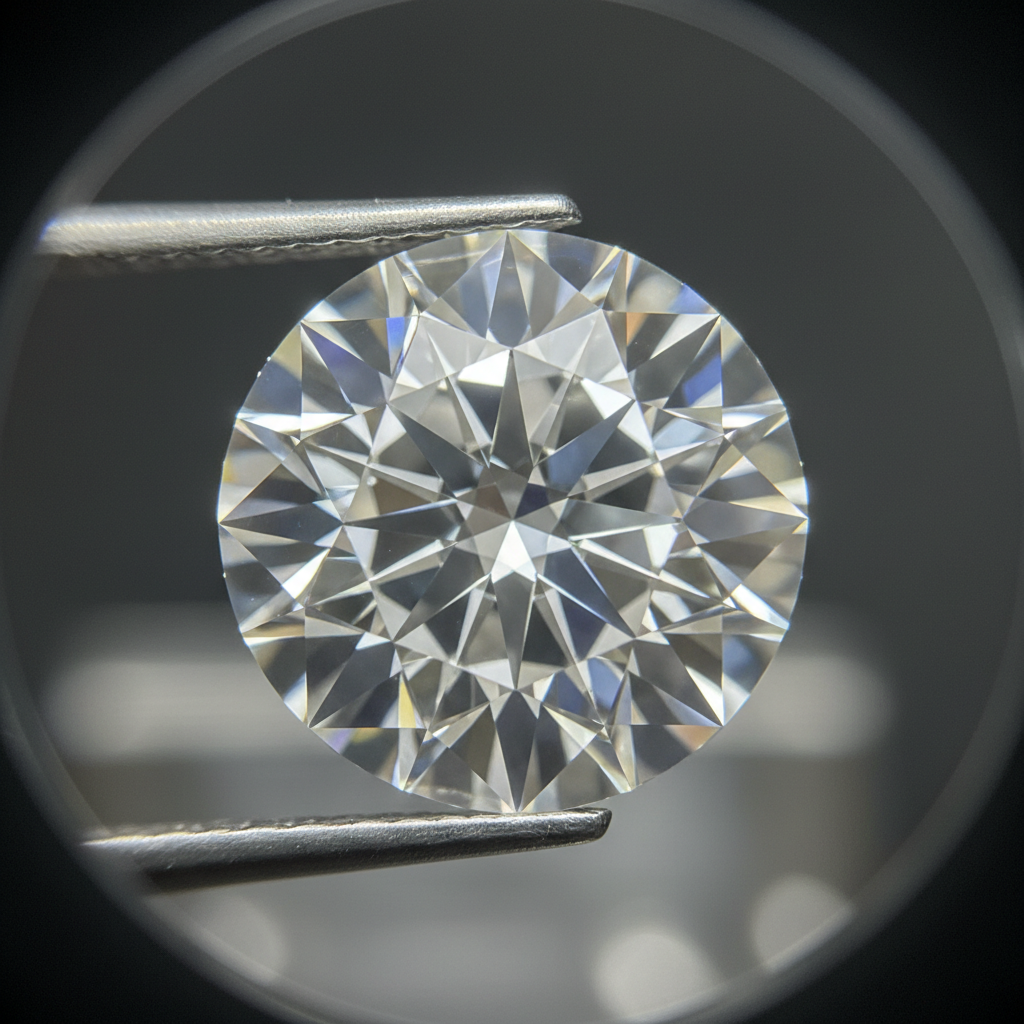
What Are Lab Grown Diamond Engagement Rings?
A lab grown diamond engagement ring pairs a man-made diamond—chemically and optically identical to mined diamonds—with a chosen setting. The diamond is graded by the 4Cs and can carry a third‑party certificate. The result is real diamond fire and brilliance, simply grown in a modern laboratory.
In our experience helping New York couples, the biggest mental unlock is simple: “lab grown” describes origin, not quality. The 4Cs still determine how bright, white, and clean your diamond appears.
Key traits you can expect
- Real diamond composition: Pure carbon crystal with the same Mohs hardness (10) and refractive index (~2.42).
- Graded the same way: Cut, color, clarity, and carat remain the benchmark.
- Reliable documentation: Choose stones accompanied by recognized lab reports.
- Modern origin: Created via HPHT or CVD growth, then cut and polished.
Want a fast visual? Explore an IGI‑certified lab grown ring in white gold or our classic solitaire lab grown selection to see proportions and prong layouts up close.
Why It Matters (and Why Manhattan Couples Love It)
Lab grown diamond engagement rings matter because they offer real-diamond beauty with modern availability, fast fulfillment, and clear grading. For Manhattan and New York County buyers, immediate access to in‑stock, certified options means you can propose on your schedule—without compromising on brilliance or style.
Timing is real. Proposals often center on travel, family visits, or a once‑in‑a‑lifetime reservation. With thousands of in‑stock designs and next‑day shipping on many, we help you move from shortlisting to unboxing—fast.
Benefits you can feel day one
- Confidence: Certification and 4Cs transparency remove guesswork.
- Speed: Many best-sellers ship quickly, ideal for planned or spontaneous proposals.
- Selection: Access classic solitaires, three‑stone, and modern halos in multiple metals.
- Support: Family-owned service since 1998 means real humans guide important choices.
Looking for a distinct silhouette? Compare a three‑stone lab grown engagement ring with a sleek rose‑gold solitaire to see how finger coverage and metal warmth change the vibe.
How Lab Grown Diamonds Are Made (HPHT vs. CVD)
Lab grown diamonds form in controlled environments using HPHT (high pressure, high temperature) or CVD (chemical vapor deposition). Both create real diamond crystals from carbon. After growth, rough crystals are planned, cut, and polished—then graded for the 4Cs just like mined diamonds.
Here’s a straightforward view of the science and why it matters for ring shopping.
HPHT: forging crystals under extreme conditions
- Process: Carbon faces pressures similar to the earth’s mantle with temperatures reaching thousands of degrees Fahrenheit.
- Result: Robust crystals often favored for certain sizes and shapes.
- Shopping tip: Evaluate color and clarity ranges; confirm polish and symmetry for maximum sparkle.
CVD: building diamond layer by layer
- Process: Carbon‑rich gas in a vacuum chamber deposits diamond atoms onto a seed, growing a pure crystal layer by layer.
- Result: Excellent control over growth; strong candidates for precise cutting.
- Shopping tip: Prioritize cut precision; verify consistency across the stone’s facets.
What this means for your ring
- Either method can yield excellent stones when paired with expert cutting.
- Cut quality is the visible differentiator in brightness, fire, and scintillation.
- Certification documents growth method and confirms the 4Cs in writing.
Prefer to compare side by side? Browse an IGI‑certified round brilliant solitaire next to our bold, higher‑carat solitaire to see how proportion and cut interplay in real designs.
Types, Shapes, and Setting Styles
Choose ring style first, then match a lab grown diamond that complements it. Solitaires showcase cut precision, halos amplify spread, three‑stone designs add symbolism, and pavé shanks enhance sparkle. Shapes like round, oval, emerald, and pear each create unique face‑up looks and finger coverage.
Design guides the rest of your decisions. Start with the story you want the ring to tell, then pick the details.
Popular styles
- Solitaire: Timeless, effortless, and highly versatile for stacking bands.
- Halo: A perimeter of small diamonds increases presence on the finger.
- Three‑stone: Past–present–future symbolism with distinctive finger coverage.
- Pavé shank: Extra sparkle along the band; consider daily wear considerations.
Shape considerations
- Round brilliant: Maximum fire and scintillation when ideally cut.
- Oval: Elegant elongation; mind bow‑tie appearance and symmetry.
- Emerald: Hall‑of‑mirrors effect; prioritize clarity and crisp step facets.
- Pear/Marquise: Dramatic lines; ensure protected tips and balanced proportions.
Metal and finish
- 14K vs. 18K gold: 14K offers added durability for daily wear; 18K offers richer color.
- White, yellow, or rose: Match skin undertone and wardrobe; contrast can make a center look whiter.
- Finish and profile: Low‑profile settings improve glove and pocket comfort.
See style differences live with our high‑impact solitaire and this classic certified design. Both ship efficiently and are backed by customer‑friendly policies.
How to Choose Your Diamond (4Cs, Certification, Fit)
Prioritize cut, then balance color, clarity, and carat for beauty and daily wear. Confirm a third‑party grading report. Check ring size, setting security, and lifestyle fit. Document everything for insurance. These steps keep your lab grown diamond engagement ring brilliant, durable, and easy to own.
Think of the 4Cs as dials you can tune. Here’s a shopper‑friendly way to set them.
Cut (your sparkle engine)
- Why: Cut governs brightness, fire, and scintillation more than any other C.
- Action: Favor Excellent/Ideal cuts; inspect symmetry and polish grades.
- Example: Our certified solitaires emphasize cut precision you can see from arm’s length.
Color (overall hue)
- Why: Impacts how white the diamond appears in common lighting.
- Action: Pair near‑colorless grades with white metals for a crisp look; warmer metals can be forgiving.
- Example: White‑gold settings tend to make borderline grades look whiter.
Clarity (inclusions and surface features)
- Why: Eye‑clean stones look pristine; certain shapes reveal inclusions more readily.
- Action: Review inclusion maps; avoid locations near the table or prong pressure points.
- Example: Step‑cuts (emerald) reward higher clarity for a serene “hall of mirrors.”
Carat (visual size)
- Why: Affects presence and finger coverage; halos and elongated shapes increase perceived spread.
- Action: Consider hand size, daily activities, and wedding band stacking.
- Example: A 1.0 carat oval can appear larger than a 1.0 carat round due to its length.
Certification and documentation
- What to look for: A clear grading report with the 4Cs, measurements, and laser inscription when applicable.
- Why it matters: Verifies quality and simplifies insurance and future service.
- Action: Keep digital and paper copies together with purchase details.
For a quick benchmark, compare proportions and paperwork on this IGI‑certified white‑gold ring.
Care, Warranty, and Longevity Best Practices
A lab grown diamond is a real diamond—hard, durable, and suited for everyday wear. Protect it with periodic cleaning, secure prongs, mindful wear during activities, and documented service. Back your ring with a clear warranty and responsive support for long‑term peace of mind.
We’ve supported thousands of daily‑wear pieces. Small habits make a big difference.
Everyday care
- At‑home cleaning: Mild soap, warm water, soft brush; rinse thoroughly.
- Ultrasonic use: Acceptable for many stones; avoid on delicate pavé if unsure.
- Storage: Separate compartments to prevent metal scuffs.
Wear and checks
- High‑activity moments: Consider removing during weightlifting or high‑impact sports.
- Prongs and security: Have a jeweler check prong tension periodically.
- Documentation: Keep warranty and grading report accessible.
Prefer a low‑profile daily driver? Our low‑profile solitaire balances presence with practicality.
Comparison: Lab Grown vs. Natural Diamonds
Both lab grown and natural diamonds are real diamonds with identical optical and physical properties. The key differences are origin and availability. Lab grown options often provide greater selection flexibility and fast fulfillment, while natural stones hold geological rarity and tradition.
| Aspect | Lab Grown | Natural |
|---|---|---|
| Composition | Pure carbon, real diamond | Pure carbon, real diamond |
| Origin | Modern HPHT/CVD growth | Geological formation |
| Certification | Third‑party grading available | Third‑party grading standard |
| Availability | Strong in‑stock selection; consistent supply | Varies by market and mining output |
| Design flexibility | Broad size and style options quickly | Wide range; may require more sourcing time |
Still deciding? Many couples shortlist one of each, then choose the stone that best matches their proposal story, metal color, and lifestyle.
Tools and Resources
Use a simple checklist: confirm size, verify a third‑party report, prioritize cut, and match metal to daily wear. Compare 2–3 real product examples before deciding. Keep documentation together for insurance and future service.
Hands‑on works best. Open a few browser tabs and evaluate side by side.
- Compare real designs: Start with this certified rose‑gold solitaire and our statement solitaire.
- Understand metal purity: This overview of gold karat levels helps align 14K vs. 18K to lifestyle.
- Plan the moment: A seasonal proposal and gifting guide can spark timing ideas.
Soft CTA: Ready to see proportions and profiles quickly? Explore our in‑stock designs now and keep your short list moving toward “yes.”
Friendly help, fast fulfillment: Our family team is easy to reach, and many favorites ship on an accelerated timeline—ideal if your plans just came together.

Local considerations for Manhattan
- For surprise proposals near Grand Central, confirm ring size early and choose a secure, low‑profile setting that travels well in winter gloves.
- Holiday season foot traffic and reservations peak; order in advance and leverage quick‑ship items to align with your date window.
- Weeknight pickups near Rockefeller Center often pair well with evening photography—polish the ring the day of to maximize sparkle in city lights.
Real Examples and Proposal Scenarios
Turn decisions into action by matching style to setting. Solitaires shine for intimate dinners, halos pop in photos, and three‑stone rings add symbolism for family gatherings. Use in‑stock, certified designs to keep timelines tight and momentum high.
Scenario A: The spontaneous “now or never” evening
- Setting: Dinner near Midtown followed by an impromptu walk.
- Ring: A ready‑to‑ship solitaire for timeless photos.
- Reason: Minimal decisions; maximum confidence before dessert.
Scenario B: The family‑forward weekend
- Setting: Brunch with parents, then a quiet park moment.
- Ring: A three‑stone for symbolism across generations.
- Reason: The design tells the story without extra words.
Scenario C: The destination proposal
- Setting: Airport dash, hotel check‑in, rooftop view.
- Ring: A low‑profile solitaire that’s glove‑friendly and secure.
- Reason: Comfort matters in transit; you’ll still get the sparkle shots.
If you like to compare details, open two tabs: our three‑stone option and a classic solitaire. You’ll see how finger coverage and metal color change the overall impression.
Frequently Asked Questions
These concise answers address the questions we hear most about lab grown diamond engagement rings: durability, certification, differences from natural diamonds, cleaning, and delivery timelines. Each response is designed for quick reference when you’re finalizing a short list or planning a proposal date.
Are lab grown diamonds real diamonds?
Yes. Lab grown diamonds have the same crystal structure, hardness, and optical properties as mined diamonds. They’re graded by the 4Cs and can be certified by third‑party labs. The difference is origin—laboratory growth versus geological formation.
Will a lab grown diamond engagement ring last for everyday wear?
Absolutely. Diamond is the hardest known natural material on the Mohs scale. With secure prongs, periodic cleaning, and sensible wear, a lab grown diamond ring is a durable daily piece. Choose low‑profile settings if you’re very active.
How should I clean my ring at home?
Use warm water, a drop of mild dish soap, and a soft brush, then rinse thoroughly and pat dry. For pavé or intricate designs, inspect prongs and consider professional cleanings to keep small stones secure.
What’s the main difference from a natural diamond?
Origin. Lab grown diamonds are created via HPHT or CVD methods in modern facilities; natural diamonds formed underground over geologic time. Both can be beautiful and certified; your choice comes down to story and availability.
Key Takeaways and Next Steps
Set style first, then dial in the 4Cs with cut on top. Confirm a grading report, pick a metal that matches daily life, and document everything. Use in‑stock, certified examples to keep plans on track and your proposal date firm.
- Start with a design that matches your story—solitaire, halo, or three‑stone.
- Prioritize cut; balance color and clarity to your metal choice and shape.
- Confirm certification and keep records ready for insurance.
- Leverage quick‑ship, in‑stock pieces to lock in your timeline.
Want to keep momentum? Compare this white‑gold certified favorite alongside our high‑presence solitaire, then bookmark the one that feels like your moment.
Helpful References (For Further Context)
If you’re comparing metals, planning seasonally, or exploring loose‑diamond paths before choosing a setting, these context pieces can help you think through options and timing. Use them to complement the hands‑on comparisons you’re making in your browser now.
- Metal overview: Gold karat guide
- Seasonal planning: Holiday jewelry guide
- Loose‑first path: Why loose diamonds