

Lab Grown Diamonds: Save Money & Cut Waste in 2026
Lab grown diamond sustainability refers to how responsibly lab-created diamonds are produced, from energy use and emissions to recycling and packaging. At Diamond2Deal in New York (420 Madison Ave, 5th Floor, Rm 500), we help you evaluate eco and ethical factors across rings, earrings, necklaces, and bracelets so your purchase matches your values.
By Diamond2Deal • Last updated: 2026-04-24
Overview: 2026 sustainability guide
This guide explains lab grown diamond sustainability in plain English. You’ll learn what “sustainable” means, how HPHT and CVD processes differ, what to ask sellers, and how to shop smarter at Diamond2Deal. We include checklists, a comparison table, Manhattan-specific tips, and quick links to education resources and curated lab-grown collections.
Here’s what you’ll find below:
- Clear definition of sustainable lab-grown diamonds and why it matters
- How HPHT and CVD work, with pros and trade-offs
- Environmental and ethical signals to check before you buy
- Actionable shopping steps for rings, earrings, bracelets, and necklaces
- Manhattan-focused advice near Grand Central and Bryant Park
- Quick links for learning and browsing:
- Learn in our lab-grown diamond education hub
- Explore the full lab-grown diamond jewelry collection
What is lab grown diamond sustainability?
Lab grown diamond sustainability means producing diamonds with lower environmental impact and stronger social responsibility across energy, materials, labor, packaging, and product longevity. It combines science (how the stone is made) with policy (how the business operates) to reduce waste and support transparent, ethical practices.
In practice, sustainability spans the entire lifecycle: inputs (energy, gases, and gold), production (HPHT or CVD), finishing (cutting, grading), logistics (shipping and returns), and long-term ownership (care, repair, and resale). It’s not one label. It’s a set of measurable choices that add up to a better outcome for people and the planet.
- Energy and emissions: Power sources, efficiency, and active reduction efforts.
- Materials and metals: Preference for recycled or responsibly sourced gold.
- Traceability and grading: Clear lab processes, third-party certificates.
- Packaging and shipping: Right-sized boxes and recycled materials.
- Longevity: Durable settings, repair support, and timeless designs.
At Diamond2Deal, we emphasize durable designs and certified stones across categories like solitaire engagement rings, tennis bracelets, and pendant necklaces. Our family business has operated since 1998, we offer next-day shipping on thousands of in-stock styles, and our education-first approach helps you compare natural and lab-grown options confidently.
Why sustainability matters for your ring
Sustainability matters because your ring isn’t just a gemstone—it’s a long-term commitment. When you choose responsibly made lab-grown diamonds and recycled metals, you lower environmental impact, reduce waste, and support better labor practices without compromising brilliance, beauty, or certification.
People often focus on the 4Cs. That’s smart. But the most meaningful pieces also reflect your values. Lower waste packaging, responsible metals, and transparent grading policies ensure your jewelry tells a beautiful story today and for decades. For New York couples on a tight timeline, next-day shipping on stocked styles also cuts repeated deliveries and extra packaging.
- Longevity is sustainable: Durable prongs and well-built clasps prevent losses and remakes.
- Transparency builds trust: Clear grading and metal purity details guide better decisions.
- Daily wear matters: A well-designed solitaire or hoop that fits your lifestyle prevents avoidable repairs.
- Education reduces returns: Understanding size, metal color, and stone shape up front reduces shipping loops.
Diamond2Deal’s customer-friendly policies—like 30-day returns, a 1-year warranty, and responsive support—improve the ownership experience. When combined with certified lab-grown stones, the end result is smarter consumption that lasts.
How lab diamonds are made: HPHT vs CVD
Lab-grown diamonds form by two core methods: HPHT and CVD. HPHT uses pressures above 5 GPa and temperatures above 1300°C to crystallize carbon. CVD grows diamond layer-by-layer from a plasma of hydrocarbon gas at lower pressure. Both produce real diamonds with distinct energy profiles and quality controls.
Understanding production helps you evaluate sustainability claims. HPHT (high pressure, high temperature) replicates deep-earth conditions inside a press. CVD (chemical vapor deposition) activates a carbon-rich gas in a reactor, allowing diamond to grow on a thin seed. Both require significant energy and precise controls, but advances continue to improve efficiency.
| Factor | HPHT | CVD |
|---|---|---|
| Core conditions | ~5–6 GPa, ~1300–1600°C | Low pressure plasma, ~700–1000°C |
| Growth style | Bulk crystallization | Layer-by-layer deposition |
| Typical inputs | Carbon source, metallic flux | Methane + hydrogen gas |
| Common trade-offs | High energy density | Process time, uniformity controls |
| Quality checkpoints | Inclusions, color uniformity | Striation, brown/gray tint control |
For shoppers, the key is certification and cut quality—regardless of method. At Diamond2Deal, we focus on well-cut, certified lab-grown stones across styles, including classic solitaires and three-stone rings. You can browse our curated selection in the lab-grown diamond jewelry collection or explore specific diamond engagement designs like this three-stone lab-grown engagement ring.

Environmental footprint: energy, water, and emissions
A sustainable lab diamond program reduces impact across power, materials, and logistics. Look for efficient reactors, responsible metal sourcing, right-sized packaging, and fewer shipping loops. Combined with durable settings and care guidance, these choices lower lifetime emissions and waste without sacrificing sparkle.
Energy dominates footprints. While HPHT and CVD need heat or plasma, efficiency varies by reactor design, uptime, and location. Regions with cleaner grids can materially reduce operational emissions. Practical steps—like batching shipments, using recycled packaging, and minimizing returns—also lower the total footprint you control as a buyer.
- Power source and efficiency: Better reactors and cleaner grids reduce operational emissions.
- Recycled gold: Reusing precious metals avoids new mining impacts while delivering the same 14k/18k purity.
- Right-sized packaging: Smaller, recycled boxes decrease materials and transport emissions.
- Fewer shipping loops: Accurate sizing and style selection reduce returns.
Diamond2Deal’s strength is product readiness: thousands of in-stock styles support next-day shipping. That reduces the need for ad hoc, one-off shipments that add packaging and emissions. Education also matters: our lab-grown diamond education hub helps you get it right the first time.
Ethical and social considerations
Sustainable jewelry also addresses people: safe working conditions, fair labor, and responsible sourcing policies. Certification, transparent grading, and clear metal declarations support accountability. Add strong post-purchase support—like warranties and repairs—and you extend the useful life of every piece.
Why this matters: ethics are part of sustainability. End-to-end transparency reduces risks and builds confidence. Diamond2Deal’s family ownership since 1998 informs our approach to long-term service, from personalized guidance to straightforward return and warranty policies.
- Certification correctness: Ensure lab-grown stones carry recognized grading documentation.
- Clear metal labels: 14k vs. 18k gold, color, and hypoallergenic notes.
- Responsible manufacturing partners: Safety and quality systems in cutting and setting.
- Owner support: 30-day returns, 1-year warranty, and responsive aftercare.
For industry context on supply challenges and operations, see discussions of diamond production timelines and inventory accuracy in the trade. These factors influence availability and how retailers plan sustainable fulfillment.
How to shop sustainably at Diamond2Deal
Prioritize certified lab-grown stones, recycled or responsibly sourced gold, durable settings, and right-sized packaging. Use our education hub, confirm ring size, and select styles built for your lifestyle. These steps cut waste, reduce returns, and keep your jewelry looking brilliant for years.
Use this simple buyer workflow to make confident, low-waste choices across engagement rings, wedding bands, and everyday jewelry.
- Clarify priorities: Decide on shape, size range, and metal color. Bookmark our education hub for 4Cs refreshers.
- Choose certified stones: Focus on excellent cut for maximum sparkle; confirm grading.
- Prefer recycled metals: Opt for 14k or 18k recycled gold when available.
- Fit for daily wear: If you work with your hands, consider secure low-profile solitaires or channel-set bands.
- Right size first time: Confirm ring size and necklace length to avoid returns.
- Ship once: Combine items into one delivery when possible; thousands of styles ship next day.
Explore ready-to-ship engagement favorites, including elegant three-stone and solitaire designs such as this classic lab-grown engagement ring and this three-stone lab-grown ring. You’ll also find tennis bracelets and pendant necklaces within our lab-grown collection.
Our diamond experts can walk you through shapes, settings, and sustainability choices. Ask about recycled gold options, secure settings for active wear, and care tips that extend the life of your piece.
Tools and resources for informed buying
Use education pages, certification checklists, and care guides to minimize returns and maximize longevity. A short pre-purchase checklist—covering ring size, metal, stone shape, and delivery timing—prevents extra shipments and packaging, making your choice more sustainable and stress-free.
- Education refreshers: Visit our lab-grown education page for the 4Cs, sustainability, and metal primers.
- Certification checklist: Confirm grading, measurements, and proportions for cut-focused brilliance.
- Fit and function: Verify ring size, bracelet length, and clasp type before checkout.
- Delivery planning: Thousands of items offer next-day shipping—coordinate one consolidated delivery.
- Care plan: Gentle cleaning, safe storage, and periodic prong checks extend the life of every piece.
Curious about broader market behavior? This perspective on why loose diamonds make sense offers insight into selection strategies—useful when you want to build a future stack (studs, pendant, bracelet) around your engagement ring’s shape and quality targets.
Case studies and real-world examples
Sustainability gets real when it meets everyday life. The examples below show how New York shoppers reduce waste and increase satisfaction by combining education, ready-to-ship styles, and durable settings—without sacrificing sparkle, certification, or personal style.
Engagement on a deadline
- A Manhattan buyer needs a classic solitaire fast. By choosing a certified lab-grown center and a secure, low-profile setting from in-stock options, they receive next-day delivery and avoid multiple shipments.
- Result: fewer packaging materials, a flawless proposal, and a ring designed for a busy city lifestyle.
Daily-wear hoops that last
- A commuter who loves diamond hoop earrings picks a hinged, secure closure and confirms size before ordering.
- Result: reduced risk of loss, no returns, and long-term wear—sustainability through durability.
Tennis bracelet built for movement
- For a frequent traveler, a flexible, well-made tennis bracelet with reliable clasps reduces snagging and breakage.
- Result: fewer repairs, less shipping, and more years of enjoyment.
Pendant that matches a solitaire
- A couple pairs a lab-grown pendant with a round brilliant engagement ring for a cohesive set.
- Result: consistent cut quality and timeless style that stays in rotation, reducing impulse replacements.
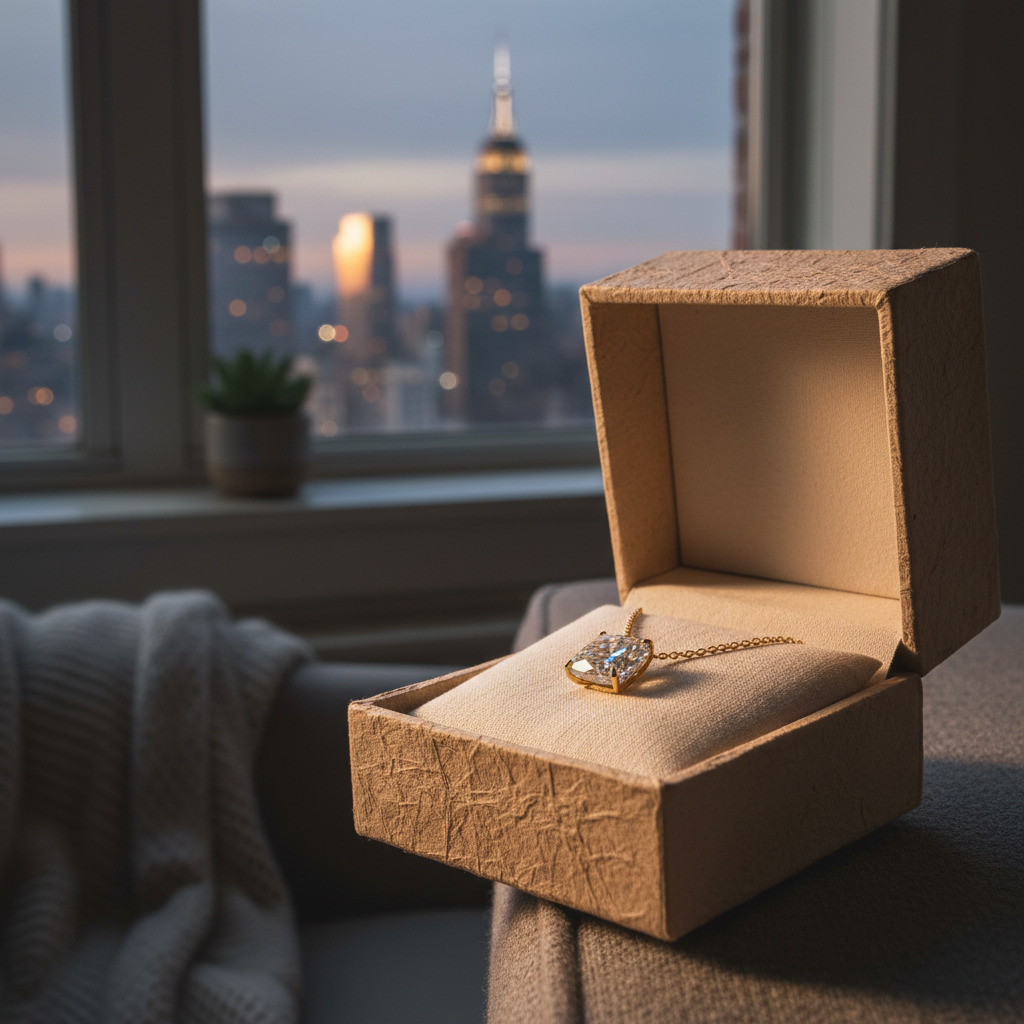
Local guide: choosing sustainable jewelry in Manhattan
In Manhattan and the wider New York County metro, sustainability favors readiness, sizing accuracy, and durable designs. Shopping in neighborhoods near major transit reduces extra trips, while Diamond2Deal’s in-stock selection supports single, fast deliveries that curb packaging and emissions.
Diamond2Deal’s showroom-adjacent address at 420 Madison Ave places us near transit and workplaces. That convenience helps you pick confidently, coordinate a single delivery, and reduce returns—practical steps with real impact in a dense city.
Local considerations for Manhattan
- Meet near Grand Central to review styles, confirm ring size, and plan one consolidated shipment.
- Avoid holiday rush packaging by ordering slightly earlier; New York winters and peak seasons can stretch carrier timing.
- When gifting near Bryant Park, choose durable clasps and low-profile settings that work for city commutes.
Best practices: sustainability checklist
Use this 10-point checklist to cut waste and maximize value: certified stones, recycled gold, excellent cut, durable settings, correct sizing, single shipment, right-sized packaging, care plan, repair support, and timeless style. Small decisions add up to a lower-impact, longer-lasting piece.
- Pick certified lab-grown stones (clarity, color, and cut details documented).
- Prefer recycled 14k/18k gold when available.
- Prioritize excellent cut for long-term sparkle.
- Match the setting to your lifestyle (low-profile for active wear).
- Confirm ring size and chain length before checkout.
- Combine items for one shipment when possible.
- Choose right-sized, recycled packaging options.
- Follow care guidance to reduce premature repairs.
- Leverage warranty and repair services for longevity.
- Favor timeless designs you’ll wear for years.
Ready to browse? Start with our curated lab-grown diamond jewelry collection and select a setting style that fits your day-to-day life.
Key questions to ask (HPHT vs CVD)
Ask how the diamond was grown, how it was graded, and which metal is used in the setting. Confirm cut proportions, durability features, and return/warranty terms. These answers reveal sustainability and quality in one conversation—before you ever open the box.
- Which method (HPHT or CVD) and what quality controls were used?
- Is the stone certified and are cut proportions documented?
- Is the gold recycled and which karat (14k or 18k)?
- What setting details prevent snagging, bending, or prong lift?
- What are the return window and warranty coverage? (Diamond2Deal: 30 days; 1-year warranty.)
- Do you offer next-day shipping on the specific style?
The Diamond2Deal difference: speed, value, and support
Diamond2Deal combines wholesale diamond manufacturing roots with a family-owned retail experience. That means certified lab-grown selection, thousands of in-stock styles with next-day shipping, education-first guidance, a 30-day return window, and a 1-year warranty—practical pillars of sustainable ownership.
We’ve served customers since 1998 with old-fashioned ethics and modern assortment. Our education focus reduces returns. Our ready-to-ship inventory helps you consolidate orders. And our support team stands behind every piece for the long haul.
- Certified selection across solitaires, three-stone rings, earrings, necklaces, and bracelets
- Thousands of in-stock styles for fast, single-ship fulfillment
- Education hub for 4Cs, metals, and sustainability
- Customer-first policies: 30-day returns and 1-year warranty
For shoppers comparing options beyond finished pieces, see how industry voices frame loose diamond strategies. Use that perspective while exploring our finished, certified lab-grown designs to simplify your path to a cohesive set.
Frequently asked questions
These quick answers cover what most buyers ask about lab-grown diamond sustainability: performance, ethics, and how to shop. Each answer is short, direct, and designed to help you make confident, low-waste choices.
Are lab-grown diamonds real diamonds?
Yes. Lab-grown diamonds have the same crystal structure and hardness as mined diamonds. They’re made by HPHT or CVD processes and graded for the 4Cs. The difference is origin and production method, not composition or brilliance.
Which is more sustainable, HPHT or CVD?
It depends on reactor efficiency, energy sources, and quality controls. CVD typically operates at lower pressures and can offer fine control, while HPHT concentrates energy into a press. Focus on certified stones and a seller that invests in efficient equipment and transparent policies.
How do I make my purchase more sustainable?
Pick certified lab-grown stones, choose recycled gold when available, confirm sizing, and consolidate shipments. Durable settings, care plans, and responsive warranty support extend the life of your jewelry and cut avoidable shipping and packaging.
Will a lab-grown diamond hold up to daily wear?
Absolutely. Diamond is diamond—lab-grown or natural. Choose a secure setting and follow simple care steps. Many New York customers wear lab-grown solitaires, studs, and tennis bracelets every day with excellent long-term performance.
Can I match lab-grown pieces over time?
Yes. Start with your preferred shape and cut quality for the engagement ring, then add complementary studs, a pendant, and a tennis bracelet later. Consistency in cut and color creates a cohesive, timeless set you’ll reach for often.
Key takeaways
Sustainable lab-grown jewelry is simple: choose certified stones, durable settings, and recycled metals, then ship once. Use education resources to reduce returns. The result is long-term sparkle with lower waste and a better ownership experience.
- Certification and cut quality drive lifetime sparkle and satisfaction.
- Recycled gold and right-sized packaging cut environmental impact.
- Confirmed sizing and single-ship logistics reduce returns and waste.
- Durable, low-profile settings are your friend for active city life.
- Education and support matter as much as the 4Cs.
Next steps
Explore certified lab-grown pieces, confirm your sizing, and plan a single, fast delivery. If you want guidance, our team is ready to help you compare options and finalize a timeless, sustainable choice that fits your life.
Browse the lab-grown diamond collection or learn in our education hub. Prefer a classic three-stone look? See this lab-grown three-stone engagement ring for an elegant, enduring style.