

Round Brilliant Cut Diamond: Get More Sparkle in 2026
A round brilliant cut diamond is the modern 57–58 facet diamond optimized for maximum light return and sparkle. It’s the most popular diamond shape for engagement rings because its facet pattern delivers bright white brilliance and colorful fire. From our Manhattan showroom at 420 Madison Ave, Diamond2Deal helps you choose natural or lab-grown options with confidence.
By Mit Trivedi, President — Diamond2Deal
Last updated: 2026-06-10
Overview
The round brilliant is a circular diamond design engineered to reflect light efficiently through 57–58 facets. Its symmetrical geometry maximizes brightness, fire, and scintillation, making it the top choice for engagement rings and fine jewelry. This guide explains cut science, lab-grown choices, grading, and step-by-step selection.
In this complete guide, you’ll learn how round brilliants are designed, what “Excellent” cut really means, and how to balance the 4Cs for beauty and value. We’ll use real examples from Diamond2Deal’s education-first approach and share checklists you can apply today.
- Clear definitions and why round brilliants dominate engagement rings
- How cut proportions affect sparkle you can see across a room
- Lab-grown versus natural round brilliants: what actually changes
- Grading insights, hearts-and-arrows patterns, and light performance basics
- Actionable steps to pick your stone and setting with confidence
What Is a Round Brilliant Cut Diamond?
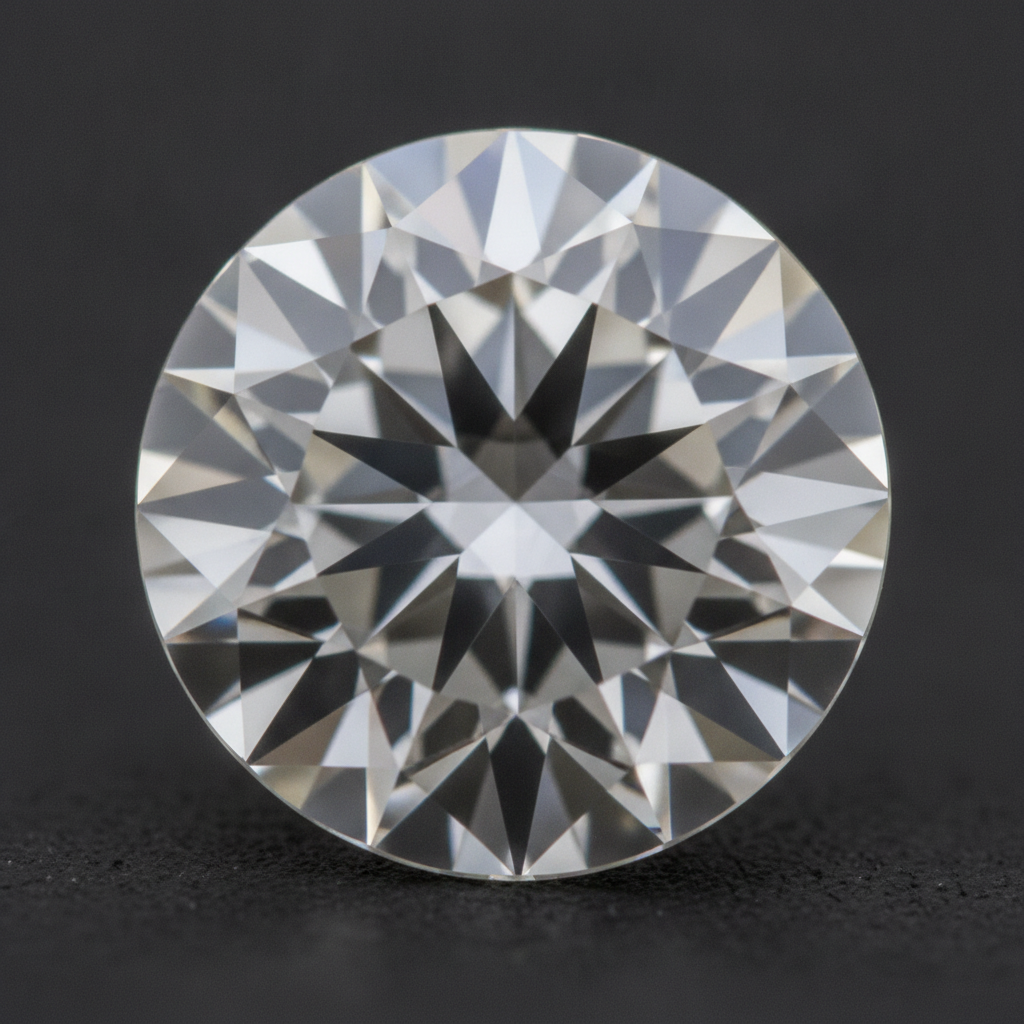
A round brilliant cut diamond is a symmetrical circular gem with 57–58 facets (58 with a culet). Its facet map is optimized to reflect light back to your eye, creating bright white brilliance and prismatic fire. It is the industry’s benchmark for sparkle and consistency in grading.
The modern round brilliant evolved from Marcel Tolkowsky’s 1919 analysis of angles and proportions for optimal light return. Today’s cutting blends math with artistry: crown angles, pavilion angles, table size, and symmetry work together to control how light enters and exits the stone.
Facets and proportions in plain English
- Facet count: 57 (no culet) or 58 (with culet).
- Key parts: Table, crown, girdle, pavilion, and culet.
- Typical targets: Table around mid-50s (%), crown angle near mid-34°, pavilion angle around 40.6–40.9° (ranges vary by lab and cutter).
- What you see: Balanced brightness (white light), fire (colored flashes), and scintillation (on/off sparkle as the diamond moves).
Cut grade versus the other 4Cs
- Cut drives sparkle: Even with high color and clarity, a poor cut looks dull. Prioritize cut first.
- Color and clarity: Adjust these relative to size and setting. Round brilliants hide color and inclusions better than many fancy shapes.
- Carat perception: Face-up size depends on diameter and girdle thickness, not just carat number.
Hearts-and-arrows symmetry
- What it is: A viewer pattern that reveals eight “hearts” from the pavilion and eight “arrows” from the crown in highly symmetrical round brilliants.
- Why it matters: Strong patterning often correlates with precise cutting and pleasing sparkle.
- How to check: Use a simple hearts-and-arrows scope; look for clean, evenly spaced shapes with minimal variation.
For a broader refresher on the 4Cs and how they interact, see this internal primer from our team’s diamond grading guide.
Why the Round Brilliant Matters for Engagement Rings
The round brilliant is the most forgiving, versatile, and sparkly diamond shape. It masks color and inclusions better than many fancy cuts, fits nearly any setting style, and remains timeless. In Manhattan and New York County, it’s the go-to for proposals that photograph beautifully day or night.
- Universal appeal: Round brilliants work with classic solitaires, halos, and three-stone rings.
- Color forgiveness: The facet pattern hides warmth better than elongated shapes.
- Clarity forgiveness: Brilliant faceting can disguise small inclusions away from the center.
- Setting flexibility: From cathedral solitaires to pavé halos, prong, bezel, or tension styles all flatter the round.
- Wearability: No sharp corners means fewer chip-prone points during daily wear.
Considering lab-grown? Our buyers often start with this roundup: lab-grown diamond rings guide, then narrow cut parameters using checklists below.
How the Round Brilliant Works: Light Performance, Simply Explained
Light enters the crown, reflects internally between pavilion facets, and returns to the viewer if angles are balanced. Too shallow leaks light from the bottom; too deep leaks from the sides. Round brilliants are engineered to funnel more light back to your eye for visible sparkle.
Think of the diamond as a tiny hall of mirrors. Pavilion angles act like precise ramps directing light. When angles and symmetry align, you’ll see strong brightness under diffused light and vivid fire under point light. Small shifts in angles (even tenths of a degree) can change the sparkle character.
- Brightness (white light): Dominant under daylight and soft indoor light.
- Fire (color dispersion): Visible as rainbow flashes under spotlights.
- Scintillation (sparkle pattern): The on/off glitter as you move the ring or your hand.
- Leakage risk: Shallow pavilions look glassy; steep pavilions look dark or “mushy.”
For a plain-language refresher on how the 4Cs shape what you see, many shoppers consult industry overviews like this 4Cs education summary when building a short list.
Types and Approaches: Natural vs Lab-Grown, Settings, and Certifications
Round brilliants come in both natural and lab-grown forms, and the optics are the same: carbon crystal diamond with identical physical and chemical properties. Your choice is about origin, certification, and personal values—not sparkle potential—when the cut is excellent.
Natural vs lab-grown round brilliants
- Optical parity: Both are real diamonds. With matched cut quality, you’ll see comparable brilliance and fire.
- Certification: Choose graded stones from respected labs. We emphasize transparent grading criteria and consistent reporting.
- Selection experience: Our lab-grown assortment pairs precise cutting with popular settings for quick, confident decisions.
Popular round brilliant settings at Diamond2Deal
- Classic solitaire: Timeless, maximizes the diamond’s presence.
- Hidden halo: Surprise scintillation from the side; sleek from the top.
- Three-stone: Round center with round or tapered baguette sides for balance.
- Cathedral and pavé: Elevates the diamond; micro-pavé adds extra sparkle.
- Bezel: Clean, modern, and protective for active lifestyles.
Curious about origin questions? Some readers compare reference articles like this lab-grown vs natural overview while browsing our own assortment and education hub.
Step-by-Step: How to Choose a Round Brilliant Cut Diamond
Start with cut quality, then balance color, clarity, and carat to fit your style and setting. Verify measurements and light performance, confirm grading, and preview the stone in different lighting. Finish by pairing it with a durable, beautiful setting you’ll love daily.
- Lead with cut: Target top cut and symmetry grades for visible sparkle.
- Dial in color: Pick a hue that looks bright in your preferred metal (white, yellow, or rose gold).
- Right-size clarity: Aim for eye-clean first; plot and videos help place inclusions away from the table.
- Check diameter: Verify face-up size relative to carat and girdle thickness.
- Assess light performance: Hearts-and-arrows views and 360° videos reveal patterning and leakage.
- Confirm grading: Read the full lab report; match inscription and measurements.
- Preview in mixed light: Look under diffused daylight and spot lighting before deciding.
- Choose a setting: Align style and lifestyle; solitaire, halo, three-stone, bezel, or pavé.
Want a quick comparison point? Many shoppers explore alternate shapes in our princess cut guide before locking in a round brilliant. Ready to see an example? Here’s a popular round solitaire with grading in 14K gold.
Round Brilliant vs Other Cuts: Quick Comparison
Round brilliants maximize all-around sparkle and versatility. Princess and cushion shapes emphasize bold or soft outlines, while ovals can face up larger but risk a bow-tie. Use this snapshot to match cut personality to your style before choosing your center stone.
| Attribute | Round Brilliant | Princess | Oval | Cushion |
|---|---|---|---|---|
| Facet count | 57–58 | Typically 57–76 | Varies (brilliant style) | Varies (modified brilliant) |
| Sparkle character | Balanced brilliance + fire | Crisp, flashy | Elongated flashes | Soft, chunky flashes |
| Bow-tie risk | Low | None | Medium to high | Low to medium |
| Corner durability | Excellent (no corners) | Lower (sharp corners) | Good (no corners) | Good (rounded) |
| Setting versatility | Very high | High | High | High |
| Face-up size feel | True to carat | True to carat | Looks larger | Similar to round |
If you’re still narrowing shapes, our team’s diamond jewelry guide explains how styling and metal color influence what you see day-to-day.
Best Practices: Care, Cleaning, and Everyday Wear
Keep your round brilliant sparkling with gentle home cleanings and routine professional checks. Use warm water, mild dish soap, and a soft brush weekly. Schedule prong inspections and ultrasonic cleaning periodically to maintain security and brilliance without scratching metal or loosening stones.
- At-home refresh: Soak in warm soapy water 15 minutes, brush under the crown, rinse, and pat dry.
- Avoid harsh chemicals: Skip bleach and abrasive cleaners that can damage metal and stones.
- Store smart: Separate compartments or soft pouches prevent scratches.
- Active moments: Consider a low-profile or bezel setting if you’re hands-on at work or the gym.
- Professional service: Periodic prong tightening and deep cleaning keep your ring secure and lively.
Shoppers often review clarity and color basics alongside care routines. For a quick refresher, here’s a concise color and clarity guide that outlines common ranges and what to expect visually.
Tools and Resources to Speed Up Your Decision
Use checklists, 360° videos, and grading reports to compare stones quickly. Focus on measurements and cut data, then verify eye appeal in natural and spot lighting. When in doubt, book time with a diamond expert to confirm your short list before you commit.
- Education hub: Start with our internal lab-grown diamonds guide for quick definitions and decision points.
- 4Cs overview: Use a plain-language 4Cs summary to prep questions for your appointment.
- Compare origins: This lab-grown vs natural article is a handy pre-read before you evaluate individual stones.
- Hands-on viewing: Hearts-and-arrows scopes, natural daylight, and overhead spot lighting reveal different aspects of performance.
- One-on-one help: Our team can walk you through short-listed stones and settings based on your timeline and style.
Soft CTA: Prefer guided shopping? Book a quick call with a Diamond2Deal expert and we’ll translate specs into what you’ll actually see on hand. We’re here to help you choose confidently.
Local Buying Tips for Manhattan & New York County
Shopping in Manhattan means fast timelines and bright city lighting. Prioritize cut that stays lively under spotlights and daylight, and take advantage of next-day shipping for in-stock settings. Our Madison Ave team helps you compare stones quickly so you can propose on schedule.
Local considerations for Manhattan
- Plan viewing around peak hours near Grand Central or Midtown; bring your short list to compare stones under office lighting and daylight.
- Holiday rushes and summer travel compress timelines. In-stock round brilliants with next-day shipping keep proposals on track.
- City lighting is harsh and varied. Evaluate stones under both diffused daylight and spotlight to mimic New York nights near Rockefeller Center.
Case Studies and Real Examples
These quick scenarios show how real buyers matched round brilliants to their style, timeline, and metal choices. Use them to visualize trade-offs and confirm which cut parameters matter most for your everyday life and proposal plans.
Manhattan proposal on a tight timeline
- Goal: Propose during a planned family visit this weekend.
- Approach: Select an in-stock lab-grown round with top-tier cut and an elegant solitaire.
- Outcome: Next-day fulfillment, ring photographed beautifully indoors and outdoors.
Active lifestyle, low-maintenance sparkle
- Goal: Durable daily wear for a hands-on healthcare role.
- Approach: Choose a round brilliant in a bezel or low cathedral setting with strong prongs.
- Outcome: Consistent sparkle, fewer snags, comfortable glove use.
Vintage-inspired three-stone elegance
- Goal: Classic look with modern performance.
- Approach: Round brilliant center with tapered baguettes; color-balanced side stones.
- Outcome: Timeless proportions with crisp, balanced brilliance.

Frequently Asked Questions
Here are clear answers to the most common round brilliant questions. Each response is concise and practical, so you can move forward with confidence.
What makes a round brilliant sparkle more than other shapes?
Its 57–58-facet design and precise angles return more light to your eye. Balanced crown and pavilion angles, strong symmetry, and minimal light leakage combine to produce intense brightness, fire, and scintillation in most lighting conditions.
Are lab-grown round brilliants real diamonds?
Yes. Lab-grown diamonds have the same crystal structure and optical properties as natural diamonds. With matched cut quality, both can deliver comparable brilliance and fire. Your choice comes down to origin preference, certification, and timing.
How do I choose color and clarity for a round brilliant?
Start with eye-clean clarity and a color that looks bright in your chosen metal. Round brilliants are forgiving, so you can often prioritize cut and face-up performance first, then fine-tune color and clarity relative to size and setting.
What settings work best with a round brilliant cut diamond?
Solitaire, halo, three-stone, pavé, and bezel settings all complement the round brilliant. Pick a style that fits your daily routine. If you’re active or wear gloves often, consider lower profiles or bezels for added security and comfort.
Key Takeaways
Prioritize cut for visible sparkle, then tune color and clarity to your metal and size. Verify measurements, patterning, and grading, and preview in varied lighting. Choose a setting that matches your lifestyle so your round brilliant looks great every single day.
- Cut quality first; it drives what you actually see.
- Round brilliants are versatile, durable, and timeless.
- Lab-grown and natural can look identical with matched cut.
- View stones under multiple lighting types before you decide.
- Pick a setting that fits your hand feel and daily routine.
Conclusion
The round brilliant cut diamond remains the gold standard for sparkle and everyday beauty. With a smart checklist, you can choose confidently, whether you prefer natural or lab-grown. Our Manhattan team is ready to help you compare stones, settings, and timelines with zero guesswork.
- Use the step-by-step list to narrow your short list fast.
- Lean on videos, hearts-and-arrows views, and grading to validate choices.
- Book expert time if you want a second set of eyes before you finalize.
Next step: Explore cut-first picks in our lab-grown diamond guide or preview a classic round solitaire example. When you’re ready, we’ll help you match the perfect stone to an enduring setting—right here in New York.