

Unique Ring Styles: Stand Out With a Bold Look in 2026
Unique engagement ring styles are design directions—like toi et moi, east–west settings, or vintage bezels—that create a personal, durable look. At Diamond2Deal in New York (420 Madison Ave, 5th Floor, Rm 500), we help you translate taste and lifestyle into a ring that feels one-of-a-kind and wears comfortably every day.
By Mit Trivedi — President, Diamond2Deal
Last updated: 2026-04-29
Quick Summary & Table of Contents
This complete guide breaks down what makes a ring feel unique, the most-requested modern and vintage directions, how lab-grown diamonds unlock bolder looks, and the exact steps to pick a style that lasts. Use it to shortlist designs fast and book an expert appointment with confidence.
- What “unique” really means in engagement design
- How center shapes, settings, bands, and metals change the vibe
- Top unique looks in 2026 with pros and lifestyle fit
- Best practices for durability, comfort, and daily wear
- Seven-step process from idea to ring
- How lab-grown diamonds expand your choices
- New York context: fast try-ons near transit and city-life tips
- Mini case studies, FAQs, and a practical checklist
What is a “unique engagement ring style”?
A unique engagement ring style is a deliberate mix of center shape, setting mechanics, band architecture, and metal finish that departs from standard templates. The goal is a personal visual identity that suits your lifestyle, feels comfortable, and stays secure for everyday wear.
When customers tell us they want something different, they usually mean one or more of the following design levers:
- Uncommon center shape or orientation: marquise, pear, cushion, radiant, or an east–west oval/emerald that immediately reads modern.
- Distinctive setting: toi et moi (two stones), bezel, tension, compass prongs, hidden halo, or a floating solitaire for negative-space drama.
- Architectural band: split shank, bypass, twisted, knife-edge, or cathedral shoulders with open galleries.
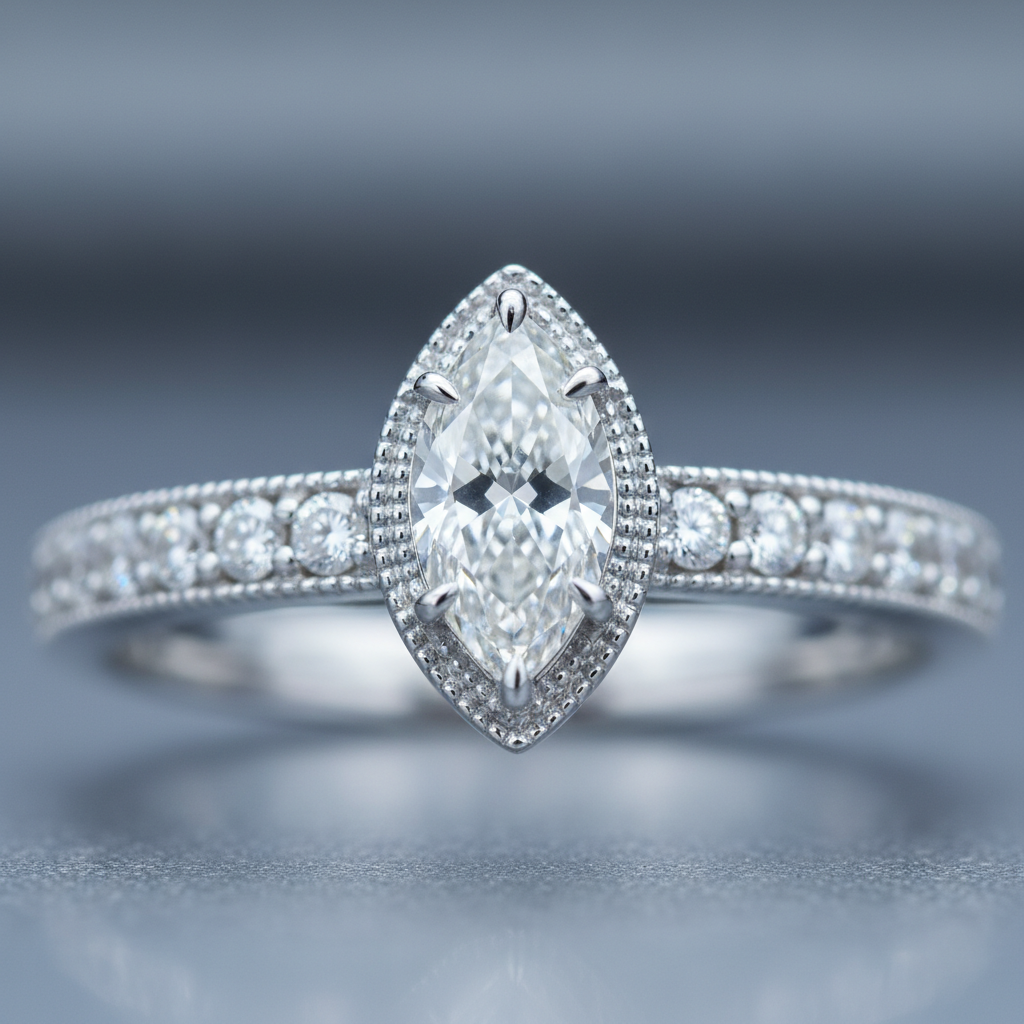
- Vintage language: milgrain edges, fine hand-engraving, filigree, and antique-inspired halos.
- Metal mood: two-tone gold, brushed/matte textures, or rich 18k yellow for warmth and character.
In our experience guiding thousands of shoppers, “unique” isn’t odd for the sake of it. It’s thoughtful editing—one or two bold choices—executed with craftsmanship so the ring looks unmistakably yours and holds up to daily life.
Why unique styles matter (meaning, wearability, and long-term confidence)
Unique engagement rings matter because they express your story, fit daily routines, and protect long-term confidence. When proportions, setting security, and certified grading align, the ring looks original, feels comfortable, and performs as a daily piece for years.
- Meaning you can see: Toi et moi can symbolize two paths; vintage halos nod to heirlooms; an east–west emerald reads sleek and modern.
- Daily comfort: Low-profile bezels resist snagging; comfort-fit interiors reduce finger fatigue on long workdays.
- Longevity by design: Robust bezels, claw prongs, and proper metal thickness help protect edges and resist warping.
- Confidence under the hood: Clear grading and disclosure remove guesswork when choosing larger fancy shapes or intricate side stones.
We’ve found couples decide faster once they map style to real life—commuting, gloves in winter, workouts, keyboards, and travel. For example, a low bezel with a 1–2 mm band taper often balances elegance with day-to-day practicality.
How unique designs work: the system behind the look
Distinctive rings come from coordinating four systems—center stone shape, setting mechanics, band architecture, and metal finish. Adjusting even one element can shift the ring from classic to modern. Balancing all four delivers originality without sacrificing security or comfort.
Center stone choices
- Fancy shapes: marquise (elongating vintage flair), pear (graceful drop), radiant (crisp edges + lively fire), cushion (soft corners).
- Orientation: east–west ovals/emeralds look streamlined; a north–south marquise feels regal and lengthening.
- Accent strategy: tapered baguettes (Art Deco geometry), pears (romantic shoulders), or colored gems (sapphires for contrast).
Setting mechanics
- Bezel: a protective metal rim encircling the stone—sleek, secure, snag-resistant.
- Prongs: classic, claw, or compass orientations maximize light return while securing tips and corners.
- Tension or floating: engineered negative space; ensure expert construction and periodic inspections.
- Hidden halo: micro-pavé tucked under the crown adds a glow without changing the silhouette from the top view.
Band architecture
- Split shank or bypass: frames the center, creating sculptural negative space.
- Cathedral: raised shoulders lift presence while preserving classic lines.
- Twisted/rope or knife-edge: introduces texture and playful light; pair with a comfort-fit interior.
Metal and finish
- Two-tone blends: bright white gold head for sparkle projection; yellow or rose band for warmth and contrast.
- Finish decisions: brushed/matte hides micro-scratches; high polish is mirror-like and formal.
- 14k vs 18k: 14k is typically a bit tougher for everyday wear; 18k delivers richer color saturation.
The magic is proportion. Slightly slimmer prongs, a 0.25–0.5 mm gallery tweak, or a 1–2 mm band taper can change the entire profile without compromising integrity when crafted well.
Types of unique engagement ring styles (with examples)
The most-requested unique looks in 2026 include toi et moi, east–west solitaires, bezel-set emeralds and ovals, hidden halos, vintage filigree pieces, and sculptural split-shank designs. Each balances originality with durability so the ring stands out and still wears comfortably every day.
- Toi et moi: two stones—often pear + oval or emerald + trillion—symbolizing two lives. Looks bold even at lower profiles.
- East–west solitaire: horizontal oval or emerald for a sleek, modern line; great with bezels or claw prongs.
- Bezel-set emerald/oval: minimalist and protective; ideal for active or glove-wearing routines.
- Hidden halo: sparkle tucked under the crown creating a private “glow” from the side.
- Vintage-inspired: milgrain, filigree, and hand-engraving for heirloom energy with modern engineering.
- Three-stone: center with tapered baguettes or pears; instantly classic with room to customize.
- Cluster or asymmetrical: organic mixed cuts for an artsy, one-of-a-kind composition.
- Cathedral or split-shank: architectural lines that frame the center elegantly.
- Tension or floating: engineered negative space—dramatic and modern when properly built.
- Colored accents: sapphires or champagne diamonds add hue contrast without overpowering the center.
Use this quick shortlist table to compare at a glance:
| Style | Distinctive element | Pairs well with | Lifestyle fit |
|---|---|---|---|
| Toi et moi | Two contrasting shapes | Open gallery, two-tone | Statement wearers |
| East–west solitaire | Horizontal orientation | Bezel or claw prongs | Minimalists, commuters |
| Bezel-set emerald | Sleek protective rim | Matte finish, comfort fit | Active, snag-averse |
| Hidden halo | Under-crown sparkle | Cathedral shoulders | Daily sparkle lovers |
| Vintage filigree | Milgrain + engraving | Old-world cuts | Heirloom feel |
| Three-stone | Tapered side stones | Classic prongs | Balanced presence |
| Cluster | Organic mix of cuts | Asymmetry | Artsy aesthetics |
| Split-shank | Framed center | Pavé accents | Bold architecture |
| Tension | Floating center | High polish | Modern drama |
| Colored accents | Hue contrast | Rose or yellow gold | Color enthusiasts |
Explore foundations in our engagement ring guide and compare center shapes in this solitaire styles explainer to see how small changes reshape the silhouette.
Best practices for choosing a unique ring that lasts
Choose a unique ring by matching style to routine, verifying grading, and prioritizing secure mechanics. Favor low profiles for active days, test comfort-fit bands, inspect prong integrity, and confirm lab-grown disclosures. A brief wear test and expert sizing session prevent spin, snags, and surprises.
- Start with lifestyle: Hands-on jobs or frequent gym sessions favor low-profile bezels and smooth gallery edges.
- Security first: Properly finished claw prongs or full bezels protect tips and corners; 4–6 prongs add redundancy.
- Comfort counts: Try a comfort-fit interior and check head height; a 0.5–1.5 mm adjustment can improve balance.
- Clarity sweet spot: Aim for eye-clean; invest where you can see it—excellent cut and good proportions.
- Transparent labeling: Ensure lab-grown diamonds are clearly disclosed and come with recognized grading.
- Plan the stack: If you want a flush-fit wedding band, confirm seat height and contour now to avoid gaps later.
Strengthen your decision with our diamond 4Cs guide and a quick consult to compare head heights and profiles side-by-side.
How to choose in 7 steps (from idea to “yes!”)
Move from inspiration to decision in seven steps: define your vibe, pick a center shape, choose setting mechanics, decide band architecture, select metal and finish, validate grading and fit, then confirm stacking. Following this order prevents rework and produces a cohesive, personal ring.
- Define your vibe: choose words—sleek, romantic, architectural, heirloom—that anchor choices.
- Pick a center shape: try oval, emerald, cushion, pear, radiant, or marquise on your hand.
- Choose setting mechanics: bezel, compass prongs, hidden halo, floating; test snag resistance.
- Decide band architecture: split shank, cathedral, twisted, bypass, or minimal.
- Select metal and finish: white/yellow/rose gold; brushed/matte or high polish.
- Validate grading + fit: confirm disclosure, eye-clean clarity, and comfort-fit sizing.
- Plan the stack: map wedding band contour; consider eternity or a subtle guard wrap.
We capture these choices in a shared checklist so nothing gets lost between inspiration and final delivery. For inspiration on symbolism, see this concise jewelry meaning overview.
How lab-grown diamonds expand unique style options
Lab-grown diamonds open creative possibilities—larger fancy shapes, intricate halos, and inventive side stones—while meeting the same optical and physical standards as mined diamonds. With clear disclosure and grading, you can prioritize the aesthetics you love and feel confident in your choice.
- Scale and cut freedom: Larger ovals or emeralds amplify east–west or bezel looks.
- Design experimentation: Toi et moi with matched shapes, colored accents, or asymmetry becomes more accessible.
- Education-first: Understanding the 4Cs helps you allocate value to what you actually see—cut and proportions.
- Traceable creation: Grown by controlled processes; always ask for transparent labeling and recognized grading.
Learn how lab-grown fits your vision in our lab-grown engagement ring guide and this note on diamond certification.
Choosing a unique ring in Manhattan, New York County
In Manhattan and New York County, unique ring shopping benefits from in-person try-ons, quick appointments near transit, and same-day decisions. At 420 Madison Ave, we pair education with hands-on testing so your choice works for city life from day one.
Our New York location makes it easy to compare shapes and profiles on a lunch break. With next-day shipping on thousands of in-stock styles and 25+ years of family-owned service, you can move from idea to decision quickly—without sacrificing education or craftsmanship.
Local considerations for Manhattan
- Time your fitting with transit: we’re steps from Grand Central, so you can try on rings and be back at your desk in under an hour.
- Seasonal planning: late-fall proposals and spring wedding timelines book up fast—reserve try-ons a few weeks ahead.
- City-life nuance: low-profile bezels and flush-set accents minimize snags on coats during Midtown commutes near Rockefeller Center.
Mini case studies: how couples made their rings unique
Real couples personalize rings by editing one or two high-impact elements—orientation, head height, or vintage detail—then confirming stacking and comfort. Small, intentional changes create an unmistakable look without sacrificing durability or daily wearability.
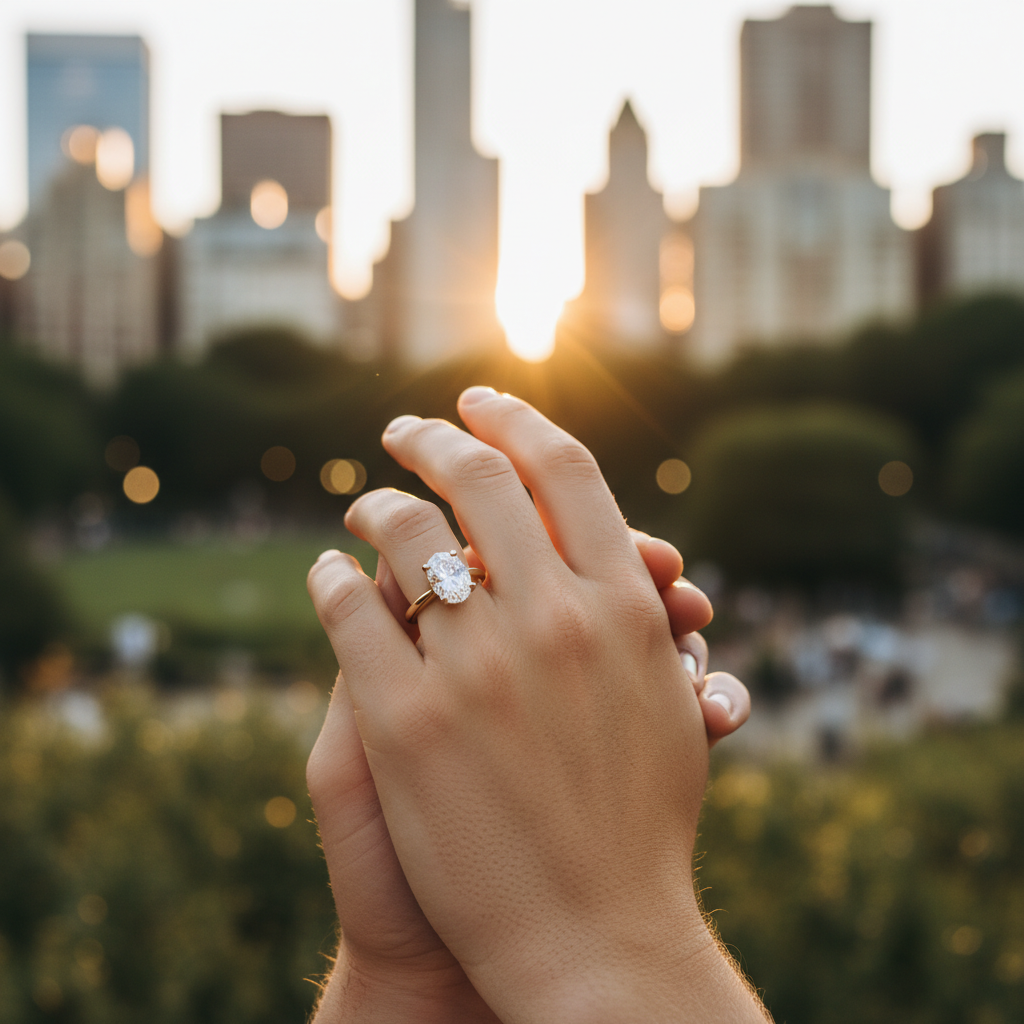
- East–west elegance (New York): She loved modern lines. We set an oval east–west in a slim bezel with a comfort-fit band for glove-friendly wear.
- Vintage glow: A marquise center with a milgrain halo and hand-engraved shank captured heirloom spirit while sturdy claw prongs protected tips.
- Toi et moi story: Pear + emerald represented two career paths. A low basket kept snagging minimal and ensured a balanced feel.
- Hidden-halo sparkle: From the top, a minimalist solitaire; from the side, micro-pavé tucked under the crown for a private “glow.”
Browse a classic halo example here: lab-grown halo engagement ring. For three-stone symbolism, see our three-stone meaning guide.
Want guidance? Book a 20-minute appointment with a Diamond2Deal expert to compare shapes, test profiles for snag resistance, and finalize a flush-fit stack. We’ll prepare styles that match your notes so you can decide in one visit.
Tools and resources to finalize your choice
Move from browsing to decision with education resources, curated collections, and quick appointments. Focus on the 4Cs, transparent labeling for lab-grown diamonds, and a flush-fit stack plan. A written checklist keeps your notes aligned across try-ons and conversations.
- Start with our engagement ring guide to learn foundations and shortlist styles by lifestyle.
- Compare lab-grown engagement insights with your preferred shapes and settings.
- Confirm grading and terminology via our diamond certification basics.
- Planning inspiration: a practical proposal ring guide and notes on upgrading old jewelry can spark creative ideas.
Frequently Asked Questions
Shoppers ask about durability, certification, and how to ensure a ring feels unique without adding maintenance. These quick answers help you shortlist styles and plan a hands-on try-on session.
What makes a ring look unique without feeling too trendy?
Blend one modern choice—like an east–west oval or hidden halo—with timeless structure such as a clean bezel or classic prongs. Keep proportions balanced, test comfort-fit sizing, and verify prong integrity so the style stays wearable and enduring.
Are lab-grown diamonds real diamonds?
Yes. Lab-grown diamonds share the same chemical composition and optical properties as mined diamonds. Ask for transparent labeling and recognized grading, then choose the cut and setting that match your lifestyle and aesthetic.
Which settings are most secure for active lifestyles?
Bezels and sturdy claw prongs provide strong edge protection and fewer snags. Keep profiles low, confirm prong finish, and consider a comfort-fit band. This combination protects corners and keeps the ring centered during daily activities.
How do I plan for a flush-fit wedding band?
Decide on the engagement ring’s seat height and gallery shape first, then test straight and contour bands. A quick try-on ensures no gaps. If needed, use a subtle guard wrap or a band with a slight contour to sit snugly without rubbing.
Can I mix metals or finishes and still look cohesive?
Yes. Keep the head in white gold for sparkle and use yellow or rose for the shank. Choose either consistent high polish or consistent brushed/matte. Matching details—like shared milgrain—tie the mixed elements together.
Key Takeaways
Match style to routine, prioritize secure mechanics, and verify grading. Then add one or two high-impact design choices—orientation, bezel, or vintage texture—to make it unmistakably yours. Confirm comfort and stacking early and finalize with an expert appointment.
- Map design to lifestyle first; comfort and security drive longevity.
- Pick one bold element and keep proportions balanced for daily ease.
- Understand the 4Cs and insist on clear labeling for lab-grown diamonds.
- Test head height and band contour to ensure a flush, snag-free stack.
- Use a short appointment to compare shapes and settings side-by-side.
Conclusion
Unique engagement ring styles come from a few smart, coordinated choices—not complexity. Edit one or two high-impact elements, verify comfort and security, and confirm stacking. With a brief, focused appointment, you can choose a ring that feels unmistakably yours—today and for decades.
If you’re ready to pare choices down to a confident “yes,” start with our engagement ring guide and line up a quick expert try-on near transit. We’ll help you decide faster with samples that fit your notes.