

1 Carat Cushion Cut Diamond Rings: What to Know in 2026
A 1 carat cushion cut diamond ring is a square-or-rectangular diamond with rounded corners and a brilliant facet pattern, set to showcase fire and sparkle around the 1.00 ct mark. At Diamond2Deal (420 Madison Ave, 5th Floor, Rm 500, New York), you can compare natural and lab-grown options, settings, and shapes to choose confidently.
By Mit — President, Diamond2Deal
Last updated: May 27, 2026
Above-Fold Overview
A 1 carat cushion cut diamond ring blends vintage curves with modern brilliance. This guide explains how to judge beauty and value, compare settings, and choose between natural and lab-grown diamonds—so you leave confident in your choice and ready to enjoy next-day shipping on many in-stock Diamond2Deal styles.
Here’s the quick roadmap to make your decision simple and smart.
- Learn what makes a cushion cut unique and how 1 carat looks on hand.
- See how the 4Cs, facet styles, and settings change sparkle and spread.
- Compare natural vs. lab-grown options and metal choices.
- Use our checklist, tools, and examples to shop with confidence.
- What is a 1 carat cushion ring?
- Why cushion cut matters
- How cushion cuts work
- Types, shapes, and settings
- Buying best practices
- Tools and resources
- Real-world examples
- Value factors (no prices)
- FAQ
- Key takeaways
- Conclusion + next steps
- Related reading
What Is a 1 Carat Cushion Cut Diamond Ring?
A 1 carat cushion cut diamond ring features a cushion-shaped diamond—soft, rounded corners and either square or elongated proportions—mounted in a ring setting. At roughly 1.00 carat, cushions often face up around 5.5–6.0 mm depending on cut depth and shape, delivering romantic sparkle with a vintage-meets-modern look.
Think of a cushion as the sweet spot between a round’s brilliance and a princess’s geometry. The silhouette feels timeless, and the curved corners are practical for daily wear. A 1 carat cushion cut diamond ring strikes a balance: noticeable presence without overwhelming your hand.
- Typical face-up size: ~5.5–6.0 mm for many 1 ct cushions (ranges vary by depth and length-to-width).
- Shape profiles: square (L/W ~1.00) or elongated (L/W ~1.05–1.20+).
- Facet styles: cushion brilliant (chunky flashes) and cushion modified (crushed-ice scintillation).
- Everyday wear: rounded corners reduce snag risk vs. sharp-corner cuts.
At Diamond2Deal, you’ll find both natural and certified lab-grown 1 carat cushion options across solitaire, halo, and three-stone designs—ready to ship fast when in stock.
Why Cushion Cut Matters for Your Style and Lifestyle
Cushion cuts matter because they pair soft edges with lively sparkle, wear comfortably day-to-day, and adapt to many settings. For Manhattan and New York County shoppers, the style bridges classic and current trends—ideal for city life where durability, brilliance, and personal expression all count.
Choosing a shape sets the tone for the entire ring. Cushions deliver warmth and romance, and they flatter a wide range of finger shapes. Because the corners are rounded, a cushion can be less prone to chipping than sharp-corner shapes during active routines.
- Style range: classic solitaire, delicate halos, vintage-inspired milgrain, or bold three-stone.
- Comfort and durability: rounded corners and secure prong options suit everyday wear.
- Visual presence: cushions trade a bit of spread for a deep, fiery look many people love.
- Personalization: choose square or elongated to match your aesthetic.
In our experience helping New York clients, many compare cushions with rounds and ovals. Rounds usually look a touch larger at 1 ct (~6.4–6.6 mm), while cushions showcase broad flashes or shimmering “crushed-ice” character—an intentional style choice.
How Cushion Cuts Work: Facets, Light, and Sparkle
Cushion cuts use a brilliant-style facet arrangement that directs light for fire and scintillation. “Cushion brilliant” patterns create distinct, chunky flashes; “cushion modified” patterns scatter light into fine sparkles. The cut’s depth, pavilion angles, and facet symmetry shape brightness and the face-up size you see.
Two cushions with the same carat weight can look different on hand because cut choices move weight above or below the girdle. Depth and table percentages influence spread (~mm size), while symmetry and polish refine sparkle. Elongated cushions can appear larger lengthwise even at the same carat.
-
Facet families:
- Cushion brilliant: bolder flashes, often preferred in solitaires.
- Cushion modified: fine, glittering “crushed-ice” look, popular in halos.
- Depth & table: balanced proportions help maintain brightness and avoid a shrunken face-up.
- Length-to-width (L/W): ~1.00 looks square; ~1.10+ creates elegant elongation.
- Optical symmetry: cleaner patterns bring more consistent sparkle across the stone.
If you like larger-looking face-up size in a 1 carat cushion cut diamond ring, consider moderate depth with an elongated L/W. If you love bold flashes, ask to compare cushion brilliant examples side by side with modified patterns.
Types, Shapes, and Settings (With Comparisons)
Your 1 carat cushion ring can be square or elongated, set as a solitaire, halo, three-stone, or vintage-inspired style. Each choice changes visual size, sparkle character, and daily comfort. Compare shapes and settings to find the right balance of presence, protection, and personality.
Popular shape directions
- Square cushion (L/W ~1.00): balanced look, pairs well with halos for maximum pop.
- Elongated cushion (L/W ~1.05–1.20+): finger-elongating elegance; can face up slightly larger.
Go-to setting styles
- Solitaire: minimal metal, all sparkle. Four or double-claw prongs are favorites.
- Halo: a fine diamond frame amplifies perceived size and adds sparkle at the edges.
- Three-stone: side stones add width and symbolism (past–present–future).
- Vintage-inspired: milgrain and engraving highlight the cushion’s antique roots.
- Pavé band: extra shimmer along the shank; micro-pavé feels delicate yet brilliant.
Shape and setting comparison
| Option | Perceived Size | Sparkle Character | Everyday Practicality | Notes |
|---|---|---|---|---|
| Square Cushion + Solitaire | Moderate | Bold flashes (brilliant) | High | Timeless choice; prong style changes the vibe. |
| Elongated Cushion + Halo | High | Fine scintillation (modified) | Moderate | Maximizes visual size; halo adds edge sparkle. |
| Square Cushion + Three-Stone | High (width) | Mix of flashes | Moderate | Side stones broaden presence; great for symbolism. |
| Elongated Cushion + Vintage | Moderate–High | Romantic, varied | Moderate | Engraving/milgrain bring antique charm forward. |
Want to see how these translate in person? Explore our education-first approach in the Engagement Ring Guide and compare examples in our articles on lab-grown engagement rings.
Best Practices for Choosing a 1 Carat Cushion
Prioritize cut quality and eye-clean clarity first, then choose color and metal for the look you love. View multiple stones side by side, compare L/W ratios, and try settings that maximize security and sparkle. Use a simple checklist to make a confident, personal choice.
Checklist: decide with confidence
- Cut and optics: seek bright, even sparkle without dark zones.
- Clarity target: many shoppers prefer eye-clean in the VS2–SI1 range.
- Color balance: neutral E–H pairs well with white metals; warmer tones can glow in yellow gold.
- L/W preference: square (~1.00) or elongated (~1.10+); compare on hand.
- Setting security: sturdy prongs or bezel for active lifestyles.
- Band style: plain, pavé, or hidden halo for added drama.
Shoppers who want sparkle-first impact often prioritize cut and pattern. A bright cushion with balanced depth shows lively fire. If you’re sensitive to color, pair near-colorless grades with 14k white gold; if you prefer warmth, 14k yellow or rose gold complements faint color beautifully.
Local considerations for Manhattan
- Stop by near Grand Central for an appointment window that fits a commuter schedule; you can also book virtual sessions.
- Holiday proposals surge in late November–December; plan a few weeks early to align with next-day shipping on in-stock styles.
- Urban wear-and-tear is real; choose protective prongs or a bezel if your day includes subway commutes and gym time.
Tools and Resources to Shop Smarter
Use side-by-side comparisons, education hubs, and certification guides to evaluate cushions efficiently. At Diamond2Deal, start with our engagement ring education and book a diamond expert appointment. Supplement with independent guides to the 4Cs and shape-setting best practices.
Education reduces guesswork. Start with our in-house materials and compare examples across shapes and settings. Then add external learning to reinforce your eye.
- Begin with our Engagement Ring Guide for 4Cs, metals, and sizing fundamentals.
- See how lab-grown fits your goals in our lab-grown engagement rings overview.
- Explore additional shape/setting education like this setting types explainer for vocabulary and visuals.
- Review 4Cs fundamentals using this concise 4Cs education guide to refresh terminology before you compare stones.
- When browsing beyond our site, this find-a-diamond reference shows a typical filtering flow that mirrors how many shoppers compare shapes, sizes, and qualities.
Prefer a guided path? Book an appointment with a Diamond2Deal expert for curated options based on your style, finger size, and timeline. Our team blends wholesale manufacturing roots with education-first service to make decisions fast and clear.
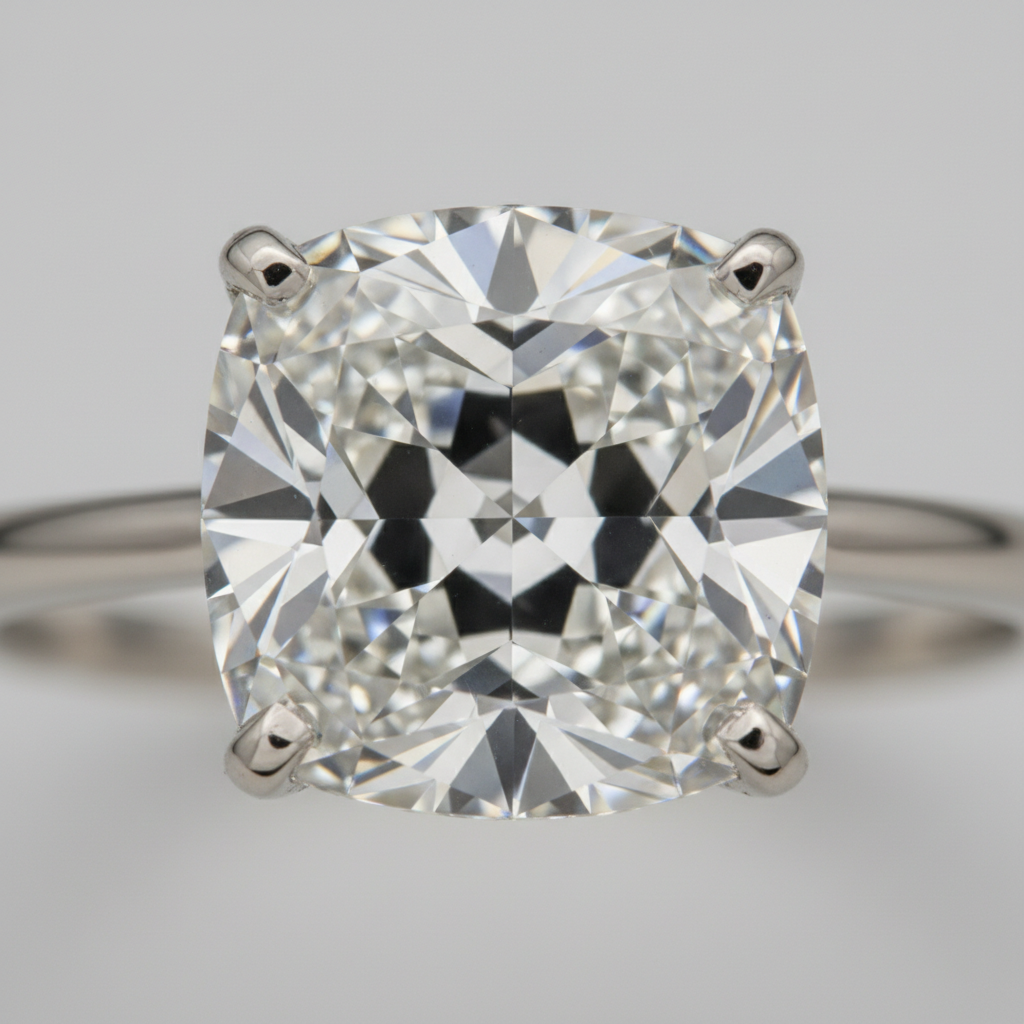
Real-World Examples (Mini Case Insights)
Seeing real choices helps you visualize trade-offs. These brief scenarios reflect how New York shoppers compare shape, setting, and lab-grown options—then finalize with quick fulfillment from our in-stock selection and education-driven support.
- Classic solitaire, lab-grown cushion: A Manhattan buyer chose an eye-clean, near-colorless lab-grown cushion in 14k white gold. The solitaire emphasized bold flashes, and next-day shipping kept a surprise proposal on track.
- Elongated cushion with halo: A commuter near Grand Central needed more finger coverage. An elongated cushion modified in a delicate halo delivered extra width and sparkle without changing carat weight.
- Three-stone symbolism: A couple who loved meaning picked a cushion center with tapered side stones to represent their journey. The result felt wider on the hand with balanced brilliance.
Each path started with a conversation about optics, lifestyle, and metal color. We often suggest trying square and elongated samples back-to-back, then evaluating halos and pavé for added presence.
Value Factors (Without Prices)
Value in a 1 carat cushion cut diamond ring comes from cut quality, eye-clean clarity, pleasing color, and a setting that protects the stone and elevates sparkle. Certification, metal choice, and in-stock availability shape timing and confidence—without discussing dollars.
Because cushions vary widely, it’s smart to weigh several value drivers holistically.
- Cut and proportions: control brightness and face-up size you actually see.
- Clarity visibility: eye-clean grades often look identical to higher clarity at arm’s length.
- Color perception: white metals flatter cooler tones; yellow/rose gold embrace warmth.
- Shape and L/W: elongated cushions can look larger on the finger at the same carat.
- Certification and grading language: keep records consistent across stones.
- Setting workmanship: strong prongs, smooth finishing, secure fit for daily wear.
If you’re deciding between natural and lab-grown, remember that both are real diamonds with identical physical properties. Many shoppers pick lab-grown for size-per-dollar value and sustainability focus; others choose natural for rarity. Either way, prioritize cut and overall look.
Shape Comparison: Cushion vs. Round vs. Princess
At 1 carat, rounds often face up ~6.4–6.6 mm, cushions ~5.5–6.0 mm, and princess cuts ~5.5–5.7 mm. Rounds maximize brightness and spread; cushions trade a bit of spread for vintage romance; princess shapes offer crisp lines with sharp corners that need protective settings.
| Shape (1 ct) | Approx. Face-Up (mm) | Look & Sparkle | Corner Safety | Setting Tips |
|---|---|---|---|---|
| Cushion | ~5.5–6.0 | Romantic, chunky or crushed-ice | Rounded corners | Claw prongs or bezel; halo for size boost |
| Round | ~6.4–6.6 | Maximum brightness | N/A (no corners) | All settings; thin halos add spread |
| Princess | ~5.5–5.7 | Sharp geometry, lively scintillation | Needs protection | V-prongs; consider bezel for durability |
Use this table to orient your eye, then compare hand shots. If you prefer the cushion’s character but want more coverage, try an elongated cushion with a slim halo.
How to Shop a 1 Carat Cushion at Diamond2Deal
Start with education, shortlist lab-grown and natural options, pick your shape (square or elongated), and preview settings that fit your lifestyle. Book a Diamond2Deal appointment for curated choices and leverage next-day shipping on many in-stock designs to meet your timeline.
- Refine your look: square vs. elongated; solitaire vs. halo/three-stone.
- Filter by 4Cs: target eye-clean clarity and color you love.
- Compare stones side by side: evaluate depth, pattern, and mm spread.
- Choose a setting: prongs, bezel, pavé, or hidden halo.
- Confirm fit and finish: finger size, profile height, comfort.
- Finalize details: timeline, shipping, and any engraving.
For extra context, skim this balanced overview of lab-grown vs. natural diamonds, then return to our curated selection with a clearer sense of your priorities.
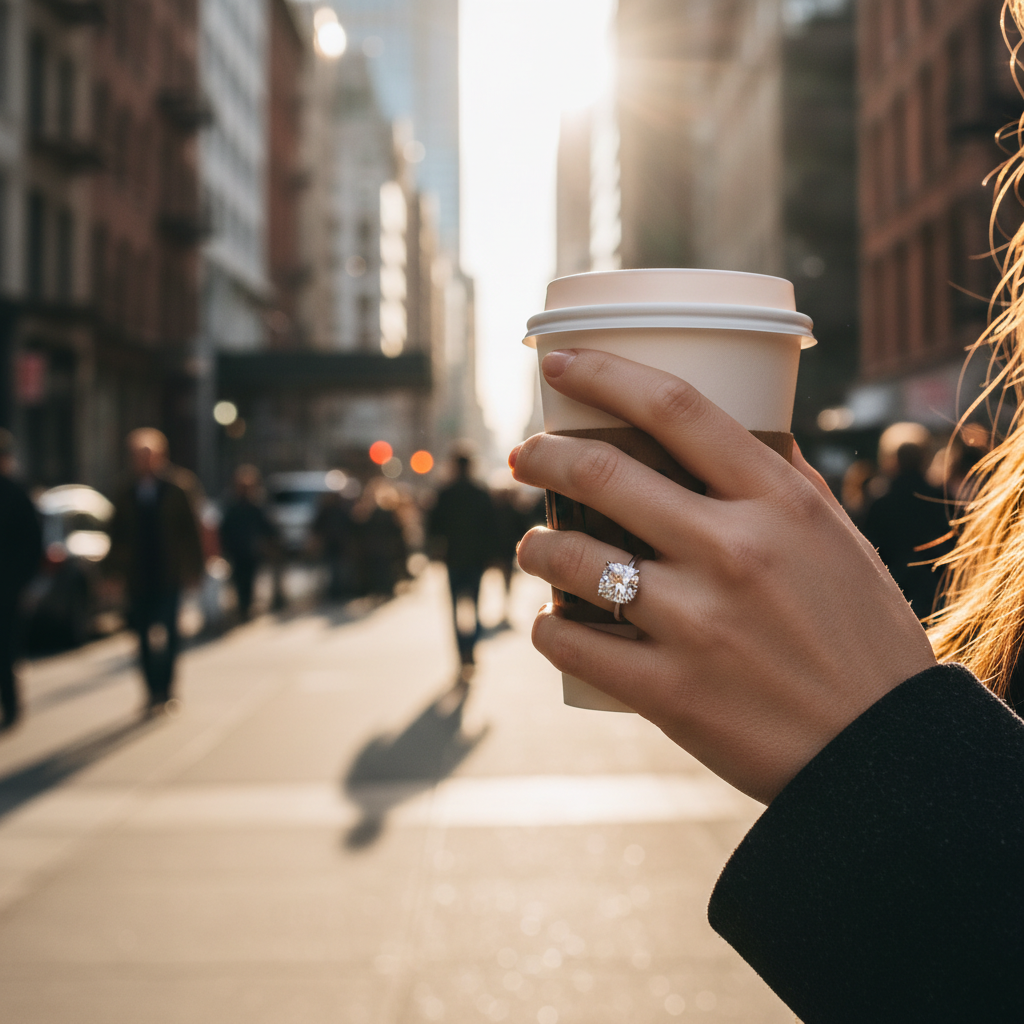
How GIA-Level Concepts Support Smart Cushion Choices
Understanding 4Cs language and grading concepts helps you compare cushions objectively. Pair that knowledge with on-hand viewing to judge pattern, brightness, and face-up size—then select the setting that enhances everything you love about your stone.
While “GIA diamond” often serves as shorthand for rigorous grading principles, the takeaway is consistent terminology and side-by-side evaluation. Reinforce your foundation with our Engagement Ring Guide and refresh shape/setting vocabulary via the setting types explainer.
Thinking It Through? Get a Curated Shortlist
If you’re between two or three 1 carat cushion options, a quick consult can save days of research. Share your style, finger size, and timeline—our team will assemble a tailored shortlist and walk you through trade-offs live or virtually.
Free planning session: Book a Diamond2Deal appointment to see curated 1 ct cushion possibilities, lab-grown and natural, plus setting pairings that match your lifestyle. We’ll help you compare optics, L/W, and security details in minutes.
Frequently Asked Questions
These quick answers address the questions we hear most about 1 carat cushion cut diamond rings—size on hand, clarity and color targets, lab-grown vs. natural, and how to maximize sparkle while keeping daily comfort.
Does a 1 carat cushion look smaller than a 1 carat round?
Usually yes. Many 1 ct rounds face up around 6.4–6.6 mm, while cushions often measure about 5.5–6.0 mm depending on cut. If you want more coverage with a cushion, try an elongated ratio or add a slim halo to increase perceived size.
What clarity and color should I target for a cushion cut?
Aim for eye-clean clarity; VS2–SI1 often works well. For color, near-colorless grades pair nicely with white metals, while faint warmth can glow in yellow or rose gold. Always compare stones in similar lighting to see what your eye prefers.
Is a lab-grown cushion different from a natural cushion?
Both are real diamonds with the same physical properties. The differences are origin and market dynamics. Many choose lab-grown for value and sustainability focus; others prefer natural for rarity. Judge each stone’s cut, pattern, and overall look first.
Square or elongated cushion—how do I choose?
Try both on. Square cushions feel balanced and classic; elongated cushions lengthen the finger and can appear slightly larger at the same carat. Compare L/W ratios around ~1.00 (square) and ~1.10+ (elongated) to see what flatters your hand.
Which setting best protects a cushion cut?
Secure prongs (often clawed) or a bezel provide strong protection. If you’re active or commute daily, consider a bezel or lower-profile setting. Halos add sparkle and perceived size, but confirm sturdy micro-pavé for long-term wear.
Key Takeaways
Focus on cut quality and eye-clean clarity, choose a shape ratio that flatters your hand, and pick a setting that balances sparkle with daily comfort. Compare lab-grown and natural options, then leverage Diamond2Deal’s education and fast fulfillment to finalize confidently.
- 1 carat cushions typically face up around ~5.5–6.0 mm; elongated ratios can look larger.
- Cut and pattern drive sparkle; clarity and color should look clean to your eye.
- Settings change presence: solitaire for minimalism, halo for size, three-stone for width.
- Use guides and appointments to compare quickly and clearly.
Conclusion: Your Cushion, Your Way
A 1 carat cushion cut diamond ring offers personality and romance with everyday comfort. When you understand proportions, clarity, color, and settings, you can choose with certainty—then enjoy swift fulfillment from Diamond2Deal’s in-stock selection and customer-first support.
Here’s the thing: your ring should fit your life and your look. Start by deciding on square or elongated. Next, focus on cut quality and an eye-clean appearance. Then choose a setting that suits your routine—whether that’s a claw-prong solitaire, a delicate halo, or a secure bezel.
Ready to see curated options? Visit Diamond2Deal online to explore our education resources, or book an appointment at our Madison Avenue location for guided comparisons. We’ll help you narrow choices in minutes and ship fast once you decide.
Related Reading to Continue Your Search
Reinforce your cushion knowledge with focused resources that clarify the 4Cs, lab-grown options, and setting styles. A quick review here makes side-by-side evaluations faster and more confident when you return to your shortlist.
Deepen fundamentals in our Engagement Ring Guide. For shoppers weighing origin, skim this balanced view on lab-grown vs. natural diamonds. Then revisit style inspiration in our lab-grown engagement rings overview and keep a shortlist handy as you evaluate sparkle, shape, and settings.