

Custom Rings: Get a Perfect Fit in 2026 Made Easy
Custom diamond engagement rings are bespoke designs built around your preferences for diamond shape, setting, and metal. At Diamond2Deal’s New York studio at 420 Madison Ave 5th Floor, Rm 500, you can plan a personalized ring with certified lab-grown diamonds and expert guidance—start-to-finish—so the piece fits your style and lifestyle.
By Mit, President — Diamond2Deal • Last updated: May 29, 2026
Start Here: Your Custom Ring Roadmap
Design a custom ring by clarifying priorities, choosing a diamond, selecting a setting and metal, and confirming sizing and timeline. Diamond2Deal streamlines this with an education-first consult, in-stock styles for inspiration, and certified lab-grown stones ready for fast fulfillment.
Here’s the thing—custom doesn’t need to be complicated. We’ll map your path from idea to “yes” day and show you where expert help saves time.
- What you’ll learn: the 4Cs, setting types, metals, and design steps.
- Why it matters: a safer, smarter decision and a ring you’ll love for decades.
- How we help: education hub, next-day styles, and bookable diamond-expert appointments.
Overview
- Custom workflow: discovery → diamond → setting → metal → sizing → quality check → delivery.
- Diamond basics: 1 carat equals 200 milligrams; round brilliant typically has 57–58 facets.
- Metal basics: 14K gold is ~58.5% pure; 18K is ~75%; platinum alloys are commonly ~95% pure.
What Is a Custom Diamond Engagement Ring?
A custom diamond engagement ring is a one-of-a-kind piece engineered to your specifications—diamond shape, carat, color and clarity, plus setting and metal. It combines personal design choices with professional craftsmanship to deliver a ring that fits style, lifestyle, and symbolism perfectly.
Put simply, “custom” means the ring starts with you. Your taste, your story, your daily routine—all translated into metal and stone.
- Core elements: center stone (shape, carat), setting (solitaire, halo, three-stone), metal (gold or platinum), and details (prongs, gallery, pavé).
- Why custom? Comfort, symbolism, and design control. For example, a low-profile bezel can sit closer to the finger for active lifestyles.
- Material facts: Diamond is Mohs hardness 10; its refractive index is about 2.42—key reasons it delivers intense sparkle and durability.
At Diamond2Deal, your choices are supported by a robust engagement ring guide and education-first appointments so you can ask anything, from prong options to wedding band fit.
Why Custom Matters in Manhattan and New York County
In Manhattan and New York County, custom rings balance personal style with real-world wear. Commuting, city activities, and dress codes shape design choices—think low-snag settings, durable metals, and certified stones. Local appointments and fast fulfillment keep your timeline on track.
City living has its rhythms—rush-hour trains, after-work events, weekend getaways. Your ring should handle them all elegantly.
- Daily durability: Low-set solitaires or bezels resist snags on sweaters and coats; platinum’s density helps retain prong shape over time.
- Security and certification: Lab-grown diamonds are optically and chemically identical to mined diamonds. Certifications (e.g., grading reports) document the 4Cs.
- Timeline realities: Milestones cluster around holidays; next-day in-stock styles can anchor your custom direction and keep schedules steady.
Local considerations for Manhattan
- Book appointments near landmarks like Grand Central to sync with your commute and keep design reviews efficient.
- Plan around winter gloves and summer humidity; a half-size adjustment can improve comfort across seasons.
- Weekday late-afternoon consultations near Rockefeller Center help you compare diamond options after work without weekend crowds.
How the Custom Process Works at Diamond2Deal
Our process starts with discovery, then diamond selection, setting and metal pairing, and a precise size confirmation. We verify details, perform a quality check, and finalize delivery. Education, certified stones, and fast fulfillment keep each step clear and on time.
We guide you step-by-step—no guesswork.
- Discovery: Style board, lifestyle notes, and ring size. Many clients reference solitaire or three-stone designs to begin.
- Diamond selection: Prioritize cut for sparkle. Near-colorless ranges (often G–J) and clarity from VS–SI deliver strong value.
- Setting pairing: Match shape to setting height and security. Four- or six-prong heads are common; bezels are great for active hands.
- Metal choice: 14K/18K white, yellow, or rose gold—versus platinum alloys (~95% purity) noted for weight and wear resistance.
- Fit confirmation: Request a comfort-fit shank if you prefer a gentler inner curve; many clients do for daily wear.
- Quality review: Stone seating, prong tension, and finish inspection under magnification.
- Fulfillment: Secure packaging, documentation, and insured shipment; thousands of in-stock styles speed timelines.
Prefer to talk it through? Book a one-on-one with a diamond expert. Our lab-grown engagement ring guide answers the most common questions you’ll bring to that session.
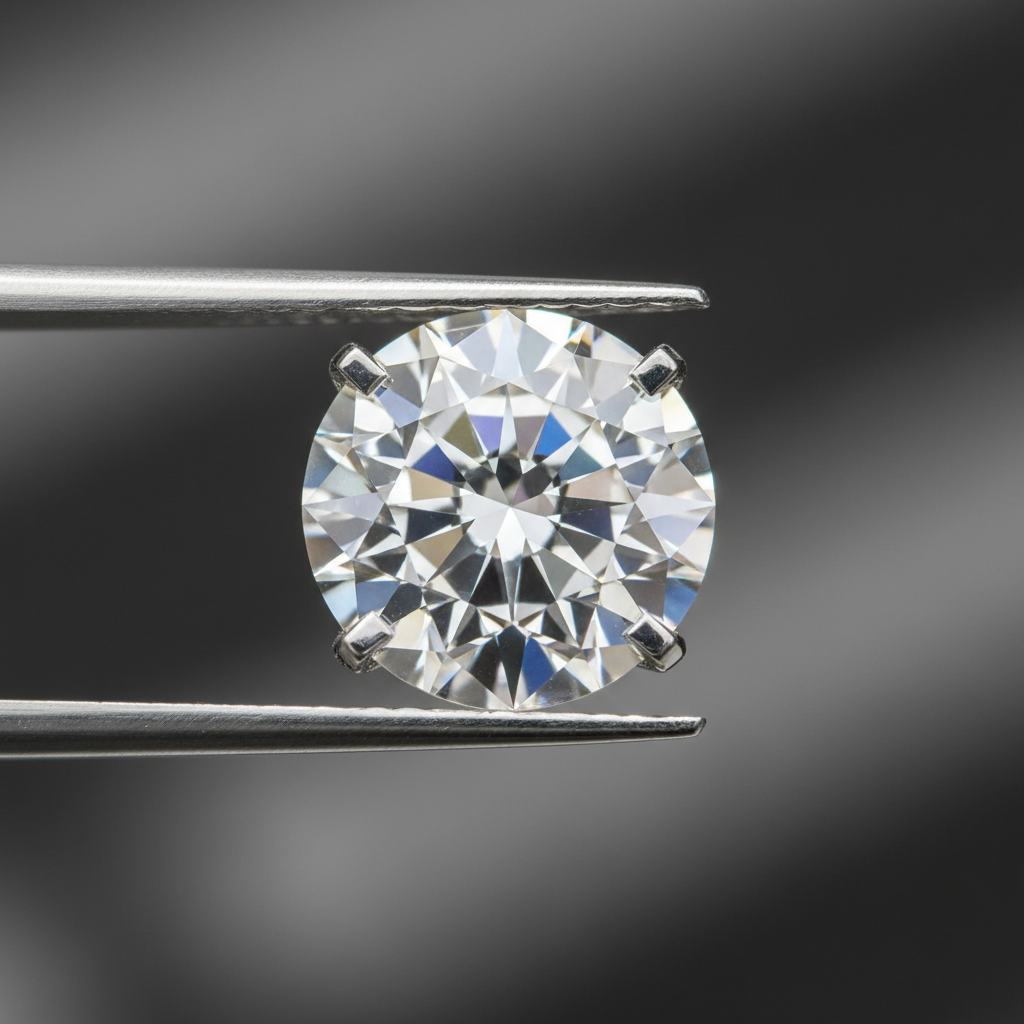
Diamond Education: The 4Cs You’ll Actually Use
Focus on cut for brightness and fire, then align color, clarity, and carat to your priorities. Round brilliant remains the top performer for sparkle, while ovals and cushions deliver size presence per carat. Lab-grown options provide certified quality with identical chemistry.
Cut (the sparkle driver)
- Round brilliant’s 57–58 facets maximize light return when cut proportions are excellent.
- Symmetry and polish grades signal finishing quality; aim for top marks where possible.
Color
- Near-colorless typically spans G–J; many pairs beautifully with white metals.
- Warmer tones (K–M) can complement yellow or rose gold for a vintage vibe.
Clarity
- VS–SI ranges often appear eye-clean in standard viewing conditions.
- Favor inclusions off-center and away from the table for visual cleanliness.
Carat
- 1.00 carat equals 200 milligrams; perceived size varies by shape and setting.
- Bezel and halo settings can enhance presence without adding carat weight.
Exploring shapes and settings? Our wedding ring guide also covers pairing your engagement ring with a future band for a cohesive set.
Types, Settings, and Approaches to Make It Yours
Choose among solitaires, halos, three-stone, and unique designs, then tailor prongs, gallery, and band profile. Pick 14K/18K gold or platinum for color and durability. Align shape and setting height to daily wear—low profiles for activity, elevated heads for maximum light.
Popular styles
- Solitaire ring: Clean, timeless focus on the center stone.
- Halo: A circle of accent diamonds adds visual spread and sparkle.
- Three-stone: Classic symmetry; side stones can be pears, trillions, or rounds.
- Unique engagement rings: Mixed metals, east-west settings, hidden halos, sculpted galleries.
Metals and finishes
- 14K gold (~58.5% pure): Durable everyday choice; popular in white, yellow, and rose.
- 18K gold (~75% pure): Richer gold tone; slightly softer than 14K.
- Platinum (~95% purity): Dense, naturally white; forms a protective patina over time.
Setting details that matter
- Prong count: Four shows more stone; six adds security. Double-claws sharpen a vintage feel.
- Profile: Low profiles reduce snags; cathedral shoulders elevate presence.
- Band: Comfort-fit interiors and tapered shanks improve wearability.
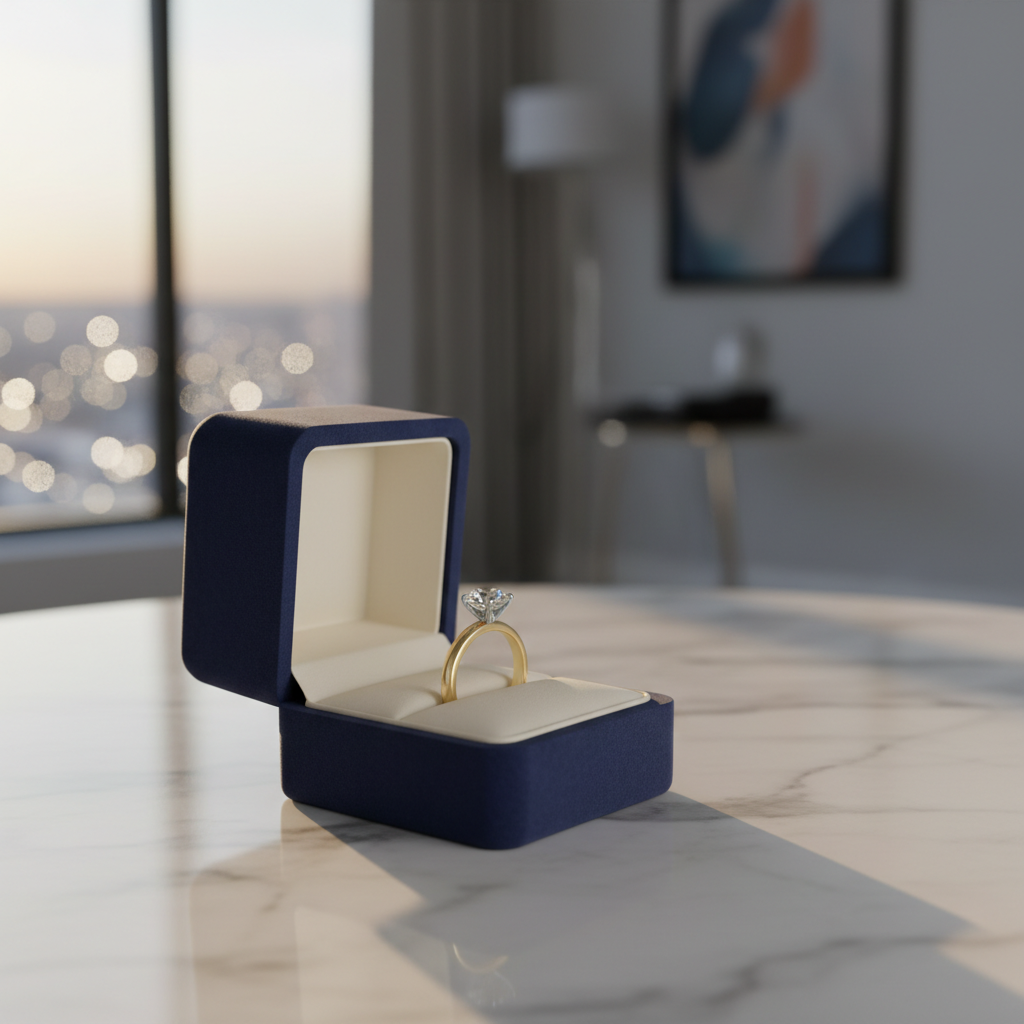
Looking for complementary pieces? See our in-depth eternity rings style guide to plan your future stack with balance and comfort.
Best Practices We Recommend
Prioritize cut, match metal to lifestyle, keep profiles practical, and confirm comfort-fit sizing. Document your diamond specs and ring measurements, and schedule a routine cleaning. These habits protect sparkle, structure, and long-term satisfaction.
- Start with a vision: Save three to five styles you love; this speeds discovery and improves outcomes.
- Cut first: Light performance drives beauty—especially under mixed city lighting.
- Height vs. hands-on work: Choose low to medium settings if you’re often active.
- Metal match: Platinum for maximum durability; 14K for a balanced everyday option.
- Sizing note: Fingers can fluctuate slightly with temperature; recheck size at different times of day.
- Maintenance: Periodic inspections help retain prong tension and brilliance.
We’ve found that a brief checklist before checkout—stone specs, metal, profile, ring size—prevents 99% of post-purchase adjustments clients worry about.
Tools, Resources, and Where to Learn More
Use Diamond2Deal’s education hub, appointment booking, and in-stock collections to explore stones and settings. Supplement with third-party overviews on stone shapes and setting types to compare options from different angles.
Learning empowers better design choices. Browse, ask, and compare.
- Explore our in-depth engagement ring guide for shapes, settings, and sizing.
- Review style examples in our lab-grown engagement rings article.
- Skim an external setting types overview to compare terminology.
- Use an external stone selection explainer for alternate visuals as you learn.
- If redesigning heirlooms, this external heirloom-to-new guide outlines typical considerations.
Lab-Grown vs. Mined: The Practical Differences
Lab-grown and mined diamonds share the same crystal structure and Mohs hardness (10). The practical differences show up in sourcing and availability. Many buyers choose certified lab-grown stones for value and transparency while keeping identical beauty and durability.
| Aspect | Lab-Grown Diamond | Mined Diamond |
|---|---|---|
| Chemistry | Pure carbon, same as mined | Pure carbon |
| Hardness | 10 on Mohs scale | 10 on Mohs scale |
| Availability | Consistent sizes and shapes | Varies by deposit |
| Certification | Grading reports available | Grading reports available |
Want practical shopping tips? Our article on lab-grown engagement rings breaks down how to balance beauty and budget without compromising quality.
Mini Case Studies: Real-World Scenarios
Three quick scenarios show how priorities change designs: a low-profile bezel for an active New Yorker, a three-stone upgrade for symmetry lovers, and a halo to boost presence without extra carat weight. Each path follows the same clear, documented steps.
Case 1: The on-the-go Manhattan professional
- Need: Low-snag design for daily subway commutes and gym sessions.
- Solution: Round brilliant in a full bezel, 14K white gold, comfort-fit band.
- Result: Secure stone seating, smooth edges, and easy glove wear in winter.
Case 2: The symmetry lover
- Need: Classic balance with side stones to frame the center.
- Solution: Three-stone with matching rounds, 18K yellow gold, medium profile.
- Result: Timeless proportions and strong finger coverage without a high setting.
Case 3: The presence-maximizer
- Need: More visual spread without pushing carat weight.
- Solution: Oval center with a micro-pavé halo in platinum.
- Result: Larger look per carat and crisp contrast from a naturally white metal.
Ready to explore settings? Compare inspirations, then book a short consult so we can translate preferences into a precise specification sheet.
Your Step-by-Step Custom Checklist
Use this checklist to progress confidently: define style, set diamond priorities, pick a setting, choose metal, confirm sizing, and document every spec. Review timelines and delivery logistics at the end to keep everything on schedule.
- Save 3–5 favorite styles from our collections for a shared visual language.
- Rank your 4C priorities: cut → color → clarity → carat (or your preferred order).
- Choose a setting: solitaire, halo, three-stone, or a unique design cue.
- Select metal: 14K/18K gold or platinum; match tone to skin and wardrobe.
- Verify size: consider comfort-fit and seasonal finger changes.
- Record specs: diamond shape, carat, color, clarity, cut, prongs, profile, finish.
- Plan care: gentle cleaning at home and periodic professional inspections.
Soft CTA: Prefer a guided path? Book a quick appointment with a Diamond2Deal expert and bring your saved styles. We’ll align the design and timeline, then finalize specs together.
Sizing, Comfort, and Daily Wear
Comfort-fit bands reduce pressure points, low profiles reduce snags, and proper sizing prevents rotation. Small tweaks—like tapered shanks or six-prong heads—make big differences in daily comfort and security over years of wear.
- Comfort-fit: A rounded inner wall often feels easier to wear over long hours.
- Balance: Wider bands can stabilize larger centers and halos.
- Seasonal variance: Heat, hydration, and activity subtly affect fit—verify size across different days.
- Security: Periodic prong checks maintain stone stability, especially on elevated heads.
Pairing the engagement ring with the right band matters too; see our wedding ring guide for flush-fit and contour options.
Care, Cleaning, and Lifetime Upkeep
Gentle home cleaning plus professional inspections preserve brilliance and structure. Avoid harsh chemicals, and store rings in separate pouches or dividers. Over time, platinum develops a protective patina, while gold benefits from periodic polishing.
- At-home cleaning: Mild dish soap, warm water, and a soft brush; rinse and pat dry.
- Professional checks: Catch loose prongs or wear on the underside of the band.
- Storage: Keep pieces apart to prevent micro-scratches.
When you’re ready to expand your stack, explore our classic diamond eternity band insights for pairing ideas that age gracefully.
Frequently Asked Questions
These quick answers address the most common custom-ring questions—timelines, certification, metal choices, and whether you can redesign heirlooms. For deeper dives, schedule an appointment so we can tailor guidance to your style and timeline.
What does “custom” include for a ring?
Custom covers the center stone selection, setting style, metal type, and small details like prong shape, gallery design, and finish. We document each spec—shape, carat, color, clarity, cut, profile, and ring size—so the final piece matches your plan exactly.
Are lab-grown diamonds durable enough for daily wear?
Yes. Lab-grown diamonds share the same crystal structure and Mohs hardness (10) as mined diamonds. They’re equally suited to daily wear, and grading reports document the 4Cs just like mined stones.
Which setting is most secure?
Bezels fully surround the stone’s edge, offering excellent protection and a smooth profile. Six-prong heads are also very secure while keeping much of the stone visible. The right choice depends on your activity level and design goals.
Can I redesign an heirloom ring or reuse a diamond?
Often yes. We’ll assess the stone and metal, then propose settings that respect the original while improving daily wear. Bring the piece to an appointment so we can evaluate prong integrity, sizing, and structural needs.
Conclusion
Custom rings succeed when design priorities, diamond specs, and daily-wear realities are aligned. With an education-first consult and certified stones, you get clarity at each step—and a ring that feels as good as it looks.
- Key takeaways: cut first, practical profile, documented specs, and routine maintenance.
- Next step: Save 3–5 inspirations and book a quick consult to finalize details.
Ready to begin? Explore our guides and examples, then meet us in Midtown Manhattan to shape your one-of-a-kind design.
Related Articles
Explore adjacent topics to round out your plan: ring pairing, setting types, and lab-grown diamond fundamentals. When you’re informed, design decisions feel easier and timelines stay on track.
Dive deeper into ring pairing and long-term wear, compare setting styles from multiple sources, and review lab-grown fundamentals before you choose your center stone and metal.