

Gemstone Jewelry Buying Guide: Choose Better Stones in 2026
Gemstone jewelry buying guide is a practical framework for choosing colored stones and diamonds by verifying quality, treatments, and durability. From our Manhattan base at 420 Madison Ave, Diamond2Deal helps shoppers compare options, confirm certifications, and match styles to daily wear—so you buy the right piece the first time.
By Mit, President — Diamond2Deal
Last updated: May 15, 2026
Quick Summary
Use this gemstone jewelry buying guide to evaluate color (hue, tone, saturation), durability (Mohs hardness), common treatments, and setting styles. Verify disclosure, match the gem to daily wear, and lean on trusted education resources. This practical checklist helps you move from inspiration to a confident purchase.
- What you’ll learn: how to judge color quality, durability, clarity types, and cut for colored gems and diamonds.
- Fast filter: start with favorite color, set a daily-wear goal, pick a setting that protects the stone, then verify treatments.
- Durability map: diamond 10, sapphire/ruby 9, spinel 8, emerald 7.5–8, morganite 7.5–8, opal 5.5–6.5 on the Mohs scale.
- Fit + feel: common chain lengths are 16, 18, and 20 inches; popular ring widths range from 1.5–3.0 mm for delicate bands.
- Where to dig deeper: explore our concise gemstone guide for quick definitions and visual examples.
What Is Gemstone Jewelry?
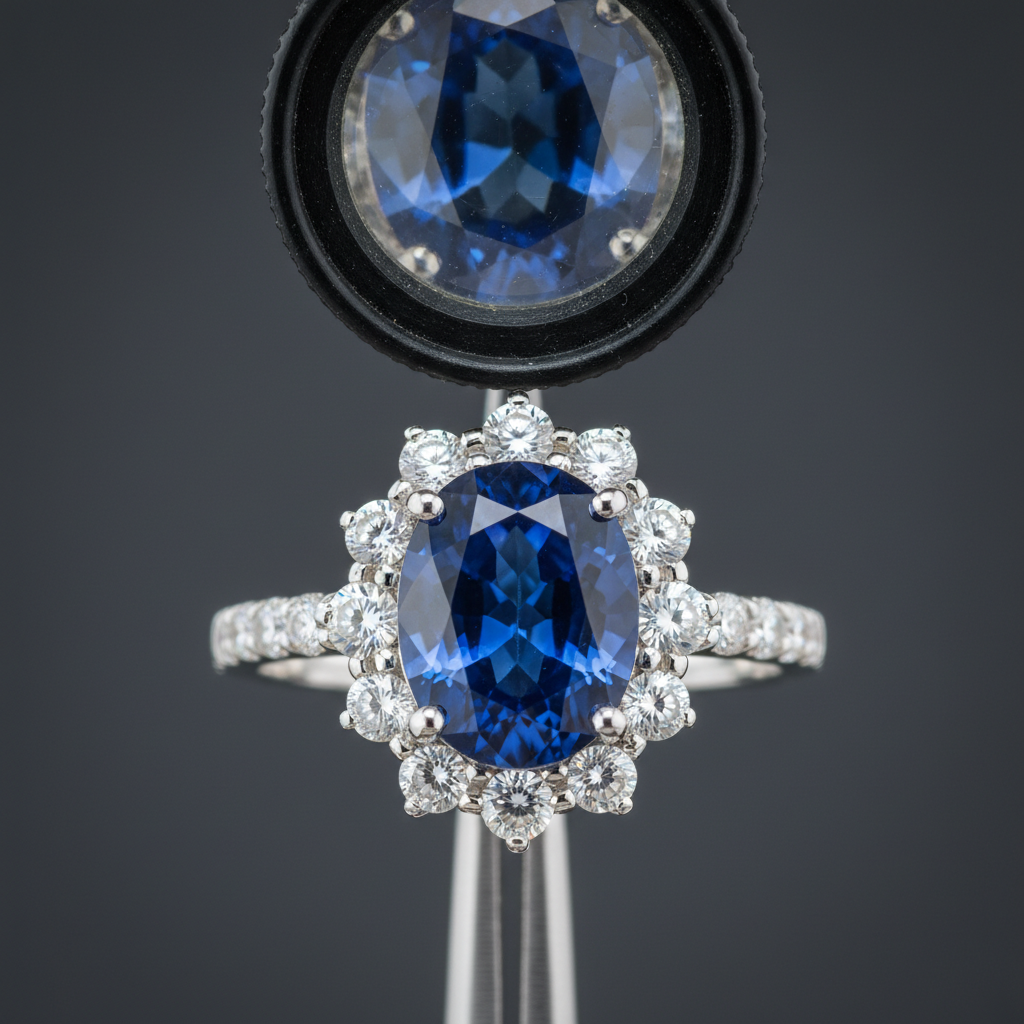
Gemstone jewelry is wearable design—rings, earrings, necklaces, bracelets—featuring precious and semi‑precious stones set in metal. It includes diamonds, sapphires, rubies, emeralds, and birthstones. Quality hinges on color, clarity type, cut, and durability. The right combination balances beauty, strength, and comfort for the wearer.
At Diamond2Deal, gemstone jewelry spans engagement rings, eternity and anniversary bands, studs and hoops, tennis bracelets, and pendant necklaces. Our selection includes certified lab-grown diamonds alongside classic colored stones.
- Diamonds vs colored stones: both are gemstones. Diamonds lead on hardness (10 Mohs) and brightness; colored gems emphasize pure, vivid color.
- Common families: corundum (sapphire, ruby) at 9 Mohs; beryl (emerald, aquamarine) at 7.5–8; spinel at 8; quartz (amethyst, citrine) at 7; opal at ~5.5–6.5.
- Settings matter: prong, bezel, channel, pavé, halo, and tension each change how much light enters—and how protected the stone is.
- Metals you’ll see: 14k and 18k gold (white, yellow, rose) and sterling silver; hypoallergenic settings are often white gold or platinum-look finishes.
Want a refresher on diamond fundamentals? Our diamond 4Cs guide explains color, clarity, cut, and carat with plain‑English examples that transfer well to color‑forward gems.
Why a Gemstone Jewelry Buying Guide Matters
This guide protects your purchase. It helps you avoid fragile stones for daily wear, recognize common treatments, pick protective settings, and confirm disclosures. With a few objective checks—hardness, color quality, and craftsmanship—you reduce returns, repairs, and regret while maximizing long‑term enjoyment.
- Daily-wear truth: rings take more hits than necklaces. A 9 Mohs sapphire resists scratches far better than a 6 Mohs opal in a high‑set ring.
- Transparency check: many colored gems undergo heat, oil, or diffusion. Ethical sellers disclose these so you can clean and care for pieces correctly.
- Longevity focus: bezel and halo settings shield edges; lower profiles snag less. Small design choices add years of comfortable wear.
- Confidence boost: when you understand cut proportions, facet alignment, and prong integrity, you can quickly separate solid craftsmanship from shortcuts.
In our experience, most returns trace back to a mismatch between lifestyle and stone or setting. Pairing a durable gem with the right mounting is the simplest fix.
How Gemstone Quality Works (Color, Clarity, Cut, Carat)
Evaluate gemstones by color (hue, tone, saturation), clarity type, cut quality, and carat weight. For color, aim for pure hue, medium tone, and strong saturation without blacking out or washing out. Well‑cut stones return light efficiently and face up bright, while durable clarity types suit daily wear.
Color: hue, tone, saturation
- Hue is the basic color (e.g., blue sapphire). Secondary hues—like slight violet—can enhance or reduce value depending on intensity.
- Tone measures lightness/darkness (0–10 conceptual scale). Mid‑tones (around 4–6) often look liveliest in natural light.
- Saturation gauges intensity; moderate‑to‑strong saturation reads vivid without looking inky.
Clarity: what’s typical vs risky
- Type II stones like sapphire and ruby usually have minor inclusions; eye‑clean pieces exist and wear well.
- Type III stones like emerald often show visible inclusions; oiling is common. Favor protective settings and mindful cleaning.
- Structural risks: large feathers, cleavage planes (e.g., in emerald), and surface‑reaching fractures can reduce durability.
Cut: brightness and wearability
- Brilliance basics: precise angles and polished facets improve light return. Symmetry errors dull sparkle and create windowing (see‑through centers).
- Shapes and protection: rounds resist chipping; ovals elongate; pears and marquise need tip shields; emerald‑cut shows clarity honestly.
- Face‑up size: depth percentages affect spread. Shallow stones can appear larger but may leak light.
Carat: size vs proportion
- Weight vs size: 1.00 ct is 0.2 g. Face‑up mm size varies by cut depth; verify dimensions, not just carat.
- Practical ranges: studs commonly span 4–6 mm per stone; pendants 5–8 mm centers; ring centers vary widely by style and finger size.
- Comfort math: wider bands (e.g., 3–5 mm) distribute weight better for daily use than razor‑thin shanks.
For diamond‑specific nuance, see our diamond carat guide and the full 4Cs breakdown. You’ll apply similar logic to colored gems: verify brightness, balance tone, and check for durability red flags.
Types, Methods, and Common Treatments
Gemstones come as natural, lab‑created (chemically identical in a lab), or assembled/treated. Routine enhancements like heat can be stable; others—diffusion, fracture filling, or heavy oiling—affect value and care. Always ask for written disclosure, then choose protective settings that match the stone’s hardness and toughness.
Natural, lab‑created, and assembled
- Natural: mined stones with unique inclusions and origin stories.
- Lab‑created: grown with the same crystal structure and chemistry as natural (e.g., lab sapphire, lab ruby, lab‑grown diamond).
- Assembled/treated: doublets, triplets, and composites that combine layers or use fillers to alter appearance.
Common treatments and what they mean
- Heat (sapphire/ruby): improves color/clarity; generally stable.
- Oil/resin (emerald): reduces appearance of fractures; may need re‑oiling after years of wear.
- Diffusion (sapphire): color induced near surface; recutting can remove color zones.
- Fracture filling (diamond/others): fills cracks to boost clarity; avoid ultrasonic cleaning.
Prefer sellers who document treatments plainly on product pages and receipts. For background reading on colored‑stone basics and the diamond 4Cs, see these concise industry explainers such as this 4Cs overview and a side‑by‑side lab‑grown vs natural comparison. When you’re browsing shapes and proportions, a quick shape filter like this find a diamond tool helps visualize size differences.
Settings, Metals, and Style Decisions
Choose settings that protect edges and complement the gem’s personality. Prong and halo maximize light; bezels and low profiles improve snag resistance. Pair 14k or 18k gold color with your skin tone and wardrobe. For daily wear, prioritize secure prongs, solid shanks, and smooth gallery work.
- Prong/halo: bright look, easy resizing. Add claw tips for pears/marquise.
- Bezel: wraps the girdle; superb for softer gems and active lifestyles.
- Channel/bar: streamlined lines for bands and tennis bracelets.
- Metal color: white gold emphasizes cool tones (sapphire, aquamarine); yellow or rose warms rubies and morganite.
- Comfort details: rounded interior shanks, slim but sturdy prongs (~1.0–1.2 mm), and finished edges reduce irritation.
For ring‑forward shoppers, our engagement ring guide covers profiles, prongs, and lifestyle trade‑offs with side‑by‑side visuals.
Best Practices: A Step‑by‑Step Buying Process
A reliable buying process compresses research into clear steps: define style and daily wear, shortlist suitable gems by hardness, select a protective setting, verify treatment disclosure, and confirm measurements. Lean on expert education and transparent policies to make a fast, confident decision with minimal back‑and‑forth.
- Clarify the goal: proposal ring, meaningful gift, or everyday sparkle? A tennis bracelet stacks easily; a pendant adds color to any neckline.
- Set a durability floor: 9 for heavy‑wear rings, 7–8 for careful wear, 6+ for pendants/earrings that avoid impacts.
- Pick a primary color family: blue (sapphire), green (emerald), red (ruby), pink (morganite/tourmaline), purple (amethyst/spinel).
- Choose a setting that protects edges: bezel for softer stones; halos add micro‑protection and presence.
- Verify disclosures in writing: heat, oil, diffusion, fracture‑fill. Match care to treatment.
- Confirm measurements: center size in mm, band width, chain length. Compare against pieces you already love.
- Check craftsmanship: even prongs, smooth gallery, flush‑set accents that don’t snag knitwear.
- Review policies: warranty, returns, and shipping windows. Our team offers next‑day shipping on thousands of in‑stock styles.
- Preview in natural light: color can shift under LED vs daylight; evaluate near a window if possible.
- Make it meaningful: incorporate birthstone symbolism or pair with a diamond accent for extra brilliance.
Tools and Resources You Can Trust
Bookmark a few high‑signal resources: a plain‑English gemstone primer, a diamond 4Cs refresher, a carat‑to‑millimeter guide, and visual explainers for lab‑grown vs natural. Pair those with transparent retailer policies and real‑world photos to cross‑check color and craftsmanship before you buy.
- Diamond2Deal education: our concise gemstone guide plus the diamond 4Cs explainer and carat reference.
- Industry explainers: quick reads like a 4Cs overview and a lab‑grown vs natural review for context.
- Shape visualization: try a simple shape and size filter to compare outlines and spreads.
- Lifestyle fit: our engagement ring guide shows low‑profile, bezel, and halo examples for active wear.

Local Gemstone Shopping Tips in Manhattan
Shopping in Manhattan, New York County, means fast timelines and high expectations. Confirm in‑stock status for next‑day shipping, schedule expert guidance when you’re near Midtown, and preview color in daylight. These simple checks keep decisions clear and delivery on schedule in a busy city rhythm.
Local considerations for Manhattan
- Plan appointments around Midtown foot traffic; if you’re visiting near Rockefeller Center, build in time to view gems in natural daylight.
- Holidays and peak proposal seasons compress timelines; reserve your piece early and leverage next‑day shipping on stocked styles.
- New Yorkers juggle tight schedules—book a quick virtual consult, then shortlist designs using our education pages to finalize confidently.
Comparison Table: Daily‑Wear Durability and Fit
Match gemstone hardness and setting style to how you’ll wear the piece. Use higher‑hardness stones and protective settings for rings, and reserve softer gems for pendants or earrings. This alignment reduces chips, scratches, and maintenance while maximizing long‑term comfort.
| Gem | Mohs hardness | Best for | Setting suggestions |
|---|---|---|---|
| Diamond | 10 | Engagement rings, studs, tennis | Any; prong/halo for sparkle |
| Sapphire/Ruby | 9 | Daily‑wear rings and bands | Prong with tip guards; bezel for active wear |
| Spinel | 8 | Rings, pendants | Prong/halo; bezel if thin |
| Emerald | 7.5–8 | Occasional‑wear rings, pendants | Bezel/halo; avoid hard knocks |
| Amethyst/Citrine | 7 | Pendants, earrings | Prong or bezel; mindful storage |
| Opal | 5.5–6.5 | Pendants, dress rings | Full bezel; avoid ultrasonic |
Prefer pendants and earrings for softer stones; use low‑profile bezels on rings if you’re hands‑on daily.
How Diamond2Deal Customers Apply This Guide
Real outcomes beat theory. These brief New York–based scenarios show how shoppers used this guide to balance color, durability, style, and speed—leveraging next‑day shipping, clear disclosures, and education pages to make decisions they still love months later.
Case 1: The everyday ring that actually lasts
- Goal: daily color without babying the piece.
- Choice: blue sapphire (9 Mohs) in a low‑profile bezel on a 2.0 mm shank.
- Why it works: bezel shields edges; 2.0 mm balances comfort and strength.
- Result: no snags through a Manhattan commute and winter gloves.
Case 2: A fast‑turn proposal with personality
- Goal: unique engagement ring with color, delivered quickly.
- Choice: lab‑grown diamond center with a sapphire halo for contrast.
- Why it works: lab‑grown center offers brilliant sparkle; sapphire accents add vivid blue at 9 Mohs.
- Result: next‑day shipping on an in‑stock setting kept a surprise weekend timeline intact.
Case 3: Gift‑ready layers
- Goal: a birthday gift that mixes meaning and everyday wear.
- Choice: birthstone pendant layered with a delicate diamond station necklace.
- Why it works: pendants avoid impacts; chain lengths (16–18 in) add versatile styling.
- Result: loved on arrival; easy to pair with office outfits and weekends.
Care and Maintenance That Extend Life
Gentle cleaning, mindful storage, and periodic prong checks extend gemstone life. Use lukewarm water with mild soap, soft brushes, and lint‑free cloths; avoid ultrasonic for filled or oiled stones. Schedule inspections every 6–12 months to keep prongs tight and bracelets secure.
- At‑home clean: 5–10 minutes in sudsy lukewarm water; soft brush behind settings; pat dry.
- Avoid: harsh chemicals, sudden temperature swings, and ultrasonic machines for fracture‑filled diamonds or oiled emeralds.
- Storage: separate pouches; diamonds can scratch most other gems on contact.
- Checkpoints: listen for bracelet rattle; confirm clasp tension; inspect prongs with a fingernail for movement.
Looking for bright, durable classics? Explore diamond studs, tennis bracelets, and pendant necklaces to build a core wardrobe you’ll wear for decades.
Get Expert Eyes on Your Shortlist
If you’re between two stones or settings, a five‑minute expert walkthrough saves days of second‑guessing. Share lifestyle, size goals, and color preferences. We’ll point you to protective settings and in‑stock options that ship fast for upcoming moments.
Use our education pages to narrow choices, then tap the guides that fit your goal:
- Start with the gemstone guide for color and durability basics.
- Review the 4Cs if you’re mixing diamonds and colored stones.
- Confirm center sizes with the carat reference and compare ring profiles in the engagement ring guide.
Frequently Asked Questions
These quick answers address the most common buying questions about gemstone jewelry. Each response is direct, practical, and designed for confident, fast decision‑making.
What gemstones are best for everyday rings?
Choose higher‑hardness stones like diamond (10) and sapphire or ruby (9). Spinel (8) can also work. Use protective settings—bezels or halos with tip guards—and keep profiles low if you’re active. Reserve softer gems, like opal, for pendants or occasional‑wear rings.
How do I know if a colored stone was treated?
Responsible sellers disclose treatments in writing. Heat (common for sapphire/ruby) is typically stable. Oiled emeralds and fracture‑filled stones need gentler care. If you’re unsure, ask for documentation and cleaning guidance before purchasing.
Are lab‑created gemstones real?
Yes. Lab‑created stones share the same crystal structure and chemistry as their natural counterparts. They’re grown in controlled environments and can offer vivid color and excellent clarity. Care and maintenance are the same; disclosures should still be provided.
What chain length should I choose for a pendant?
Common lengths are 16, 18, and 20 inches. A 16‑inch chain sits near the collarbone for a higher look, 18 inches is the most versatile, and 20 inches layers well. Consider your neckline and how the pendant balances with other pieces.
Conclusion and Key Takeaways
Buy gemstone jewelry with a checklist: set a durability floor, pick a protective setting, verify disclosures, confirm measurements, and preview color in daylight. Pair education with transparent policies and you’ll choose confidently—whether you’re proposing, gifting, or upgrading daily style.
- Durability drives design: match hardness and setting to lifestyle.
- Color clarity: aim for pure hue, balanced tone, strong saturation.
- Care counts: gentle cleanups and 6–12 month checkups extend life.
- Use the right tools: lean on our gemstone, 4Cs, and carat guides to move fast.
Ready to build your shortlist? Explore our education pages, then choose from engagement rings, bands, earrings, tennis bracelets, and pendant necklaces—many available with next‑day shipping.