

Lab-Grown Gems: Choose a Brighter Sparkle in 2026
Lab-grown diamond jewelry is fine jewelry set with diamonds created in advanced laboratories using HPHT or CVD, matching natural diamonds in chemistry, optics, and hardness. The pieces are graded by the 4Cs and often come certified. From our New York showroom at 420 Madison Ave 5th Floor, Rm 500, Diamond2Deal offers next-day shipping on thousands of in-stock lab-grown styles.
By Mit Trivedi — President, Diamond2Deal
Last updated: June 13, 2026
Summary and Quick Start
Lab-grown diamond jewelry delivers real diamond sparkle with modern traceability. In this guide, you’ll learn what lab-grown means, how CVD and HPHT work, how to choose a ring or bracelet by the 4Cs, and how Diamond2Deal supports you with expert education, certifications, and next-day shipping.
This complete guide is designed for engaged couples, gift givers, and fine-jewelry lovers comparing lab-grown with natural. Use it to move from curiosity to confident purchase, fast.
- Understand the science: HPHT vs. CVD and how they affect crystal growth.
- Apply the 4Cs: practical thresholds for everyday sparkle and durability.
- Choose settings and metals for engagement rings, bracelets, earrings, and pendants.
- Verify grading and inscriptions; read lab reports with confidence.
- Leverage Diamond2Deal advantages: education hub, appointments, 1-year warranty, and 30-day returns.
What Is Lab‑Grown Diamond Jewelry?
Lab-grown diamond jewelry features diamonds with the same carbon crystal structure (sp3) as mined diamonds, produced in labs via HPHT or CVD. They match natural diamonds in Mohs 10 hardness, brilliance, and fire, and are graded by the 4Cs. The difference is origin, not composition.
When you hear “lab-grown,” think “diamond origin.” Composition is identical: pure carbon, with optional trace elements that create color. The result is genuine diamond performance—refraction, dispersion, and durability—set into rings, necklaces, earrings, and bracelets.
- Real diamond, different birth: Laboratory growth replicates earth-like conditions.
- Graded like mined: Independent labs assess cut, color, clarity, and carat.
- Everyday wear: Mohs 10 hardness means lasting sparkle for daily pieces.
At Diamond2Deal, we focus on certified lab-grown diamonds across popular styles: solitaire engagement rings, three-stone designs, diamond tennis bracelets, pendant necklaces, and classic studs—each supported by our education-first approach.
Why Lab‑Grown Diamond Jewelry Matters in 2026
Lab-grown matters because it combines brilliance, traceable origin, and supply consistency. In 2026, demand is driven by shoppers seeking certified quality, modern ethics, and fast availability—benefits that align with Diamond2Deal’s next-day shipping, education resources, and family-owned service since 1998.
Shoppers want clarity: what they’re buying, where it came from, and how fast it arrives. Lab-grown delivers predictable sizing, strong supply, and certificates that plainly state growth method and post-growth treatments.
- Traceability: Lab reports and laser inscriptions improve provenance transparency.
- Selection scale: Consistent growth supports thousands of in-stock styles.
- Education-first: Our 4Cs hub turns uncertainty into confident choices.
- Service values: Family-owned since 1998, with a 1-year warranty and 30-day returns.
For many couples, the combination of modern ethics and practical benefits is compelling—especially when you can book time with a diamond expert for tailored guidance.
How Lab‑Grown Diamonds Are Made: CVD vs. HPHT
Lab-grown diamonds are created by two primary methods: CVD (chemical vapor deposition) and HPHT (high-pressure, high-temperature). Both form real diamond crystals from carbon, yielding stones identical in hardness and optics to mined diamonds. Differences appear in growth patterns and potential color characteristics.
Both methods start with a diamond seed. Over time, carbon layers build into a rough crystal that’s cut and polished just like mined diamond rough.
- CVD: Carbon-rich gas deposits diamond layer by layer on a seed at lower pressure. It often produces excellent type IIa material with precise control over growth.
- HPHT: Carbon transforms into diamond under immense pressure and heat, mimicking earth’s mantle conditions. It can yield larger crystals and classic octahedral growth patterns.
- Post-growth: Annealing or treatment can fine-tune color and reduce strain in the crystal lattice.
Neither method is “better” by default; the finished gem’s cut quality and resulting brightness dominate beauty. That’s why, in our experience, an excellent cut grade is the single biggest visual upgrade you can make.
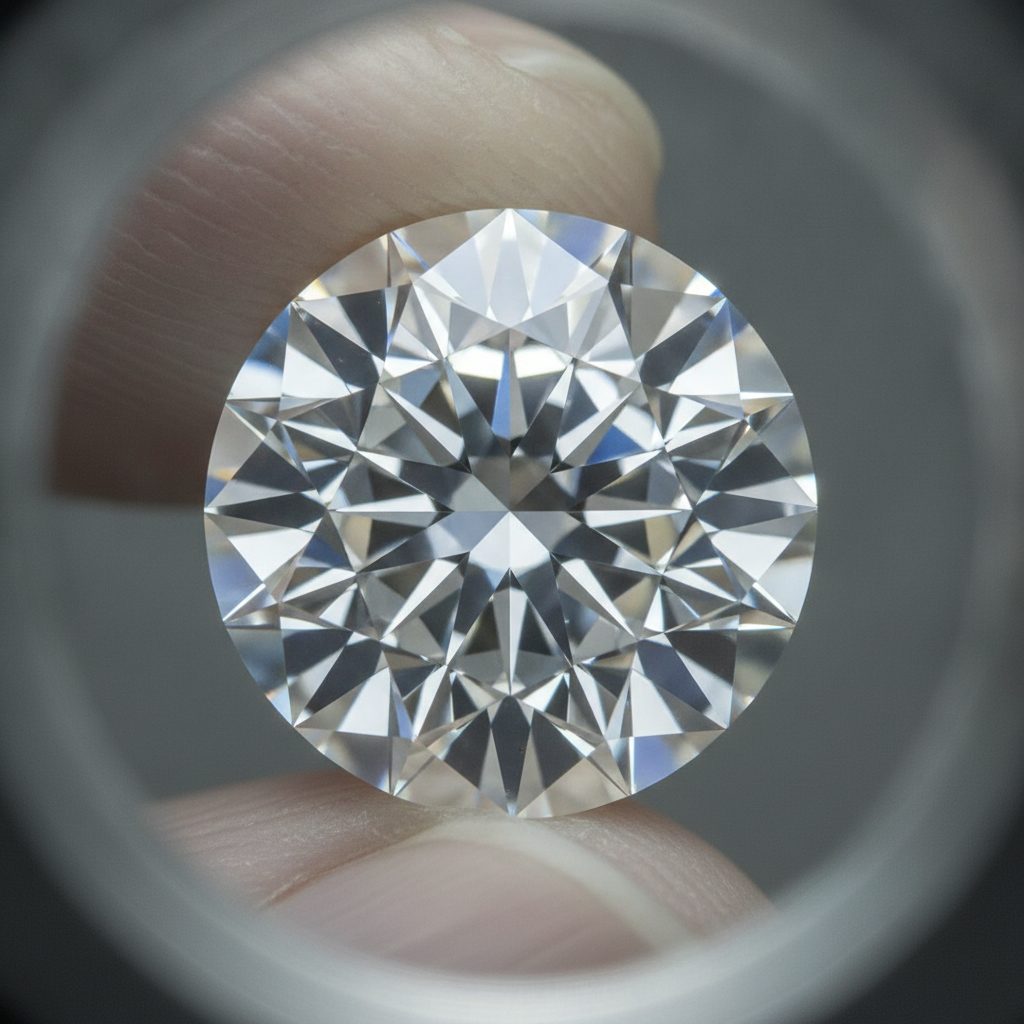
If you want a deeper background on growth science, see this accessible background on lab-grown and natural differences in a modern primer for context found on an established jewelry publisher’s site such as this overview of lab vs. natural and a plain-English refresher on sparkle physics like what makes diamonds sparkle. Use these as broad primers, then rely on the actual grading report for any specific stone you’re evaluating.
Popular Styles and Categories in Lab‑Grown Diamond Jewelry
The most-requested lab-grown categories mirror mined favorites: classic solitaire engagement rings, three-stone rings, diamond eternity and anniversary bands, stud and hoop earrings, tennis bracelets, and pendant necklaces. Diamond2Deal carries thousands of these styles in stock for next-day shipping.
Choosing a category starts with the occasion—engagement, wedding, milestone gift, or everyday wear—and the wearer’s lifestyle.
- Engagement rings: Solitaires, halos, three-stone, unique settings; choose prongs or bezels for security.
- Wedding & anniversary: Diamond eternity and anniversary bands for stacking or standalone wear.
- Earrings: Timeless studs and hoops in 14k or 18k gold for daily polish.
- Necklaces: Classic solitaire pendants, initials, and meaningful motifs.
- Bracelets: Tennis lines for brilliance across the wrist; bangles for structure.
To explore real examples and buying tips, tap our education coverage in this internal overview of store selection and support inside our lab-grown diamond store guide.
How to Choose Your Piece: A Step‑by‑Step Buying Path
Choose lab-grown diamond jewelry by aligning lifestyle with setting style, then optimize the 4Cs for visible sparkle and durability. Confirm an independent lab report, check metal type and ring size, and leverage Diamond2Deal’s next-day shipping and appointment support for a smooth, confident purchase.
- Define the purpose: Engagement, wedding, gift, or everyday wear.
- Pick a category: Ring, earrings, pendant, bracelet.
- Select a setting style: Prong, bezel, halo, pavé; think snag-resistance and lifestyle.
- Optimize the 4Cs: Favor excellent cut; choose color and clarity that look clean to the eye.
- Confirm metal: 14k/18k yellow, white, or rose gold based on skin tone and existing jewelry.
- Verify grading: Check report number and laser inscription where applicable.
- Get the size right: Use a ring sizer and note seasonal finger changes.
- Plan delivery: In-stock styles ship next day; coordinate gift dates.

For a deeper, side-by-side walkthrough tailored to lab-grown engagement rings, we outline practical checkpoints in our internal engagement rings overview, including setting ergonomics and day-to-day comfort.
The 4Cs and Certificates: Read Reports with Confidence
Treat lab-grown exactly like mined when evaluating quality: prioritize cut for brightness, choose color and clarity that look clean to the eye, and confirm an independent grading certificate with report number and (often) a laser inscription on the girdle.
We coach clients to anchor on cut first; it drives light return and sparkle. Eye-clean clarity and a pleasing color tone follow. A credible grading report describes growth method (CVD or HPHT), post-growth treatments, and the 4Cs with plotting (where applicable).
- Cut: Aim for excellent/superior symmetry and polish for crisp scintillation.
- Color: Select a range that looks white in your chosen metal; white gold may tolerate warmer tones.
- Clarity: Favor eye-clean over technical grade chasing; avoid inclusions at the table.
- Carat: Balance finger coverage or ear/wrist presence with proportions that keep the cut lively.
- Certificates: Check report number matches the laser inscription where present.
If you’re new to reports, our education articles unpack color, clarity, and cut in approachable language—start with this internal primer on fundamentals in the learn the 4Cs article, then review your chosen stone’s actual report before checkout.
Lab‑Grown vs. Natural: A Practical Comparison
Both lab-grown and natural are real diamonds. Lab-grown emphasizes traceable origin and supply consistency; natural emphasizes geological rarity. For day-to-day wear and sparkle, cut quality dominates. Choose based on your values and desired provenance, then lock in cut, proportions, and craftsmanship.
| Factor | Lab‑Grown Diamond | Natural Diamond |
|---|---|---|
| Composition | Pure carbon, identical crystal structure | Pure carbon, identical crystal structure |
| Origin | Laboratory (CVD or HPHT) | Geological (earth‑formed) |
| Grading | Independent 4Cs certificate | Independent 4Cs certificate |
| Traceability | Clear growth method disclosure | Varies by source/program |
| Availability | Consistent supply; thousands in stock | Dependent on mining yield and sorting |
| Everyday Wear | Mohs 10; durable when well set | Mohs 10; durable when well set |
For extended reading, see this general comparison primer to frame the decision context: lab-grown vs. natural overview. Then, evaluate an actual stone’s certificate and cut images to decide.
Sustainability, Ethics, and Transparency
Lab-grown supports transparent provenance and modern production controls. The biggest sustainability wins come from verifiable energy inputs, responsible metals, and durable craftsmanship. Choose vendors who disclose growth methods, offer recyclable packaging, and back quality with clear warranties and return windows.
In practice, sustainability is a stack: energy sources, metal sourcing, packaging, and how long the piece lasts. Our view: the most sustainable jewelry is the piece you wear for decades. That’s why we emphasize workmanship, secure settings, and education on care.
- Origin transparency: Growth method disclosed on certificates and product pages.
- Responsible metals: 14k/18k gold with verified sourcing.
- Longevity: Proper prong work and maintenance prevent early replacement.
- Customer policies: 1-year warranty, 30-day returns, free gift packaging support long-term use.
We also published internal guidance on eco considerations and modern production practices in our lab-grown sustainability overview.
Metals, Sizing, and Setting Security
Match metal color to skin tone and lifestyle, size rings for seasonal comfort, and choose settings that balance light performance with security. Prong and bezel choices affect sparkle and snag resistance; quality craftsmanship keeps Mohs‑10 diamonds safe during daily wear.
Metal is the canvas that frames your diamond. White gold amplifies cool brightness; yellow and rose gold create warm contrast. For settings, prongs typically maximize light entry, while bezels provide smooth edges perfect for active wearers.
- Metal: 14k vs 18k; white, yellow, or rose based on existing wardrobe.
- Sizing: Finger size can shift with temperature; use a sizer and re-check in the evening.
- Settings: Six-prong for classic solitaires; bezels for snag-free comfort; pavé for texture.
- Earrings/pendants: Verify backs and bails are sturdy; butterfly backs for studs, secure clasps for tennis pieces.
When in doubt, book a short consult with our team to review day-to-day wear and setting ergonomics before you finalize.
Care and Maintenance Best Practices
Keep lab-grown diamond jewelry brilliant by cleaning regularly with warm water, mild soap, and a soft brush. Schedule periodic prong checks, store pieces separately, and remove jewelry during high-impact activities. Simple habits preserve brightness and protect settings for decades.
Diamonds resist scratching, but metal doesn’t. Maintenance is about protecting the setting and keeping oils off the facets that produce sparkle.
- Home cleaning: Mild dish soap, warm water, soft brush; rinse thoroughly and pat dry.
- Setting checks: Inspect prongs and clasps every few months; address looseness promptly.
- Storage: Separate pouches or compartments prevent metal-to-metal scuffs.
- Avoid harsh chemicals: Remove during bleach use or swimming; chemicals can affect metal alloys.
We include care guidance with each order and support follow-up questions—part of our education-first philosophy.
Tools and Resources: Shop Smarter with Diamond2Deal
Use our education hub to learn the 4Cs, compare lab-grown options, and understand settings. Browse thousands of in-stock styles ready for next-day shipping, then book a quick appointment with a diamond expert for tailored, values-aligned recommendations.
Confidence comes from clarity and support. As a family-owned brand since 1998 with wholesale manufacturing roots, we pair deep product knowledge with customer-first policies.
- Education hub: Practical guides on cut, color, clarity, carat, and settings.
- Next-day shipping: Thousands of styles in stock across rings, earrings, necklaces, and bracelets.
- Customer policies: 1-year warranty, 30-day returns, and free gift packaging.
- Appointments: Meet a diamond expert to narrow choices quickly.
For a store-level overview and how to navigate choices, see our internal lab-grown diamond store guide. For style comparisons while browsing, this internal compare styles article offers a concise checklist you can keep open in another tab.
Local Buyer’s Guide: Manhattan and New York County
Shopping in Manhattan means convenience and timing. Our Midtown location supports quick consultations near Grand Central, and next-day shipping covers last-minute gifting. Plan around weekday rush hours and holiday surges, and use appointments for focused, 20–30 minute expert sessions.
Living or working in New York County often means tight schedules. We’ve shaped our service for speed and clarity—so you can research online, confirm details with an expert, and receive in-stock pieces quickly. If you’re nearby, appointments make selection even faster.
Local considerations for Manhattan
- Plan appointments around transit: Our Midtown address is steps from Grand Central, which simplifies quick visits during lunch or between meetings.
- Watch seasonal surges: The weeks around major holidays get busy near Bryant Park; confirm in-stock pieces early and use next-day shipping to stay on schedule.
- Bring lifestyle cues: If you commute or hit gyms after work, favor bezel or low-profile settings for snag-free daily wear.
Mini Case Studies and Real Examples
Clients choose lab-grown for clarity, timing, and value alignment. When we match lifestyle to setting and prioritize cut, they consistently report brighter sparkle and stress-free delivery. Here are concise snapshots illustrating how decisions translate into daily satisfaction.
- Midtown engagement: A couple working near Grand Central booked a 25‑minute consult. We aligned a 14k white-gold solitaire with excellent cut. They picked up the next day—on schedule for a weekend proposal.
- Everyday earrings: A Manhattan professional wanted studs that pop on video calls. We emphasized cut and secure backs; the feedback: “Noticeably brighter” and “set-and-forget” comfort.
- Anniversary stack: A 10‑year milestone called for an eternity band that won’t snag. We recommended a low-profile setting; it stacks cleanly with the original ring.
- Graduation gift: A relative needed a meaningful pendant with fast delivery. An in-stock solitaire shipped next day with free gift packaging—celebration ready.
Patterns repeat: when the setting matches the wearer’s routine and cut quality is prioritized, satisfaction stays high months and years later.
Speed, Delivery, and Peace of Mind
If timing is tight, prioritize in-stock lab-grown designs that qualify for next-day shipping, confirm ring size early, and keep an eye on holiday calendars. Combine online research with a brief expert appointment to finalize details efficiently.
Practical steps reduce last-minute stress.
- Check stock status: Thousands of items are ready to ship next day.
- Confirm sizes: Prevent re-sizing delays by verifying finger size and bracelet/necklace lengths.
- Review policies: 30‑day returns and a 1‑year warranty protect your decision.
Want a succinct refresher on brilliance and why certain proportions shine? Keep a general primer open while you shop, such as this short article on what creates sparkle, and then evaluate actual cut data and images for your chosen piece.
Best Practices Checklist (Save This)
Anchor on cut quality, match settings to lifestyle, verify independent certificates, and use in-stock pieces when timing matters. Lean on education and quick expert consults to turn options into a confident, fast decision.
- Start with the occasion; define how the piece will be worn.
- Pick category and setting that fit daily life (prong vs. bezel; low vs. high profile).
- Prioritize excellent cut; choose eye-clean clarity and pleasing color.
- Confirm lab report and, if present, laser inscription.
- Choose metal to match skin tone and existing jewelry.
- Use next-day shipping on in-stock items for reliable timing.
- Schedule a short appointment for tailored guidance.
Related Articles from Our Education Hub
Deepen your knowledge with step-by-step guides and side-by-side comparisons. These pieces expand on 4Cs fundamentals, sustainability context, and engagement ring decision frameworks so you can shop efficiently and confidently.
For a store-level roadmap, our internal lab-grown diamond store guide explains how to navigate categories and policies. If you’re focused on style matchups while browsing, this internal compare styles article and our internal sustainability overview offer concise, practical checklists you can keep open alongside product pages.
Prefer a quick consult?
Book a short appointment with a Diamond2Deal expert to finalize your shortlist, confirm sizes, and align the setting with daily wear. It’s the fastest way to go from options to a ring, bracelet, pendant, or studs you’ll love for years.
Frequently Asked Questions
Get direct answers to the most common lab-grown questions—quality, longevity, grading, and how to choose. Each response is concise, practical, and focused on what actually drives everyday satisfaction.
Are lab-grown diamonds real diamonds?
Yes. Lab-grown diamonds share the same crystal structure, hardness, and optical properties as mined diamonds. The difference is origin. They’re graded by the same 4Cs framework and can include independent certificates and laser inscriptions.
Will lab-grown diamonds last as long as natural diamonds?
Absolutely. Diamonds—lab-grown or natural—are Mohs 10, the hardest known natural material. With proper settings and routine care, lab-grown diamond jewelry is built for decades of daily wear.
How do I verify a lab-grown diamond’s quality?
Check the independent grading report for cut, color, clarity, carat, and growth method (CVD or HPHT). Match the report number to the stone’s laser inscription when present. Prioritize cut quality for the biggest visual impact.
What’s the best setting for active lifestyles?
Bezel or low-profile prong settings reduce snags and protect the girdle. For earrings, choose sturdy backs; for bracelets, confirm secure clasps. Match the setting to your daily routine for long-term comfort and security.
Conclusion and Key Takeaways
Lab-grown diamond jewelry pairs real-diamond brilliance with modern transparency and fast availability. Focus on cut, match the setting to lifestyle, and confirm independent grading. Diamond2Deal’s education-first approach and next-day shipping make confident decisions faster.
- Quality first: Cut drives sparkle; pair with eye-clean clarity and a pleasing color range.
- Secure settings: Choose prong or bezel styles that match daily routines.
- Verified details: Read the certificate; check report and inscription numbers.
- Fast fulfillment: Thousands of in-stock styles ship next day from our New York base.
- Support on demand: Education resources and quick expert appointments reduce guesswork.
Ready to take the next step? Explore our learning resources through the internal learn the 4Cs article, then shortlist a few in‑stock designs that fit your style and timeline.