

Lab Grown Diamonds: What Buyers Want to Know in 2026
A lab grown diamond store is a retailer focused on certified, man‑made diamonds and fine settings, offering grading reports, education, and service. At Diamond2Deal’s Manhattan location at 420 Madison Ave (5th Floor, Rm 500), you can compare shapes, metals, and styles, get expert guidance, and enjoy next‑day shipping on thousands of in‑stock pieces.
By Mit Trivedi, President — Diamond2Deal
Last updated: May 24, 2026
Your complete guide to shopping a lab grown diamond store
Use a lab grown diamond store to see certified stones, compare settings, and get expert help. This guide explains how lab diamonds are made, how to read grading reports, what styles to consider, and how Diamond2Deal supports you with education, fast fulfillment, and personalized service in Manhattan.
Buying an engagement ring or fine jewelry should feel exciting, not overwhelming. This complete guide aligns with how real shoppers browse, compare, and decide—online and in person.
- Plain‑English definitions you can quote with confidence
- Actionable checklists for grading, style, and fit
- Local tips for Manhattan and New York County visits
- Direct links to Diamond2Deal’s education and collections
Quick summary
Choose a lab grown diamond store that offers certified stones, transparent grading, diverse settings, and responsive support. Verify reports, compare CVD vs HPHT growth, and align the diamond’s cut with your style and budget. Diamond2Deal pairs an education hub with next‑day shipping on thousands of in‑stock designs.
- Lab‑grown diamonds are real diamonds with the same carbon crystal structure as natural.
- Two growth methods dominate: CVD and HPHT; both can yield excellent stones.
- Focus on cut quality first; it drives sparkle more than color or clarity changes.
- Use verified grading reports; confirm measurements, proportions, and laser inscription.
What is a lab grown diamond?
A lab grown diamond is crystallized carbon formed in a controlled environment using CVD or HPHT. It has the same physical, chemical, and optical properties as mined diamonds, can be graded by independent labs, and is mounted into engagement rings, earrings, bracelets, and necklaces.
Lab‑grown diamonds are not simulants like cubic zirconia or moissanite. They are true diamonds—hardness 10 on the Mohs scale, refractive index ~2.42, and high thermal conductivity.
- Science, not substitutes: Lab diamonds share the same face‑centered cubic lattice as mined stones.
- Grading applies equally: The 4Cs (cut, color, clarity, carat) still determine beauty.
- Everyday wear: Excellent for daily jewelry thanks to top hardness and durability.
In our experience helping New York couples, the biggest unlock is realizing cut proportions and light return matter more to the eye than small color jumps on paper.
Why lab grown diamonds matter for modern buyers
Lab grown diamonds deliver measurable value: precise sourcing, consistent supply, and modern styles without compromising brilliance. For engagement rings and fine jewelry, you get real diamond performance, verified grading, and fast availability—ideal when timelines are tight or you want a distinctive design.
Why this matters to you:
- Consistency and choice: Reliable supply means you can compare multiple stones of the same size and shape.
- Education‑first shopping: Clear guidance reduces decision fatigue and returns.
- Modern aesthetics: East‑West solitaires, fancy shapes, and thin pavé bands are easier to source in specific specs.
- Fast timelines: With Diamond2Deal’s next‑day shipping on thousands of styles, proposals don’t have to wait.
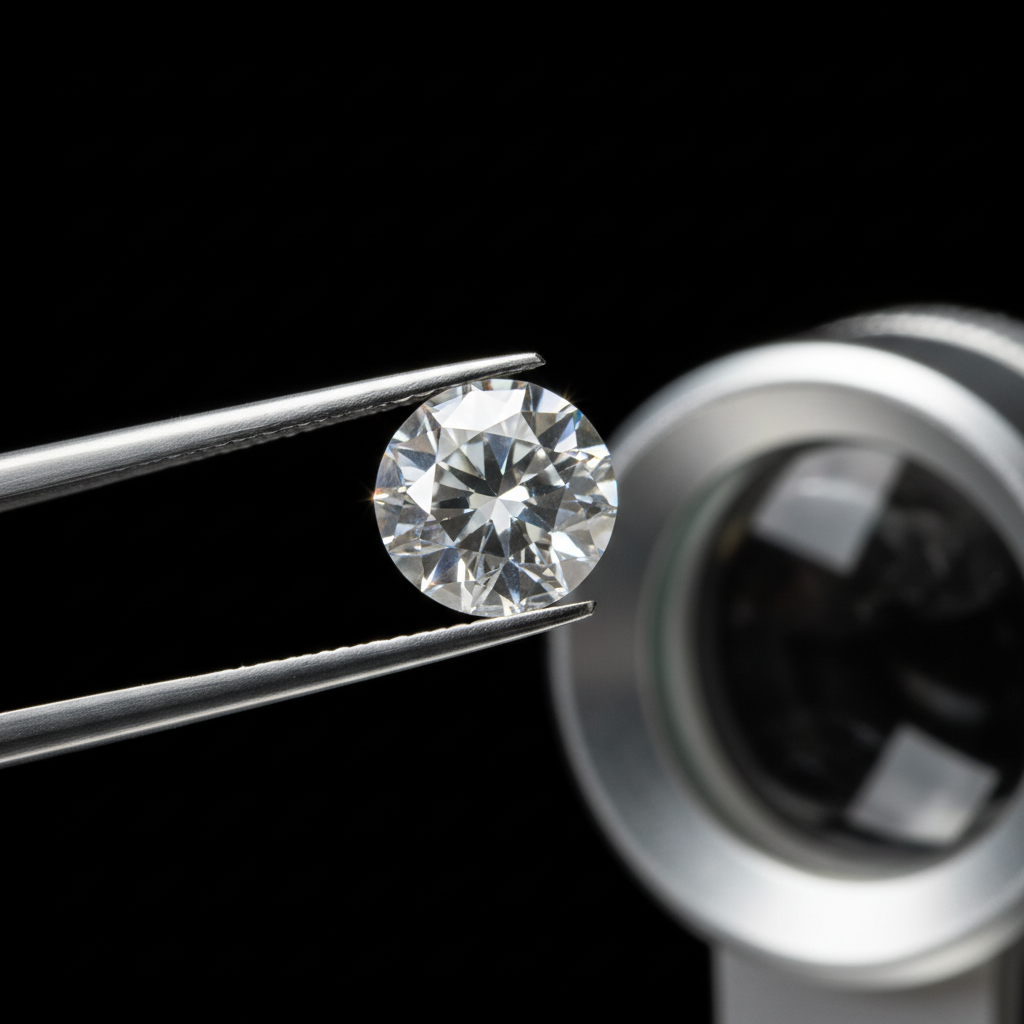
Round brilliant cuts typically feature 57–58 facets, engineered for fire and scintillation. That geometry, paired with tight symmetry and polish, is what your eyes read as sparkle.
How lab grown diamonds are made (CVD vs HPHT)
Lab diamonds form by two primary methods: CVD grows diamond layer‑by‑layer in a vacuum chamber, while HPHT crystallizes carbon under extreme heat and pressure. Both can yield exceptional gems; what matters most is final cut quality, symmetry, and verified grading rather than the growth method alone.
Here’s a concise, technical view you can trust:
- CVD (Chemical Vapor Deposition): Hydrocarbon gas decomposes in a vacuum; carbon atoms deposit onto a seed plate at roughly 800–1,000°C.
- HPHT (High Pressure High Temperature): Carbon converts to diamond at ~5–6 GPa and temperatures exceeding 1,300°C—conditions similar to Earth’s mantle.
- Screening and grading: Reputable labs screen for growth indicators, then grade the finished stone on the 4Cs.
| Aspect | CVD | HPHT |
|---|---|---|
| Environment | Vacuum chamber; gas‑phase carbon | Press chamber; molten metal catalysts |
| Growth control | Precise, layer‑by‑layer | Fast crystal formation |
| Common outputs | Colorless to near‑colorless | Colorless; fancy yellows more likely |
| What matters | Final cut quality, symmetry, polish, and independent grading—not method alone | |
Growth takes weeks, not millennia. However, your eye judges brilliance in milliseconds—reinforcing why cut quality should lead your evaluation.
How to read a grading report with confidence
Verify the lab name, report number, laser inscription, and proportions. Prioritize cut grade (for rounds), symmetry, and polish. Cross‑check measurements and ensure the report photo and inscription match the stone. Keep a digital copy for insurance and service conversations later.
- Report identity: Confirm report number, date, and lab; match to a microscopic laser inscription.
- Cut first for rounds: Excellent/Ideal cut maximizes light performance; symmetry and polish should align.
- Proportions: Table %, depth %, crown/pavilion angles influence fire and brightness.
- Clarity plotting: Map inclusions; eye‑clean stones often look identical in everyday viewing.
If you’re learning, keep an open tab to Diamond2Deal’s lab‑grown diamonds education page while you compare reports. It breaks down 4Cs trade‑offs in simple terms.
Types of lab grown diamond jewelry you can buy
A quality lab grown diamond store should stock engagement rings, wedding bands, earrings, necklaces, and bracelets. Look for solitaires, three‑stone rings, pavé and halo settings, tennis bracelets, pendant necklaces, and classic studs and hoops—plus men’s bands and curated giftable pieces.
Engagement and wedding essentials
- Classic solitaires: Timeless six‑prong or four‑prong heads with thin, comfortable bands.
- Three‑stone rings: A center stone framed by matched side diamonds for extra presence.
- Halos and pavé: Add perceived spread and sparkle with micro‑pavé shoulders.
- Men’s wedding bands: Matte, hammered, or high‑polish; widths typically range from 4–8 mm.
Everyday classics and gifts
- Stud earrings: Choose secure screw‑backs; match pairs by carat, color, and fluorescence.
- Tennis bracelets: Consistent cut and color across links improves fluid sparkle.
- Pendant necklaces: Solitaires, initials, and crosses are perennial favorites.
- Bangles and chains: 14k or 18k gold in yellow, white, or rose for reliable durability.
Explore live inventory on Diamond2Deal’s lab‑grown diamond jewelry collection. You can filter by metal color and style, then book an appointment if you want guided curation.
How to choose a lab grown diamond store in Manhattan
In Manhattan and New York County, choose a lab grown diamond store that pairs certification, inventory depth, and real human guidance. Confirm grading, compare two or three stones side by side, and look for clear return and warranty policies with responsive, education‑first support.
- Certification: Ensure each stone comes with an independent grading report and laser inscription.
- Inventory depth: Ask to see at least two similar options to choose the best cut and eye appeal.
- Service policies: Look for warranty coverage, easy returns, and expert availability.
- Speed: If your timeline is tight, verify in‑stock status and shipping promises.
- Education: A helpful store will explain 4Cs trade‑offs in clear language, not jargon.
Local considerations for Manhattan
- Time your visit around commuter peaks near Grand Central; late morning offers calmer showrooms.
- Holiday weeks increase proposal traffic; book appointments in advance for weekend slots.
- Plan quick comparisons if you’re meeting near Rockefeller Center; shortlist items online first.
Diamond2Deal’s family‑owned approach emphasizes old‑fashioned ethics and personalized help—ideal when you want a second set of expert eyes before you commit.
Ring fit, metal choices, and style alignment
Start with lifestyle and comfort. Choose a ring profile that clears daily activities, then match metal to skin tone and wear patterns. 14k offers durable everyday strength; 18k delivers richer gold color. Low profiles and secure prongs protect the diamond without hiding its light.
- Sizing: U.S. ring sizes generally range from 4–13; half and quarter sizes fine‑tune comfort.
- Metal choices: 14k gold balances strength and luster; 18k is warmer but slightly softer.
- Profile height: Low or cathedral settings change snag risk and how the diamond sits.
- Prongs vs bezel: Prongs maximize light entry; bezels add protection and a modern edge.
For deeper background on sustainability and materials, see Diamond2Deal’s take on lab‑grown diamond sustainability.
Tools and resources for confident shopping
Keep three tabs open: a store’s education hub, a live collection filter, and your appointment request. That workflow lets you compare specs, save favorites, and then confirm details with a diamond expert before purchase—reducing returns and ensuring you love the final piece.
- Education hub: 4Cs, growth methods, and metal guides in one place.
- Live collection: Filter by shape, setting style, and metal color.
- Engagement ring tips: Practical examples and style comparisons.
For a broader industry refresher, you can skim an independent overview of the diamond 4Cs basics and an article on production logistics to understand supply timing. Cross‑checking sources keeps you objective.
Case studies: real shopping scenarios with Diamond2Deal
Real buyers benefit from side‑by‑side comparisons, a quick call with an expert, and fast fulfillment. These short scenarios show how couples and gift‑givers in New York turn education into confident selections—often within days.
1) The Midtown proposal on a deadline
A traveler planned a surprise proposal and needed a ring within the week. We shortlisted two round brilliants with near‑identical specs, prioritized the better cut, and shipped a classic solitaire for pickup the next day. The proposal happened on time—sparkle secured.
- Actions to copy: Ask for two comparable stones and choose by eye appeal and cut.
- Helpful resource: Revisit our engagement ring guide to align style and speed.
2) The anniversary tennis bracelet
For a milestone gift, a client wanted a fluid tennis bracelet with consistent color and cut along the entire line. We checked clasp security, link articulation, and stone matching, then shipped the piece with gift packaging for a next‑day celebration.
- Actions to copy: Inspect clasp type and ask about stone‑matching tolerances.
- See examples: Browse the lab‑grown diamond collection and filter by bracelets.
3) The everyday stud upgrade
A New York buyer wanted brighter stud earrings for daily wear. We compared two VS‑range pairs and selected the tighter‑cut option; secure screw‑backs kept them worry‑free for commuting and workouts.
- Actions to copy: Request matched pairs by cut and color; prioritize secure backs.
4) The unique three‑stone ring
A couple wanted a modern take on a three‑stone. We proposed tapered baguettes flanking an oval center, confirmed proportions on a CAD preview, and shipped an in‑stock setting for fast assembly.
- Actions to copy: Ask for side‑stone length‑to‑width suggestions to balance an oval or emerald center.
- Example setting: See a representative in‑stock option like this lab‑grown engagement ring to understand construction details.

Store visit vs. online: how to combine both
Blend online filtering with a brief showroom visit. Shortlist shapes and settings online, then confirm cut quality and finger coverage in person. This hybrid approach reduces time in transit, validates sparkle in real lighting, and speeds final decisions without sacrificing care.
- Online first: Pre‑filter by shape, carat range, metal, and setting profile.
- In person second: Check fire and scintillation under mixed lighting and move the stone to see on/off sparkle.
- Finalize remotely: Many buyers finish paperwork and shipping arrangements online the same day.
If you’re planning a same‑week proposal, confirm in‑stock status and shipping windows. An NYC buyer’s guide perspective shows how vital inventory and timing can be.
Sustainability and ethics: what to look for
Look for transparent sourcing, responsible manufacturing disclosures, and clear grading. Favor stores that educate rather than upsell. Environmental impact varies by producer and energy mix; your most reliable signals are certification, craftsmanship, and honest, accessible information.
- Independent grading: Third‑party reports keep quality claims objective.
- Durable metals: 14k/18k gold and secure settings extend product lifecycles.
- Education‑first culture: Guides that explain trade‑offs help you buy once, buy right.
We outline our perspective on materials and longevity in our article on lab‑grown diamond sustainability. Responsible choices often start with timeless design and solid construction.
Talk to a Diamond2Deal expert
Have a deadline or a specific look in mind? Share two or three saved items and your ring size. We’ll compare options, confirm in‑stock timing, and suggest cut parameters that maximize sparkle—so you can say yes with confidence.
- Bring screenshots of your top picks and any grading numbers.
- Tell us your preferred metal color and ring profile height.
- Ask for two comparable stones to choose by eye appeal.
Where “GIA diamond” fits into lab grown shopping
“GIA diamond” usually means a diamond graded by GIA. For lab grown stones, independent grading—by GIA or other reputable labs—provides the same objective 4Cs framework. Use the report to verify cut quality, match measurements, and confirm laser inscriptions.
Whether you prefer a report from one lab or another, the essentials remain: report identity, proportions, symmetry, polish, and a laser inscription to tie everything together. That’s the backbone of confident, comparison‑based shopping.
FAQ: Lab grown diamond store
These quick answers address the most common store‑level questions: appointments, grading reports, growth methods, and how to handle tight timelines while keeping quality high.
Do I need an appointment to compare stones?
Appointments help us prepare side‑by‑side options and speed your visit, especially during peak seasons. Share your preferred shapes, carat range, and metal, and we’ll have trays ready so you can focus on sparkle, finger coverage, and finishing details.
Which is better, CVD or HPHT?
Both can produce excellent diamonds. What matters is the finished gem: proportions, symmetry, polish, and an independent grading report. Choose the stone that looks brightest to your eye under mixed lighting and confirms well on paper.
Can lab grown diamonds be insured like mined diamonds?
Yes. Jewelers and insurers typically use the grading report, measurements, and photos to document value and replacement details. Keep a digital copy of your report and any appraisal documents for easy reference.
How fast can I get an engagement ring?
If your preferred setting and stone are in stock, next‑day shipping is often available. Share your deadline and ring size when you book; we’ll prioritize in‑stock options and secure settings that meet your timeline.
Conclusion and next steps
Shop smart by focusing on certification, cut quality, and fit. Shortlist online, confirm in person or by video, and lean on expert guidance. With education resources and fast fulfillment, Diamond2Deal makes lab grown diamond shopping clear, modern, and reassuring.
Key takeaways
- “Lab grown” means real diamonds with the same properties as mined.
- Cut quality drives sparkle; growth method is secondary.
- Independent grading plus laser inscription enables confident decisions.
- Blend online filtering with a short, focused visit for best results.
Action steps
- Skim the education hub to clarify your 4Cs targets.
- Save three favorites from the live collection.
- Book a quick expert consult and share your ring size and timeline.
Ready to see options? Visit us in Manhattan or online—then book a tailored consult so we can line up brilliant, in‑stock contenders for you.