

Princess Cut Rings: Save More & Shine Bright in 2026
Princess cut diamond engagement rings are square brilliant rings known for crisp corners, chevron facets, and high scintillation. They deliver modern sparkle with excellent light return in a square shape. At Diamond2Deal (420 Madison Ave 5th Floor, Rm 500, New York), we help you choose the right princess cut and ship many styles the next day.
By Mit Trivedi — Last updated: June 8, 2026
Overview
A princess cut is a square brilliant diamond with sharp corners and chevron facets designed for intense sparkle. This guide explains how to evaluate cut, color, clarity, and carat; choose secure settings; compare shapes; and shop confidently with Diamond2Deal’s education-first approach and fast shipping.
Use this complete, practical guide to move from inspiration to a confident purchase. You’ll find definitions, checklists, visual tips, and expert examples we use with customers every day.
- Definition, anatomy, and how princess cuts create sparkle
- Cut, color, clarity, and carat targets for square brilliants
- Settings that protect corners and show off fire
- How princess compares to round and cushion
- Lab-grown options, sustainability, and certification
- Actionable steps, local tips for Manhattan, and FAQs
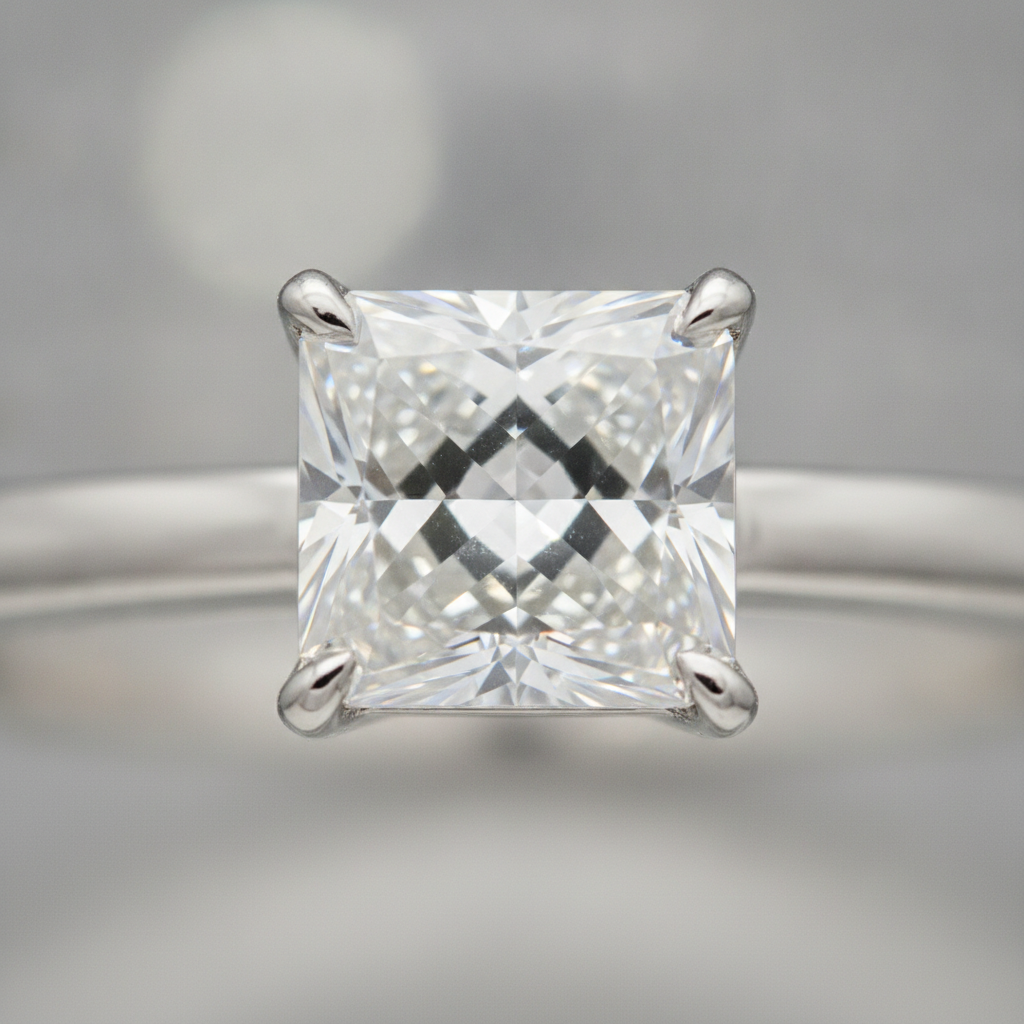
What Is a Princess Cut Diamond Engagement Ring?
A princess cut diamond engagement ring centers a square brilliant diamond with sharp corners and chevron facets. The stone’s geometry maximizes sparkle while keeping a modern, angular profile. Rings often use V-prongs or bezels to protect the four corners and enhance durability for everyday wear.
In plain terms, a princess cut is a square brilliant. Most stones show 2–4 chevron facet layers on the pavilion, which intensify scintillation. Square symmetry (length-to-width near 1.00) gives that crisp, graphic look many couples love.
Key anatomy
- Shape: Square outline with four sharp corners; ideal length-to-width ratio ~1.00–1.05.
- Facets: Brilliant style with chevrons on the pavilion; 2–4 layers create tighter, faster sparkle.
- Table and depth: Commonly ~62–70% table and ~64–75% depth for lively light return.
- Corners: Require protection (V-prongs or bezel) due to exposed points.
Because princess cuts recycle more of the rough crystal, you often get more face-up size per carat than some fancy shapes. That surface-area-to-carat efficiency is one reason the style remains a bestseller year after year.
Why Princess Cuts Matter for Modern Brides and Grooms
Princess cuts balance bold geometry with brilliant sparkle, making them versatile across solitaire, halo, and three-stone designs. Their square outline maximizes finger coverage, and smart setting choices protect corners for long-term wear. The style pairs especially well with lab-grown diamonds for value and sustainability.
Many shoppers want a clean, contemporary look that still dazzles. A princess cut does both. Square outlines provide strong lines that photograph beautifully, while brilliant faceting delivers the fire and scintillation you expect in an engagement ring.
- Visual presence: Square outlines can look ~5–10% larger face-up than deeper cuts at similar carat, thanks to efficient spread.
- Design flexibility: Works with solitaire, halo, bezel, cathedral, hidden halo, split-shank, and three-stone settings.
- Daily wear: With V-prongs or a bezel, corners are secured for active lifestyles.
- Ethical options: Lab-grown princess cuts pair beauty with traceable, modern production.
At Diamond2Deal, we routinely guide couples through style, metal, and setting trade-offs to align look, longevity, and timeline—often delivering in-stock styles with next-day shipping when timing matters.
How Princess Cut Sparkle Works (and What to Look For)
Princess cuts use chevron facets to redirect light back to the eye, creating fast, pinfire scintillation. Look for balanced depth and table, crisp symmetry, minimal leakage, and protected corners. The best stones feel “bright everywhere,” with even contrast and no dull zones across the table.
Light return is about proportions and precision. Well-aligned chevrons act like tiny mirrors that fire on and off as you move the ring. Uneven symmetry or excessive depth can mute brightness, while thin girdles at the corners risk chipping.
Target cut signals
- Depth %: ~64–75% helps avoid light leakage and windowing.
- Table %: ~62–70% often balances fire (smaller tables) and brightness (larger tables).
- Length-to-width: 1.00–1.05 reads square on hand; 1.06–1.08 becomes slightly rectangular.
- Chevron count: 2–3 layers = bold flashes; 4 layers = finer, faster sparkle.
- Girdle: Avoid extremely thin corners; medium to slightly thick protects tips without excess weight.
Color, clarity, and polish
- Color: Square brilliants show color a bit more than rounds. For white metals, many shoppers prefer near-colorless ranges for a crisp look.
- Clarity: Brilliant faceting hides tiny inclusions well; aim for eye-clean. Pay special attention to inclusions near corners.
- Polish/Symmetry: Very Good to Excellent grades keep facet junctions sharp and sparkle even.
Want a deep dive into size, sparkle, and finger coverage? See our internal breakdown in the 1 carat princess cut guide for side-by-side visuals and practical targets.
Types of Princess Cut Diamond Engagement Rings
Princess cut rings span solitaires, halos, three-stone, bezel, hidden halo, and split-shank designs. Choose secure V-prongs or a thin bezel, match metal color to aesthetic, and consider band width (1.6–2.2 mm is common) to balance stone size and comfort.
Popular settings
- Solitaire with V-prongs: Minimal metal, maximum light. V-prongs guard corners while keeping a floating look.
- Halo: A square or cushion-shaped halo adds ~1–2 mm visual spread and extra sparkle without changing the center.
- Bezel: A slim bezel frames the square and fully protects corners—great for hands-on lifestyles.
- Three-stone: Princess center with princess or tapered baguette sides blends symmetry and width across the finger.
- Hidden halo/cathedral: Under-gallery diamonds or raised shoulders add interest from the side profile.
Metal and band choices
- 14k white gold: A bright, modern backdrop that emphasizes icy sparkle.
- Yellow gold: Warmer contrast that highlights the geometry and chevrons.
- Rose gold: Softens the square silhouette for a romantic, blush tone.
- Band width: Many choose ~1.6–2.2 mm for comfort and proportion; wider bands add presence and durability.
Prefer to explore designs hands-on? Our custom ring guide explains how to tailor prongs, shanks, and galleries, while staying aligned with daily-wear needs.
Best Practices: Choosing and Caring for Princess Cuts
Prioritize secure settings, balanced proportions, and eye-clean clarity. Protect corners with V-prongs or bezel, target even brightness across the table, and clean monthly with gentle solutions. Schedule annual checks to tighten prongs and verify stone security for long-term peace of mind.
Selection checklist
- Proportions: Depth ~64–75%, table ~62–70%, square ratio 1.00–1.05.
- Corners: V-prongs or bezel; avoid extremely thin girdle at tips.
- Clarity: Eye-clean overall; steer inclusions away from corners and facet junctions.
- Color: Pair to metal tone and preference; square brilliants can show warmth faster than rounds.
- Certification: Favor a recognized grading report (for example, a GIA diamond report) to anchor quality.
Care and maintenance
- Cleaning cadence: A gentle soak and soft brush monthly keeps facets crisp; professional steam/ultrasonic as needed.
- Annual check: Inspect prongs and tighten if needed; verify no nicks at corners.
- Everyday habits: Remove during high-impact tasks; store in a separate pouch to avoid contact wear.
We include customer-friendly policies and responsive support so your ring stays secure and sparkling. Explore fundamentals in our engagement ring guide for a steady decision-making framework.
Lab-Grown vs. Natural: What Changes with Princess Cuts?
Lab-grown and natural princess cuts look identical to the naked eye when graded the same. With lab-grown, you can prioritize cut quality, square ratio, and setting design while also leaning into modern, traceable production and strong value. Certification anchors the comparison.
For many couples, lab-grown unlocks higher cut precision and eye-clean clarity within the same aesthetic. That means you can focus on what the eye truly sees—brightness, contrast, and crisp corners—rather than compromising on design.
- Appearance: Indistinguishable to the eye at like-for-like grades; both are real diamonds (hardness 10 on the Mohs scale).
- Selection: Lab-grown assortments often include more precise square ratios (1.00–1.03) and consistent color lots.
- Certification: Choose a recognized lab report to verify 4Cs and growth method; treat grading standards consistently across types.
For a broader primer on sustainability and buyer preferences, see this lab-grown vs natural overview from an industry publisher.
Princess vs. Round vs. Cushion: A Quick Comparison
Princess cuts deliver bold geometry and fast scintillation; rounds maximize overall brightness and fire; cushions offer softened corners and a vintage vibe. Your best choice depends on desired outline, sparkle character, and setting style, not just carat weight alone.
| Feature | Princess (Square) | Round Brilliant | Cushion |
|---|---|---|---|
| Outline | Square, sharp corners | Perfect circle | Square/rectangular with rounded corners |
| Sparkle feel | Fast, pinfire from chevrons | Balanced fire and brilliance | Broader, romantic flashes |
| Common table/depth | ~62–70% / ~64–75% | ~54–60% / ~59–63% | ~58–66% / ~62–70% |
| Corner protection | V-prongs or bezel recommended | N/A (no corners) | Bezel optional |
| Face-up size per carat | Efficient spread | Strong but deeper in some makes | Varies by facet pattern |
| Style vibe | Modern, graphic | Classic, timeless | Soft, vintage-inspired |
Curious how cushions compare on the hand? See our internal 1 carat cushion cut guide for real-world proportions and setting ideas.
How to Choose a Princess Cut Ring (Step-by-Step)
Define your shape and metal, target cut proportions, then confirm eye-clean clarity and preferred color. Next, select a secure setting, match a band, and verify a recognized grading report. Finally, align timeline and delivery—Diamond2Deal offers many in-stock styles with next-day shipping.
- Pick your look: Square outline, metal color, and band width that fits your style photos.
- Lock cut targets: Depth ~64–75%, table ~62–70%, L/W ~1.00–1.05, crisp symmetry.
- Check eye-clean: View from 8–12 inches; confirm no distracting inclusions, especially near corners.
- Secure the setting: V-prongs or a slim bezel; consider halo for added presence.
- Verify grading: Confirm a recognized lab report (e.g., a GIA diamond report) for consistency.
- Plan timing: Confirm availability; many Diamond2Deal styles ship the next business day.
Want a human walkthrough? Our education-first article on lab-grown engagement rings pairs well with this step list.
Tools, Resources, and Where to Start
Start with Diamond2Deal’s education hub, in-stock collections, and bookable guidance. Use proportion ranges, eye-clean checks, and secure settings to narrow choices. Compare lab-grown options for precision and value, then confirm recognized certification and delivery timelines.
- Learn fundamentals in our Engagement Ring Guide from shape to sizing and metals.
- Explore lab-grown insights in our lab-grown diamond primer covering 4Cs and sustainability.
- Review princess specifics in the 1 carat princess cut guide with size visuals.
- See design levers in our custom ring guide for prongs, halos, and profiles.
- Shopping gifts too? Skim our diamond jewelry gift guide for timeless picks.
For an external refresher on setting families, this overview of engagement setting types offers useful vocabulary when browsing.
Real-World Examples from Diamond2Deal Clients
Successful princess cut selections follow a consistent playbook: square ratio near 1.00, secure corners, eye-clean clarity, and a band that balances comfort with presence. These brief scenarios show how small choices—like halo shape or metal color—change the look without changing the center stone.
Example 1: Classic New York proposal
- Goal: Modern sparkle with confident daily wear.
- Build: Princess solitaire in 14k white gold, V-prongs, ~1.8 mm band.
- Why it worked: Even brightness across the table, eye-clean from 10 inches, next-day shipping enabled a right-on-time proposal.
Example 2: Hidden halo with color contrast
- Goal: Add dimension without a large halo.
- Build: Princess center with hidden halo on a 14k yellow gold cathedral shank.
- Why it worked: The warm band framed the square outline while under-gallery stones added side sparkle visible in photos.
Example 3: Active lifestyle, maximum protection
- Goal: Keep sharp corners fully secure.
- Build: Slim bezel with square halo for added spread.
- Why it worked: Bezel coverage plus halo presence balanced durability and sparkle without changing the center size.
When we work with clients remotely or from our Midtown office, we start with a short checklist and a few side-by-side videos so you can see contrast, fire, and spread clearly before deciding.
Shopping Princess Cut Rings in Manhattan
In Manhattan, New York County, plan your visit around weekday availability and transit. Our Midtown location near Grand Central makes pickup convenient, while our education hub and virtual guidance help you finalize details before you arrive.
Local considerations for Manhattan
- Time your appointment before or after the commuter rush around Grand Central to keep visits focused and quick.
- Peak proposal season runs late fall through winter holidays; confirm in-stock availability early for next-day shipping.
- Bring inspiration photos; we’ll translate them into setting specs (V-prongs, band width, halo shape) and confirm certification on the spot.
Prefer to compare shapes first? This external tour of engagement ring styles can spark ideas before we dial in princess-specific details together.
Style and Setting Trends to Watch in 2026
In 2026, princess cuts trend toward ultra-square ratios (1.00–1.02), slim bezels for protection, and hidden halos for side sparkle. Mixed-metal stacks and tapering pavé bands remain popular, pairing crisp geometry with comfortable, lightweight wear.
- Ultra-square looks: Many buyers prefer near-perfect squares for a graphic, architectural profile.
- Hidden halos: Subtle under-gallery accents add dimension without changing the face-up outline.
- Mixed metals: White-gold heads on yellow-gold shanks create contrast and emphasize brightness.
- Comfort-first bands: Tapered shanks and low profiles reduce snagging while keeping sparkle up top.
We see these choices repeatedly in consultations, because they photograph beautifully and wear comfortably day to day.
Frequently Asked Questions
These quick answers address the most common questions about princess cut diamond engagement rings—from durability and sparkle to certification and care—so you can make confident, fast decisions.
Are princess cut diamond engagement rings durable for daily wear?
Yes—when set with V-prongs or a bezel to protect the four corners. Choose a medium to slightly thick girdle at the tips, and schedule annual prong checks. These steps keep the stone secure and sparkling through everyday routines.
How should I prioritize the 4Cs for a princess cut?
Focus on cut signals first—balanced depth and table, crisp symmetry, and even brightness. Then confirm eye-clean clarity and preferred color for your metal tone. Finally, choose a carat that fits your desired presence and band width for proportion.
Do lab-grown princess cuts look different from natural diamonds?
No. When graded the same, lab-grown and natural diamonds look identical to the naked eye. Both are real diamonds with the same hardness and optical properties, so prioritize cut quality and secure settings for what you actually see.
What settings are best to protect the corners?
V-prongs are the classic choice because they wrap each corner, while a slim bezel offers full-edge coverage. Both approaches reduce snag risk and shield the most delicate points without hiding the square outline.
Key Takeaways
Choose a square, secure, and bright princess cut: target balanced proportions, protect corners, confirm eye-clean clarity, and align style with daily wear. With education-first support and many in-stock options, Diamond2Deal makes selection fast, confident, and beautiful.
- Princess cuts = square outline + chevron facets + fast scintillation.
- Corner security is non-negotiable: V-prongs or bezel.
- Depth ~64–75%, table ~62–70%, L/W ~1.00–1.05.
- Lab-grown offers precision, value, and sustainability.
- Use recognized certification (e.g., a GIA diamond report) to anchor quality.
Next Steps
Narrow to two or three candidates using the checklists above, confirm recognized certification, and align timing. If you need it fast, many Diamond2Deal rings ship the next business day—so you can propose on your schedule, not the industry’s.
- Review the Engagement Ring Guide and shortlist styles.
- Compare sparkle using our 1 carat princess visuals.
- Read our take on lab-grown engagement rings for smart trade-offs.
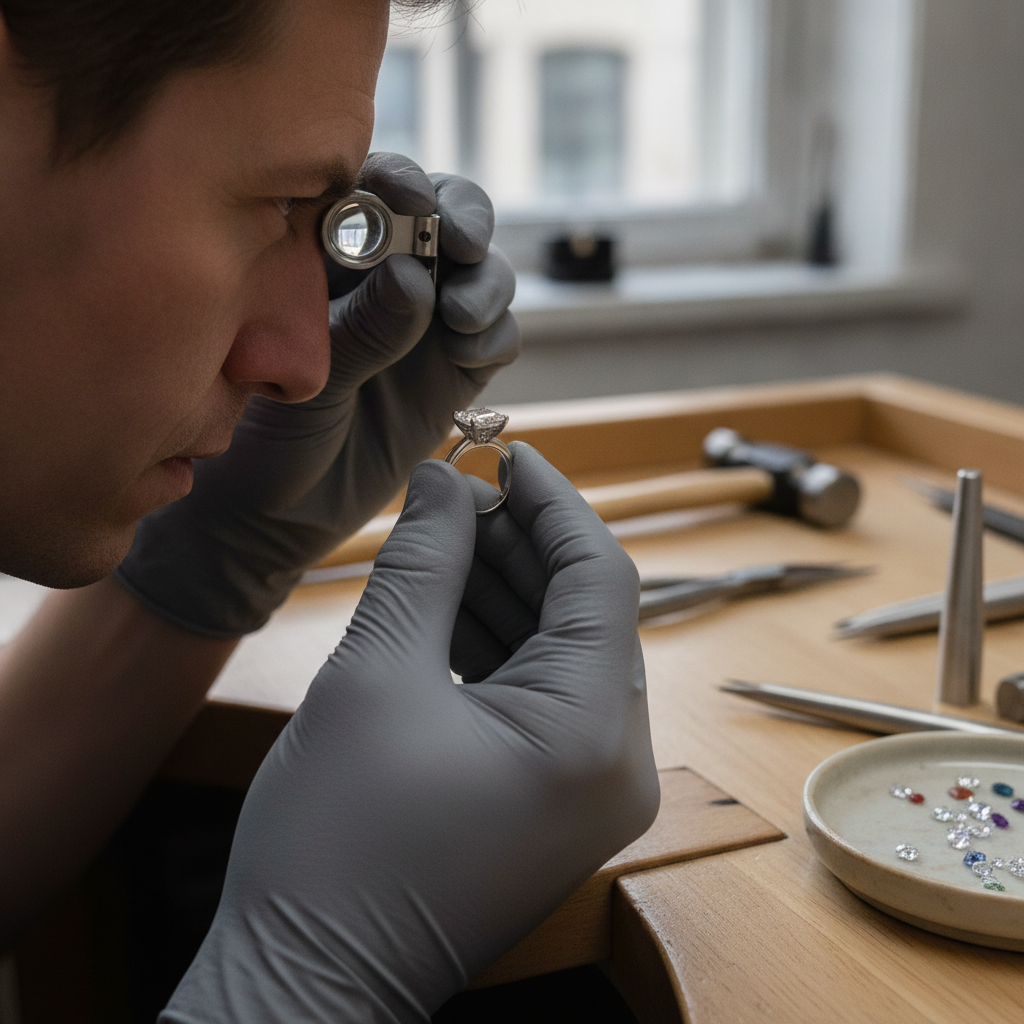
Need a hand? We’re here with education-first guidance and responsive support. Many in-stock rings ship the next business day from our New York location.