

Affordable Diamond Engagement Rings: Buy Smart in 2026
Affordable diamond engagement rings are rings that maximize beauty, durability, and certification while keeping spend in check through smart choices on diamond type, 4Cs, and setting. From our New York showroom at 420 Madison Ave, Diamond2Deal helps couples compare lab-grown and natural options, prioritize value drivers, and get next-day shipping on in-stock favorites.
By Mit Trivedi — President, Diamond2Deal
Last updated: June 11, 2026
At a Glance: Affordable Diamond Engagement Rings
To buy an affordable engagement ring in 2026, focus on a well-cut, certified center stone, consider lab-grown diamonds for exceptional value, and choose a timeless, secure setting. Use a trusted retailer for education, fast fulfillment, and customer-first policies to protect your purchase and timeline.
Here’s what you’ll learn and how to use it fast:
- What matters most: why cut and certification outrank everything.
- Where value hides: lab-grown vs. natural trade-offs, smart color/clarity ranges, and setting choices.
- How to execute: a 7-step selection process plus worksheets you can mirror from this guide.
- Confidence boosters: Diamond2Deal’s education hub, next-day shipping on thousands of styles, 1-year warranty, and 30-day returns.
What Is an Affordable Diamond Engagement Ring?
An affordable diamond engagement ring balances sparkle, structure, and certification against non-essential upgrades. It prioritizes cut quality, a secure setting, and a grading report while making smart trade-offs on color, clarity, and carat. The result: a ring that looks brilliant in real life and protects your investment.
Put simply, affordability isn’t only about spending less—it’s about spending right. The 4Cs (cut, color, clarity, carat) matter, but not equally. A well-cut diamond outperforms a larger, poorly cut stone because brilliant light return is what our eyes see first.
- Certification guards value: A grading report verifies the 4Cs and symmetry/polish, aligning with the industry’s GIA-style standards.
- Setting supports everyday wear: A sturdy solitaire or halo can elevate apparent size and protect the stone during daily use.
- Diamond origin is a lever: Lab-grown diamonds provide exceptional look-for-value while natural diamonds carry traditional rarity appeal.
At Diamond2Deal, we help you translate these principles into a ring that photographs beautifully, sparkles in any lighting, and arrives fast thanks to next-day shipping on eligible in-stock pieces.
Why “Affordable” Doesn’t Mean Compromise
Affordable does not mean cutting corners. It means selecting the right combination of diamond type, color/clarity ranges, and setting that amplifies brilliance. With expert guidance, you can protect durability, certification, and long-term wear while achieving a stunning look that feels like luxury—without unnecessary add-ons.
Here’s the thing: the human eye notices sparkle and face-up size first. That’s why smart buyers emphasize cut and choose settings that visually amplify the center stone.
- Cut first: Excellent/Ideal cuts, strong symmetry, and polish maximize brightness and fire. A properly cut stone often looks larger.
- Color in the “sweet spot”: Near-colorless ranges face up white in most metals and lighting—especially in well-cut stones.
- Clarity that’s eye-clean: Focus on what you can and can’t see at a normal viewing distance. Many inclusions are invisible to the naked eye.
- Lab-grown leverage: Choosing lab-grown reallocates budget to a higher cut grade, more secure setting, or a designer-inspired band.
Diamond2Deal’s education-first model ensures you understand the trade-offs, and our 30-day returns + 1-year warranty back your decision with real support.
How Affordable Ring Shopping Works in 2026
Shop affordably in 2026 by following a repeatable process: set priorities, choose diamond origin, target cut and eye-clean clarity, stay in a near-colorless range, pick a setting that amplifies size, verify certification, and buy from a retailer with fast shipping and customer-first policies.
Use this 7-step playbook (it’s the same approach our New York team uses daily):
- Define what “wow” means to you: more sparkle, larger look, or unique design.
- Pick origin: lab-grown for value headroom; natural for rarity appeal.
- Lock cut quality: prioritize Ideal/Excellent, strong symmetry/polish.
- Choose eye-clean clarity (it should look flawless to the naked eye).
- Stay near-colorless for a bright, white appearance in most metals.
- Match a setting that boosts size perception: halo, slim-cathedral, or bezel with thin shank.
- Verify certification & policies: grading report, 30-day returns, 1-year warranty, and dependable fulfillment.
Want a deeper walkthrough? Our in-depth engagement ring guide expands each step with visuals and examples, and our lab-grown engagement rings insights explain how origin impacts appearance, selection, and timelines.
Types and Settings That Stretch Value
Choose settings that make the center stone look larger and brighter: halos, slim solitaires, and cathedral shoulders. Pair them with brilliant cuts that excel in sparkle. This combination creates a “bigger look for less,” preserves durability, and keeps attention on the diamond—not on costly, low-ROI extras.
Below are setting and shape strategies we use to turn design into visual impact.
Value-forward settings
- Classic solitaire (four or six prong): Timeless, secure, and budget-efficient. A slender shank increases perceived size.
- Halo: A circle of small diamonds adds width and sparkle, making the center stone appear larger.
- Cathedral: Raised shoulders frame the center and enhance light return into the stone’s crown.
- Bezel: A modern metal rim protects the girdle; thin bezels keep the face-up look bold and clean.
- Pavé shank: Tiny diamonds on the band elevate sparkle without overshadowing the center.
Shapes that favor brilliance and face-up size
- Round brilliant: The best all-around for fire and scintillation; easy to read at a glance.
- Oval and pear: Elongated shapes often appear larger for the same carat weight and flatter a range of finger sizes.
- Cushion brilliant: Soft corners, excellent fire when well-cut, and works beautifully in halos.
- Princess and radiant: Crisp lines and modern geometry; radiant cuts hide color well in warm metals.
For examples across these categories, explore lab-grown diamond engagement rings, or browse stylized guidance in our custom ring tips post.
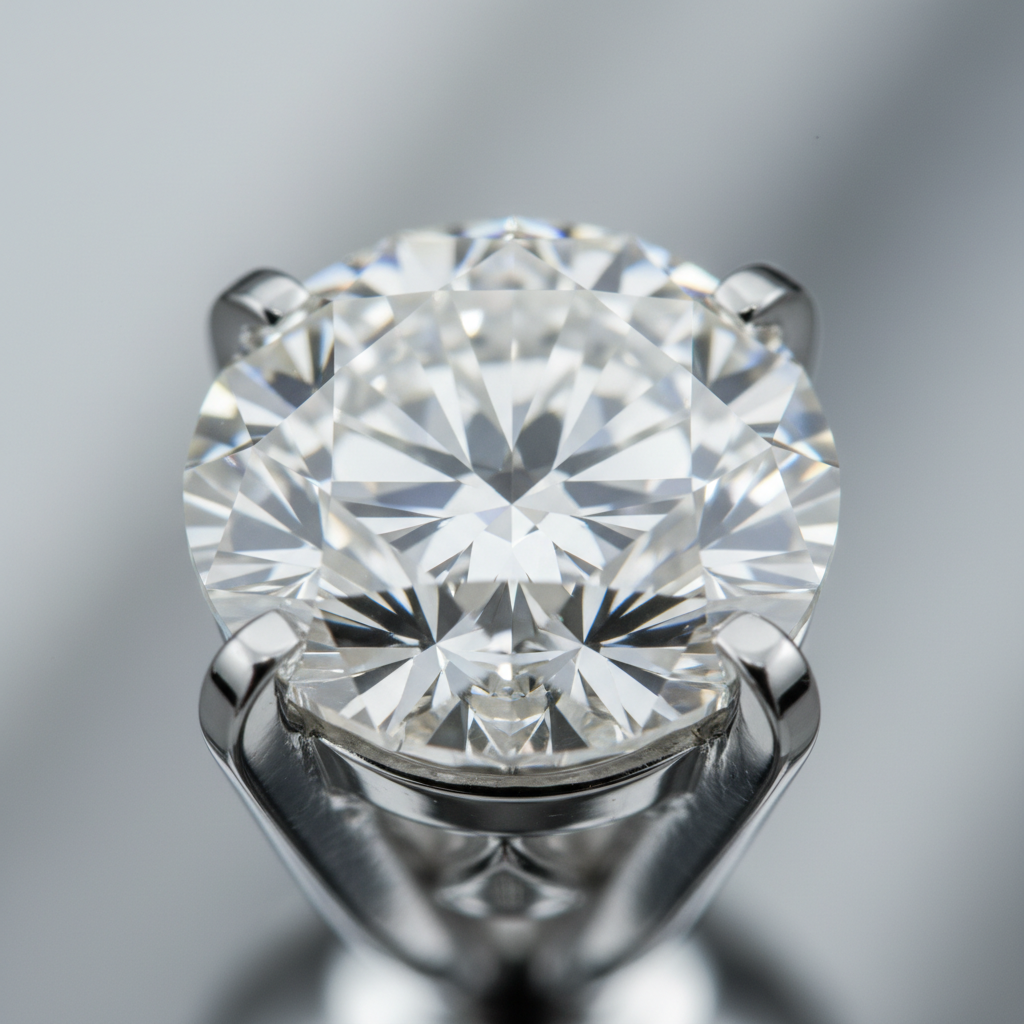
Lab-Grown vs. Natural: A Clear Comparison
Lab-grown and natural diamonds are both real diamonds with identical crystal structures. Your choice hinges on value preferences, availability, and personal meaning. Lab-grown often increases cut and size headroom; natural emphasizes geological rarity. Both can be certified and set in classic, durable designs.
| Attribute | Lab-Grown Diamond | Natural Diamond |
|---|---|---|
| Composition | Carbon, same structure as natural | Carbon, formed in the earth |
| Grading & Reports | Graded on the 4Cs, lab-grown disclosed | Graded on the 4Cs, mine origin |
| Visual Performance | Equivalent when cut quality is high | Equivalent when cut quality is high |
| Supply & Choice | Consistent availability; modern sizes | Geologically limited; traditional appeal |
| Meaning | Innovation, value headroom | Rarity, natural history |
For a broader industry context on selection steps, see this loose diamonds guide and a quick find a diamond overview. Then apply those steps using Diamond2Deal’s education hub and next-day fulfillment to keep your timeline on track.
How to Measure What Actually Shows (Not Just the Specs)
Judge a ring by how it looks on the hand: sparkle, face-up size, balance of band to stone, and everyday comfort. Specs matter, but appearance under real lighting and motion decides whether it “wows.” Use cut-first selection and settings that frame the stone to win on the eyes.
Visual performance checklist
- Brightness & fire: Does it dazzle under indoor LEDs and daylight?
- Face-up spread: Does the stone look proportionally large for its weight?
- Symmetry: Are facets and outlines aligned (especially in fancy shapes)?
- Contrast pattern: Round brilliants should show crisp, even patterns.
- Band balance: Does the shank thickness flatter the center without competing with it?
Comfort and durability
- Low-snag profiles: Consider bezel or protective prongs for active lifestyles.
- Secure stone: Verify tight prong tension and proper seating on the girdle.
- Metal match: 14k and 18k gold are bridal standards; platinum adds heft and wear resistance.
Browse our practical breakdowns in the engagement ring guide and the broader diamond jewelry guide to see how real-world viewing influences final choice.
Buying Tips for Manhattan and New York County
In Manhattan and across New York County, shop with a retailer that offers education, in-person or virtual guidance, and rapid fulfillment. Diamond2Deal’s Madison Avenue location supports appointments and next-day shipping, keeping proposals on schedule—even if you’re coordinating plans near Grand Central or Rockefeller Center.
Whether you meet us in person or online, local logistics and timing matter. With thousands of in-stock items and next-day shipping, we help New Yorkers hit pivotal dates without sacrificing design or certification.
Local considerations for Manhattan
- Schedule a consult near your commute—our Madison Avenue showroom is a short walk from Grand Central for quick pickups.
- Peak seasons (holidays and spring proposals) tighten timelines; confirm in-stock availability and next-day shipping early.
- For surprise proposals around Rockefeller Center, coordinate ring sizing and discreet packaging with our team in advance.
Best Practices for Value and Confidence
Follow value-first practices: cut over carat, eye-clean clarity, near-colorless color, and settings that amplify size. Verify a recognized grading report, read return/warranty terms, and buy from a retailer with responsive support. This playbook consistently yields rings that look brilliant and wear beautifully.
Dial-in the 4Cs for maximum appearance
- Cut: Prioritize Ideal/Excellent — it’s the #1 visual driver.
- Color: Target near-colorless for a bright face-up in most metals.
- Clarity: Choose eye-clean; micro-inclusions that are invisible don’t reduce everyday beauty.
- Carat: Consider elongated shapes or a halo to expand apparent size.
Certification and policies
- Grading report: Ensure the diamond’s 4Cs and measurements are documented with a recognized scale.
- Returns & warranty: Diamond2Deal offers a 30-day return window and 1-year warranty for peace of mind.
- Shipping speed: Next-day shipping on thousands of in-stock items keeps proposals on schedule.
For buyers mapping proposal timelines and ring readiness, this proposal ring planning resource offers a general framework you can adapt, then rely on our fast fulfillment to execute.
Tools and Resources You Can Use Today
Use education resources to compare diamonds side by side, book an appointment for personalized selection, and lean on next-day shipping to lock timelines. Diamond2Deal’s guides, policies, and support team translate specs into a ring that feels unmistakably “you.”
- Education hub: Start with the engagement ring guide for the 4Cs, settings, metals, and sizing.
- Origin insights: Compare value and design options in lab-grown engagement rings insights.
- Design ideas: Explore lab-grown diamond engagement rings for classic-to-unique looks.
- Deeper reading: See our lab-grown diamond store guide for shopping checklists you can reuse.
Mini Case Studies: Real Buyer Paths
Successful affordable rings follow a pattern: define the look, optimize the 4Cs, and pick a setting that amplifies size. With next-day shipping and friendly policies, Diamond2Deal turns plans into reality—whether you’re proposing in Manhattan or coordinating a surprise from out of state.
- “Classic in a hurry” — NYC commuter: Chose a round brilliant, eye-clean clarity, near-colorless color, and a six-prong solitaire. Picked up near Grand Central the same week using next-day shipping. The ring photographed larger than its weight thanks to a slim shank.
- “Bigger look, balanced budget” — national customer: Selected an oval lab-grown with excellent cut, halo setting, and pavé band. The halo widened face-up size and delivered nonstop sparkle under indoor lighting.
- “Modern-protective” — active lifestyle: Opted for a bezel-set cushion brilliant. Thin bezel preserved face-up size, and the low profile reduced snags during workouts and travel.
Pricing Factors (Explained Without Numbers)
Ring “price” is the outcome of choices across origin, cut quality, color/clarity ranges, carat weight, setting style, and metal. To protect value, optimize cut and choose eye-clean clarity, then let the setting do visual heavy lifting. This approach maximizes beauty at any budget level—no numbers required.
- Origin: Lab-grown often increases flexibility to prioritize cut and face-up impact.
- Cut quality: The most important driver of perceived beauty and size.
- Color & clarity: Near-colorless and eye-clean ranges deliver brightness and confidence.
- Carat & shape: Elongated shapes and halos can expand apparent size.
- Setting & metal: Solitaires and halos stretch value; 14k and 18k gold are bridal staples.
- Policies & logistics: Returns, warranty, and shipping speed reduce risk and last-minute costs.
“GIA Diamond” Basics: What to Know
“GIA diamond” commonly refers to diamonds graded on the GIA scale for cut, color, clarity, and carat. Understanding this framework helps you compare stones consistently and choose settings that complement your diamond’s strengths—key to shopping smart for affordable engagement rings.
Why this matters when you’re value-focused:
- Common language: Using the same scale across options makes side-by-side comparisons fair and fast.
- Cut clarity: Grading on symmetry and polish helps predict brightness and scintillation.
- Setting harmony: Matching metal tone and prong style with the diamond’s color and shape elevates the final look.
We keep these concepts front-and-center in our engagement ring guide so you can shop with confidence and clarity.
Process Roadmap: Your 7-Step Checklist
Use a structured 7-step checklist: define your look, choose origin, lock cut, pick eye-clean clarity, aim near-colorless, select a size-boosting setting, and confirm certification and policies. This roadmap keeps your purchase focused on real-world beauty and protected by strong support.
- State the look: Classic solitaire, halo sparkle, or sleek bezel?
- Origin decision: Lab-grown for flexibility; natural for rarity.
- Cut fixed: Excellent/Ideal with strong symmetry/polish.
- Eye-clean clarity: Visibility at normal viewing distance is the test.
- Near-colorless target: Pairs well with white and yellow metals.
- Setting choice: Slim-shank solitaire or halo to enhance size.
- Certification & policies: Grading report, 30-day returns, 1-year warranty, next-day shipping when needed.
Mid-Guide Check-In: Get Personalized Help
If you’re between two diamonds or debating settings, a 15-minute consult can clarify trade-offs. Our team translates specs into on-hand sparkle, aligns delivery with your date, and suggests small tweaks—like shank width or prong style—that make a big visual difference.
Prefer guided shopping? We’re family-owned (since 1998) with an education-first approach and responsive support. Bring screenshots or links; we’ll compare options side by side and map shipping to your proposal timeline.
Frequently Asked Questions
These are the questions buyers ask most when shopping for affordable diamond engagement rings. Each answer is brief, practical, and designed to help you act with confidence today.
What’s the best way to get a bigger look without overspending?
Choose an Ideal/Excellent cut and a setting that amplifies size, like a halo or slim-shank solitaire. Elongated shapes (oval, pear) also look larger for the same weight. Keep clarity eye-clean and color near-colorless so brightness stays high.
Are lab-grown diamonds real diamonds?
Yes. Lab-grown diamonds have the same crystal structure as natural diamonds. They’re graded on the same 4Cs framework and can deliver excellent brilliance when well cut. Many buyers use the value flexibility to prioritize cut and setting quality.
How important is certification for an engagement ring?
Very important. A grading report documents your diamond’s cut, color, clarity, and carat with a recognized scale. It helps you compare stones fairly and supports long-term confidence and resale considerations.
Which metal should I choose for everyday wear?
14k and 18k gold are bridal standards that balance beauty and durability. Platinum is denser and offers excellent wear resistance. Match metal color with your diamond’s appearance and skin tone, and ensure the prongs are sturdy for daily use.
How soon can I get an engagement ring if I’m on a tight timeline?
If your preferred style is in stock, Diamond2Deal offers next-day shipping on thousands of items. Our team can also suggest similar ready-to-ship alternatives if your first choice isn’t available by your date.
Key Takeaways and Next Steps
Cut quality, eye-clean clarity, near-colorless color, and size-amplifying settings are the winning combo for affordable diamond engagement rings. Verify a recognized grading report and partner with a retailer that offers education, fast shipping, and supportive policies to keep your proposal on schedule.
- Remember: what your eyes see beats what a spec sheet implies—prioritize cut.
- Leverage lab-grown: create headroom to upgrade cut or choose a more dramatic setting.
- Use resources: start with our engagement ring guide and lab-grown engagement rings insights.
- Lock logistics: next-day shipping, 30-day returns, and a 1-year warranty back your decision.
Ready to compare options? Bring your inspiration and must-haves—we’ll help you select the diamond, confirm setting details, and map shipping to your date. Your ring should sparkle on day one and for decades after.