

Lab Grown Diamonds: Compare Styles and Save in 2026
To buy lab grown diamonds with confidence, focus on cut quality, independent grading, and a setting that fits daily life. From our Manhattan location at 420 Madison Ave, Diamond2Deal guides you through shapes, certifications, and styles so you can choose a brilliant stone and finalize your ring or jewelry with ease.
By Mit Trivedi, President, Diamond2Deal • Last updated: 2026-06-06
Above-Fold: Your fast path to the right lab-grown diamond
Start with cut, then confirm color, clarity, and carat against a reputable grading report. Compare 2–3 shapes in your preferred size range, choose a secure setting, and review return and warranty terms. If you’re in Manhattan or shopping online, book a quick consult to align sparkle, style, and timeline.
Here’s the plan we use every day with Diamond2Deal clients who want a modern, ethical choice without guesswork. You’ll see how to evaluate a stone, compare styles, and lock in a setting that performs in real life. Along the way, we’ll point you to hands-on resources and a quick consult if you want a second set of eyes.
Quick Summary
Buying a lab-grown diamond is straightforward when you follow a simple framework: verify cut and grading, shortlist shapes and settings, compare sparkle in real lighting, and finalize with a trusted seller offering transparent policies. The result is timeless jewelry tailored to your taste, timeline, and lifestyle.
- Main goal: match brilliance and style to how you wear jewelry day to day.
- Quality keys: prioritize cut; then align color, clarity, and carat with your budget window.
- Verification: review an independent lab report before you buy.
- Style fit: test shapes (round, oval, emerald, cushion) against your hand and setting.
- Policies: confirm returns, warranty, and shipping windows (Diamond2Deal offers next-day shipping on thousands of items).
- Help on demand: book an appointment with a Diamond2Deal diamond expert for guided shopping.
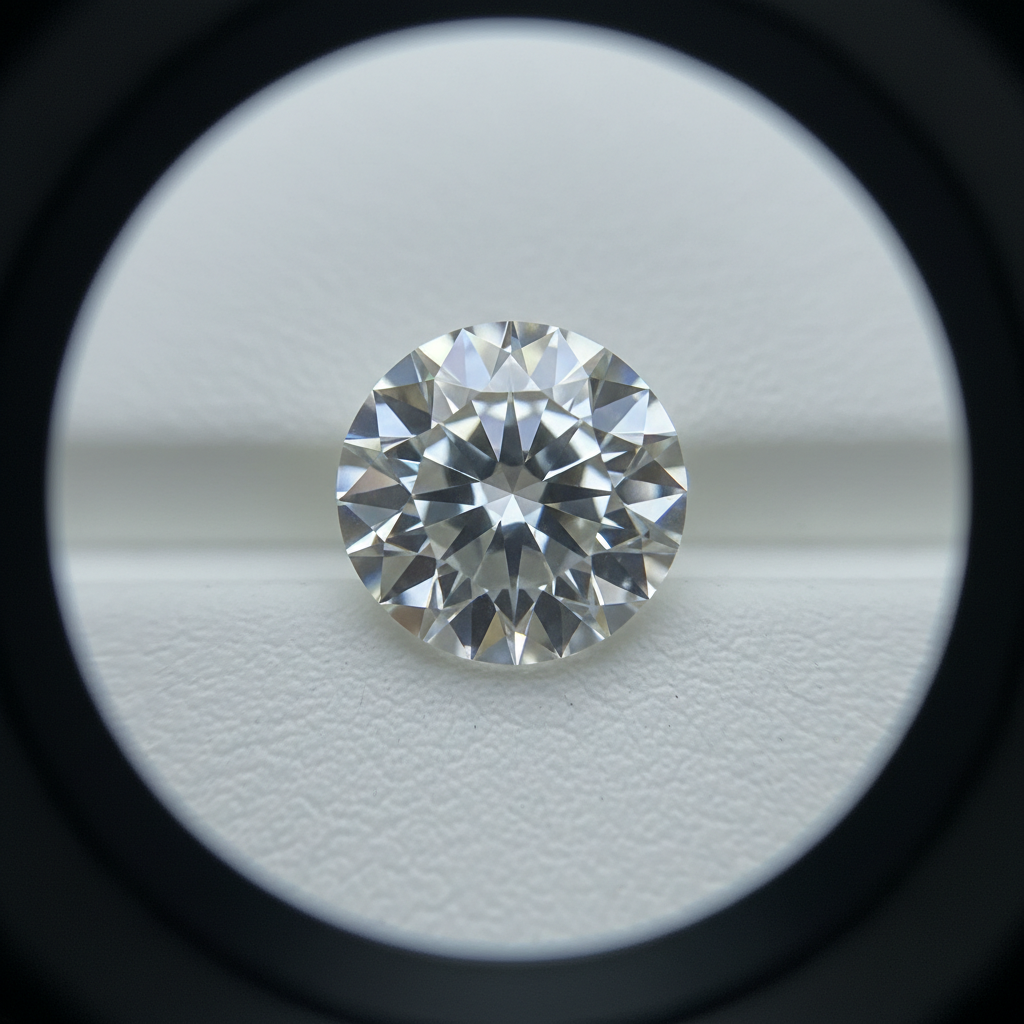
What are lab-grown diamonds?
Lab-grown diamonds are real diamonds created in controlled labs using the same carbon crystal structure as mined stones. They’re graded on the 4Cs, set in the same jewelry, and deliver exceptional brilliance. The key differences are origin, supply chain, and the ability to see modern certification detail.
In plain terms, a lab-grown diamond is diamond. It’s optically, chemically, and physically the same as mined. The lattice is pure carbon. The sparkle still lives or dies by how well the stone is cut and polished. And yes—lab-grown diamonds are graded against the same 4Cs you’ve heard about for years.
- Same 4Cs: cut, color, clarity, carat define beauty and value.
- Same settings: solitaires, three-stone, halos, and pavé look and wear the same.
- Same maintenance: periodic cleaning and prong checks keep brilliance high.
- Different origin: created via HPHT or CVD growth in modern facilities.
- Modern reports: grading reports detail measurements, growth method, and finish.
At Diamond2Deal, you’ll find lab-grown options across engagement rings, diamond stud earrings, tennis bracelets, and pendant necklaces—so you can start with the piece you have in mind and then tune the diamond attributes to your taste.
Why buying lab-grown diamonds matters in 2026
Shoppers want brilliance, traceable origin, and fast delivery. In Manhattan and across New York County, buyers also want expert guidance they can access online or near Grand Central. Lab-grown options meet these needs with certified quality, modern styles, and dependable shipping timelines.
The appeal is simple: high sparkle, clear information, and immediate availability. Many couples are working on tight proposal or event timelines; next-day shipping on thousands of in-stock Diamond2Deal styles removes stress. Others value education first; our learning hub and bookable consultations turn uncertainty into a confident, personal choice.
- Traceability: growth method and grading notes provide transparent documentation.
- Speed: wide in-stock selection means you can go from shortlist to shipped in a day.
- Selection: consistent availability across popular shapes and sizes makes comparison easier.
- Style range: classic solitaires to three-stone and unique engagement rings fit every aesthetic.
If you’re local, our Manhattan address at 420 Madison Ave sits a quick walk from Grand Central—easy for lunchtime pickups or quick fitting appointments without disrupting your day.
How lab-grown diamonds are made (and how to evaluate quality)
Two growth methods—HPHT and CVD—create real diamonds. Evaluate results by prioritizing cut precision, then aligning color, clarity, and carat with your goals. Read the full grading report, verify polish and symmetry, and compare stones side-by-side under neutral lighting before you commit.
HPHT (High Pressure High Temperature) compresses carbon at extreme conditions to grow a crystal, while CVD (Chemical Vapor Deposition) builds diamond layer by layer in a vacuum chamber. Either path can produce superb stones; what you see depends on cutting skill and final finishing.
Quality checklist you can trust
- Cut first: look for consistent brightness across the face-up view, crisp on–off scintillation, and no dull zones.
- Color target: many buyers prefer near-colorless ranges that stay bright in daylight and warm indoor light.
- Clarity reality: eye-clean is the goal; inclusions shouldn’t be visible without magnification.
- Carat context: size looks larger or smaller based on shape and how it’s measured across the top (spread).
- Finish factors: polish and symmetry grades influence how cleanly light returns.
- Report review: confirm measurements, growth method, and any notes relevant to performance.
Want a quick refresher on the principles? See our internal deep dives on the 4Cs and shopping strategy in this lab-grown diamond store guide.
Types, shapes, and styles to consider
Choose your shape for personality and your setting for lifestyle. Round maximizes sparkle; ovals elongate; emeralds highlight clarity; cushions balance fire and shape. Match solitaires, halos, or three-stone rings to your daily wear and maintenance comfort for lasting beauty.
Diamond2Deal carries certified lab-grown diamonds across engagement rings and everyday classics, so you can audition shapes and settings side-by-side before you buy.
- Shapes: round brilliant, oval, cushion, emerald, princess, pear, marquise, radiant, Asscher.
- Iconic styles: classic solitaire, pavé band, halo, channel-set, three-stone, east–west.
- For rings: choose low-profile settings if you’re hands-on; cathedral shoulders for elegance; bezel for security.
- For earrings: martini or four-prong studs, or sleek lab-grown diamond hoop earrings for movement.
- For bracelets: tennis bracelets emphasize uniformity and wrist comfort—test clasp strength.
- For necklaces: solitaire pendants, station necklaces, and initials blend personal style with daily wear.
Exploring engagement styles? Compare options and design notes in our lab-grown engagement rings guide, then browse complementary pieces via our internal diamond jewelry guide for a cohesive set.
Best practices when you buy lab grown diamonds
Confirm cut with your eyes, not just a grade. Compare two or three stones face-up in neutral light; verify the grading report; choose a setting that protects the girdle; and partner with a seller offering clear returns, a real warranty, and fast, trackable shipping.
- Side-by-side test: place stones on a white tray, view from 12–18 inches, and tilt to judge scintillation.
- Lighting mix: check under daylight-equivalent LEDs and warm indoor light to ensure balance.
- Scale your 4Cs: prioritize cut; then set safe ranges for color and clarity that look clean to your eye.
- Protective settings: prongs or bezels should cover corners on shapes like princess or marquise.
- Ring sizing: confirm comfort fit and shank thickness for long-term durability.
- Policy review: look for easy returns, responsive support, and a written warranty. Diamond2Deal provides all three.
Bookmark a reference for later: our internal diamond certification guide keeps the details at your fingertips when you’re comparing candidates.
Lab-grown vs. natural diamonds: fast comparison
Both are real diamonds with identical crystal structures and 4C grading. The practical differences are origin, supply chain, and how easily you can access modern documentation. Choose based on values, timeline, and style—then let cut quality lead the visual result every time.
| Factor | Lab-Grown Diamond | Natural Diamond |
|---|---|---|
| Origin | Created via HPHT or CVD in controlled labs | Formed in earth over geologic time |
| Grading | 4Cs with modern reporting detail | 4Cs with widely available reports |
| Style Options | Extensive, consistent supply across shapes | Extensive, depends on market supply |
| Buying Focus | Cut quality and documented origin | Cut quality and provenance preferences |
For a published overview from outside our store, see this lab vs. natural comparison and this separate independent explainer. Use them as thought starters while you refine your 4C targets and setting choices here.
Tools and resources for smarter selection
Use a shortlist worksheet, photos and videos in mixed lighting, and an education hub that explains the 4Cs in plain English. When in doubt, schedule a 15-minute consult to align your quality targets with styles in stock and your delivery timeline.
- Education hub: our internal lab-grown diamond store guide walks through each decision.
- Shape sampler: try round vs. oval vs. emerald on your hand to gauge spread and personality.
- Lighting check: request photos or videos under neutral and warm light for apples-to-apples comparison.
- Certification refresher: keep this 4Cs refresher handy as you review reports.
- Style pairing: explore studs, tennis bracelets, and pendants in our diamond jewelry guide to build a complete look.
- Sustainability read: see context in our internal lab-grown sustainability article.
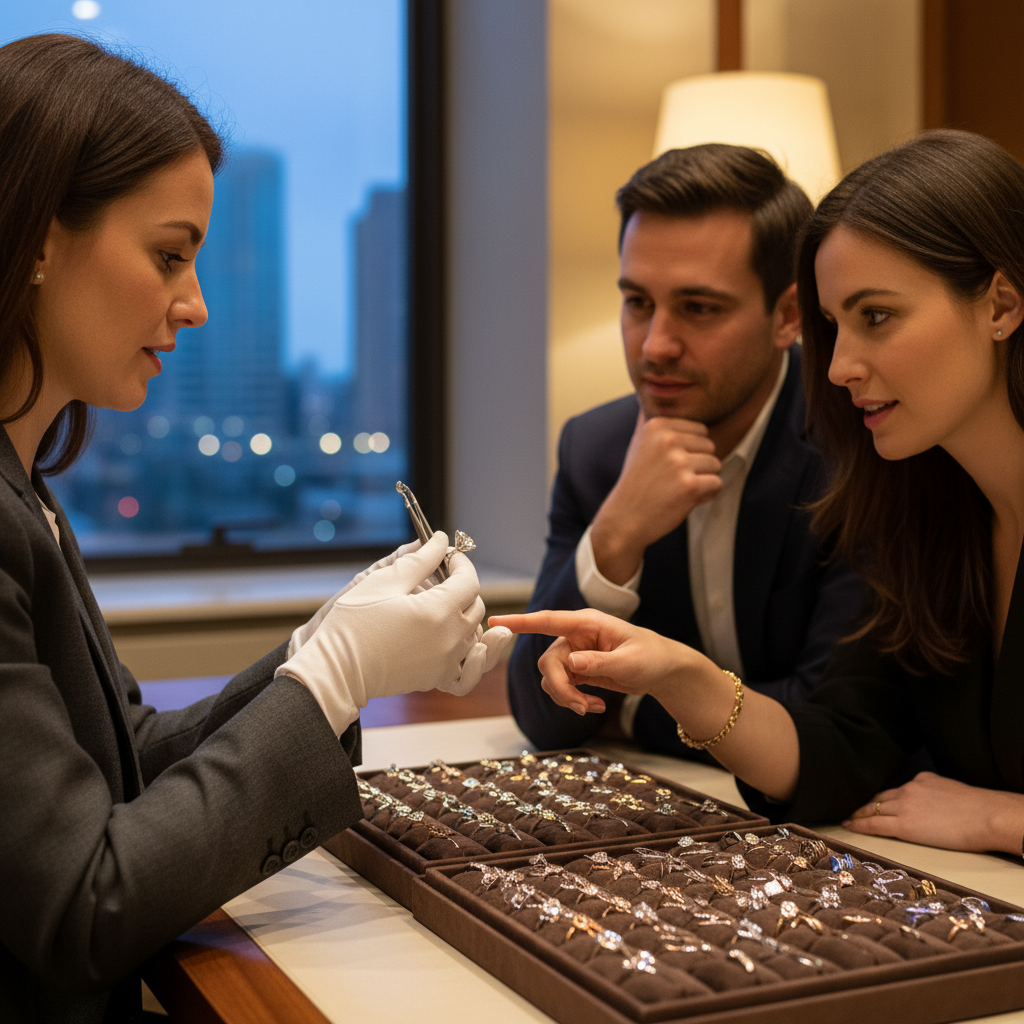
Prefer guided shopping? Book a quick appointment with a Diamond2Deal expert. We’ll confirm your 4C targets, compare shapes, and finalize a setting that fits your lifestyle and timeline—online or near Grand Central in Manhattan.
Case studies: real buyers, real wins
The fastest way to learn is through real outcomes. These brief snapshots show how couples and gift buyers used education, comparisons, and clear policies to buy lab-grown diamonds confidently—and why the final pieces still turn heads today.
Manhattan proposal on a deadline
A client working near Bryant Park needed a ring within days. We aligned on a round brilliant with standout cut, paired with a low-profile solitaire for daily wear. Next-day shipping on an in-stock setting met the deadline, and a quick resizing the following week kept momentum.
Everyday sparkle, zero snag
For a nurse in New York County who wears gloves daily, we suggested bezel-set lab-grown diamond stud earrings and a slim bezel pendant. The smooth profiles prevented snags and made cleaning simple, while still delivering that bright, crisp look in daytime lighting.
Anniversary upgrade with meaning
A couple wanted a new three-stone lab-grown diamond ring to mark a milestone. We compared oval and emerald side stones for balance, chose a secure trellis setting, and documented everything with a grading report for peace of mind. The ring now anchors a coordinated set with a tennis bracelet.
Pricing and value factors (no numbers, all signal)
Focus on value signals you can verify: precision cut, eye-clean clarity, near-colorless appearance in mixed light, and a secure setting. Confirm an independent grading report and partner with a seller who offers a real warranty, easy returns, and fast, insured shipping.
- Cut drives sparkle: better cutting makes stones appear brighter and sometimes larger face-up.
- Color in context: in yellow or rose gold, slightly warmer grades still look bright; in white metals, near-colorless keeps a crisp look.
- Clarity that disappears: if you can’t see it without magnification, it won’t affect daily enjoyment.
- Face-up measurements: millimeter spread matters more to the eye than carat alone.
- Setting security: right prongs or a bezel protect corners and edges during everyday wear.
- Policies protect you: a one-year warranty, 30-day returns, and responsive support are worth prioritizing.
For a deeper outside perspective on how color and clarity interact in real viewing, skim this color and clarity guide as you refine your targets, then return here to apply it to your exact ring or jewelry style.
Where to buy: online convenience, Manhattan ease
Buy lab-grown diamonds online for selection and speed, then lean on human help when you want it. In Manhattan, our 420 Madison Ave location offers quick pickup and consultations near transit, while our national e-commerce ships thousands of styles as fast as next day.
Most shoppers begin online, build a shortlist, and confirm with a quick consult. That’s exactly how our process is designed to work—use the education resources, compare shapes and settings, and then let us sanity-check your final choice.
Local considerations for Manhattan
- Plan quick visits around Grand Central to review settings or pick up an in-stock piece without taking a full afternoon.
- Holiday peaks bring tight timelines; lock your ring or gift several days early to avoid shipping queues and office closures.
- If you’re active or commute on foot, consider low-profile solitaires or bezels that won’t snag during daily Manhattan movement.
Frequently Asked Questions
These concise answers address the questions we hear most from lab-grown diamond shoppers. If you want detailed help for your specific ring or jewelry idea, book a short consult and we’ll walk you through examples and in-stock options.
Are lab-grown diamonds real diamonds?
Yes. Lab-grown diamonds share the same carbon crystal structure as mined diamonds and are graded on the same 4Cs. The differences are origin and supply chain. Visually and physically, performance depends on cut quality, polish, and symmetry—just like natural stones.
What should I prioritize first when buying?
Prioritize cut quality. Then align color, clarity, and carat with your taste and setting. Verify an independent grading report, view the stone in neutral lighting, and confirm a return window and warranty before finalizing your order.
Which shapes look largest for their carat weight?
Ovals, marquise, and pear shapes tend to have more spread for the same weight compared to deeper cuts. Round brilliants maximize sparkle; emerald and Asscher shapes emphasize clarity and pattern. Always compare face-up measurements in millimeters to judge apparent size.
Can I pair lab-grown diamonds with natural diamonds?
Absolutely. Many clients mix lab-grown center stones with natural diamond accents or vice versa. Focus on matching color appearance and cut style so the set looks cohesive. A professional will help you align proportions and metal color for a seamless look.
Key takeaways
Let cut lead, verify grading, and test shapes and settings in your real lighting. Choose trusted policies and fast, reliable shipping. When you want a double-check, a 15-minute consult can save hours and ensure you love the piece the first time.
- Cut quality drives brilliance; verify with eyes and report.
- Shortlist shapes and settings that fit your lifestyle.
- Confirm returns, warranty, and shipping timelines.
- Use education resources and quick consults to finalize with confidence.
Conclusion: Your next step
You’re ready to buy lab grown diamonds with clarity and confidence. Use the framework here, lean on our Manhattan team when you want help, and select a piece that fits how you actually live. The right cut and setting turn lab-grown brilliance into lasting, everyday joy.
- Browse shapes and settings, then build your shortlist.
- Review the grading report and check performance in mixed lighting.
- Book a quick appointment if you want a human second opinion.
- Finalize with fast shipping and a written warranty.
Ready when you are. We’re at 420 Madison Ave in Manhattan and online nationwide—here to help you compare styles, verify quality, and celebrate with confidence.