

Cheap Lab-Grown Diamond Engagement Rings: More Sparkle in 2026
Cheap lab grown diamond engagement rings are value-first designs using certified lab-created diamonds set in durable gold for maximum sparkle. At Diamond2Deal’s Manhattan office at 420 Madison Ave, Rm 500, New York, our experts help you compare shapes, settings, and the 4Cs so you get standout brilliance without the retail markup.
By Mit Trivedi, President — Diamond2Deal • Last updated: 2026-06-22
Above-Fold: Hook & Table of Contents
This complete guide shows how to choose lab-grown diamond engagement rings that look larger, sparkle brighter, and wear comfortably every day. You’ll learn the 4Cs, best-value shapes and settings, sustainability basics, and step-by-step buying moves—plus where Diamond2Deal’s Manhattan team and education center fit in.
Use this quick roadmap to jump to what you need most.
- What are lab-grown diamond engagement rings?
- Why value matters in Manhattan
- How lab-grown diamonds work
- Types, shapes, and settings
- Best practices for buying
- Tools & resources
- Real examples
- Care & longevity
- FAQ
- Conclusion & next steps
At a Glance
Cheap lab grown diamond engagement rings maximize beauty per dollar by prioritizing cut quality, near-colorless color, eye-clean clarity, and light-boosting settings. With certified stones, durable metals, and fast fulfillment, you can secure a ring that looks bigger and lasts longer—without compromising craftsmanship.
Here’s what you’ll walk away with today.
- Clear targets for cut, color, clarity, and carat appearance
- Shapes and settings that create more finger coverage
- Daily-wear design choices that reduce snagging and stress
- Education-first steps that simplify side-by-side comparisons
- How Diamond2Deal’s next-day shipping supports timely proposals
What are lab-grown diamond engagement rings?
Lab-grown diamond engagement rings use real diamonds created by HPHT or CVD and mounted in precious metals. They match mined diamonds in chemistry and hardness (Mohs 10) and share the same refractive index (~2.42), so cut quality and setting design determine most of the visible sparkle.
In simple terms, a lab-grown diamond is crystallized carbon with the same structure as a natural diamond. It’s graded on the 4Cs—cut, color, clarity, and carat—by independent labs using the same criteria applied to mined stones. Round brilliants typically feature 57–58 facets, which is why they’re famous for balanced fire and scintillation.
- HPHT growth: Carbon forms under high pressure and high temperature around a tiny diamond seed.
- CVD growth: Carbon atoms deposit layer by layer in a vacuum chamber, building the crystal over time.
- Certification: Reputable grading reports document the 4Cs, growth method, and any post-growth treatments.
What most people don’t realize: origin doesn’t predict beauty—proportions and craftsmanship do. That’s why the smartest “cheap lab grown diamond engagement rings” aren’t about chasing a single metric; they balance specs with a light-friendly setting.
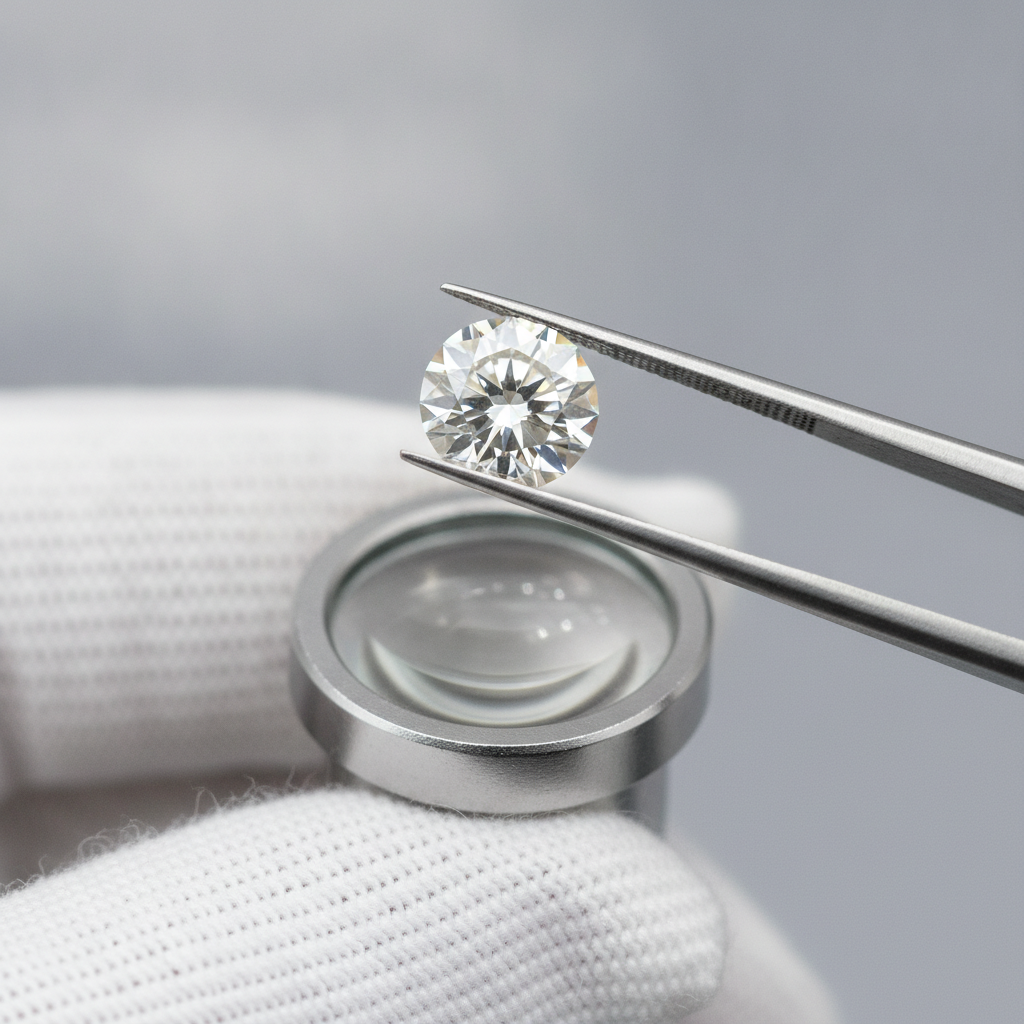
Why value-focused lab rings matter in Manhattan
In Manhattan and across New York County, lab-grown diamonds combine certified quality, modern ethics, and speed. With thousands of in-stock styles and guided appointments, you can secure a ring that looks larger and wears comfortably—backed by friendly policies and next-day shipping.
Life here moves fast. Couples want a ring that photographs beautifully, arrives on time, and stands up to daily city life. Lab-grown options expand your shape and size choices, while smart settings amplify face-up size so the center looks striking in photos from every angle.
- Speed you can feel: Next-day shipping on thousands of styles supports tight timelines.
- Design freedom: Solitaires, three-stone rings, and unique halos let you personalize the look.
- Confidence: Certified stones, a 1-year warranty, free gift packaging, and 30-day returns build trust.
Local considerations for Manhattan
- Plan an appointment near Rockefeller Center or Grand Central and turn ring shopping into a memorable outing.
- Peak proposal season often overlaps with holidays; allow time for engraving or resizing during the rush.
- Urban wear favors low-profile settings and secure prongs that won’t snag on winter layers or commute bags.
How lab-grown diamonds work (and what to look for)
Lab-grown diamonds are created via HPHT or CVD in controlled labs and graded on the same 4Cs scale as mined stones. For best value, prioritize Excellent/Ideal cut, near-colorless color, and eye-clean clarity—then pair with a setting that protects the stone while letting in light.
Growth method alone doesn’t guarantee beauty. Cut does. Light performance correlates with proportions: table, depth, crown, and pavilion angles. A well-cut round, for instance, typically faces up ~6.4–6.5 mm at one carat, delivering balanced brilliance you can see across a room.
- Cut first: Excellent/Ideal cut grades drive brightness, fire, and scintillation you notice instantly.
- Color sweet spot: Near-colorless (often G–I) looks white once set, especially in white metals.
- Clarity goal: “Eye-clean” means inclusions aren’t visible at normal viewing distance.
- Metal choice: 14K gold balances durability and luster; 18K gold offers a richer hue.
- Security: Six-prong baskets and bezels improve protection for daily wear.
We’ve found that videos in both daylight and soft indoor light reveal more than static photos. It’s also wise to inspect symmetry and polish grades; together with cut, they influence how crisp facet reflections appear.
Types, shapes, and settings that look bigger
To maximize apparent size, choose elongated shapes, slender bands, and light-friendly settings. Ovals, pears, marquise, emerald, and radiant cuts spread across the finger; halos add a bright outline; micro‑pavé and hidden halos spotlight the center without adding height.
Round brilliants remain the most versatile and look timeless in six-prong solitaires. Elongated shapes create more finger coverage per carat, and modern variations—like east‑west mounts—change the feel without sacrificing comfort. Three-stone rings frame the center and can add ~20–30% more visual width.
- Elongating shapes: Oval, pear, marquise, emerald, radiant
- Light-boosting details: Micro‑pavé bands, hidden halos, cathedral shoulders
- Comfort choices: Low baskets reduce snagging; bezels add excellent edge protection
- Band scale: Slim bands around ~1.6–2.0 mm make centers appear larger by contrast
Quick comparison: settings vs benefits
| Setting | Sparkle | Protection | Maintenance |
|---|---|---|---|
| Six-prong solitaire | High | Good | Periodic prong checks |
| Halo | Very high | Moderate | Occasional cleaning |
| Bezel | Medium | Excellent | Low |
| Cathedral | High | Good | Prong checks |
Here’s the thing: the most convincing “cheap lab grown diamond engagement rings” usually combine a face‑up‑large center with a secure, low profile. That balance delivers daily comfort and compelling sparkle in photos and real life.
Best practices for buying on a budget
Lead with cut, aim near-colorless, and keep clarity eye-clean. Choose shapes and settings that amplify visual spread, then confirm durability with balanced metal and prong choices. Use certification, warranty, and return windows to remove stress—then compare options side by side with an expert.
In our experience guiding couples in New York, spec discipline beats chasing a single headline number. A near‑colorless, eye‑clean diamond with precise proportions often looks indistinguishable from higher grades to the naked eye—especially once it’s set and sparkling under everyday lighting.
- Define non‑negotiables: Preferred shape, metal color, and daily‑wear profile (low vs elevated).
- Target specs: Excellent/Ideal cut; near‑colorless range; eye‑clean clarity; balanced carat‑to‑spread.
- Request videos: Evaluate daylight, spotlight, and soft indoor scenes to judge sparkle consistency.
- Check security: Six‑prong or bezel edges; sturdy micro‑pavé with well‑set beads.
- Confirm support: Warranty coverage and 30‑day returns build confidence in your choice.
Need help mapping trade‑offs? Our education hub on lab‑grown diamond rings and the 4Cs breaks decisions into bite‑size steps and shows real examples you can emulate.
Tools and resources you can use today
Use Diamond2Deal’s education guides, in‑stock filters, and expert appointments to compare shapes, settings, and certified stones in minutes. Save favorites, request videos, and confirm ring size using a printable tool or a well‑fitting band you already wear.
Start with fundamentals, then move into side‑by‑side comparisons.
- Review lab‑grown basics and 4Cs in our lab‑grown jewelry guide for a solid foundation.
- Explore styles in the lab‑grown engagement rings overview for visual inspiration.
- Compare practical tips from our smart buying for engagement rings article.
- Curious about brands? See our lab‑grown jewelry brands rundown for context.
- Ready to personalize? Our custom ring guide outlines design choices and timelines.
When you’re shortlisting, filters matter. Sort by shape, metal color, and availability. If a style is marked in‑stock, next‑day shipping can keep a surprise proposal on schedule—even during busy seasons.
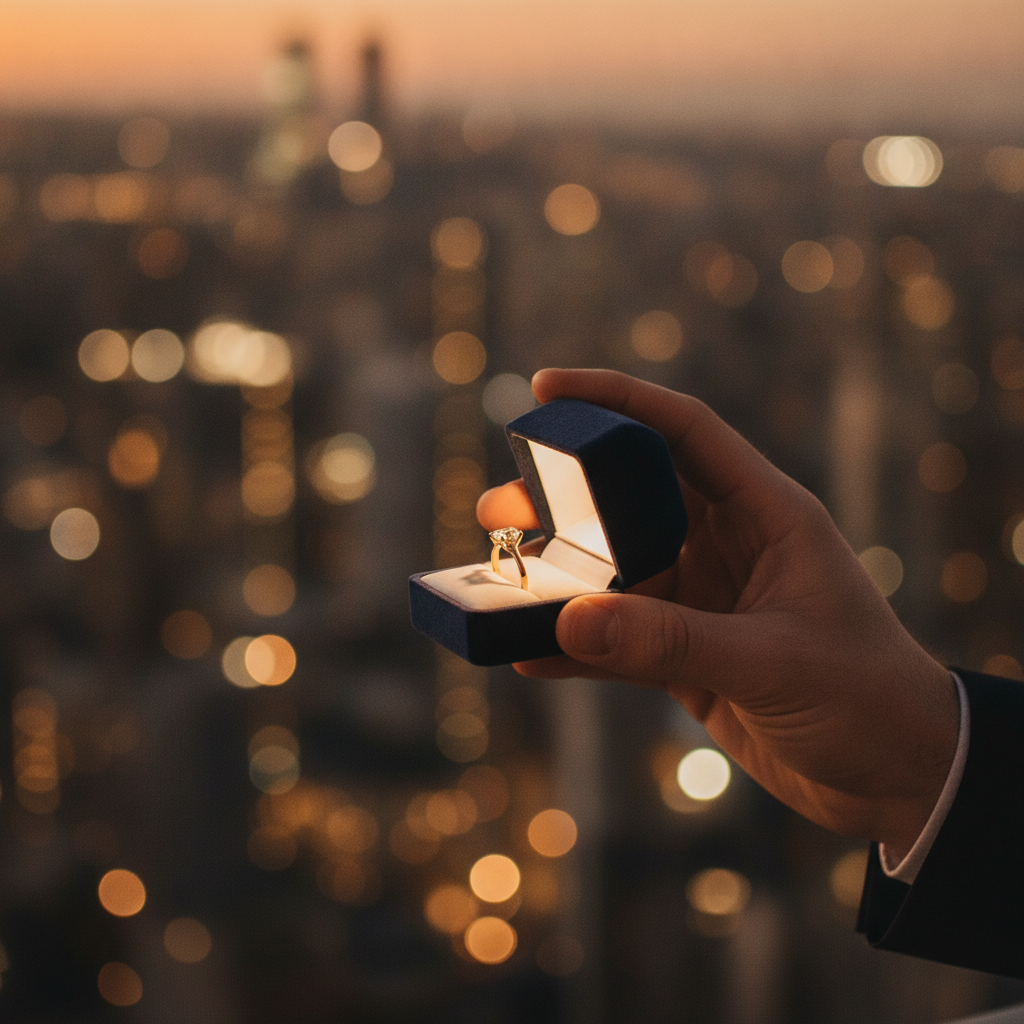
Real‑world examples (Diamond2Deal stories)
Smart trade‑offs create visible impact. These quick mini‑cases show how shape, setting, and spec targets translate into a larger‑looking, durable ring—tailored to daily life in New York, from winter layers to photo‑ready celebrations.
Example 1: The photo‑forward classic
- Goal: A timeless ring that photographs brilliantly for a rooftop proposal in Midtown.
- Choice: Round brilliant, six‑prong solitaire, 14K white gold; Excellent cut; near‑colorless; eye‑clean.
- Why it works: Round’s 57–58 facets deliver balanced fire; six prongs add security without blocking light.
Example 2: The “looks larger” oval
- Goal: More finger coverage for a delicate hand and easy wear under winter gloves.
- Choice: Oval solitaire, low‑set basket, 14K yellow gold band; near‑colorless; eye‑clean.
- Why it works: Elongation stretches visually; low profile prevents snagging on coats and totes.
Example 3: The modern halo
- Goal: Maximum sparkle with a contemporary feel for an evening gallery date.
- Choice: Radiant center with micro‑pavé halo and hidden‑halo detail, 14K white gold.
- Why it works: Halo adds a bright outline; radiant facets throw bold flashes in low light.
Each path embraces the same rule: lead with cut, select eye‑clean clarity, and use setting geometry to unlock spread. That’s how “cheap lab grown diamond engagement rings” deliver a bigger look the moment the box opens.
Care, cleaning, and longevity
Diamonds rate 10 on the Mohs hardness scale and resist scratching, but rings still need care. Clean with mild soap and a soft brush, avoid harsh chemicals, and schedule prong inspections. Low‑profile or bezel designs can reduce snagging, while proper storage protects delicate micro‑pavé.
Great sparkle is mostly clean facet surfaces plus strong lighting. A quick weekly routine—warm water, mild soap, soft toothbrush, rinse, pat dry—restores brightness by removing skin oils that lower perceived fire. Monthly, inspect prongs and pavé; if a stone feels loose, pause wear and have it checked.
- Weekly refresh: 5–10 minutes with mild soap, soft brush, and a lint‑free dry.
- Monthly check: Inspect prongs under bright light; look for movement or gaps in pavé beads.
- Travel tip: Use a compact case with separate compartments to prevent scratches on gold surfaces.
FAQ: Cheap lab-grown diamond engagement rings
These brief answers cover authenticity, durability, value specs, and style choices so you can shop with confidence. Each response reflects how independent grading works and what actually holds up in daily New York life.
Are lab-grown diamonds real diamonds?
Yes. Lab-grown diamonds have the same chemical composition and crystal structure as mined diamonds. They score 10 on the Mohs scale, take a high polish, and can be certified by independent labs using the same 4Cs standards.
Will a lab-grown diamond look different from natural?
To the naked eye, no—when cut and graded comparably. Beauty depends on cut proportions and setting design. Most shoppers can’t distinguish origin without magnification or a grading report.
What specs offer the best value?
Prioritize Excellent/Ideal cut, near-colorless color (often G–I), and eye-clean clarity. These choices optimize appearance without paying for imperceptible differences to the naked eye.
Which settings make the center look bigger?
Halos, micro-pavé bands, hidden halos, and elongated shapes like ovals and pears increase visual spread. Slender bands around ~1.6–2.0 mm can enhance contrast for a larger-looking center.
How fast can I get a ring?
Many in-stock styles can ship the next business day. If you need engraving or resizing, build in extra time—especially around holidays and peak proposal periods.
Conclusion and next steps
Choose a lab-grown engagement ring by leading with cut, aiming for near-colorless and eye-clean, and selecting light-boosting, secure settings. Use education tools, videos, and expert appointments to compare options—then rely on next-day shipping and customer-first policies to finish strong.
Key takeaways
- Cut drives sparkle; settings shape the face-up look and comfort.
- Near-colorless, eye-clean targets offer exceptional everyday beauty.
- Elongated shapes and halos create a larger apparent size on hand.
- Low profiles and robust prongs improve daily durability.
Action steps
- Skim our engagement rings + lab-grown primer.
- Shortlist shapes, settings, and metal colors that match your style.
- Request videos to compare sparkle in multiple lighting conditions.
- Book an expert appointment for side-by-side guidance at 420 Madison Ave.
For more background on how lab-grown and other white stones compare, see this practical overview of differences between diamond and moissanite in a lab-grown vs. moissanite guide. If you’re brushing up on fundamentals, a concise diamond ring buying guide can help you organize notes before your appointment. For a high-level orientation to origin types, here’s a what‑is lab-grown diamond explainer.