

Lab Grown Diamond Costs: Save More With Smart Buying 2026
Lab grown diamond cost refers to the value drivers behind a lab-created diamond’s price—not a single number. From cut quality and carat to grading, shape, and setting, these factors determine what you’ll spend. At our New York location (420 Madison Ave, 5th Floor, Rm 500), Diamond2Deal helps you compare options and maximize beauty for your budget.
By Mit Trivedi, President — Diamond2Deal
Last updated: June 17, 2026
Above-Fold Section: How to think about lab grown diamond costs
Lab grown diamond costs are shaped by the 4Cs, grading, shape, and setting—plus seller policies that add real value. Focus on the best cut your budget allows, choose balanced color and clarity, and leverage certified stones. Diamond2Deal’s education hub and expert appointments streamline every step.
When people ask “What’s the cost of lab grown diamonds?” they’re really asking how to balance quality and value. The right approach avoids overpaying for invisible differences and prioritizes what your eye actually notices.
- Prioritize cut to unlock the most sparkle for the same carat weight.
- Balance color and clarity based on the shape and setting you love.
- Insist on reputable grading for transparent, apples-to-apples comparisons.
- Think holistically: warranty, returns, and shipping affect real-world value.
- Get guidance: book a Diamond2Deal appointment for tailored advice.
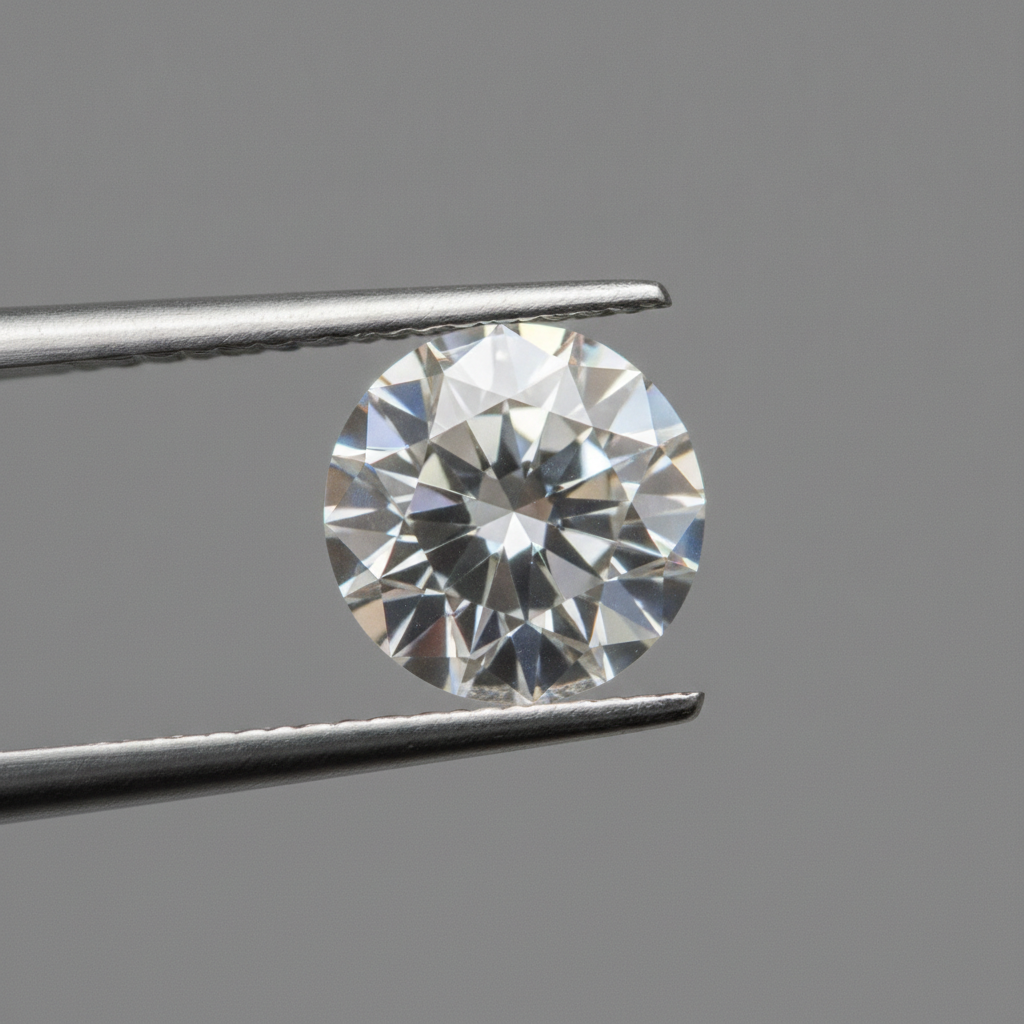
Quick Summary
To buy lab grown diamonds wisely, invest in cut, choose balanced color/clarity for the shape, and confirm grading. Settings and metal also influence total spend. Diamond2Deal adds value with next-day shipping, a 1-year warranty, 30-day returns, free gift packaging, and expert appointments.
- Primary factors: 4Cs, shape, fluorescence, lab report, and setting.
- Visible impact: cut and carat influence beauty most to the naked eye.
- Risk reducers: reputable grading, warranty, return window, and support.
- Where we help: engagement rings, wedding bands, earrings, necklaces, bracelets.
- Shop support: thousands of in‑stock styles with next‑day shipping.
What is the cost of lab grown diamonds?
The cost of lab grown diamonds is determined by quality factors (4Cs), grading credibility, shape, and setting choices—not a fixed price. Buyers control spend by prioritizing cut, selecting balanced color/clarity, and choosing certified stones with buyer-friendly policies for true, end-to-end value.
Cost is a set of trade-offs. Two stones with identical carat weight can look very different—and be valued differently—because of cut precision, light performance, and clarity characteristics.
- Cut: Proportions and symmetry that maximize brilliance and fire.
- Color: Apparent body color; warmer tones can pair beautifully with yellow gold.
- Clarity: Degree and location of inclusions; “eye-clean” is the smart target.
- Carat: Weight and face-up size; shapes distribute carat differently.
- Shape: Round, oval, cushion, emerald, princess, pear, radiant, marquise, and more.
- Grading report: Independent lab documentation for transparency.
- Setting & metal: Solitaire vs. halo; 14k vs. 18k gold; design complexity.
In our experience helping New York couples, the most common “aha” moment is realizing that a well-cut lab grown diamond in a thoughtfully chosen setting often outshines a larger but poorly cut stone. Beauty per dollar improves when you weight decisions toward cut quality and real-life appearance.
Why lab grown diamond value matters
Value matters because you wear the diamond every day. Prioritizing visible beauty (cut, sparkle, balanced color/clarity) and strong seller policies yields longer-term satisfaction. Diamond2Deal’s family ownership since 1998 and education-first approach reduces uncertainty and improves outcomes.
Here’s the thing: a ring isn’t just a purchase; it’s a promise. Value shows up in daily sparkle, comfort, and confidence—not only in specs on paper. That’s why we focus on decisions you’ll see and feel.
- Daily delight: Better cut equals brighter sparkle in all lighting.
- Practical elegance: Balanced color/clarity often looks cleaner than over-optimizing either one.
- Confidence: A reputable grading report supports future service, insurance, and trade-in considerations.
- Peace of mind: Diamond2Deal’s 1-year warranty and 30-day returns back your choice.
- Speed to “yes”: Next-day shipping on thousands of styles moves proposals forward.
We routinely help shoppers compare options across engagement rings, wedding rings, and fine jewelry gifts. The right framework saves time and avoids do-overs later.
How lab grown diamonds are made—and how production affects value
Lab grown diamonds are real diamonds formed by CVD or HPHT processes. Production control enables consistent quality, but cut precision and grading still separate average from exceptional. Choose stones with reputable lab reports and prioritize cut to capture the lighting performance you’ll notice daily.
Both CVD (Chemical Vapor Deposition) and HPHT (High Pressure High Temperature) create crystalline carbon with the same optical and physical properties as mined diamonds. This predictability supports steady availability of certain sizes and shapes throughout the year.
- CVD: Thin diamond “seed” grows in a carbon-rich plasma; often yields excellent material for fine cutting.
- HPHT: Growth under high pressure and temperature; often produces very clean crystals with distinct growth patterns.
- Post-growth finishing: Cutting and polishing determine brilliance more than the growth method alone.
- Grading evolution: Major labs now provide full color and clarity grades for lab grown diamonds, enabling objective comparisons.
From a value perspective, growth method is less important than the final craftsmanship and documentation. We coach clients to evaluate light return, facet precision, and symmetry first—then choose carat, color, and clarity to meet style goals.
Types, methods, and style choices that influence spend
Cut quality and shape drive appearance; color and clarity should be balanced to the setting. Metals and ring architecture (solitaire, halo, three-stone) also influence total spend. Use your style vision—then tune specs to reach it efficiently without paying for invisible differences.
Start with the look you love. Then calibrate specs to match that aesthetic without overshooting.
- Shapes: Round (maximum sparkle), oval (elongating), cushion (soft corners), emerald (mirror-like steps), princess, radiant, pear, marquise.
- Settings: Solitaires emphasize the center stone; halos add perceived size; three-stone rings symbolize past, present, future.
- Metals: 14k/18k yellow, white, and rose gold subtly shift how color is perceived.
- Side stones & pavé: Can achieve “more look” without jumping center-stone carat tiers.
- Fluorescence: Sometimes softens color appearance in certain lighting; evaluate case by case.
Diamond2Deal’s selection spans classic solitaires to unique engagement rings, plus eternity and anniversary bands, diamond stud and hoop earrings, tennis bracelets, and pendant necklaces. We tune recommendations to each client’s priorities, whether that’s maximum sparkle, vintage charm, or modern minimalism.

Pricing factors and comparison (lab grown vs. natural)
Compare diamonds by origin, grading, availability, and craftsmanship. Lab grown and natural are both real diamonds; value outcomes depend on the 4Cs and cut quality. Use a side-by-side framework and insist on reputable lab reports to make clean, unbiased decisions for your budget.
Here’s a simple comparison you can use in-store or online:
| Factor | Lab Grown | Natural | What it means for you |
|---|---|---|---|
| Origin | CVD or HPHT growth | Geologic formation | Both are diamond; origin differs. |
| Grading | Full color/clarity grades issued by independent labs | Full color/clarity grades issued by independent labs | Use reports to compare apples-to-apples. |
| Availability | Consistent supply for many shapes/sizes | Variable by mine/output | Shoppers can plan around predictable options. |
| Craftsmanship | Cutting determines light return | Cutting determines light return | Cut quality is a top priority in both. |
| Policies | Brand-specific warranty/returns | Brand-specific warranty/returns | These add real-world value. |
Weight your decision toward the visible: cut precision, face-up size, and overall design harmony. With the right framework, you’ll choose confidently—no guesswork.
Best practices to optimize your budget—without sacrificing beauty
Maximize value by prioritizing cut and choosing balanced color/clarity for your preferred shape and metal. Use independent grading, evaluate light performance, and lean on expert guidance. Diamond2Deal’s education library and appointments make the process easier and faster.
- Start with cut: It impacts brightness, fire, and scintillation the most.
- Choose the right shape: Ovals, pears, and marquise can offer generous face-up size relative to weight.
- Balance color to metal: Yellow and rose gold harmonize with warmer tones; white gold favors icy looks.
- Target “eye-clean” clarity: Don’t pay for what you can’t see unaided.
- Use reputable grading: Independent reports support apples-to-apples comparisons.
- Leverage settings: Halos or pavé can amplify presence without chasing higher carat tiers.
- Learn the 4Cs: See our lab-grown diamond jewelry guide.
- Shop smart: Our store guide explains how we curate and ship quickly.
We also encourage side-by-side viewing under different lights. Sparkle that impresses in daylight should still sing under soft evening LEDs.
Need one-on-one help? Book a consult with a Diamond2Deal expert at our Manhattan location or virtually. We’ll tailor specs to your style and timeline.
Tools and resources you can use today
Use Diamond2Deal’s education hub, certified selection, and expert appointments to simplify decisions. Thousands of in-stock styles, next-day shipping, a 1-year warranty, 30-day returns, and free gift packaging compound value beyond the diamond specs alone.
- Education first: Read our lab-grown diamond education to decode the 4Cs.
- Shopping strategy: See the lab-grown store guide for curation and delivery tips.
- Engagement focus: Explore styles in our internal coverage of lab-grown engagement rings.
- Cut & quality: Compare insights in learn the 4Cs before you buy.
- Style and sustainability: Read lab grown sustainability to align values with style.
- Beyond rings: Consider diamond stud earrings and necklaces for milestone gifts as part of your plan.
You might be wondering about “gia diamond” resources. We recommend using reputable grading reports and learning how report details map to real-life sparkle—our education content explains how to read them confidently.
Mini case studies: real-world scenarios from Manhattan and nationwide
These brief scenarios show how shoppers balance beauty and value: prioritize cut, calibrate color/clarity to setting, and use certified stones. With guidance, clients achieve standout sparkle and style—often faster—thanks to next-day shipping and appointment support.
- Midtown proposal, winter: A client booked an appointment at 420 Madison Ave, compared two oval lab grown diamonds under daylight and LED, and chose the brighter cut in a halo setting for maximum presence with gloves and coats in mind.
- Destination wedding timeline: A couple needed a ring quickly. We paired a well-cut round with a classic solitaire and shipped next-day, then added a diamond eternity band for the ceremony look.
- Vintage-inspired look: She loved an emerald-cut aesthetic. We targeted crisp step-cut symmetry, tuned color to rose gold, and used side baguettes to echo Art Deco lines.
- Giftable sparkle: For a milestone birthday, we curated lab grown diamond studs with secure backs and matched color for a cohesive pair, delivered in free gift packaging.
Each case prioritizes what the eye notices first. That’s how you protect long-term satisfaction and make the most of your investment.
Local considerations for Manhattan
- Plan appointments around Midtown foot traffic; if you’re near Rockefeller Center, give yourself buffer time to compare stones calmly.
- Peak shopping surges follow holidays; book early for pre-holiday proposals or summer travel timelines.
- Public transit via Grand Central makes it easy to bring your partner for side-by-side viewing under multiple lighting conditions.
Frequently Asked Questions
These FAQs explain how to evaluate value without fixating on a single number. Focus on cut, balance color/clarity to your setting, and rely on reputable grading. Policies like warranty, returns, and shipping complete the value picture.
Are lab grown diamonds real diamonds?
Yes. Lab grown diamonds have the same crystal structure and optical properties as natural diamonds. They’re created by CVD or HPHT methods and graded on the same 4Cs. Evaluate them with the same care, especially cut quality and light performance.
Which grading labs should I trust for lab grown diamonds?
Choose diamonds accompanied by reports from well-known, independent laboratories that provide full color and clarity grades. Reliable documentation supports comparisons, insurance, and long-term service—regardless of origin.
What matters more for appearance: color, clarity, or cut?
Cut quality usually has the biggest visual impact. After that, balance color and clarity based on your shape and metal. An eye-clean stone with strong light return will look brighter and larger in daily wear than a poorly cut diamond with higher paper specs.
Do certain shapes deliver more face-up size?
Some elongated shapes—like oval, pear, and marquise—often offer generous face-up dimensions for their weight. If maximizing presence is your goal, compare outlines and millimeter measurements alongside carat.
Can I shop beyond rings to stretch my budget?
Yes. Consider diamond stud earrings, tennis bracelets, or pendant necklaces for milestone gifting. These pieces deliver strong sparkle-per-dollar and let you reserve center-stone decisions for a later engagement or anniversary upgrade.
Conclusion: make a confident lab grown choice
The best way to approach lab grown diamond costs is to buy what your eyes love: superior cut, balanced color/clarity, and a setting aligned to your style. Add reputable grading and supportive policies, and you’ll win on beauty, confidence, and long-term satisfaction.
Key takeaways to carry with you:
- Prioritize cut and light performance before everything else.
- Balance color and clarity to the shape and metal you prefer.
- Use independent grading and compare stones under multiple lights.
- Lean on Diamond2Deal’s education and expert guidance to finalize faster.
Ready to see options in person or online? Schedule a consultation at 420 Madison Ave in Manhattan or meet virtually—we’ll help you craft the perfect ring, earrings, or necklace with confidence.
For broader background and consumer perspectives, see lab grown explainers from Riant’s overview, educational pages about lab grown diamonds, and this balanced lab vs. natural comparison.