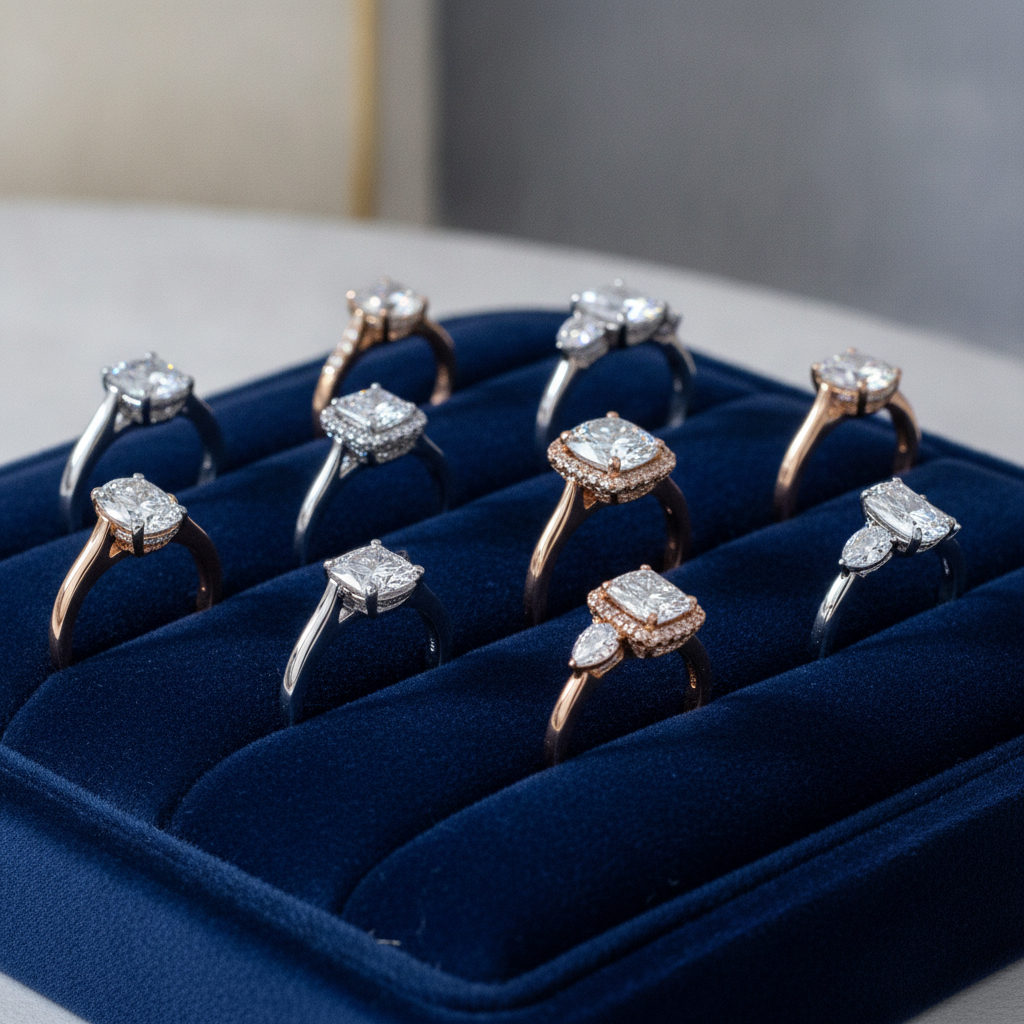
Lab Grown Diamond Engagement Rings: Bigger Sparkle for Less 2026
Lab-grown diamond engagement rings are rings set with laboratory-created diamonds that match mined diamonds in chemical composition, crystal structure, hardness, and fire. In the USA, certified lab-created stones follow the same 4Cs, often delivering more carat and clarity at the same budget. That’s why many couples now consider lab-grown for timeless proposals.
By Mit Trivedi — President, Diamond2Deal
Last updated: July 7, 2026
At a Glance
Lab-grown diamond engagement rings combine the beauty of luxury diamonds with modern science. You get the same sparkle and durability as mined stones, verified by grading reports and the 4Cs. Shoppers value fast delivery, strong warranties, and education-first support—areas where Diamond2Deal’s next-day shipping and expert guidance stand out.
Use this quick overview to navigate the full guide:
- What lab-grown diamond engagement rings are and how they’re certified
- Why more USA couples choose them for style, value, and speed
- How CVD and HPHT growth methods work (simple explainer)
- Shapes, settings, and metals that define your look
- How to evaluate the 4Cs specifically for lab-grown
- Step-by-step online buying checklist and pro tips
- Tools, resources, and mini case examples from Diamond2Deal
What Are Lab‑Grown Diamond Engagement Rings?
Lab-grown diamond engagement rings feature diamonds created in controlled laboratories, with the same carbon lattice and optical properties as mined stones. They’re graded on cut, color, clarity, and carat, and set in fine metals like 14k or 18k gold. The look, brilliance, and durability are indistinguishable to the naked eye.
Let’s keep it clear and practical. “Lab-grown” (also called lab-created or man-made) refers to diamonds produced by recreating the natural growing environment. The result is a real diamond with the classic sparkle couples expect in an engagement ring.
- Composition: Pure carbon in a diamond cubic crystal (same as mined).
- Hardness: 10 on the Mohs scale for exceptional wear resistance.
- Optics: High refractive index and dispersion for fire and scintillation.
- Grading: The familiar 4Cs, reported by independent labs.
- Metals: Commonly 14k (≈58.5% gold) and 18k (≈75% gold) white, yellow, or rose.
In our experience helping engagement shoppers, definitions aren’t enough. You also want assurance. Diamond2Deal focuses on certified lab-grown diamonds and clear education so you can make a confident choice you’ll love for decades.
Why Lab‑Grown Matters for Engagement Rings in the USA
Lab-grown matters because it expands your options without compromising beauty or durability. Many USA buyers find they can prioritize cut quality and carat size while staying true to their style and values. Fast fulfillment, education, and fair policies make the experience smoother from browsing to proposal.
Here’s the thing: proposals are personal, but the process can feel overwhelming. Lab-grown gives you more flexibility to choose the center stone, the setting style, and the metal you truly want—often with shorter delivery windows, too. Diamond2Deal supports this with next-day shipping on thousands of styles and a 1-year warranty for peace of mind.
- Choice and scale: Wider availability of popular shapes and sizes.
- Prioritize excellence: It’s easier to select ideal or excellent cut—where sparkle is maximized.
- Speed: Next-day shipping on in-stock rings means you can propose sooner.
- Support: Book time with an expert and use the education hub before you buy.
- Policies: Enjoy 30-day returns and a 1-year warranty at Diamond2Deal.
For couples comparing options, those service elements matter as much as the stone. A smooth path—education first, selection second, swift shipping third—keeps planning on track.
How Lab‑Grown Diamonds Are Made (CVD vs HPHT)
Lab-grown diamonds form via two main methods. CVD builds diamond layer by layer from carbon-rich gas on a seed. HPHT grows crystals by applying intense heat and pressure, similar to Earth’s mantle. Both produce real diamonds that can be cut, polished, and graded like mined stones.
New to the science? Here’s a simple view that connects the dots without the jargon.
Two proven growth methods
- CVD (Chemical Vapor Deposition): Carbon atoms deposit onto a seed in a vacuum chamber, forming a diamond layer over time. CVD often enables fine control for high clarity and precise color.
- HPHT (High Pressure High Temperature): The seed sits in a press that simulates deep-earth conditions. HPHT can yield excellent crystals, and modern techniques help minimize metallic inclusions.
From crystal to center stone
- Planning: Each rough crystal is scanned to plan facets for maximum light return.
- Cutting: Master cutters shape and polish 57–58 facets for round brilliants; fancy shapes vary.
- Grading: Independent labs assess the 4Cs and issue a report.
- Setting: The diamond is secured in a ring—often 4 or 6 prongs for rounds; bezels and halos are common, too.
At-a-glance comparison
| Aspect | CVD | HPHT |
|---|---|---|
| Growth approach | Layer-by-layer from gas | Crystal growth under pressure |
| Clarity/color control | Often very consistent | Excellent with modern tech |
| Common use | Rounds and fancy shapes | Rounds and fancy shapes |
| End result | Real diamond | Real diamond |
Both paths end the same way: a diamond engagement ring with enduring brilliance. If you’re choosing between them, focus on the actual 4Cs and cut precision of the finished stone rather than the growth label.
Diamond Shapes, Settings, and Metals: Designing Your Look
Choose your lab-grown diamond ring by pairing shape, setting, and metal. Round brilliants maximize sparkle; ovals and pears elongate the finger; emeralds offer chic step-cut flashes. Match them with solitaire, halo, three-stone, or pavé styles in 14k or 18k white, yellow, or rose gold for a tailored finish.
Design is where your story shows. The trio—shape, setting, metal—defines the mood of your ring and how the center stone plays with light.
Popular shapes (and why people love them)
- Round brilliant: 57–58 facets designed for maximum fire and scintillation.
- Oval: Elegant outline with finger-flattering length and great face-up size.
- Cushion: Soft corners and romantic vintage vibe; chunky or crushed-ice looks.
- Emerald: Step-cut clarity windows and mirror-like flashes; timeless minimalism.
- Pear: Tapered elegance with directional sparkle and a graceful point.
- Princess, radiant, marquise, asscher: Distinctive geometry for signature style.
Setting styles that set the tone
- Solitaire: Clean and classic; 4–6 prongs or a bezel protect the stone.
- Halo: A circle of accent diamonds boosts perceived size and sparkle.
- Three-stone: Center plus two side stones symbolize past, present, future.
- Pavé or hidden halo: Micro‑set accents add flash without overpowering the center.
- Cathedral, low‑profile, east‑west: Small engineering choices that change the vibe.
Metal choices (feel and color)
- 14k gold: Durable everyday wear; ≈58.5% gold with alloyed strength.
- 18k gold: Rich color and luxury feel; ≈75% gold with a little more softness.
- White vs yellow vs rose: White enhances icy tones; yellow adds warmth; rose gives a blush hue.
Want style inspiration and practical selection tips? Explore our in-depth primer in this lab-grown engagement rings guide and the companion piece on engagement rings: lab-grown diamonds for more real-world examples.
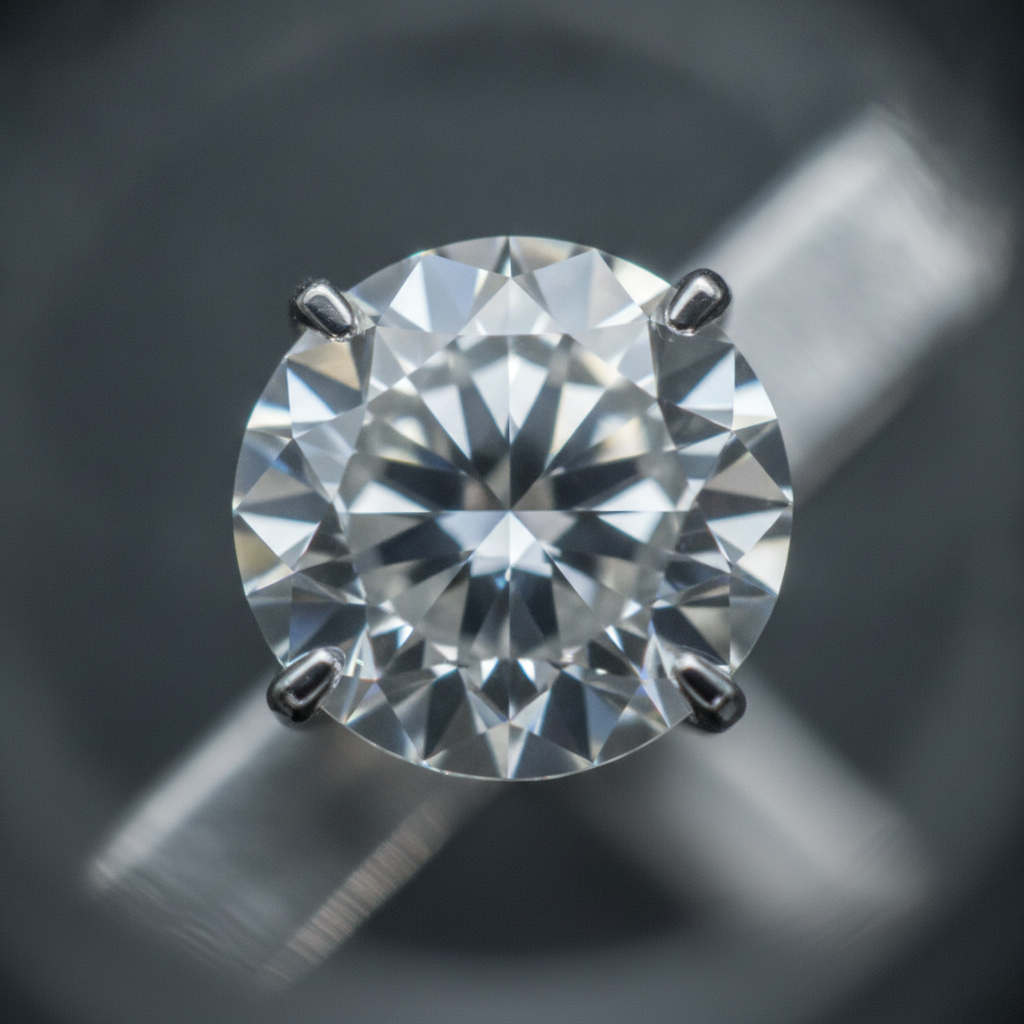
Quality and Grading: The 4Cs for Lab‑Grown Diamonds
Evaluate lab-grown diamonds exactly as you would mined stones: by cut, color, clarity, and carat. Prioritize cut for brightness and fire, target balanced color and clarity, then choose carat for presence. Independent grading reports document quality so you can compare options confidently.
We’ve found the smartest path is to lock in the top driver of beauty—cut quality—before debating the rest. Excellent or ideal cuts create the sparkle you notice from across the room.
- Cut: Impacts light return more than any other C. Look for precise symmetry and polish.
- Color: Near-colorless ranges pair beautifully with white metals; warm tones flatter yellow gold.
- Clarity: Eye-clean VS or high-SI can look pristine in daily wear. Step cuts often benefit from higher clarity.
- Carat: Carat is weight, not size; face-up dimensions and shape influence perceived spread.
Diamond2Deal curates certified lab-grown options and pairs them with an education hub that explains each C in plain language. If you’re comparing combinations for your center stone, bookmark this foundational refresher on learning the 4Cs before you buy.
Best Practices: How to Choose and Buy Online
Start with a style vision, then shortlist shape and setting. Prioritize cut quality, confirm color/clarity targets, and verify grading. Match the metal to your skin tone and lifestyle. Finally, check shipping speed, warranty, and returns. This sequence keeps decisions clear and the timeline on track.
Your step-by-step checklist
- Define the vibe: Save 5–7 images you love—solitaire, halo, three-stone, or pavé.
- Pick shape + size range: Note preferences (round, oval, emerald, etc.) and desired presence.
- Lock cut quality: Make “excellent/ideal” your non-negotiable where available.
- Set color + clarity bands: Choose the range that looks clean to your eye.
- Confirm grading: Review the report details and measurements to compare apples to apples.
- Choose metal + setting details: 14k vs 18k, prongs vs bezel, cathedral vs low‑profile.
- Check service factors: Ensure fast shipping, warranty terms, and easy returns.
Fast-track tips from our team
- Start with cut: It’s the #1 visual driver. A well-cut 1.0 carat can outshine a larger, poorly cut stone.
- Think about lifestyle: Low-profile settings snag less; bezels add security for active wearers.
- Preview proportions: Compare mm dimensions, not just weight, across shapes.
- Timeline matters: In-stock styles with next-day shipping eliminate proposal delays.
Want more practical examples and ring-flow checklists? See this lab-made engagement rings guide for a deeper dive, and a value-focused angle in our savings-oriented explainer.
Tools and Resources for Confident Buying
Use visual comparators, education hubs, and reputable overviews to vet information and refine choices. Pair independent reading with brand resources that disclose policies and timelines. The right tools shorten research time and improve final decisions.
Here are resources we frequently recommend when you’re learning about lab-grown diamond engagement rings and related topics:
- Independent overview: A concise industry explainer on lab-grown vs natural diamonds from this established guide can help you compare fundamentals side-by-side.
- Deep-dive primer: For definitions, benefits, and FAQs, see this lab-grown diamonds page for additional context while you evaluate options.
- Focused explainer: If you’re distinguishing lab-grown from moissanite, this moissanite comparison summarizes the key differences clearly.
Then, return to Diamond2Deal’s education-first approach to align what you learned with real inventory, next-day fulfillment, and supportive policies. Pair outside knowledge with brand specifics to finalize your pick.
Real Examples and Mini Case Studies
When couples narrow choices, small decisions create big satisfaction. These short scenarios show how shape, setting, and support policies come together—illustrating how Diamond2Deal’s certified selection, fast shipping, and warranty reduce friction from research to proposal.
Case 1: The modern minimalist
A buyer wants a low-profile solitaire that slides under gloves at work. They choose a round brilliant in a bezel on 14k white gold. Prioritizing cut and eye-clean clarity keeps brilliance high. In stock? Next-day shipping means the proposal aligns with a planned long weekend.
Case 2: The vintage romantic
They love a cushion halo with pavé shoulders in 18k yellow gold. Step one is securing excellent cut; step two is balancing color warmth with the metal’s tone. A certified lab-grown center meets the style vision without sacrificing sparkle. Free gift packaging simplifies the reveal.
Case 3: The statement trio
Three-stone rings are back. A center emerald with trapezoid sides brings classic architecture to the hand. The owner prefers a slightly higher clarity since step cuts show inclusions more readily. A 30-day return window provides confidence to move forward.
Case 4: The matching set planner
They’re thinking ahead to wedding bands and anniversary pieces. A cathedral solitaire pairs with a future diamond eternity band. Planning collections early helps ensure cohesive proportions, and browsing coordinated pieces across Diamond2Deal’s categories keeps the long-term vision consistent.
Care, Sizing, and Lifetime Support
Keep your ring bright by cleaning gently, checking prongs annually, and removing it for high-impact activities. Confirm ring size using a sizer or professional guidance. Favor brands with clear warranties, return windows, and responsive support to protect your investment over time.
An engagement ring should shine for everyday moments and milestones. A light routine and occasional checkups go a long way.
- Cleaning: Soak in warm water with mild soap, brush softly, and rinse; avoid harsh chemicals.
- Checks: Inspect prongs and pavé under bright light; tighten if movement appears.
- Sizing: Most adult ring sizes run roughly 4–13; consider seasonal finger changes.
- Storage: Keep in a fabric-lined box or separate pouch to prevent scratches.
- Support: Diamond2Deal offers a 1-year warranty, 30-day returns, and responsive help.

Lab‑Grown vs Natural: The Practical Differences
Both lab-grown and natural diamonds are real diamonds. The main differences are origin and market dynamics. Choose based on your priorities—cut quality, carat presence, timeline, and policies. For everyday wear and heirloom intent, both deliver lasting beauty when well cut and well set.
We’re often asked about day-to-day wear and long-term meaning. The reality is this: a beautifully cut diamond—lab-grown or natural—earns compliments because of the way it handles light. Focus on what you see, how the ring fits your lifestyle, and how the brand supports you before and after the proposal.
| Factor | Lab‑Grown | Natural |
|---|---|---|
| Origin | Created in a lab (CVD/HPHT) | Formed over geologic time |
| Chemistry | Pure carbon, diamond cubic | Pure carbon, diamond cubic |
| Hardness | 10 Mohs | 10 Mohs |
| Grading | 4Cs by independent labs | 4Cs by independent labs |
| Availability | Consistent supply, popular sizes | Varies with mining output |
| Buying focus | Cut-first, then color/clarity | Cut-first, then color/clarity |
If you want additional context as you compare categories broadly, this concise industry overview is a useful primer before you come back to choose specific pieces.
Beyond the Ring: Coordinating Jewelry for Milestones
Plan a long-term jewelry roadmap so your engagement ring pairs with future bands and gifts. Matching styles across earrings, necklaces, and bracelets creates a cohesive personal collection, making anniversaries and milestones easier to celebrate with pieces that complement one another.
Many couples start with the ring, then curate a collection over time. Building a theme early helps every new piece feel intentional.
- Earrings: Classic studs or hoops echo the ring’s metal color and diamond shape.
- Necklaces: Solitaire or halo pendants mirror your center stone for harmony.
- Bracelets: Tennis bracelets add line-brilliance that complements pavé or halos.
Ready to explore matching styles? Read this overview on coordinating lab-grown jewelry as you plan future anniversaries and gifts.
Frequently Asked Questions
Get clear, direct answers to common questions about lab-grown diamond engagement rings—from identification and grading to everyday wear, settings, and policies. Each answer below is concise and designed for quick reading and voice assistants.
Are lab-grown diamonds real diamonds?
Yes. Lab-grown diamonds have the same chemical composition, crystal structure, hardness, and optical properties as mined diamonds. They’re graded by independent labs using the 4Cs, and they perform the same way in everyday wear.
Can you tell lab-grown from natural with the naked eye?
No. To an unaided eye, both look the same. Specialized equipment can detect growth markers, but visual differences aren’t apparent in normal viewing. That’s why grading reports and transparent disclosure matter when you buy.
Which shapes show the most sparkle?
Rounds maximize fire and scintillation due to their facet design. Radiant and oval shapes also deliver strong sparkle. Step cuts like emerald and asscher showcase broad flashes and clarity windows rather than a glittery look.
What metal should I choose for my setting?
Match metal to lifestyle and style goals. 14k offers durability for daily wear; 18k has richer color. White gold highlights icy tones; yellow gold adds warmth; rose gold provides a blush hue. Any can secure a lab-grown diamond beautifully.
Why are diamond engagement rings lab grown popular now?
Diamond engagement rings lab grown appeal to buyers who want certified quality, strong sparkle, and flexible style options with quick delivery and supportive policies. Many couples value education-rich shopping and the ability to prioritize cut and carat within their plan.
Conclusion and Key Takeaways
Choose lab-grown diamond engagement rings by focusing on cut quality, a setting that fits your lifestyle, and supportive brand policies. Use independent primers to learn the basics, then rely on Diamond2Deal’s certified selection, next-day shipping, and warranty to finalize a ring you’ll love.
- Cut first: Sparkle depends most on cut quality—make it your anchor decision.
- Design the trio: Shape, setting, and metal work together to express your style.
- Verify the report: Compare details across options confidently.
- Check service: Next-day shipping, warranties, and easy returns simplify planning.
- Think long-term: Plan how your ring pairs with future bands and gifts.
Ready to take the next step? Start with our education-first articles—lab-grown engagement rings and engagement rings: lab-grown diamonds—then build your shortlist. If you’re exploring the broader jewelry roadmap, see this coordinated lab-grown jewelry guide next.