

Diamond Jewelry Guide: Make a Gift That Lasts in 2026
Diamond jewellery is fine jewelry featuring diamonds set in gold or other precious metals. It blends beauty, durability, and symbolic meaning for milestones and everyday style. From our New York base at 420 Madison Ave 5th Floor, Rm 500, Diamond2Deal helps you compare lab-grown and natural options to choose confidently for proposals, weddings, and gifts.
By Mit, President — Diamond2Deal
Last updated: 2026-06-03
Overview
This complete guide explains how to choose diamond jewelry that looks stunning, performs well over decades, and aligns with your values. Learn the 4Cs, shape and setting styles, lab-grown vs. natural, certification, care, and buying best practices—plus real examples from Diamond2Deal’s education-first approach.
- What diamond jewelry is and how it’s graded (cut, color, clarity, carat)
- When to pick lab-grown vs. natural, with certification tips
- How to match styles to lifestyle: rings, bracelets, necklaces, earrings
- Care, maintenance, and long-term value considerations
- Local notes for Manhattan shoppers and fast-shipping options
What Is Diamond Jewelry?
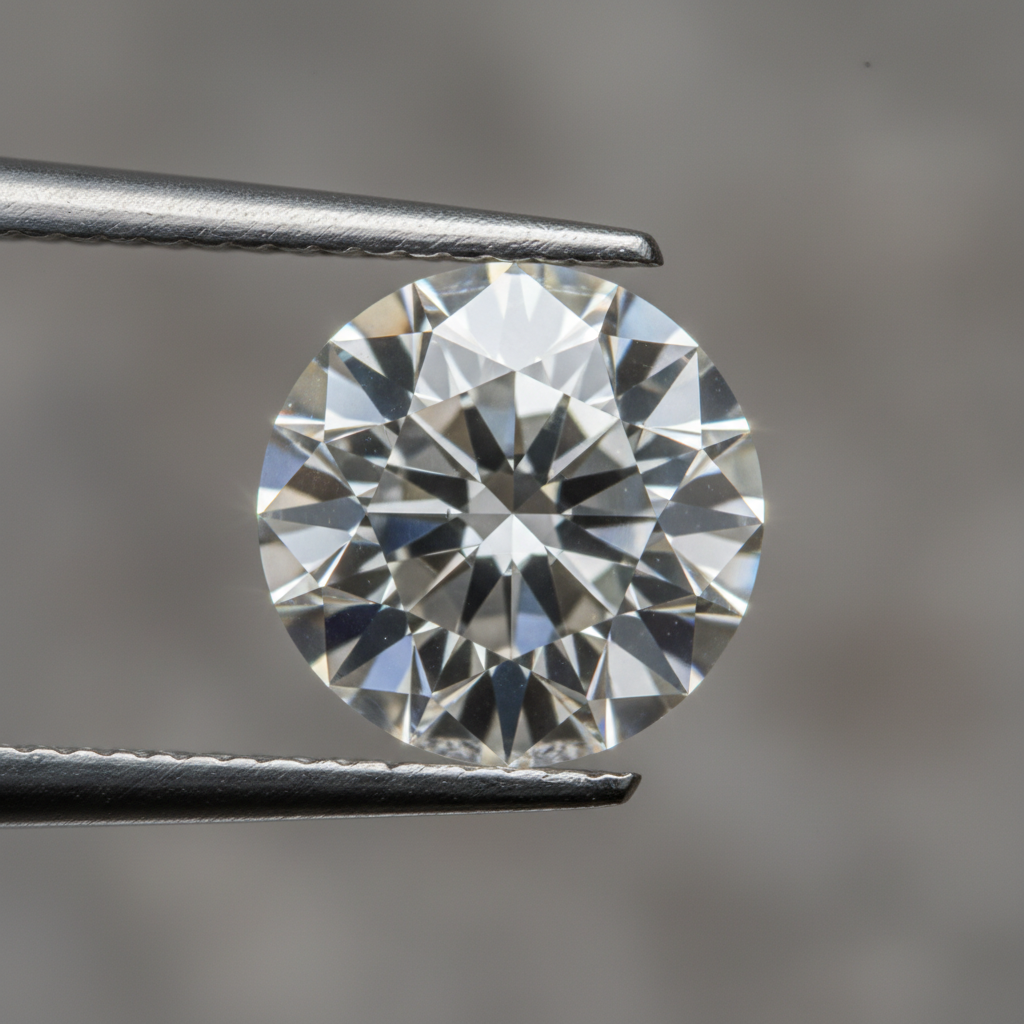
Diamond jewelry is any fine piece—rings, bracelets, necklaces, or earrings—featuring diamond gemstones set in precious metal. Diamonds rank 10 on the Mohs hardness scale, have a refractive index around 2.42, and, when well cut, display exceptional brilliance and fire fit for daily wear and major milestones.
At Diamond2Deal, diamond jewelry spans engagement rings, wedding rings, tennis bracelets, stud and hoop earrings, and pendant necklaces in 14k or 18k gold. Our lab-grown selection includes certified stones with documented 4Cs and origin. Popular styles include solitaire rings, three-stone designs, and diamond initials.
Core elements you’ll evaluate
- Cut: Proportions and symmetry that shape light return. Round brilliants have 57–58 facets.
- Color: Graded on a D–Z scale; near-colorless ranges (typically G–J) pair well with yellow and white gold.
- Clarity: Inclusions and blemishes; “eye-clean” often matters more than microscopic perfection.
- Carat weight: Mass of the diamond; common milestones include 0.50, 1.00, and 2.00 carats.
These four variables interact. For instance, a precise cut can enhance perceived size and sparkle even at a modest carat weight, while a warmer color may read bright in yellow gold settings.
Why Diamond Jewelry Matters
Diamond jewelry endures daily wear, marks life’s biggest moments, and retains emotional value across generations. In Manhattan and New York County, buyers often want timeless designs with dependable performance—pieces that look brilliant now and still feel right decades from today.
We see three reasons this category remains essential. First, diamond’s hardness rating of 10 supports everyday wear in rings and bracelets. Second, a well-cut round brilliant (with ~2.42 refractive index) provides unmatched sparkle for proposals. Third, classic styles—solitaires, eternity bands, tennis bracelets—stay relevant through trends.
Occasions where diamonds shine
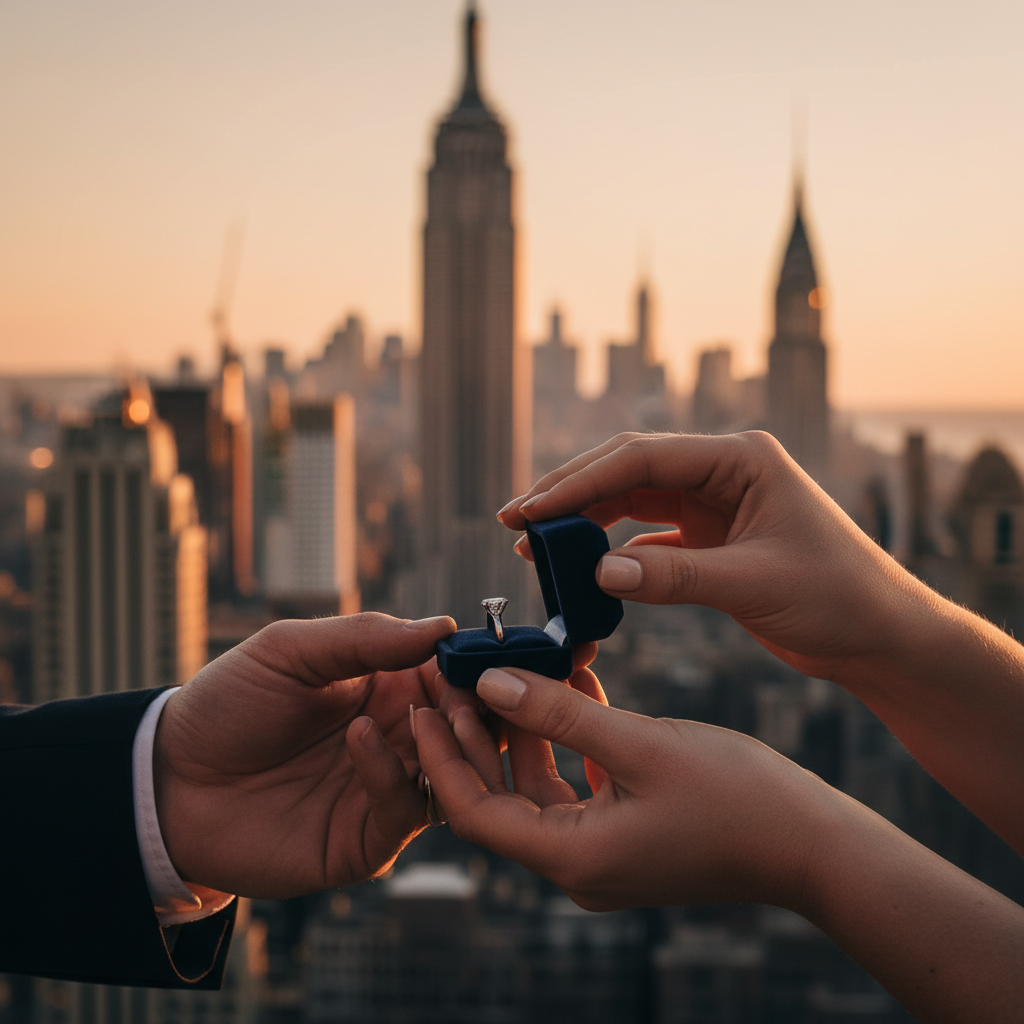
- Proposals: A 1.00-carat round or princess-cut solitaire reads iconic and photographs beautifully.
- Weddings: Diamond eternity and anniversary bands stack seamlessly with engagement rings.
- Milestones: Tennis bracelets (prong or bezel) and stud earrings (0.25–2.00 ctw per pair) anchor a capsule collection.
- Everyday wear: Pendant necklaces (16–18 inches) and small hoops (10–20 mm) add daily sparkle.
When working with clients in New York, we recommend versatile pieces that transition from weekday wear to black-tie events without fuss.
How Diamond Jewelry Works: The 4Cs, Lab-Grown, and Certification
Great diamond jewelry pairs a well-cut stone with a secure, comfortable setting. Verify an independent grading report, compare lab-grown and natural options, and size the mounting correctly. Small details—like prong count, metal type, and polish—add up to lasting beauty and performance.
In our education hub, we break down the 4Cs with clear visuals and checklists. The round brilliant’s 57–58 facets and carefully angled pavilion maximize light return; oval, cushion, and emerald cuts trade some fire for elongated or hall-of-mirrors effects. Metal choice matters too—14k and 18k gold balance strength and luster for daily wear.
Certification supports confident buying. Many shoppers search for a “GIA diamond” as shorthand for consistent grading; we encourage comparing reputable labs and reading the report in full, focusing on cut proportions, polish/symmetry, fluorescence, and measurements in millimeters.
Lab-grown vs. natural at a glance
- Composition: Both are crystalline carbon with Mohs hardness 10; the difference is origin (laboratory vs. geological).
- Grading: Reputable labs grade lab-grown and natural stones on the same D–Z color and clarity scales.
- Look: Visually indistinguishable to the naked eye when cut and polished to similar standards.
- Documentation: Always review the grading report number and dimensions (to 0.01 mm) before purchasing.
For deeper background on origins and methods, see this overview of lab-grown vs. natural diamonds.
Types of Diamond Jewelry and Styles
The main categories are engagement rings, wedding bands, earrings, necklaces, and bracelets. Within each, choose a center stone shape, setting style, and metal. At Diamond2Deal you’ll find solitaires, three-stone designs, halos, eternity bands, studs, hoops, pendants, and tennis bracelets—each engineered for everyday comfort.
Engagement rings
- Center shapes: Round, oval, cushion, princess, emerald, pear, marquise, radiant, Asscher.
- Settings: Solitaire (4–6 prongs), halo, three-stone, cathedral, bezel, tension-inspired.
- Band details: Pavé, channel, knife edge, comfort-fit profiles, 14k or 18k white/yellow/rose gold.
Explore style fundamentals in our lab-grown engagement rings guide or this engagement ring overview for popular shapes and settings.
Wedding and anniversary bands
- Eternity rings: Full-circle diamonds; align carat total weight with finger size for balanced coverage.
- Anniversary bands: Half-eternity or station styles add durability for daily wear.
- Men’s wedding bands: Matte, hammered, or diamond-accented in 14k and 18k gold.
See stacking ideas in our internal anniversary rings primer.
Earrings and necklaces
- Studs: 3-prong martini or 4-prong basket; sizes from 0.25 to 2.00 ctw per pair look classic.
- Hoops: Inside-out or classic; diameters from 10 to 30 mm cover daily to statement looks.
- Pendants: Solitaires on 16–18 inch chains; halos or bezels add protection and presence.
Bracelets
- Tennis bracelets: Prong, bezel, or channel; standard lengths around 7 inches with safety clasp.
- Bangles: Hinged or solid; oval shapes prevent rotation and improve comfort.
- Chain bracelets: Diamond-accented links pair well with watches.
For gifting, our giftable jewelry ideas article maps styles to milestones and personalities.
Diamond Jewellery vs. Diamond Jewelry: Spelling, Meaning, and Search Tips
“Diamond jewellery” and “diamond jewelry” describe the same products. In the United States, “jewelry” is the standard spelling; in other English-speaking markets, “jewellery” appears. Use both when searching, but shop with the same 4C, certification, and setting criteria regardless of spelling.
You’ll see “diamond jewellery” in international content and “diamond jewelry” across U.S. retailers. We use American English in our education hub but list both spellings here so buyers can find the right resources. The quality bar stays constant: verify grading, inspect cut, and pick secure settings with proper prong or bezel protection.
Best Practices: How to Buy with Confidence
Start with lifestyle and finger size, set cut-quality targets, and insist on a grading report. Compare lab-grown and natural based on priorities, then choose a durable setting in 14k or 18k gold. Finally, confirm sizing, delivery timing, and aftercare (warranty and returns) before checkout.
- Clarify use and priorities: Daily wear vs. occasional; maximize sparkle vs. maximize size.
- Choose your shape: Round for maximum fire; ovals and pears for elongation; emerald for clean lines.
- Target cut first: For round brilliants, favor top-tier cut symmetry and polish.
- Dial in color and clarity: Aim for eye-clean clarity; pick color to complement white or yellow gold.
- Verify certification: Read the report; match the laser inscription (when present) to paperwork.
- Pick settings built to last: 4–6 prongs for solitaires; bezels for active lifestyles; safety clasps on bracelets.
- Confirm logistics: If you need it this week, shop in-stock styles with next-day shipping.
To go deeper, browse our lab-grown diamond guide or this companion 4Cs refresher. For an additional perspective on origins, review this lab vs. natural background.
Local considerations for Manhattan
- Plan appointments near Rockefeller Center to pair try-ons with weekday errands; lunchtime slots help beat evening crowds.
- Holiday proposals? Book early. December foot traffic spikes around Midtown; allow extra time for ring sizing and engraving.
- Commuting via Grand Central? Choose in-stock styles with next-day shipping so you can coordinate pickup or delivery around work hours.
Prefer guided shopping? We’re family-owned and education-first. Book a conversation with a Diamond2Deal expert to review shapes, settings, and reports—then enjoy flexible shipping from our New York home base.
Tools and Resources You Can Use
Use a diamond education hub, shape and setting visualizers, and checklists that track 4C targets, finger size, and delivery timing. Pair those with reputable grading reports and a retailer that offers a written warranty, returns, and responsive support for long-term peace of mind.
- Education hub: Our lab-grown education guide explains the 4Cs and sustainability basics.
- Engagement playbooks: Compare style families in this step-by-step overview.
- Milestone gifting: Map bracelets, necklaces, and earrings to occasions with our gifting checklist.
- Origin and grading context: See a concise grading walkthrough when comparing report details.
Case Studies and Real-World Examples
Here are three buyer scenarios we see often: a classic solitaire proposal, an anniversary tennis bracelet, and a men’s wedding band refresh. Each example shows how the 4Cs, setting choice, and logistics—like next-day shipping and warranty—come together for a smooth, confident purchase.
Proposal in a week: classic solitaire
A Manhattan client needed a ring within 5 days. We suggested a 1.00-carat round brilliant lab-grown solitaire in 14k white gold with a 4-prong setting and comfort-fit band. In-stock availability enabled next-day shipping, and the independent report documented color, clarity, and exact millimeter measurements.
Anniversary upgrade: tennis bracelet
For a 10-year milestone, a customer chose a 7-inch prong-set tennis bracelet with a secure figure-eight safety. Carat total weight matched wrist size for balanced coverage, and the piece included a 1-year warranty and easy returns window for peace of mind.
Men’s wedding band refresh
A client replaced a scratched band with a 14k yellow gold matte profile featuring subtle diamond accents. The ring’s interior was comfort-fit and sized to a 0.25 increment for precision. Hammered textures can disguise micro-wear while keeping a tailored silhouette.
Lab-Grown vs. Natural Diamonds: Comparison Table
Lab-grown and natural diamonds share the same crystal structure and Mohs hardness of 10. The differences are origin and certain trace markers. Both can be graded on the same scales; your decision should center on values, documentation, and how the stone looks in your chosen setting.
| Factor | Lab-Grown | Natural | What to Check |
|---|---|---|---|
| Origin | Laboratory (HPHT or CVD) | Geologic (formed over millions of years) | Lab method or mine origin disclosures |
| Hardness | Mohs 10 | Mohs 10 | Same durability in daily wear |
| Grading | Same D–Z color and clarity scales | Same D–Z color and clarity scales | Independent report and laser inscription |
| Appearance | Indistinguishable when cut/polished similarly | Indistinguishable when cut/polished similarly | Cut proportions, polish, symmetry |
For a narrative comparison that complements this table, see this concise lab vs. natural overview.
Diamond Jewelry FAQ
These quick answers address the 4Cs, everyday wear, lab-grown origins, and stacking with wedding bands. Each reply is short, direct, and based on Diamond2Deal’s education-first guidance for engagement, wedding, and gifting decisions.
What is the most important of the 4Cs for sparkle?
Cut drives brilliance. A well-cut round brilliant (57–58 facets) maximizes light return, so we suggest prioritizing cut before carat weight. Then fine-tune color and clarity to match your metal and eye-clean preference.
Can I wear diamond jewelry every day?
Yes. Diamonds are Mohs 10, so they handle daily wear. Choose secure settings—4–6 prongs or bezels for rings, safety clasps for bracelets—and schedule periodic prong checks and ultrasonic or steam cleanings as advised by your jeweler.
Are lab-grown diamonds real diamonds?
Yes. Lab-grown diamonds are crystalline carbon with the same hardness and optical properties as natural stones. They’re created by HPHT or CVD methods and can be graded on the same D–Z color and clarity scales by reputable labs.
How do I stack a wedding band with my engagement ring?
Match band curvature and height to your engagement ring’s halo or prongs. Many choose a straight or slight-contour band, then add an eternity or half-eternity for texture. Comfort-fit interiors and exact sizing (including quarter sizes) improve wear.
Key Takeaways
Prioritize cut, verify certification, choose secure settings, and align shape and style with lifestyle. Use an education hub, plan logistics like next-day shipping, and work with a retailer that backs pieces with a written warranty and easy returns for long-term confidence.
- Cut quality first; then balance color, clarity, and carat
- Certification and laser inscription add verification
- Settings matter: prongs, bezels, and safety clasps
- Plan timing; in-stock styles speed proposals and gifts
- Choose a partner with warranty, returns, and support
Conclusion: Your Next Step with Diamond2Deal
Choosing diamond jewelry is simpler with a plan: decide on shape and setting, set cut targets, verify your report, and align delivery with your date. Diamond2Deal’s education-first approach, next-day shipping on many styles, and friendly policies make each step clear and low-stress.
If you’re comparing options now, start with our lab-grown education guide and browse engagement and milestone styles. Ready to talk details? Book a conversation with our team in New York and we’ll help you match the right stone, setting, and timeline.