

Loose Diamonds: Save More on Your Ring Search in 2026
A diamond stone for sale is a certified loose diamond offered to purchase on its own in the USA, ready to set into a ring, pendant, or earrings. It lets you control the 4Cs, shape, and setting to match your style. Buying loose first helps you evaluate quality before the jewelry is assembled.
By Mit Trivedi — President, Diamond2Deal • Last updated: 2026-06-27
Above the Fold: Why This Guide + Table of Contents
This guide shows you exactly how to find, compare, and buy a certified loose diamond with confidence. You’ll learn the 4Cs, lab-grown versus natural differences, popular shapes, grading reports, and step-by-step buying tips—plus how Diamond2Deal supports you with education, next-day shipping, and expert appointments.
Choosing a loose diamond can feel complex. We simplify it with practical steps, field-tested tips, and examples taken from real Diamond2Deal shoppers in the USA.
- What a “diamond stone for sale” actually means
- Why buying a loose diamond first gives you more control
- How to evaluate the 4Cs and read grading reports
- Shapes, cuts, and certification essentials
- Lab-grown vs natural: what’s the difference?
- Step-by-step buying process with checklists
- Diamond2Deal advantages: education hub, next-day shipping, and expert guidance
Quick Summary
To buy a loose diamond well, lock in shape, cut quality, and a reputable grading report first. Then pair it with the right setting for durability and style. Diamond2Deal’s lab-grown selection, education hub, and next-day shipping help you compare fast and make a confident decision.
- “Loose” means unmounted; you’re free to choose any ring, pendant, or earring setting later.
- The round brilliant has 57–58 facets and dominates for sparkle; fancy shapes trade brilliance for character.
- Diamond is Mohs 10 hardness and ~2.42 refractive index—technical reasons it delivers intense fire and scintillation.
- Lab-grown and natural diamonds are chemically identical; lab-grown often offers size and quality flexibility.
- Diamond2Deal focuses on certified lab-grown options across engagement rings, earrings, necklaces, and tennis bracelets.
What Is a “Diamond Stone for Sale”?
A “diamond stone for sale” refers to a certified loose diamond available to purchase separately from any setting. You inspect the 4Cs, shape, and grading first, then choose a ring, pendant, or earring design. This approach maximizes control over sparkle, style, and long-term wear.
In diamond-speak, “loose” means the gemstone is not yet set. You can confirm quality before adding metal and accent stones. That’s especially useful for engagement rings, where the center stone accounts for most of the visual impact.
- Hardness and optics: Diamond measures 10 on the Mohs scale and has a refractive index near 2.42.
- Cut precision: A standard round brilliant uses 57–58 facets to optimize light return, fire, and scintillation.
- Certification: Reputable grading reports outline color, clarity, cut, polish, symmetry, fluorescence, and measurements.
At Diamond2Deal, many shoppers start with a lab-grown loose center stone, then select a solitaire, halo, or three-stone engagement ring mounting from our curated settings. The same process applies to diamond pendants, studs, and tennis bracelets.
Why Buying Loose Diamonds Matters
Buying a loose diamond first gives you transparency. You judge the exact stone—its brilliance, clarity features, and color—before it’s set. Then you pair it with a setting that fits your lifestyle, metal preference, and wedding band choices for a cohesive, durable result.
Loose-first shopping is about control and certainty. You see the precise stone you’ll wear for decades. That reduces surprises after the ring is assembled and helps you prioritize the attributes that matter most to you.
- Transparency: You confirm cut angles, proportions, and clarity features from the report and images.
- Customization: Choose your favorite shape, then match a solitaire, halo, or three-stone design that protects the stone and complements your style.
- Future-ready: Plan wedding band fit, upgrade paths, and anniversary bands (eternity or guard wraps) without guesswork.
- Diamond2Deal support: Education hub, next-day shipping on thousands of in-stock styles, and bookable appointments with a diamond expert.
We’ve found that shoppers who start with the center stone make quicker, more confident setting decisions. They also avoid resizing or remaking designs because the proportions are dialed in from the start.
How the Diamond Buying Process Works (Step-by-Step)
Define your shape and cut-quality targets first, then shortlist lab-grown or natural options with clear grading reports. Evaluate color, clarity, and measurements, confirm return and warranty terms, and finally select a secure, style-appropriate setting. This sequence prevents regrets and speeds decisions.
- Decide on shape: Round, oval, emerald, cushion, radiant, pear, marquise, princess, or heart.
- Choose lab‑grown or natural: Both are real diamonds; lab-grown offers flexibility and traceability.
- Set cut standards: For round, prioritize top-tier cut grades with strong light performance.
- Dial in color and clarity: Aim for a balance that’s eye-clean and bright in your chosen metal color.
- Read the report: Verify measurements (table %, depth %, symmetry, polish) and fluorescence behavior.
- Compare videos/images: Inspect facet crispness, contrast patterning, and any visible inclusions.
- Select the setting: Match prong style, head height, and band width to daily wear and wedding band plans.
- Confirm policies: Look for a warranty, return window, and responsive support.
| Step | What to Check | Why It Matters |
|---|---|---|
| Shape | Round vs. fancy shape preferences | Drives sparkle style, finger coverage, and setting options |
| Cut | Proportions, symmetry, polish | Biggest driver of brightness and fire |
| Color | Face-up whiteness in your metal color | Impacts visual warmth; pairs with white/yellow/rose gold |
| Clarity | Eye-clean at ~10 inches; inclusion location | Durability and appearance under daily lighting |
| Report | Measurements, fluorescence, girdle, culet | Verifies the identity and specs of your exact stone |
| Setting | Prong type, head height, band fit | Comfort, security, and long-term wearability |
Prefer to walk through options live? Book a one-on-one appointment with a Diamond2Deal expert to review videos, reports, and the right settings for daily wear.
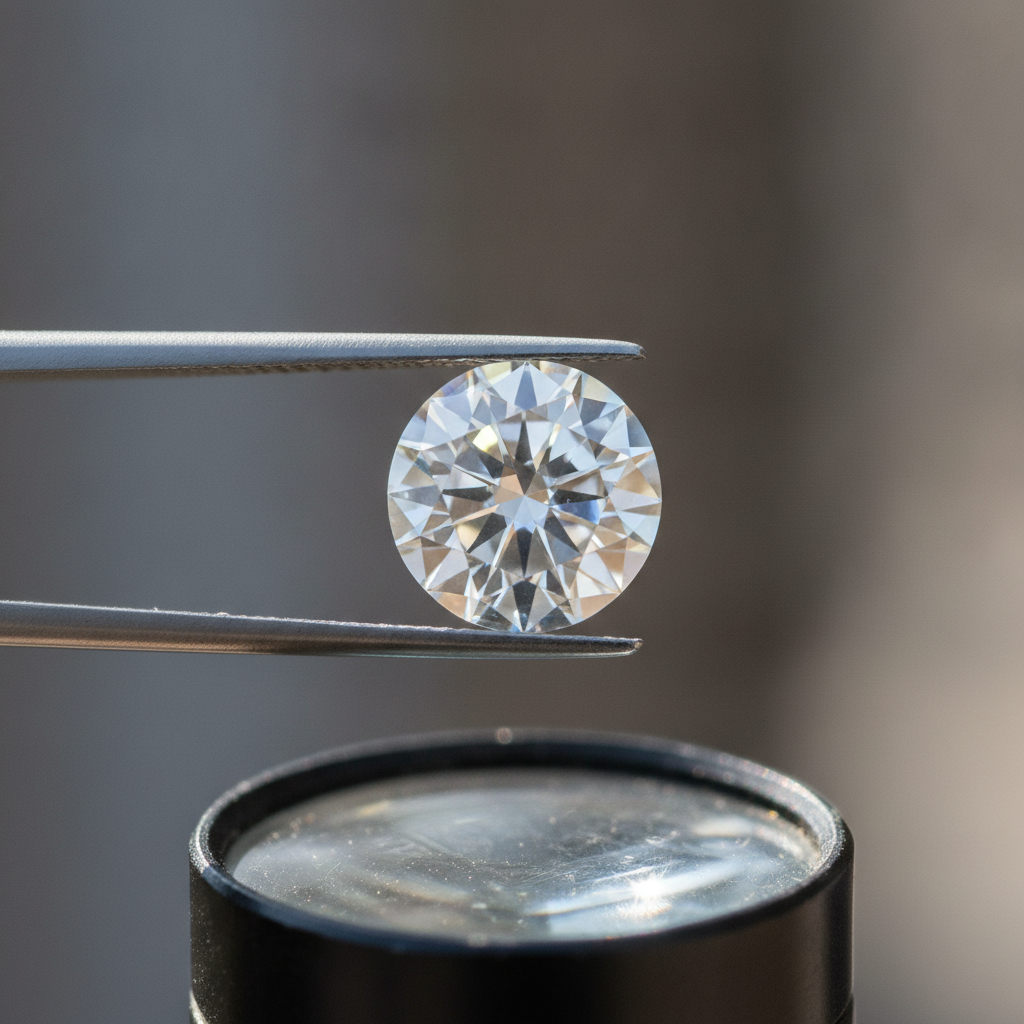
Shapes, Cuts, and Certification Essentials
Start with shape, then insist on a clear grading report. Round brilliants (57–58 facets) maximize sparkle, while ovals, cushions, emeralds, and radiants trade brilliance for character. A reputable report documents color, clarity, and measurements so you can match the stone to a secure, flattering setting.
Popular shapes and what they signal
- Round brilliant: Classic, brightest return; easy to pair with solitaires, halos, and pavé bands.
- Oval: Elongates the finger; check for even brightness and minimal bow-tie.
- Cushion: Soft corners; chunky or crushed-ice looks depending on facet style.
- Emerald: Hall-of-mirrors step cut; prioritize clean clarity and strong symmetry.
- Radiant: Hybrid brilliance with squared corners; great in halos and three-stone rings.
- Pear/Marquise: Dramatic silhouette; confirm symmetry and secure prongs at points.
- Princess: Modern square; corner prongs are a must for durability.
Cut quality at a glance
- Round: Favor top-tier cut, excellent symmetry, and polish for balanced contrast and scintillation.
- Fancy shapes: There’s no universal “ideal”; rely on video, facet crispness, and even brightness.
- Light behavior: Look for lively on/off sparkle patterns under movement, not just static photos.
Certification and key measurements
- Measurements: Table %, depth %, and millimeter dimensions influence spread and performance.
- Fluorescence: Usually benign; verify face-up appearance under UV-heavy lighting.
- Girdle/Culet: Medium girdles balance chip resistance and weight; very large culets can show.
If you’re pairing a diamond with a wedding band, confirm head height and prong style so the two rings sit flush or near-flush. That small detail makes daily wear more comfortable.
Lab-Grown vs. Natural Diamonds: What Changes for Buyers
Lab-grown and natural diamonds share the same crystal structure and optics. For many USA buyers, lab-grown expands size, clarity, or color options within a target. Natural offers geological rarity. Evaluate each by 4Cs and report quality, then decide based on values and design goals.
| Factor | Lab-Grown Diamond | Natural Diamond | Buyer Tip |
|---|---|---|---|
| Composition | Carbon; identical crystal structure | Carbon; identical crystal structure | Both are real diamonds (Mohs 10; RI ~2.42) |
| Availability | Consistent supply; easy to match pairs | Varies by mine and market conditions | Choose based on timing and selection needs |
| Traceability | Clear, controlled origin | Origin varies; some stones have documented chain of custody | Request documentation that aligns with your values |
| Design Flexibility | Often easier to match size/quality for three-stone and eternity looks | Strong single-stone heritage and collector appeal | Pick what best supports your design |
Diamond2Deal specializes in certified lab-grown diamonds across engagement rings, diamond stud earrings, pendant necklaces, and tennis bracelets—ideal when you want sparkle, selection, and fast fulfillment.
For more on styles and buying frameworks, explore our engagement rings + lab-grown guide and our broader lab-grown jewelry education.
Best Practices to Evaluate a Diamond Stone for Sale
Prioritize cut, confirm eye-clean clarity, and assess color in your intended metal. Examine videos for even brightness and contrast, and use a 10× loupe when possible. Finally, choose a secure setting that protects tips or corners and fits your wedding band plan.
Cut and optics come first
- Round standards: Favor strong light return and crisp contrast; symmetry and polish should be top-tier.
- Fancy shapes: Look for proportionally balanced outlines and even brightness across the face.
- Facet integrity: Sharp, non-mushy facet junctions are visual signs of precision.
Color, clarity, and fluorescence
- Color: View face-up and from the side; white metals emphasize whiteness, yellow/rose can soften warmth.
- Clarity: Seek eye-clean at normal viewing distance; avoid inclusions right under the table or near points.
- Fluorescence: Usually neutral; verify in daylight and strong UV so you like its behavior.
Setting security and daily-wear details
- Prongs: V-tips for princess, pear, and marquise points; double-claws for vintage flair and security.
- Head height: Lower heads snag less; higher heads stack better with certain bands.
- Band width: Balance comfort with structural support for the center stone.
Want a quick education refresher before shortlisting stones? Our cluster article on laboratory diamonds for sale and our overview of diamond jewelry essentials are great next reads.
Tools and Resources to Speed Your Search
Use a simple worksheet for the 4Cs, then review grading reports and side-by-side videos. For independent perspectives, consult third-party buying explainers. Combine this with Diamond2Deal’s education hub and a quick expert appointment to finalize shape, specs, and settings.
- Diamond2Deal Education: Learn the 4Cs and metals in our lab-grown jewelry guide.
- Engagement Ring Planner: See lab-grown styles and settings in our engagement ring resource.
- Independent explainer: This third-party diamond buying guide outlines core evaluation ideas.
- Loose selection hub: Browse an external loose diamond listing to see how filters and specs are organized.
- Perspective article: A loose-diamond overview discusses why shoppers start with the center stone.
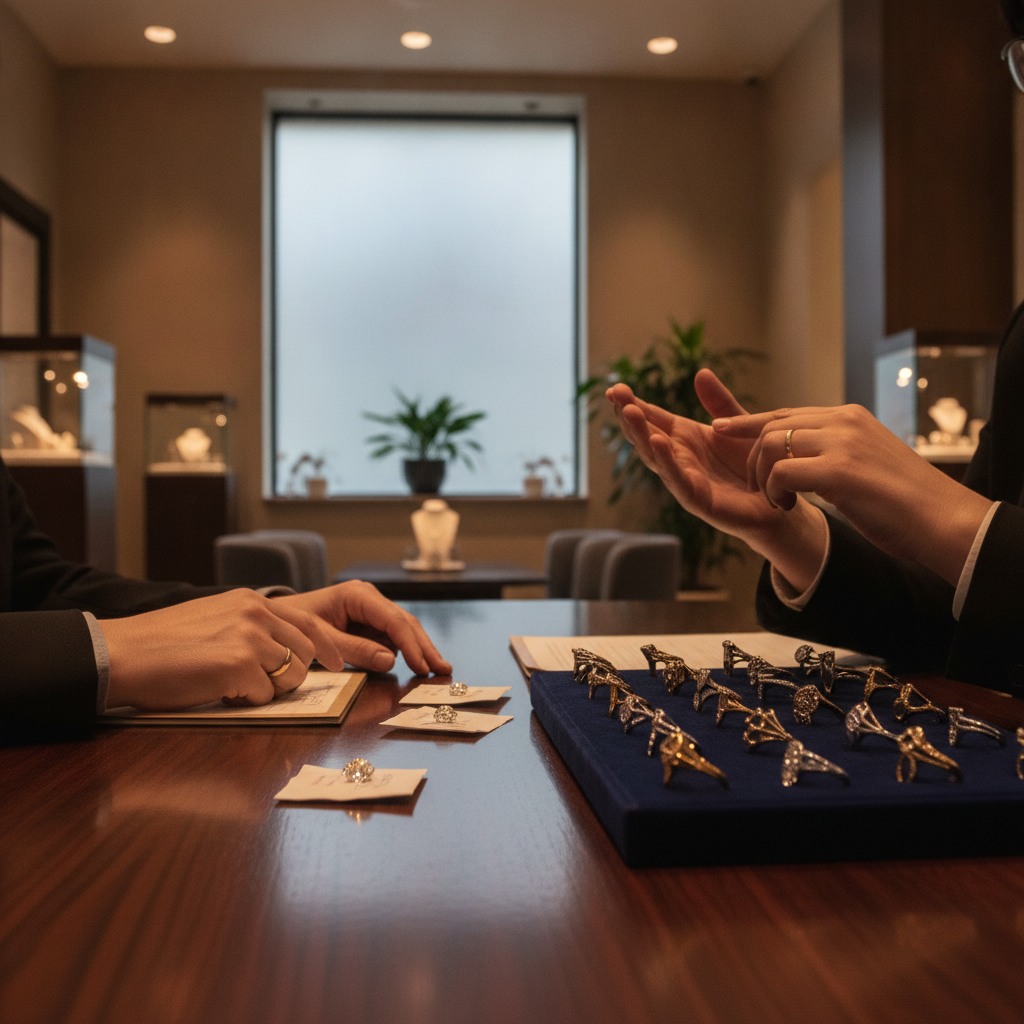
When you’re ready, our experts can help you translate specs into real-world sparkle so your finished ring, pendant, or earrings shine in everyday lighting.
Case Studies and Real-World Examples
Here are three real-world scenarios—engagement ring, diamond studs, and a tennis bracelet—showing how buyers pick a loose diamond first, then match the perfect setting. Each path emphasizes cut quality, eye-clean clarity, and daily-wear comfort for long-term enjoyment.
Engagement ring: solitaire with wedding band in mind
- Goal: Classic solitaire with a straight wedding band that nests closely.
- Approach: Choose a round brilliant with top-tier cut and eye-clean clarity; confirm head height to avoid band gaps.
- Result: A timeless look with balanced sparkle and comfortable stacking for daily wear.
Diamond stud earrings: matched pair efficiency
- Goal: Consistent brightness and size in both ears with secure backs.
- Approach: Select two lab-grown round brilliants with close color/clarity and strong cut; pair with sturdy friction or screw backs.
- Result: Even, bright sparkle that reads classic and polished for any outfit.
Tennis bracelet: smooth articulation and durability
- Goal: Fluid movement and consistent sparkle across the wrist.
- Approach: Source well-matched stones with clean clarity and balanced color; choose a secure clasp and flexible links.
- Result: An elegant line of light that sits comfortably and shines in everyday lighting.
For more style inspiration and comparison ideas, explore our lab-grown engagement ring roundup and our cluster guide to popular lab-grown brands.
Frequently Asked Questions
These quick answers address the most common questions about shopping for a loose diamond in the USA—how to evaluate quality, pair a setting, and avoid regrets. Each answer is concise and practical for fast decisions.
What does “diamond stone for sale” mean?
It means a certified loose diamond sold without a setting. You evaluate the exact stone—its cut, color, clarity, and measurements—then select the ring, pendant, or earring design that fits your style and daily-wear needs.
Is a lab-grown diamond real diamond?
Yes. Lab-grown diamonds have the same carbon crystal structure and optical properties as natural diamonds. Judge them by the same 4Cs and grading standards, then choose based on your values, design goals, and timing.
Which shape sparkles the most?
The round brilliant is engineered for maximum light return, typically using 57–58 facets. Fancy shapes like oval, cushion, emerald, and radiant offer distinctive looks; evaluate their brightness and contrast on video to find your favorite.
How do I match a wedding band to my engagement ring?
Confirm the engagement ring’s head height and prong style, then choose a straight, curved, or notched band to fit. Lower heads often snag less; higher heads can make stacking easier. Try band widths in millimeters to balance comfort and style.
What should I check on a grading report?
Confirm color, clarity, cut (for round), polish, symmetry, table and depth percentages, measurements, girdle, culet, and fluorescence. Then review photos or video to ensure the face-up appearance matches your expectations.
Key Takeaways
Focus on cut and a clear grading report, then match a durable setting to your lifestyle. Leverage Diamond2Deal’s education hub, lab-grown selection, and fast shipping to compare options quickly and finish your ring, pendant, or earrings with confidence.
- Buying loose first maximizes transparency and control.
- Round brilliants (57–58 facets) excel for sparkle; fancy shapes add character.
- Use videos and 10× views to confirm even brightness and eye-clean clarity.
- Plan setting security, wedding band fit, and daily-wear comfort early.
- Explore Diamond2Deal’s lab-grown education and next-day shipping to move fast.
Conclusion: Your Next Step to a Brilliant Result
Choose your shape, confirm cut quality and a reputable report, and then select a secure setting that fits your life. If you want expert backup, book a Diamond2Deal appointment to review videos and specs so your finished piece looks extraordinary in everyday light.
Ready to find a diamond stone for sale that fits your vision? Explore lab-grown options in our education hub, shortlist stones with strong cut and eye-clean clarity, and schedule a consultation to finalize settings for rings, pendants, and studs. Your design should shine from every angle—and stand up to daily wear.
Continue learning with our in-depth resources: the lab-grown diamond brands guide and our diamond jewelry guide for gift planning and everyday wear.