

Lab Grown Diamond Brands: Save More on Rings in 2026
Lab grown diamond jewelry brands are retailers and makers that sell certified, man‑made diamonds set in fine jewelry. From our Manhattan showroom at 420 Madison Ave, Room 500, Diamond2Deal helps you compare trusted brands, understand certifications, and choose engagement rings or gifts with confidence—backed by fast shipping and education-focused support.
By Mit Trivedi — President, Diamond2Deal
Last updated: 2026-06-21
Above-Fold: Hook, Summary & TOC
If you’re comparing lab grown diamond jewelry brands, focus on certification, cut quality, return policies, and delivery speed. A reliable brand documents grading, shows 360° views, and supports you with education and expert appointments. Use our checklist and table below to shortlist trusted retailers—then book an appointment to finalize your ring.
Thinking about an engagement ring, tennis bracelet, or diamond studs? This complete guide shows you how to evaluate brands, spot quality fast, and save time. You’ll also see how Diamond2Deal’s education-first approach and next-day shipping help you move from research to “yes” without stress.
At a Glance
- What you’ll learn: How to vet lab grown diamond brands, read certifications, compare growth methods, and select settings.
- Why it matters: The right brand protects your purchase with clear grading, strong policies, and responsive support.
- How to act: Use the 9‑point brand checklist, browse our comparison table, and book an expert appointment when you’re close.
Local considerations for Manhattan
- Plan showroom or courier timing around Midtown traffic near Rockefeller Center; book appointments to streamline try‑ons and pickup.
- Holiday peaks (late November–February) tighten lead times; lock your setting early and use next‑day shipping on in‑stock styles.
- For discreet proposals, request gift-ready packaging and hold-for-pickup options near Grand Central to keep surprises intact.
What Are Lab Grown Diamond Jewelry Brands?
Lab grown diamond jewelry brands are companies that design, set, and sell diamonds created by HPHT or CVD processes and graded by independent labs. The best brands prove quality with certificates, transparent images, and supportive policies. Choose retailers that publish complete specs and offer expert guidance.
In plain terms, these brands bring scientifically grown crystals—real diamonds with identical carbon structure—into rings, earrings, bracelets, and necklaces. Some control every step from rough to finished jewelry; others curate stones from vetted growers. Either way, the hallmark of a reputable brand is documentation you can trust.
For foundational definitions, see the overview from this explainer on lab-grown diamonds. It outlines how lab stones form and how they compare in appearance and performance.
- Core elements: Growth method (HPHT or CVD), cut precision, color/clarity, carat, and metal quality.
- Brand signals: Lab reports, stone videos, return window, warranty coverage, and service responsiveness.
- Diamond2Deal advantage: Family-owned expertise since 1998, wholesale-informed sourcing, education hub, and next‑day shipping on thousands of styles.
Why Brand Matters in Manhattan, New York County
Brand matters because service and documentation protect your purchase. In Manhattan and across New York County, look for clear grading, repair support, stone images, and fast delivery. Reliable brands reduce risk during busy seasons with next-day options and bookable expert guidance.
Jewelry is personal and permanent. The wrong seller turns a milestone into a headache—unclear grading, slow communication, or inflexible policies. A strong brand prevents that. You get consistent quality standards, transparent return terms, and human help when you need it.
- Documentation reduces risk: Certificates and 360° media let you validate a stone’s proportions and inclusions before you commit.
- Policies build confidence: A clear return window and warranty protect you long after unboxing.
- Speed preserves moments: Next‑day shipping on in‑stock styles keeps proposals, anniversaries, and holidays on track.
At Diamond2Deal’s Midtown location, clients often start online, shortlist two or three settings, then confirm details during a quick appointment. That blend—research first, guided finish—consistently results in the right match with less back‑and‑forth.
How Lab-Grown Diamonds Are Made (HPHT vs CVD)
Lab-grown diamonds form by HPHT or CVD. HPHT recreates mantle-like pressure and heat; CVD grows diamond layer-by-layer in a vacuum chamber. Both yield real diamond crystals. What matters to buyers is the final cut quality and documentation—not the method alone.
HPHT (High Pressure, High Temperature) compresses a carbon source under extreme conditions until a diamond crystal forms around a seed. CVD (Chemical Vapor Deposition) uses a hydrocarbon gas in a vacuum; activated carbon deposits on a seed, building a diamond atom by atom. Growth cycles range from days to weeks.
For a plain-English contrast of lab versus mined options, review this 2026 comparison of lab vs. natural diamonds. Your decision ultimately comes down to values, timing, and design goals.
- Key takeaway: Cut quality dominates sparkle. A well-cut CVD can outshine a poorly cut HPHT, and vice versa.
- What to verify: Table/depth ranges, symmetry, polish, fluorescence, and consistency between the report and the stone in-hand.
- Action step: Use a loupe or 10x video to confirm inclusions match the plot on the certificate before finalizing.
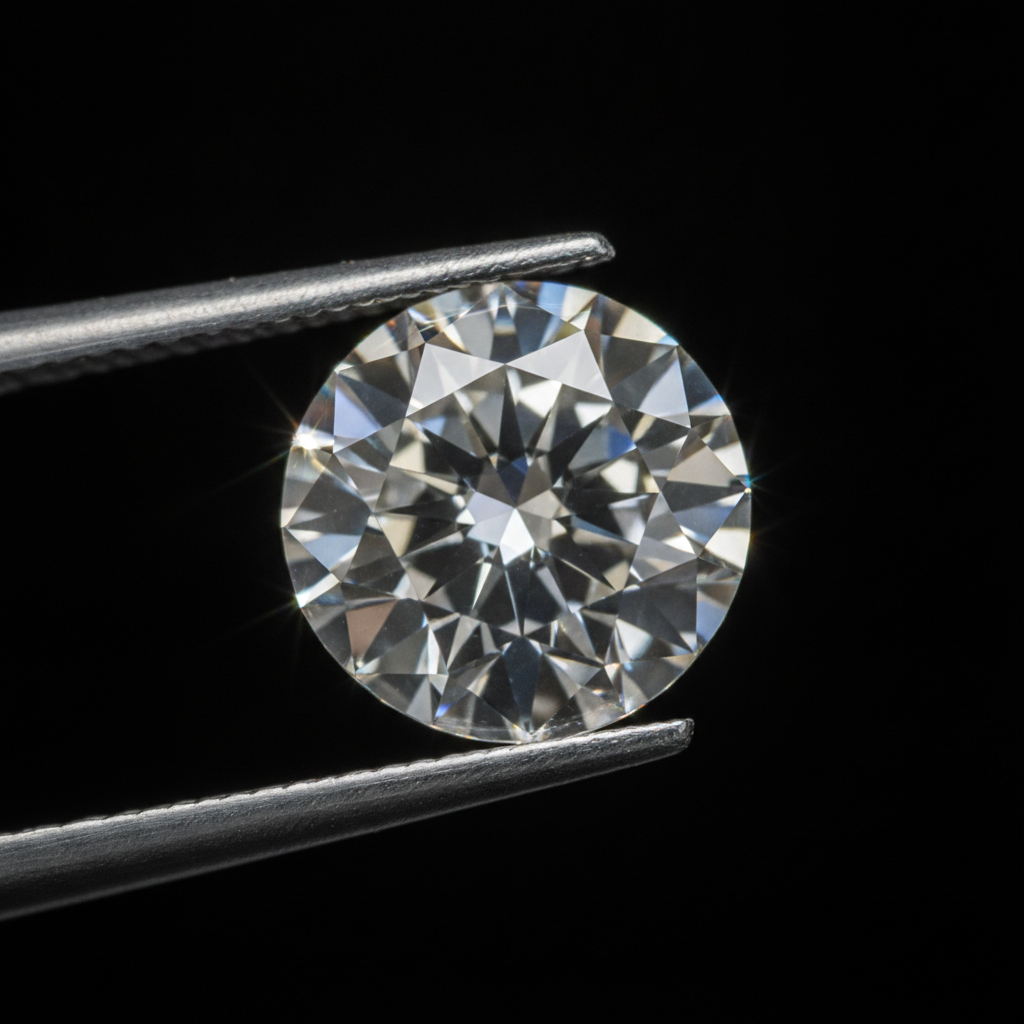
Types of Lab-Grown Diamond Jewelry
The main types are engagement rings, wedding/anniversary bands, earrings (studs and hoops), tennis bracelets, and pendant necklaces. Each category has best-fit use cases and setting styles. Match your lifestyle and taste to a design that balances durability, sparkle, and day-to-day comfort.
Diamond2Deal curates certified stones across classic and modern silhouettes so you can find the right piece quickly. Here are the most common directions and when they shine.
- Engagement rings: Solitaires highlight a single, well-cut center; three-stone designs add side brilliance; unique halos boost visual spread.
- Wedding & anniversary bands: Eternity and anniversary bands provide continuous sparkle; choose prong, bezel, or channel depending on wear.
- Earrings: Diamond studs suit everyday wear; hoops add movement. Verify matched pairs for color and size.
- Tennis bracelets: Uniform diamonds create a fluid line of light; look for flexible yet secure links.
- Pendant necklaces: Solitaires or initials keep focus near the neckline; consider chain thickness for balance.
To go deeper on styles and the 4Cs, bookmark our in‑depth guide on shopping smart for lab jewelry in 2026 within our lab-grown jewelry education hub.
Brand Comparison: What to Look For
Compare brands on certification, stone media, policies, craftsmanship, and delivery speed. Favor sellers with robust education, expert appointments, and documented grading. Use the table below as a quick scorecard when narrowing your shortlist.
Use this practical matrix to evaluate any lab grown diamond jewelry brand—online or in-store. The “What good looks like” column sets a high bar; “Diamond2Deal’s approach” shows how we operationalize those standards for everyday buyers and gift‑givers.
| Criteria | Why it matters | What good looks like | Diamond2Deal’s approach |
|---|---|---|---|
| Certification | Independent grading protects you | Full 4Cs, laser inscription, report lookup | Certified lab-grown selection with clear specs |
| Cut quality | Determines sparkle and fire | Proportions in ideal ranges; symmetry/polish Excellent | Education-first guidance to target ideal ranges |
| Stone media | See inclusions and light return | 360° video or macro photos per stone | High-resolution imagery and detailed specs |
| Policies | Confidence before and after purchase | Clear returns, 1‑year+ warranty, support access | 30‑day returns, 1‑year warranty, responsive support |
| Craftsmanship | Longevity of settings and links | Secure prongs, even pavé, smooth finishing | Wholesale‑rooted manufacturing standards |
| Speed | Hit proposal and gifting deadlines | Next‑day options for in‑stock items | Next‑day shipping on thousands of styles |
| Education | Buy with clarity and no second‑guessing | 4Cs guides, setting tips, comparison tools | Robust education hub + bookable experts |
Want a hands-on walkthrough of this scorecard? Our quick primer on brand selection lays out the steps in detail in the store comparison guide.
Best Practices for Choosing a Brand
Shortlist three brands, verify certifications, scrutinize cut data, and confirm policies in writing. Prioritize next‑day options if you’re on a deadline. Book an expert appointment to sanity‑check your final pick before you buy.
- Build a short list: Two to three brands keep comparisons actionable and reduce analysis paralysis.
- Verify the report: Match the certificate number and inscription, and confirm the plotted inclusions against photos or video.
- Focus on cut: Sparkle is won or lost on proportions, not just carat or color.
- Check policies: Look for at least a 30‑day return window and warranty support on settings.
- Time your purchase: If you have a fixed date, choose in‑stock items with next‑day fulfillment.
For a refresher on definitions and shopping signals, this 2026 lab vs. moissanite guide clarifies differences between popular white gemstones and why diamond grading matters.
How to Shop Smart with Diamond2Deal
Use our education hub to learn the 4Cs, then filter in‑stock rings, earrings, bracelets, and necklaces. Shortlist two settings, request images, and book an appointment for final confirmation. Fast fulfillment supports proposals, anniversaries, and last‑minute gifts.
In our experience, the smoothest path looks like this.
- Learn fast: Scan the lab-grown jewelry guide for the 4Cs and setting basics.
- Filter in‑stock: Focus on items ready for next‑day shipping so timing stays in your control.
- Request visuals: Macro images or 360° video reduce uncertainty before you commit.
- Book help: A 15‑minute appointment with a diamond expert can confirm cut targets and setting durability.
- Finalize and track: Confirm address details and tracking so your surprise stays on schedule.
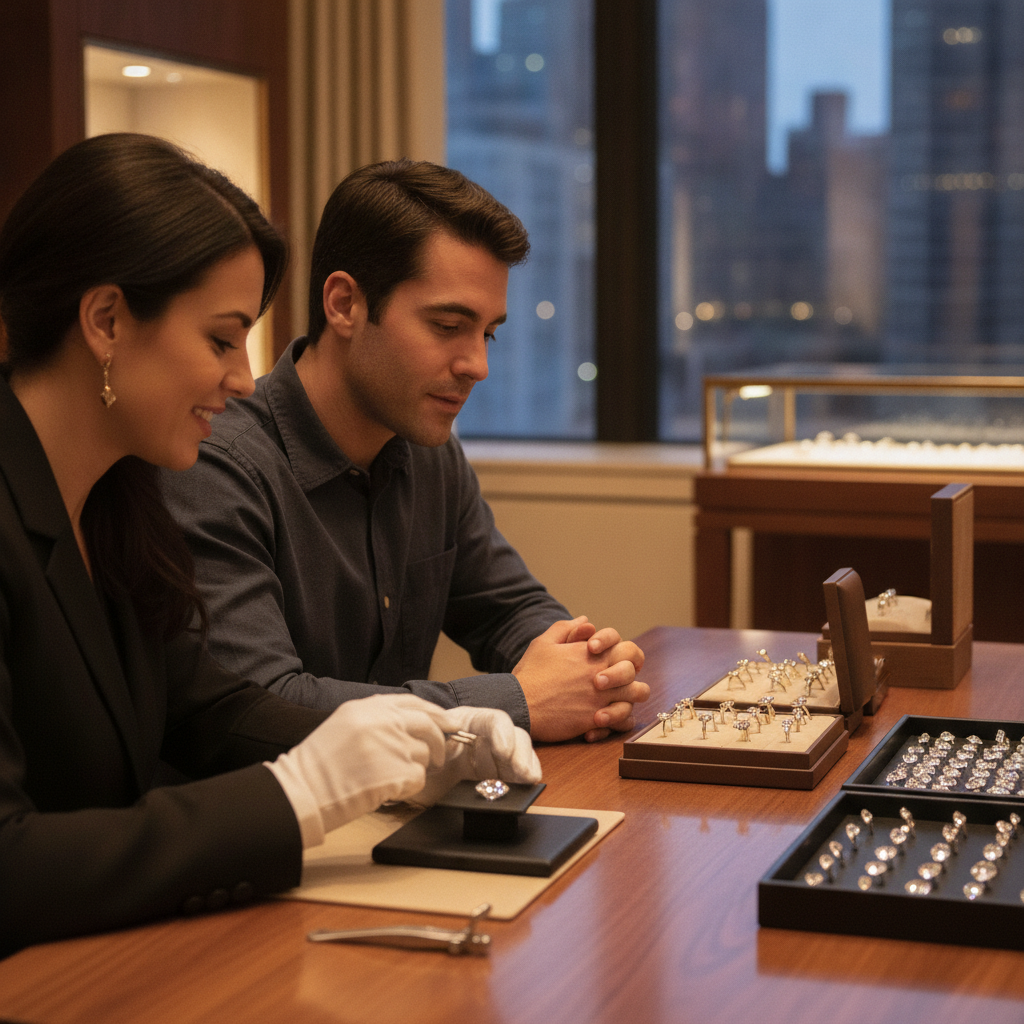
Tools & Resources
Rely on independent lab reports, clear stone imagery, and plain‑English education. Keep a checklist that covers 4Cs targets, policies, and timelines. Use our internal guides to accelerate research and reduce second‑guessing.
- Education hub: Learn fast with our lab-grown jewelry education and brand comparison insights in the store guide.
- Lab vs. natural primer: For context, review this 2026 overview of lab vs. natural before you select a center stone.
- Photo/Video checklist: Confirm the certificate number, inclusion map, table/depth, and light performance cues in the media provided.
Case Studies & Real Examples
Shoppers save time and stress when they combine quick education with in‑stock filtering and expert confirmation. These real scenarios illustrate how Diamond2Deal helps couples and gift buyers move from research to ring—on schedule.
Proposal on a deadline
- A New York buyer needed a ring within days. We filtered certified solitaires in stock, shared macro photos, and shipped next‑day—proposal kept on track.
- What made it work: clear specs, ready‑to‑ship inventory, and a short expert call to validate cut targets.
Everyday studs that match
- A customer wanted diamond stud earrings with tight color/size matching. We provided side‑by‑side imagery and certificate details to confirm the pair.
- Result: balanced sparkle for everyday wear with a warranty for peace of mind.
Anniversary tennis bracelet
- For a milestone gift, flexibility and security mattered. We recommended a tennis bracelet with durable links and clasp, then coordinated shipping around travel dates.
- Outcome: on‑time delivery and a timeless piece built for daily wear.
Frequently Asked Questions
Most questions about lab grown diamond brands center on certification, durability, and how to compare sellers. Focus on grading reports, cut precision, clear imagery, and policies. If in doubt, book a quick expert appointment to confirm your shortlist.
Are lab grown diamonds real diamonds?
Yes. Lab grown diamonds are chemically and physically identical to mined diamonds. They’re formed by HPHT or CVD processes and graded by independent labs. The key for shoppers is confirming cut quality and reviewing a lab report before purchasing.
Which certifications should I look for?
Look for independent grading that lists carat, color, clarity, cut, polish, symmetry, fluorescence, and a report number. Match the inscription to the certificate and confirm inclusions in the stone imagery provided by the seller.
Is HPHT better than CVD?
Neither method is universally “better.” What matters is final cut quality and documentation. A well‑cut CVD can outperform a poorly cut HPHT. Review proportions, symmetry, polish, and verify the grading report before deciding.
How do I compare lab grown diamond jewelry brands quickly?
Use a checklist: certification, 360° media, policies, craftsmanship standards, and delivery speed. Shortlist two to three brands, verify reports, and schedule a short expert call to confirm your final choice before you buy.
Conclusion & Key Takeaways
Choose lab grown diamond jewelry brands with strong documentation, stone media, and policies. Prioritize cut quality and in‑stock speed for proposals and gifts. Use our checklist, comparison table, and education links to shop confidently and save time.
- Documentation first: Never buy without a grading report and matching inscription.
- Cut drives sparkle: Proportions and workmanship matter more than any single spec.
- Policies protect you: Favor clear returns and a meaningful warranty.
- Speed matters: In‑stock, next‑day options keep important dates intact.
Next step: Explore our education hub, shortlist two settings, and book a quick appointment with a Diamond2Deal expert in New York for tailored guidance.