

10 Reasons Lab Diamonds Are the Smarter Choice in 2026
Lab grown diamond vs natural compares man-made diamonds grown in a lab to earth-formed diamonds. Both are real diamond (pure carbon, 10 on the Mohs scale) with identical sparkle; the key differences are origin, traceability, availability, and timelines. From our Manhattan location at 420 Madison Ave, Diamond2Deal helps you choose confidently for your ring or jewelry.
By Mit Trivedi, President — Diamond2Deal
Last updated: 2026-05-17
Summary
Lab-grown and natural diamonds are chemically identical; the main differences are how they form, how quickly you can get the exact size and color you want, and how clearly you can trace the origin. Most shoppers pick lab for selection speed and value; others prefer natural for geological rarity.
Here’s how this guide helps you decide, fast:
- Clear definition and side-by-side comparison
- Our top pick with nine more ranked reasons
- Actionable buying steps, specs, and timelines
- Local Manhattan tips for smooth in-person pickups
- FAQ answers ready for voice search
Lab grown diamond vs natural: quick comparison
Choose between lab-grown and natural by weighing origin, availability, and certification. Both are real diamond, graded on the 4Cs. Lab-grown typically delivers faster access to specific sizes and matched pairs, while natural offers geological rarity and traditional heritage for heirlooms.
At Diamond2Deal, we stock certified lab-grown center stones and finished jewelry so you can hit target specs and ship quickly. Natural diamonds remain available by request through our expert network. The table below distills the critical differences.
| Factor | Lab-Grown Diamond | Natural Diamond |
|---|---|---|
| Origin | Grown with CVD/HPHT in controlled labs | Formed in earth over geological time |
| Chemistry/Structure | Pure carbon; cubic crystal structure | Pure carbon; cubic crystal structure |
| Hardness | 10 on Mohs scale | 10 on Mohs scale |
| Grading | Graded to the 4Cs by leading labs | Graded to the 4Cs by leading labs |
| Availability | Broad size/color selection; easy to match | Constrained by natural occurrence |
| Traceability | Clear batch/process records from growth | Varies by source and supply chain |
| Customization speed | Short timelines for settings/sets | Longer timelines depending on sourcing |
| Matched pairs/sets | Consistent; ideal for studs/tennis | May require extended selection work |
| Rarity appeal | Modern innovation appeal | Geological rarity and heritage |
| Sustainability signals | Process transparency; power source matters | Mining oversight varies by region |
Both diamond types refract light strongly (refractive index ~2.42), which is why cut quality matters so much for fire and brilliance. If you want a deeper refresher on cut, color, clarity, and carat, this plain-English 4Cs overview is a helpful primer you can review alongside our own education hub.
Further reading: see this accessible 4Cs education article for non-technical shoppers. Then compare against our in-house Lab-Grown Diamonds guide to align on specs before you choose a setting.
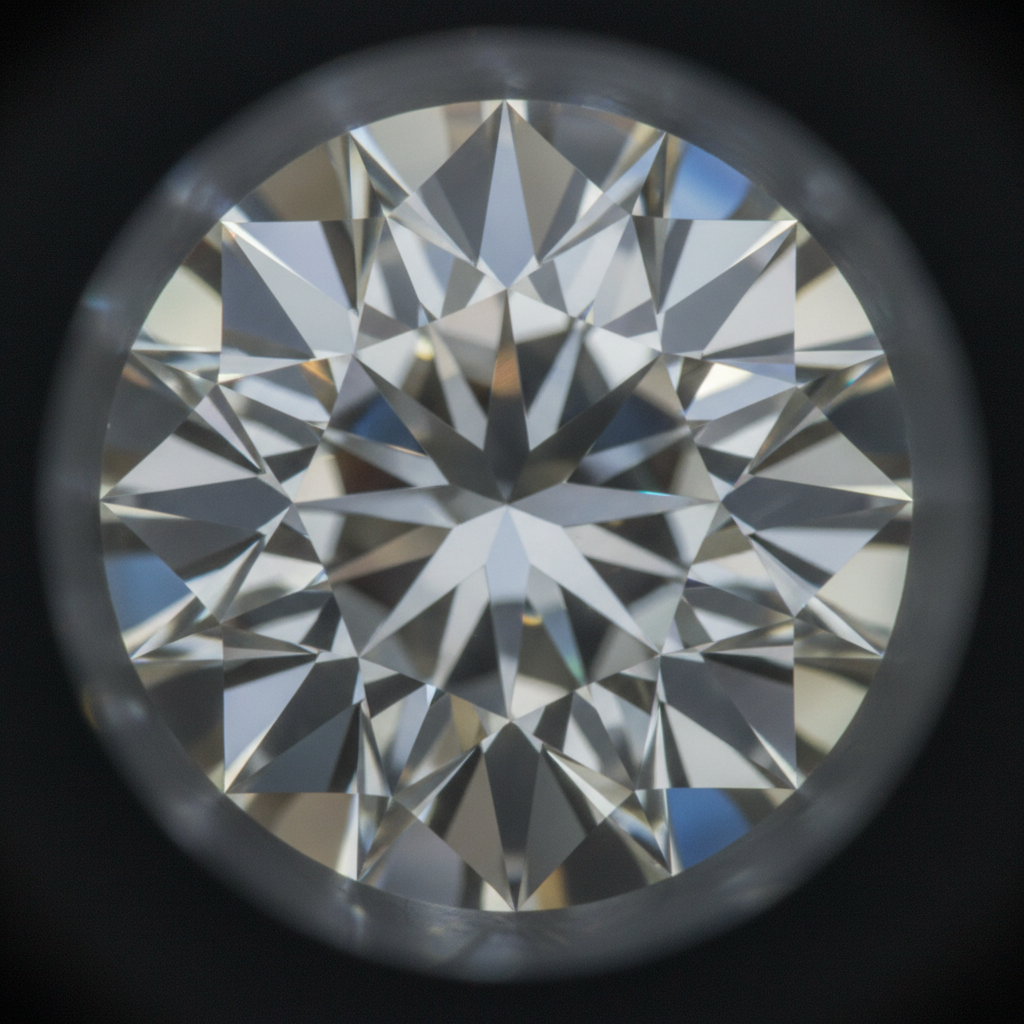
Our Top Pick: Lab-Grown Diamonds for Most Buyers
For most modern proposals and gifts, lab-grown diamonds are our top pick due to fast timelines, consistent matching for sets, and certification parity with natural. You’ll lock the exact size, color, and clarity you want and ship quickly—ideal when you’re on a schedule.
In our experience outfitting New York couples, timing and precision usually drive the decision. Lab-grown lets you hit target specs (say, near-colorless with VS clarity) and get the ring set without delay. That speed multiplies when you’re building matched pieces like studs, tennis bracelets, or a wedding stack.
- Faster to “Yes”: Next-day shipping on thousands of in-stock styles keeps your proposal plan on track.
- Easy to match: Building a bridal suite? Consistent inventory simplifies pairs and sets.
- Education-first: We align on cut quality and light performance before you commit.
- Certification parity: Diamonds are graded to the same 4Cs standards as natural.
Start planning with our concise Lab-Grown Diamonds guide, or explore styles in our lab-grown rings overview to preview settings, prong styles, and matching bands.
Entries #2–10: The nine other reasons, ranked
Beyond speed and matching, nine more factors influence lab vs natural: heritage, look-for-your-budget, lead times, color/clarity control, certification access, customization, ethical clarity, long-term sentiment, and everyday practicality for earrings, tennis, and stacks.
#2 Natural diamonds: heritage and geological rarity
Natural diamonds carry a “formed in the earth” story some buyers love for heirlooms. The tradition resonates at milestone moments. If the romance of geology matters most, natural is compelling.
- Why it matters: Rarity and origin can feel symbolic for family pieces.
- Action: Tell us the sentiment you’re after; we’ll source accordingly.
Many New Yorkers pair a natural center with a lab-grown diamond wedding band to blend meaning with modern practicality.
#3 Bigger visual impact for the same spec targets
Because lab supply is consistent, shoppers often secure a larger visual footprint at the same target color and clarity. The result: a bolder look that still meets your spec discipline.
- Why it matters: Size and cut drive perceived sparkle from across the room.
- Example: Our in-stock lab-grown ring options make it easy to compare profiles in real time.
#4 Faster proposal and gifting timelines
Planning around travel or family? Fast fulfillment prevents last-minute scrambles. With next-day shipping on thousands of styles, lab-grown lets you move from decision to delivery quickly.
- Why it matters: Life events rarely wait for backorders.
- Action: Lock your diamond specs, then choose a setting the same day.
#5 Matching studs, tennis bracelets, and bands is simpler
Matched pairs require near-identical size, color, and cut. Lab-grown inventory simplifies that hunt, especially for graduated tennis lines and symmetrical studs.
- Example: Compare our sustainability notes and then build a graduated tennis look.
- Proof point: Consistency streamlines quality control across a multi-piece set.
#6 Color and clarity control for precise aesthetics
Targeting near-colorless with minimal inclusions? Lab-grown stock density makes it easier to hold the line on both color and clarity while still prioritizing excellent cut.
- Tip: Ask us to shortlist stones with strong hearts-and-arrows symmetry.
- Why it matters: Balanced specs avoid paying for invisible improvements while protecting light return.
#7 Certification access and easy education
Both lab-grown and natural diamonds are graded to the 4Cs, so you can read a grading report and compare apples-to-apples. If you like a second primer, this plain-language lab vs natural explainer pairs well with our own education center for a complete view.
- Action: Bring any grading report to your appointment; we’ll decode it together.
- Detail: Cut proportions and symmetry often trump micro-clarity differences in real-world sparkle.
#8 Customization flexibility without long waits
Want a hidden halo, compass prongs, or a bezel? Lab-grown availability keeps custom choices moving. You can fine-tune details and still keep timelines tight.
- Example: Choose a solitaire now and add a guard wrap later to evolve the look.
- Why it matters: Designs change; your plan can, too.
#9 Ethical and traceability clarity
Lab growth offers clear process documentation from seed to finished stone. For buyers who prioritize documented origin, that transparency is reassuring alongside traditional responsible-sourcing standards used for natural.
- Action: Ask to see batch and growth-process details where available.
- Note: Power sources and lab practices matter—trace them.
#10 Long-term sentiment and heirloom planning
Heirloom value lives in the story you create, not only in origin. Some families choose natural centers; others embrace lab as the start of a modern tradition. Both can be cherished across generations when craftsmanship and care are prioritized.
- Tip: Engrave dates or initials to add meaning—simple, timeless, personal.
- Example: See this seven-stone anniversary band that layers beautifully with solitaires.
How to choose between lab-grown and natural
Decide by ranking what matters most: timing, exact specs, matching sets, and heritage. If you need speed and precision, choose lab-grown. If geological rarity carries the day, choose natural. Either way, prioritize cut quality first for visible sparkle.
Step-by-step decision path
- Define the moment: Proposal date, travel, or family plans set your timeline.
- Lock cut quality: Favor Excellent/Ideal parameters to maximize light return.
- Pick a color range: Near-colorless looks bright in white metals; warmer tones flatter yellow gold.
- Set clarity guardrails: Eye-clean is the goal; let’s view under 10x for confirmation.
- Decide origin: Lab for speed/matching, natural for rarity/heritage.
- Choose the setting: Solitaire, three-stone, halo, bezel—match lifestyle and taste.
Tools and resources that make it easy
- Browse our streamlined Lab-Grown Diamonds page for specs and FAQs.
- Skim our engagement ring styles overview for prongs, profiles, and band pairings.
- Compare a ready-to-ship option like this IGI-graded lab-grown ring to visualize scale and hand presence.
- Want more outside perspective? This straightforward find-a-diamond primer outlines selection basics you can apply anywhere.
Buying guide: specs, settings, and shipping
Prioritize cut, then balance color and clarity to your metal choice and lifestyle. Choose a durable setting you’ll love daily, and confirm shipping timelines. Diamond2Deal’s next-day shipping on in-stock styles keeps proposals and gifting on schedule.
Spec discipline that protects beauty
- Cut first: Depth, table, and symmetry drive fire; lab and natural both benefit equally.
- Color next: Aim for harmony with your metal—near-colorless in white metals, slightly warmer in yellow gold.
- Clarity last: Seek eye-clean; inclusions off the table edge are often less visible.
Setting choices that match your life
- Solitaire: Timeless; shows off cut quality.
- Three-stone: Symbolic; adds width and presence.
- Halo or bezel: Extra protection and visual spread.
Local considerations for Manhattan
- Plan pickups around midtown foot traffic near Rockefeller Center; weekday mornings are calmer for trying on rings.
- Holiday proposals? Build a buffer—shipping carriers and streets around Grand Central get busy fast.
- For appointments, bring images of styles you love; we’ll align quickly and keep your visit efficient.
Want tailored guidance? Book a one-on-one with a Diamond2Deal expert. We’ll shortlist lab-grown and natural options, explain trade-offs, and finalize a setting you’ll love—often in a single visit. Meanwhile, explore our Lab-Grown Diamonds guide for a head start.

FAQ: Lab-grown vs natural diamonds
Both lab-grown and natural diamonds are real. Choose lab when you need speed, consistency, and exact specs; choose natural for geological rarity and tradition. Always prioritize cut for visible sparkle and verify with a grading report.
Are lab-grown diamonds real diamonds?
Yes. Lab-grown and natural diamonds share the same chemistry (pure carbon) and crystal structure, which is why both measure 10 on the Mohs hardness scale and are graded on the same 4Cs framework.
Can you tell lab-grown from natural with the naked eye?
No. Without specialized equipment and a grading report, the visual performance is indistinguishable. What you see—fire and brilliance—primarily comes from cut quality, not origin.
Which is better for matched earrings or a tennis bracelet?
Lab-grown usually makes matching easier thanks to consistent supply in specific sizes and colors. That consistency speeds up curation for symmetrical studs and graduated tennis pieces.
Do lab-grown diamonds come with grading reports?
Yes. Leading grading institutions evaluate lab-grown and natural diamonds on the 4Cs. Reviewing reports side-by-side is the best way to compare two stones objectively.
How should I balance color and clarity for daily wear?
Aim for a bright, eye-clean look. In white metals, near-colorless often looks crisp; in yellow gold, slightly warmer tones blend beautifully. Keep cut quality high so light performance stays strong over time.
Methodology: how we evaluated this comparison
We assessed lab-grown and natural across 10 real-world factors: cut-first beauty, availability, certification access, matching ease, timelines, customization, traceability, heritage appeal, long-term sentiment, and practicality for sets—grounded in thousands of New York consultations.
Our approach mirrors how real shoppers decide. First, protect visible beauty: cut proportions, symmetry, and polish. Second, confirm you can actually get the size and color you want in time. Third, map origin preferences to story and sentiment. Finally, pressure-test durability and daily-wear settings.
- Hands-on try-ons and side-by-side stone comparisons in our Manhattan showroom
- Review of grading reports to validate color, clarity, and cut claims
- Post-purchase feedback tracking on comfort, maintenance, and stacking
Conclusion: the smartest sparkle for 2026
If you want speed, matching ease, and tight control over specs, choose lab-grown. If you prize geological rarity and tradition, choose natural. Either way, cut quality drives beauty—use an education-first appointment to get it right the first time.
Key takeaways
- Both lab-grown and natural are real diamonds; cut governs beauty.
- Lab-grown excels for timelines, matched sets, and spec precision.
- Natural carries unique geological heritage for heirloom stories.
- Use reports and side-by-side comparisons to decide with confidence.
Ready to move from research to ring? Visit us in Manhattan or start with our streamlined Lab-Grown Diamonds page. Prefer reading first? Explore our engagement ring overview and sustainability notes, then we’ll finalize your shortlist together.