

Lab Grown Diamond Rings: Better Value for 2026 Buyers
Lab made diamond engagement rings are engagement rings set with diamonds grown in laboratories using CVD or HPHT. They are chemically and physically identical to mined diamonds, score 10 on the Mohs scale, and deliver strong value in the USA thanks to wider availability, modern designs, and certification options from reputable labs.
By Mit — President, Diamond2Deal • Last updated: June 30, 2026
Above-Fold Summary
This complete guide explains what lab made diamond engagement rings are, how they’re grown, how to choose the right ring, and how Diamond2Deal supports you with education, selection, and service. Use it to compare shapes, settings, metals, and certifications so you can say yes with confidence in 2026.
- What lab-grown diamonds are and how CVD vs. HPHT growth works
- How to read the 4Cs, choose a shape, and match the right setting
- Ring metal pros/cons (14k, 18k, platinum) and durability facts
- Diamond2Deal advantages: next-day shipping, education hub, expert appointments
- Action checklists, comparison tables, and a quick glossary
What Are Lab Made Diamond Engagement Rings?
Lab made diamond engagement rings feature lab-grown diamonds—real diamonds with the same crystal structure, refractive index (~2.42), and hardness (10) as mined stones. They’re grown with advanced technology, graded by the 4Cs, and set into popular styles like solitaire, halo, three-stone, and hidden halo designs.
In plain terms, a lab-grown diamond is crystallized carbon with the same optical and physical properties as natural diamond. You still evaluate color (D–Z), clarity (from FL to I), cut (Excellent to Poor), and carat weight (to the hundredth). A typical round brilliant has 57–58 facets that maximize light return.
- Terminology: lab-grown, lab-created, or man-made are interchangeable; “synthetic” refers to origin, not quality.
- Certification: Reputable labs grade LGDs and inscribe report numbers on the girdle for verification.
- Durability: Diamonds rank 10/10 on the Mohs hardness scale and resist scratching better than sapphire or moissanite.
- Settings: Common prong counts are 4 or 6; bands often range ~1.6–2.5 mm for comfort and strength.
At Diamond2Deal, you’ll find certified lab-grown center stones across classic solitaires, three-stone rings, halos, and unique engagement rings. The collection aligns with our “luxury without the retail markup” positioning and supports fast decisions with next-day shipping on thousands of in‑stock styles.
For broader background on how retailers frame the topic, see the explanatory overview from Riant Fine Jewelry. For a high-level contrast of mined versus lab-grown perspectives in 2026, review this comparison from Luxumoon Journal.
Why Lab-Grown Matters in 2026
Lab-grown diamonds matter in 2026 because they deliver real-diamond beauty with broader availability, consistent quality, and strong value. Shoppers get modern designs, fast fulfillment, and transparent grading—backed by customer-first policies at trusted USA jewelers like Diamond2Deal.
- Value without shortcuts: Same 10/10 hardness, same fire and brilliance, modern origin.
- Supply and selection: Consistent growth enables more D–F color and VS–SI clarity choices in popular sizes.
- Speed: Diamond2Deal offers next‑day shipping on thousands of styles so proposals stay on schedule.
- Trust signals: 1‑year warranty, free gift packaging, and 30‑day returns build confidence.
- Education-first: Our 4Cs and sustainability guides simplify decisions in under 10–15 minutes.
We’ve helped countless couples match finger size, lifestyle, and design—then refine details like a 6‑prong vs. 4‑prong head or a 1.8 mm vs. 2.2 mm band. Small measurements matter: a 0.2–0.4 mm change can affect comfort, stacking, and long-term wear.
Want deeper context on lab-grown versus other white gemstones? A 2026 explainer from Riant Fine Jewelry outlines the visual and hardness differences many shoppers compare.
How Lab-Grown Diamonds Are Made (CVD vs. HPHT)
Lab-grown diamonds are created by two main methods: CVD (Chemical Vapor Deposition) and HPHT (High Pressure High Temperature). CVD grows diamond layer by layer in a vacuum chamber; HPHT crystallizes carbon under ~pressure-temperature conditions similar to Earth’s mantle. Both yield real diamonds graded by the 4Cs.
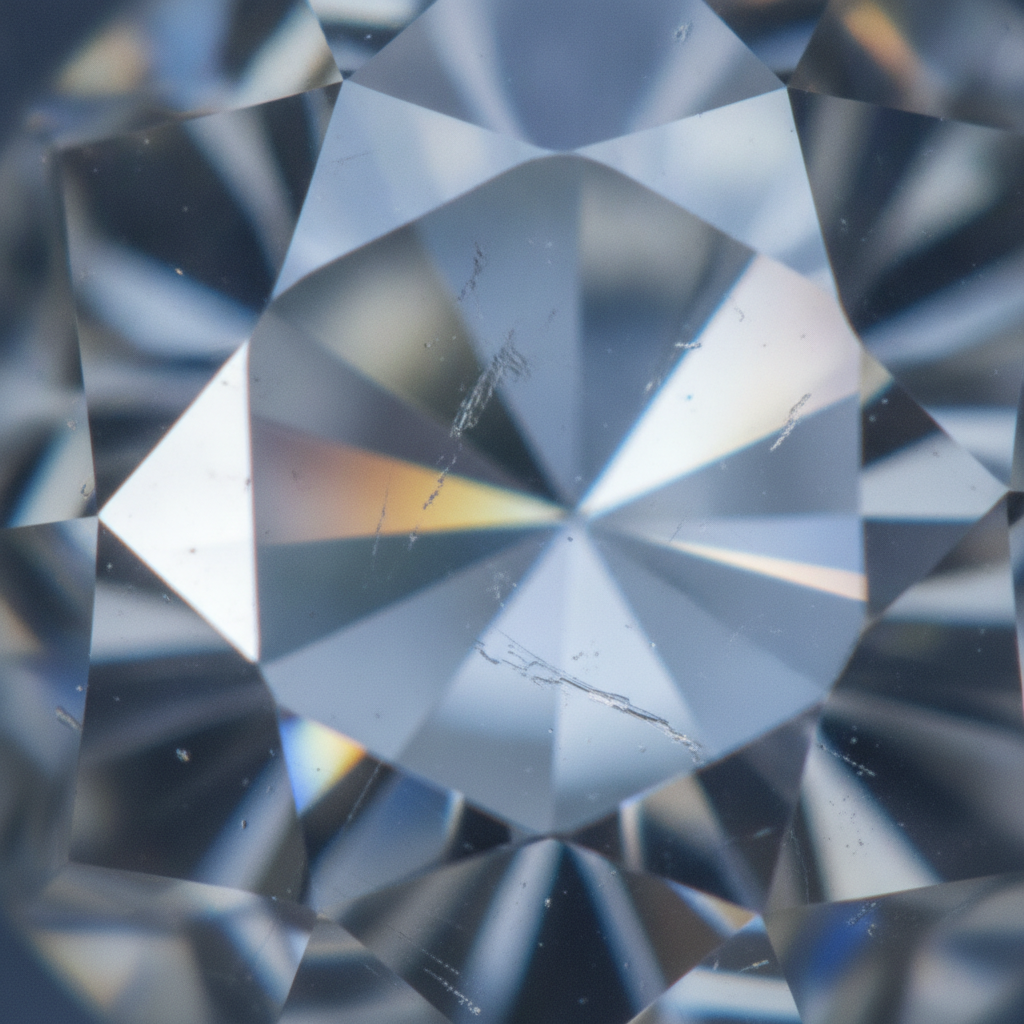
CVD in a nutshell
- Process: A thin diamond seed is placed in a vacuum chamber; hydrocarbon gas activates and deposits carbon atoms.
- Control: Fine control over growth conditions can support excellent cuts and bright D–F color outcomes.
- Inclusions: Often shows distinctive growth patterns; clarity still ranges FL–I like mined stones.
HPHT at a glance
- Process: Carbon is crystallized under intense pressure and heat using a press with metal catalysts.
- Color tuning: Post‑growth treatments can optimize color, expanding near‑colorless options.
- Results: Produces diamonds suitable for all shapes, including rounds, ovals, emeralds, and cushions.
Method comparison
| Aspect | CVD | HPHT |
|---|---|---|
| Growth style | Layer-by-layer in vacuum | Crystallization under pressure/heat |
| Common benefits | Fine control, strong color potential | Wide availability, robust crystal sizes |
| After-treatments | Sometimes minimal | Often used to fine-tune color |
| Shapes well served | Rounds, ovals, pears | Emeralds, cushions, rounds |
Regardless of origin method, every lab diamond still needs expert cutting to hit target proportions and angles. For example, many buyers prefer a round brilliant total depth near ~61% and table near ~57% to balance brightness and fire (tolerances vary by lab report and taste).
Types and Styles of Lab-Grown Engagement Rings
Lab-grown engagement rings span timeless solitaires, halos, and three-stone designs to modern east‑west ovals and hidden halos. Choosing shape, setting, and metal affects sparkle, finger coverage, and daily comfort—so match style to lifestyle before locking in fine details.
Popular shapes and why they matter
- Round brilliant: 57–58 facets for maximum fire; fits most settings and wedding bands.
- Oval: Elongates the finger; check for minimal bow-tie; pairs with 4‑ or 6‑prong baskets.
- Emerald: Step cuts emphasize clarity; seek clean VS–SI ranges and crisp symmetry.
- Cushion: Rounded corners; larger facets favor romantic, pillowy light patterns.
- Pear: Tapered elegance; ensure the point is well protected (often with a V‑prong).
- Marquise: Maximum spread for finger coverage; align straight; watch tips for wear.
Settings that showcase your stone
- Solitaire: Minimal metal, all eyes on the center; 4‑prong = exposure; 6‑prong = added security.
- Halo: A rim of small diamonds increases visual size by ~1–2 mm; adds scintillation.
- Three‑stone: Symbolic past‑present‑future; side stones typically 25–50% of center’s width.
- Pavé/Shank accents: Micro‑pavé brings sparkle around the finger; consider 1.6–2.0 mm shanks for balance.
- Hidden halo: A subtle ring of diamonds under the crown; visible in profile photos and IRL close‑ups.
Metal choices and real‑world wear
- 14k gold: Strong daily wear; great for active hands. White, yellow, or rose.
- 18k gold: Rich color; slightly softer; excellent for special‑occasion elegance.
- Platinum: Naturally white; patinas over time; loved for secure prongs and heft.
Explore design inspiration, terminology, and buying frameworks in our in‑depth overview of lab-grown diamond engagement rings and our broader lab-grown diamond jewelry guide.
Best Practices for Choosing Your Ring
Start with lifestyle and finger size, then lock your shape, setting, and metal. Next, optimize the 4Cs for brightness and eye‑clean clarity. Finally, verify grading, inspect details like prongs and band width, and confirm comfort with a matching wedding band plan.
Set your design brief
- Daily wear: Low‑profile solitaires and bezel or semi‑bezel heads reduce snagging.
- Glam moments: Halo or pavé adds 360° sparkle for photos and events.
- Stacking plan: Aim for a band that leaves ~1–2 mm clearance for your wedding ring.
Dial in the 4Cs
- Cut: Prioritize cut first—sparkle lives here. Excellent/Ideal ranges and good symmetry matter.
- Color: D–F for icy white; G–H for balanced value; I–J for warmth, especially with yellow/rose gold.
- Clarity: VS–SI can be eye‑clean; use videos or magnified images to confirm inclusion placement.
- Carat: Consider finger coverage; many prefer centers in classic ranges that match lifestyle and stacking goals.
Check the build
- Prongs: 4 vs. 6 affects visibility and security; V‑prongs protect points on pears/marquises.
- Band width: ~1.8–2.2 mm balances comfort and longevity for many hands.
- Under‑gallery: Smooth edges and a chamfered interior improve all‑day comfort.
Confirm paperwork and support
- Grading report: Ensure your diamond’s laser inscription matches the report ID.
- Warranty & returns: Diamond2Deal offers a 1‑year warranty and 30‑day returns for peace of mind.
- Service: Book an appointment with a diamond expert to review options, settings, and maintenance.
For even more practical tips and brand comparisons, our cluster article on lab-grown diamond jewelry brands outlines selection patterns and style trends we see across modern buyers.
Tools and Resources You Can Use
Leverage Diamond2Deal’s education hub, expert appointments, and in‑stock selection to shorten your search from weeks to days. Use the 4Cs tutorials, shape comparisons, and style glossaries to narrow choices in under an hour, then finalize details with a quick expert consult.
- Education hub: Learn the 4Cs, metals, and sustainability in concise modules.
- Expert appointments: Book time to compare shapes, settings, and band pairings—on your schedule.
- In‑stock styles: Thousands of options ship next day; perfect for timelines measured in days, not weeks.
- Customer‑first policies: 1‑year warranty, free gift packaging, 30‑day returns.
If you’re weighing origin differences against appearance, this 2026 mined‑vs‑lab summary from Luxumoon provides a readable overview to pair with our ring‑specific guidance.
Lab-Grown vs. Natural vs. Moissanite (Quick Comparison)
All three sparkle, but only diamonds—lab or mined—are pure crystallized carbon at Mohs 10 with diamond’s refractive index (~2.42). Moissanite is silicon carbide with different fire and double refraction. Choose based on authenticity, hardness, and your aesthetic.
| Property | Lab-Grown Diamond | Natural Diamond | Moissanite |
|---|---|---|---|
| Composition | Carbon (diamond) | Carbon (diamond) | Silicon carbide |
| Mohs hardness | 10 | 10 | ~9.25 |
| Refractive index | ~2.42 | ~2.42 | ~2.65–2.69 (double refractive) |
| Facet style | All diamond cuts | All diamond cuts | Often cut to mimic diamonds |
| Certification | Graded by leading labs | Graded by leading labs | Usually not diamond labs |
If you’re visually sensitive to double refraction or “disco‑ball” fire, you’ll likely prefer diamond—lab or mined. If you want maximal hardness and an heirloom tradition, diamond remains the benchmark for engagement rings.
Real Examples and Mini Case Studies
Here are real‑world scenarios that show how couples use lab‑grown options to balance sparkle, lifestyle, and timelines. Use these as models to decide shape, setting height, and matching bands before you order.
- The frequent traveler: Chooses a 4‑prong low‑profile round solitaire with a 1.8 mm band and a contoured guard wrap to prevent spinning during flights.
- The hands‑on creative: Selects a bezel‑set oval to minimize snags while sculpting and crafting; pairs with a satin‑finish band for texture contrast.
- The minimalist: Prefers an east‑west emerald cut in 14k yellow gold with a smooth under‑gallery; stacks a thin pavé band for occasional dress‑up moments.
- The classic romantic: Picks a three‑stone round with side stones ~40% of the center’s width; adds a diamond eternity band for anniversaries.
For more buyer stories and trend snapshots, see our cluster deep dives on lab-grown diamond rings and our practical walkthrough of lab-grown wedding rings.
Care, Maintenance, and Longevity
Diamonds are durable, but rings are jewelry—clean gently, check prongs annually, and remove during high‑impact activities. A quick at‑home soak in warm water with mild dish soap restores brightness; professional checks ensure secure settings and long‑term wear.
- Home cleaning: 10–15 minutes in warm soapy water; soft brush around prongs and under the pavilion.
- Professional check: Annual prong inspection helps spot wear on 4‑ or 6‑prong heads and micro‑pavé.
- Storage: Individual pouches or compartments prevent diamonds (Mohs 10) from scratching softer gems.
- Activities: Remove for weightlifting, rock climbing, and gardening to reduce knocks and grit exposure.
Our buyer education articles on lab-grown jewelry care and selection include step‑by‑step visuals and checklists you can download for routine upkeep.
Your 7‑Step Ring Selection Plan
Follow this 7‑step plan: set lifestyle goals, pick shape, choose setting, select metal, optimize 4Cs, verify grading and build quality, then plan your wedding band. Book an expert appointment if you’d like a second set of eyes.
- Define lifestyle (low‑profile vs. statement).
- Choose your shape (round, oval, emerald, etc.).
- Select the setting (solitaire, halo, three‑stone, hidden halo).
- Pick your metal (14k, 18k, platinum).
- Optimize the 4Cs for brightness and eye‑clean clarity.
- Verify grading inscription and inspect prongs, band width, and comfort.
- Plan a matching wedding band and future anniversary band.
For deeper 4Cs refreshers and visual examples, browse our guide to lab-grown diamond basics with quick comparison photos and checklists.
Get Personalized Guidance (Free Appointment)
If you want a second opinion, book a quick appointment with a Diamond2Deal diamond expert. We’ll help you compare shapes, review grading, and finalize a setting—so you can decide with confidence in minutes, not weeks.
Prefer hands‑on coaching? Our diamond experts can walk you through shape trade‑offs (round vs. oval), security choices (4 vs. 6 prongs), and stacking plans in one short session. Bring 2–3 favorites and we’ll narrow to the winner together.
Frequently Asked Questions
These quick answers cover what most buyers ask about lab made diamond engagement rings—from authenticity and grading to daily wear and maintenance. Each response is concise and ready for quick reference.
Are lab made diamond engagement rings real diamonds?
Yes. Lab-grown diamonds are real diamonds with the same carbon structure, hardness (10), and sparkle as mined stones. They’re graded by the 4Cs and can include laser-inscribed report numbers for verification.
Will a lab-grown diamond scratch or cloud over time?
Diamonds rank 10 on the Mohs scale, so they resist scratching from everyday materials. Routine cleaning (10–15 minutes in warm soapy water) keeps brilliance high. Annual prong checks protect against wear from daily knocks.
How should I pick the right diamond shape?
Match shape to style and hand. Round is classic and versatile. Ovals elongate fingers. Emerald cuts highlight clarity. Cushions are romantic. Try to visualize with photos and confirm how it pairs with your preferred wedding band style.
What’s the best setting for active lifestyles?
Low‑profile solitaires, bezels, or semi‑bezels reduce snagging. Choose 6 prongs for extra security on rounds. Keep band widths around 1.8–2.2 mm for balanced strength without bulk, and remove rings during high‑impact activities.
Key Takeaways
Lab made diamond engagement rings deliver authentic diamond beauty, strong value, and modern availability. Use the 4Cs, match setting and metal to lifestyle, and lean on Diamond2Deal’s education, next‑day shipping, and expert support to decide with clarity.
- Lab-grown = real diamonds with identical properties to mined stones.
- Cut quality drives sparkle; color and clarity can be optimized for eye‑clean performance.
- Small specs—prongs, band width, setting height—change daily comfort.
- Diamond2Deal’s next‑day shipping and policies keep proposals on track.
Conclusion
Choose your ring with a plan: set lifestyle goals, shortlist shapes and settings, then optimize the 4Cs and confirm build quality. Diamond2Deal’s selection, education hub, and expert appointments make it simple to move from browsing to a confident yes.
Ready to explore? Start with our focused guide to lab-grown engagement rings, then bring 2–3 favorites to an expert appointment. We’ll help you compare details and finalize a ring you’ll love for decades.