

Lab-Grown Bands: Bigger Look, Better Value (2026)
Lab made diamond wedding rings are wedding bands set with diamonds grown in a laboratory using HPHT or CVD methods. They are chemically and optically identical to mined diamonds, scoring 10 on the Mohs scale. In the USA, couples choose them for consistent quality, design flexibility, and strong value without compromising sparkle.
By Mit — President, Diamond2Deal
Last updated: 2026-06-26
Overview & Table of Contents
This guide explains lab-made diamond wedding rings in plain language: what they are, why they’re popular in the USA, how HPHT and CVD growth work, and how to choose styles, metals, and settings. Use it to shortlist the right width, profile, and diamond details, then confirm with a hands-on inspection and expert advice.
Choosing wedding bands should feel exciting, not overwhelming. Here’s how to get clarity fast and make confident, lifelong picks for your rings.
- What lab-made wedding rings are and how they compare to mined
- Benefits: value, ethics, selection, and speed
- How lab diamonds are grown (HPHT vs CVD)
- Ring styles, settings, metals, and profiles
- Step-by-step selection checklist you can follow today
- Care best practices to keep bands brilliant
- Tools and resources to shop smarter
What Are Lab‑Made Diamond Wedding Rings?
Lab-made diamond wedding rings feature laboratory-grown diamonds set in precious metal bands. They share the same crystal structure and hardness as mined diamonds, but offer predictable quality, modern styles, and abundant availability. Couples pick them to align beauty, value, and ethics without sacrificing lasting durability.
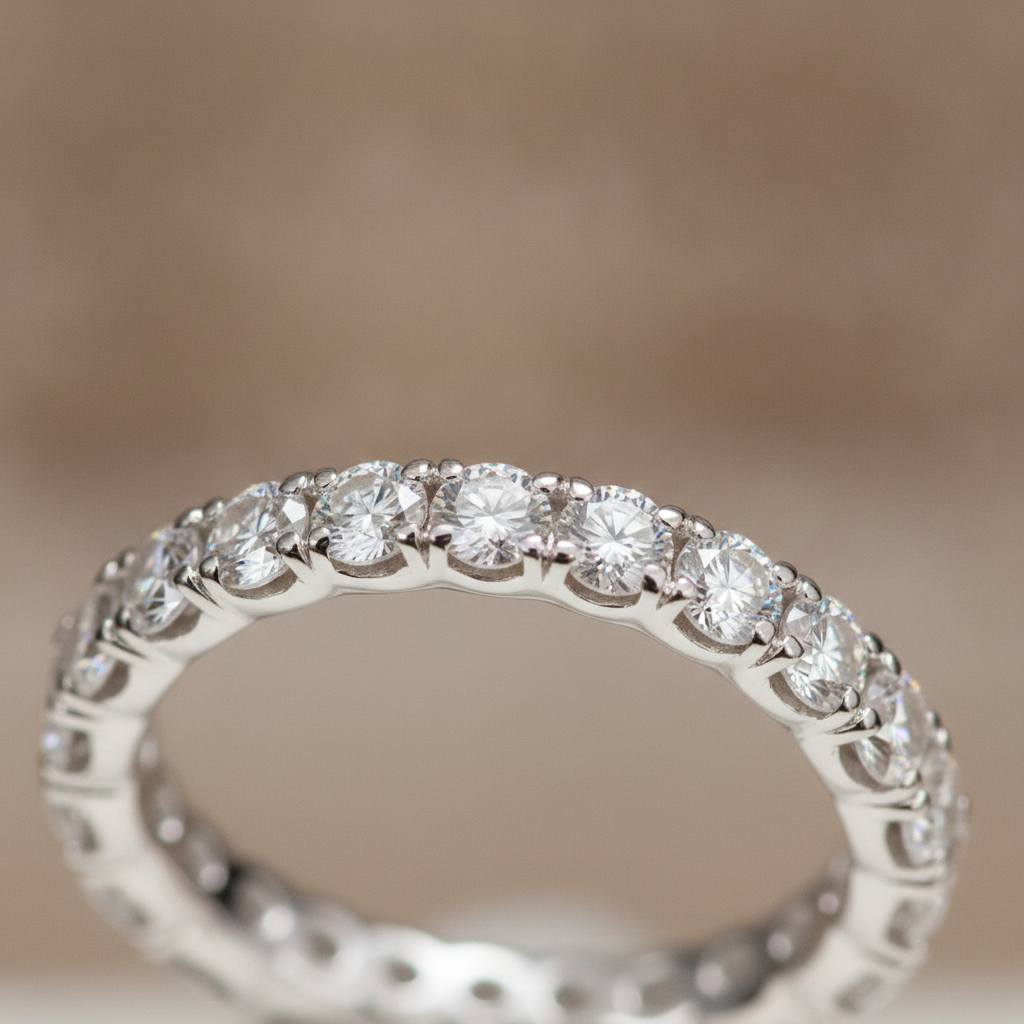
At Diamond2Deal, lab-grown diamond wedding rings sit within our broader Lab‑Grown Diamond Jewelry and Wedding Rings assortments. They include classic pavé and channel bands, modern bezel looks, and full or half‑eternity designs that pair cleanly with engagement rings.
Key technical facts that matter when you’re evaluating quality and longevity:
- Hardness: Diamonds (lab or mined) are Mohs 10; they resist scratching better than any other gemstone.
- Clarity & color: You’ll see the same GIA‑style scale (e.g., VS clarity, near‑colorless grades) applied to lab‑grown stones.
- Metal choices: 14K and 18K gold dominate wedding bands for balanced strength and luster; white, yellow, and rose are popular.
- Widths & profiles: Everyday‑comfortable bands usually sit between ~1.6 mm and 3.0 mm; edges can be comfort‑fit, knife‑edge, or flat.
For a complete primer on 4Cs and sustainability lenses you can use while comparing mined and lab options, see our internal education overviews, including this lab‑grown jewelry guide and our take on lab‑grown engagement rings.
Why Choose Lab‑Grown Wedding Bands
Lab-grown wedding bands deliver design freedom, reliable quality, and strong value. You’ll find more in‑stock styles, easier matching with engagement rings, and fast delivery. With identical hardness and fire to mined diamonds, they’re a practical way to balance sparkle, aesthetics, and everyday durability.
In our experience helping USA couples finalize bands, four benefits stand out consistently. Each one connects to day‑to‑day wear and long‑term satisfaction.
- Consistent quality: Lab growth enables tight control over color and clarity, supporting balanced specifications for wedding bands and stacks.
- Design flexibility: From bezel micro‑pavé to sleek channel‑set, you can tailor width, profile, and diamond spacing to match your engagement ring.
- Speed and certainty: Diamond2Deal keeps thousands of styles ready to ship, including many next‑day, so your timeline stays on track.
- Policy peace of mind: We support you with a 1‑year warranty, free gift packaging, and 30‑day returns—ideal safeguards when your schedule is busy.
We also see couples prioritize everyday practicality. Comfort‑fit interiors reduce hot‑spot pressure; low‑profile pavé minimizes snag risk. When you stack bands—say a 2.0 mm pavé next to a 2.5 mm channel—you preserve symmetry while varying texture and sparkle.
If you’re exploring wedding bands as part of a larger bridal set, our cluster articles can help you align choices across the stack. For example, this guide to lab‑grown diamond rings breaks down decision points you can apply directly to wedding bands.
How Lab‑Grown Diamonds Are Made (HPHT vs CVD)
Lab-grown diamonds form by replicating natural conditions. HPHT uses intense heat and pressure with a diamond seed; CVD grows diamond layer‑by‑layer in a carbon‑rich plasma. Both produce real diamonds with the same optical, physical, and chemical properties as mined stones.
It helps to visualize each method. Once you grasp the growth path, you’ll better understand consistent color, clarity, and how cutting prioritizes brilliance.
- HPHT (High Pressure High Temperature): A diamond seed crystal grows inside a press at roughly 5–6 GPa and about 1,300–1,600°C. Metal catalysts help carbon atoms arrange into the diamond lattice.
- CVD (Chemical Vapor Deposition): A tiny diamond seed sits in a vacuum chamber while a carbon‑bearing gas breaks down in a plasma; carbon deposits on the seed at ~700–1,100°C, forming diamond layer by layer.
- Same end material: After growth, both HPHT and CVD crystals are cut and polished using the same techniques as mined diamonds.
From a buyer’s standpoint, what matters is the final cut quality and confirmed specifications on color, clarity, and carat weight. That’s why we emphasize careful grading review and side‑by‑side comparisons under neutral lighting before you commit.
Types, Settings, and Metals for Lab‑Made Wedding Rings
Popular lab‑made wedding rings include pavé, micro‑pavé, channel‑set, bezel‑set, and full or half‑eternity designs. Most couples choose 14K or 18K gold for strength and color options. Aim for widths between ~1.6–3.0 mm for daily comfort and easy stacking with engagement rings.
Style is personal, but a few structural choices drive comfort and longevity. Use the notes below to shortlist candidates you’ll love wearing every day.
Common diamond settings
- Pavé / Micro‑pavé: Maximum sparkle with many small stones; look for secure micro‑prongs and even spacing.
- Channel‑set: Diamonds sit protected between two metal walls—sleek, snag‑resistant, and practical for active hands.
- Bezel: A rim of metal encircles each diamond; very secure and modern. Works well in minimalist stacks.
- Eternity (full or half): Continuous sparkle around the finger (full) or across the top half (half) for comfort and resize flexibility.
Metal options and finishes
- 14K gold: Great everyday durability with warm luster. White, yellow, and rose remain the most popular choices.
- 18K gold: Richer color with a touch more softness; favors high‑polish or brushed finishes for a luxe look.
- Finishes: High‑polish for mirror shine; satin or matte for subtlety; hammered for artisanal texture.
At‑a‑glance comparison
| Setting | Sparkle | Snag Risk | Resize Ease | Everyday Wear |
|---|---|---|---|---|
| Pavé | High | Low‑Medium | Good (half) | Great if low‑profile |
| Micro‑pavé | Very High | Medium | Good (half) | Great with care |
| Channel | Medium‑High | Low | Good | Excellent for active wear |
| Bezel | Medium | Very Low | Good | Excellent security |
| Eternity (full) | Very High | Medium | Limited | Luxe, mindful fit |
Want more style inspiration across the luxury diamonds category? Skim our lab‑grown diamond brands overview and broader lab‑grown jewelry guide to compare aesthetics and craftsmanship cues.
Step‑by‑Step: How to Choose Your Lab‑Made Diamond Wedding Ring
Choose a lab‑made diamond wedding ring by aligning lifestyle, engagement‑ring geometry, and daily comfort. Measure size precisely, define a target width, pick a secure setting, and verify diamond specs under neutral light. Confirm policies and shipping to keep your timeline on track.
- Confirm ring size: Use a sizer at home and verify in person if possible; note seasonality—fingers can vary up to a quarter‑size.
- Match your engagement ring: Measure band height and profile so the wedding band nests cleanly without gaps.
- Pick a width target: Start with ~1.8–2.2 mm for slim stacks; go 2.5–3.0 mm for more presence that remains glove‑friendly.
- Choose the setting: Pavé or channel for sparkle with security; bezel for active, hands‑on work.
- Set diamond priorities: With small accent stones, balanced color and clarity often beat chasing extremes; cut consistency still matters.
- Check finish and comfort: Opt for comfort‑fit interiors for daily wear; consider a low‑profile to avoid snagging.
- Review policies and timing: Look for next‑day shipping availability, clear returns, and warranty support to anchor your plan.
If you want a single resource that ties these steps together with visuals, this concise lab‑grown engagement ring explainer translates cleanly to wedding band decisions—especially on matching widths and profiles.
Need a second set of eyes? Start with our education hub and get fast guidance from a diamond expert. Read the lab‑grown jewelry guide and bring your shortlist to an appointment.
Best Practices for Longevity and Care
Keep lab‑made diamond wedding rings brilliant by cleaning regularly, avoiding harsh chemicals, and scheduling annual checkups. Use mild soap and a soft brush, store pieces separately, and remove bands during high‑impact activities. Quick routines preserve prongs, finish, and long‑term sparkle.
Care isn’t complicated, but a rhythm helps your bands look new for years.
- Quick clean: Every 2–4 weeks, soak in warm water with mild dish soap; use a soft brush to lift lotion and soap residue from pavé.
- Rinse and dry: Rinse under lukewarm water and pat dry with lint‑free cloth to prevent water spots.
- Prong checks: Inspect micro‑prongs quarterly; if you feel snagging, pause wear and schedule a jeweler check.
- Storage: Keep rings in separate soft pouches; diamond can scratch metal and softer gems.
- Activities: Remove bands for heavy gym sessions, rock climbing, or abrasive yard work; channel or bezel settings tolerate activity best.
Ultrasonic cleaners can be effective for sturdy settings, but if stones are extremely small or the band has delicate milgrain, err on the side of gentle hand cleaning. An annual professional inspection is a smart habit to confirm prong integrity and polish.
Tools and Resources to Shop Smarter
Use structured education, side‑by‑side comparisons, and expert input to choose faster. Start with 4Cs basics, shortlist 2–3 settings, and verify policies and shipping windows. A quick consult aligns design, comfort, and timeline without second‑guessing.
To move from research to decision, lean on focused guides and checklists.
- Review fundamentals in our lab‑grown jewelry guide to align 4Cs and metal choices for bands.
- Explore ring aesthetics and stacks with this visual guide to lab‑grown jewelry.
- Understand engagement‑band matching in our lab‑grown engagement ring overview.
- For broader context across luxury diamonds, browse this sparkle‑first comparison and this buyer’s checklist.
External backgrounders can also help you visualize growth methods and common labeling language around lab‑grown diamonds. Skim an educational explainer on lab‑grown diamonds here, a general lab‑grown overview here, and a wedding band collection example here.
Case Studies and Style Examples
Real couples often pair a low‑profile channel band for daily durability with a micro‑pavé eternity for events. Stacking a 2.0 mm pavé against a 2.5 mm channel keeps symmetry while changing texture. Fast shipping and clear policies remove timeline stress during busy wedding seasons.
Three quick scenarios that mirror decisions we help with every week:
- Sport‑forward lifestyle: She chooses a 2.2 mm channel‑set lab‑made band that sits flush with a knife‑edge solitaire. Result: smooth glove fit and low snag risk.
- Stacking symmetry: They pair a half‑eternity pavé with a slim plain gold guard. Visual balance improves, and resizing remains flexible.
- Timeline crunch: With next‑day shipping on in‑stock styles and a 30‑day review window, the couple locks a decision early and keeps momentum on planning.
Want more real‑world pointers as you match bands to engagement rings? This diamond jewelry guide and this 4Cs refresher offer quick checklists and visuals you can adapt to wedding bands.
Frequently Asked Questions
Below are quick answers to common questions about lab‑made diamond wedding rings—covering durability, matching, metals, and maintenance. Each response is direct and action‑oriented so you can move forward with confidence and a short, focused shortlist.
Are lab‑made diamond wedding rings real diamonds?
Yes. Lab‑grown diamonds have the same physical, optical, and chemical properties as mined diamonds. They’re formed with HPHT or CVD methods, then cut and polished using the same techniques jewelers apply to natural diamonds.
Do lab‑grown bands match mined‑diamond engagement rings?
Absolutely. Focus on width, profile height, and setting style to ensure a clean nest with your engagement ring. Channel or low‑profile pavé bands often sit flush and complement a wide range of solitaire and halo designs.
Which metal is best for daily wear?
14K gold balances durability and luster for most people. If you prefer a richer hue, 18K is a beautiful option. Choose white, yellow, or rose based on your skin tone and how closely you want to match your engagement ring.
How should I care for pavé wedding bands?
Clean with warm water and mild dish soap every 2–4 weeks, then pat dry with a lint‑free cloth. Avoid harsh chemicals and remove bands for high‑impact activities. Schedule an annual jeweler check to confirm micro‑prong security.
Conclusion and Next Steps
Lab‑made diamond wedding rings offer real‑diamond sparkle, modern design control, and strong everyday durability. Shortlist two settings and a target width, verify diamond and metal details, and confirm policies and shipping. With these boxes checked, you’ll choose confidently and wear your bands for decades.
Key takeaways
- Lab‑grown equals real diamond—same hardness, fire, and brilliance as mined.
- Settings drive daily comfort; channel or low‑profile pavé work for active hands.
- Widths around 1.8–3.0 mm balance presence with all‑day wear.
- Education, fast fulfillment, and clear policies simplify timelines.
What to do next
- Decide on full vs half‑eternity based on resizing needs and daily comfort.
- Choose a setting that matches your engagement ring’s height and style.
- Read our lab‑grown jewelry guide and engagement ring overview to finalize details.
When you’re ready, bring your shortlist to an expert consultation so we can help you validate fit, finish, and day‑to‑day comfort.