

Lab Made Wedding Rings: 7 Mistakes to Avoid
Lab made wedding rings are fine gold bands set with laboratory-grown diamonds that match mined diamonds in composition, sparkle, and durability. They’re graded by the same 4Cs and deliver broad style availability in the USA with quick fulfillment. For confident picks, focus on cut, setting security, metal match, warranty, and expert support.
By Mit — President, Diamond2Deal • Last updated: 2026-07-11
| Founded | 1998 |
|---|---|
| Service area | USA |
| Fulfillment | Next-day shipping on thousands of in‑stock styles |
| Support | Book appointments with a diamond expert |
| Policies | 1-year warranty, 30-day returns, free gift packaging |
| Education | 4Cs, lab-grown, metals, and sizing guides |
Overview
Lab made wedding rings feature lab-grown diamonds set in precious metal bands and are graded by the 4Cs like mined stones. Couples choose them for identical sparkle and durability, wider selection, and strong value. Diamond2Deal supports confident buying with next-day shipping, an education hub, and bookable expert guidance.
You’re picking a ring you’ll wear every day. The choice feels big. This guide gives plain‑English rules, real specs (band widths, setting types, metal tips), and seven common mistakes to skip so the band you open on your wedding day still feels perfect years later.
What Are Lab Made Wedding Rings (and Why Couples Are Choosing Them)
A lab made wedding ring is a fine gold or platinum band set with a laboratory-grown diamond that shares the same crystal structure, hardness, and fire as mined diamonds. The appeal: consistent quality, transparent grading, strong availability, and modern styles without compromising on beauty or durability.
- Same diamond, different origin: Lab-grown diamonds share the carbon lattice and hardness associated with mined stones used in fine jewelry.
- Graded the same way: Cut, color, clarity, and carat apply equally; reputable sellers disclose growth method (HPHT or CVD) and any post-growth treatments.
- Style access: From minimalist comfort-fit to pavé and channel-set eternity, selection is broad and often ships quickly.
- Education-first shopping: Review the 4Cs and metals in our lab-grown education and see our store guide for support options.
7 Mistakes to Avoid With Lab Made Wedding Rings
Avoid seven pitfalls: buying by carat not cut, choosing a band that won’t sit flush, mismatching metal/karat, overlooking setting security, picking non-resizable designs, skipping documentation, and ignoring warranty/shipping. Fix these and your ring will wear beautifully and match your engagement ring from day one.
- Mistake #1: Buying by carat, not cut. In pavé or eternity bands, poorly cut melee looks dull. Action: prioritize well-cut stones and uniform color so the row reads as a bright line. If a product lists cut emphasis for center stones only, ask about the side-stone make as well.
- Mistake #2: Choosing a band that won’t sit flush. Tall engagement settings can collide with straight bands. Action: check for a contour or notch option and confirm band width. Many hands find 1.8–2.2 mm comfortable for daily stacking without spinning; wider bands can push the set apart.
- Mistake #3: Mismatching metal color and karat. Mixing 14k white with platinum or 18k yellow can create tone differences over time. Action: match karat and color to your engagement ring. White gold is rhodium plated; plan periodic maintenance so both pieces age consistently.
- Mistake #4: Overlooking setting security. Shared-prong sparkle is gorgeous but can snag if beads are uneven; channel walls protect edges better for hands-on work. Action: choose channel or bezel for active lifestyles; inspect prongs, beadwork, and edges for smoothness before finalizing.
- Mistake #5: Picking a design that can’t be resized. Full eternities are difficult to size later. Action: if your size fluctuates, consider a half‑eternity or a sizing bar on the underside so a jeweler can adjust in the future.
- Mistake #6: Skipping documentation and disclosure. A wedding band set with lab-grown diamonds should be labeled as such with growth method noted. Action: request documentation and keep it with your appraisal and warranty paperwork for future service.
- Mistake #7: Ignoring warranty, returns, and timelines. Tight wedding dates and unclear return policies add stress. Action: confirm in‑stock status and shipping speed, plus policies you can count on. Diamond2Deal offers next‑day shipping on many in‑stock styles, 30‑day returns, and a 1‑year warranty.
Prefer a quick walkthrough of key choices? Our internal guide on lab‑grown wedding rings and this value overview can help you pre‑shop in minutes.
How Lab-Grown Diamonds Compare to Mined — What Actually Matters for a Wedding Ring
Lab-grown and mined diamonds are optically and physically identical. For wedding bands, prioritize cut quality, secure setting style, metal choice, and warranty over origin. Choose graded stones, confirm growth method disclosure, and pick a band profile that fits daily wear and lifestyle.
- Sparkle = cut + cleanliness: Brightness and fire come from cut precision and clean settings. Origin doesn’t change physics.
- Daily durability: Diamonds resist scratching; security comes from how the stones are held (shared-prong, channel, bezel) and how smooth those elements are against clothing and skin.
- Disclosure basics: Learn the definitions in this independent explainer on lab‑grown diamonds and ensure your piece is clearly labeled.
- Metal feel + tone: 14k is slightly harder and often lighter in tone than 18k in the same color family; match to your engagement ring’s karat for a seamless stack.
What to Look for When Buying a Lab Made Wedding Ring
Start with lifestyle fit, then verify diamond grading, setting security, warranty, and shipping timelines. Confirm band width and profile, metal color, and sizing options. Favor retailers that publish education, offer returns, and provide responsive expert support.
- Lifestyle match: Hands‑on work? Choose channel or bezel. Occasional snagging in sweaters? Opt for lower‑profile pavé with smooth beads.
- Stone consistency: In multi‑stone bands, consistent color and eye‑clean clarity matter more than chasing a single headline grade.
- Setting execution: Even prongs and polished channel walls reduce snagging and stone loss risk over time.
- Metal + color: Coordinate karat and hue with your engagement ring for a cohesive, flush look.
- Support & policies: Confirm warranty, returns, and the option to book an expert for ring‑matching help.
- Timeline: If your date is near, verify in‑stock status and shipping speed. For context on alternatives, see this independent moissanite vs. lab‑grown overview.
Free ring‑matching help: Share a photo of your engagement ring and your wedding date. Our diamond experts will suggest band profiles, metal matches, and diamond settings that pair seamlessly — often with next‑day shipping options.
Diamond2Deal Lab-Made Wedding Ring Styles Worth Considering
Diamond2Deal offers classic solid bands and diamond‑accented wedding rings, with next‑day shipping on many in‑stock styles. Build a coordinated bridal look by pairing your band with matching earrings, necklaces, or a lab‑grown diamond tennis bracelet for the ceremony and beyond.
- Eternity and anniversary: Prong‑set and channel‑set bands pair beautifully with solitaire and halo engagement rings.
- Coordinating pieces: A lab‑grown diamond tennis bracelet or initial pendant adds sparkle without competing with your band in photos.
- Color‑forward accents: Gemstone staples — like citrine studs or a blue‑topaz accented band — add personality next to a classic lab‑grown band.
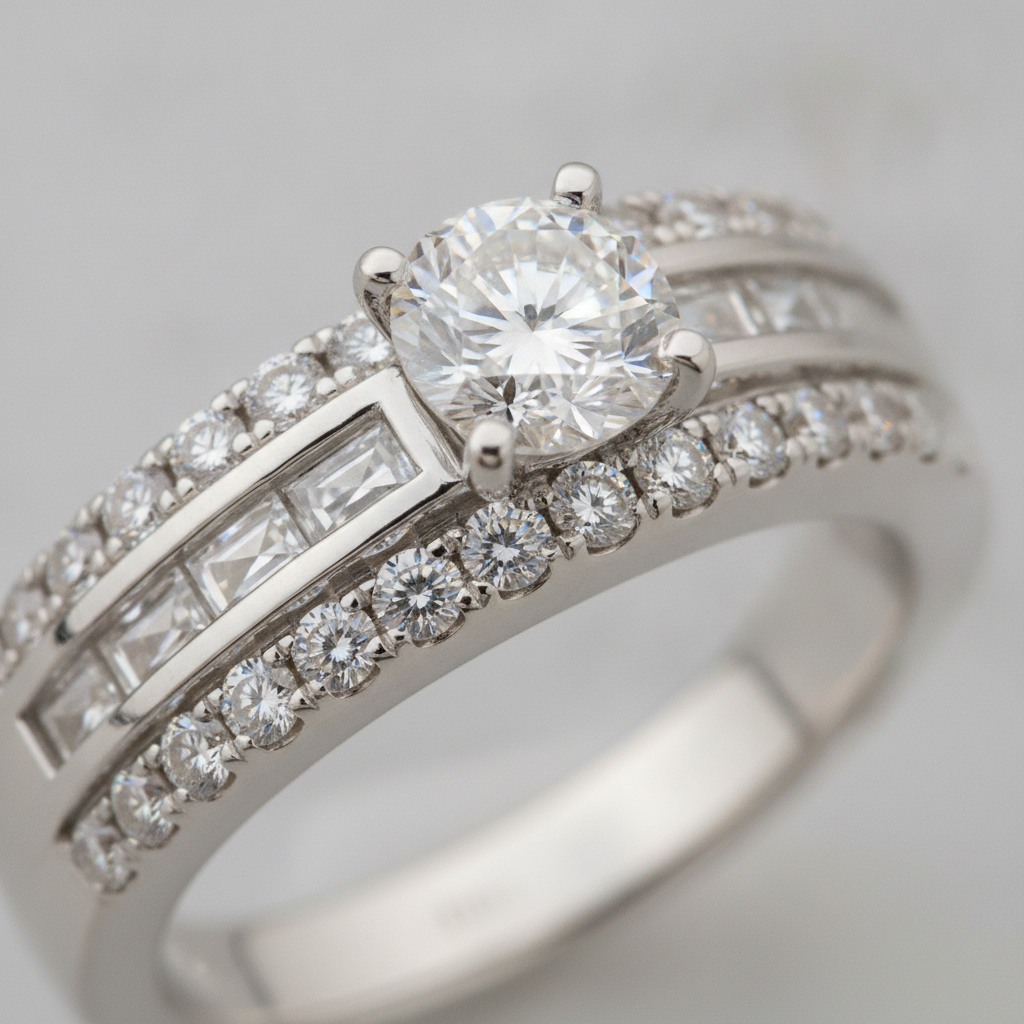
Want a quick refresher on the 4Cs before you choose? Start with our lab‑grown jewelry guide and a deeper look at brand differences.
How Diamond2Deal Compares to Other Lab Diamond Retailers
Diamond2Deal blends wholesale manufacturing roots with a customer‑first approach. Compared with large marketplaces and boutique designers, we emphasize fast fulfillment on in‑stock styles, transparent policies, and hands‑on guidance from a family‑owned team established in 1998.
| Retailer | Focus styles | Lab-grown selection | Speed/fulfillment | Differentiator |
|---|---|---|---|---|
| Diamond2Deal | Wedding bands, engagement, essentials | Across rings, bracelets, necklaces, earrings | Next‑day on many in‑stock | Education hub + expert appointments; family‑owned since 1998 |
| James Allen | Custom engagement + bands | Robust | Standard fulfillment | 360° viewing tools |
| Blue Nile | Classic bridal + bands | Wide | Standard fulfillment | Large marketplace selection |
| Brilliant Earth | Design‑forward bridal | Wide | Standard fulfillment | Ethos and design variety |
| Clean Origin | Lab‑grown specialists | Wide | Standard fulfillment | Lab‑only focus |
| Ritani | Custom + value | Wide | Standard fulfillment | Transparent policies |
| Best Brilliance | Lab‑grown rings | Wide | Standard fulfillment | Online selection |
| Plum Diamonds | Engagement focus | Focused | Standard fulfillment | Modern settings |
| Grown Brilliance | Engagement + bands | Wide | Standard fulfillment | Online builder tools |
| MiaDonna | Bridal | Wide | Standard fulfillment | Cause‑driven brand |
| Goodstone | High‑craft bridal | Focused | Standard fulfillment | Boutique craftsmanship |
| Melanie Casey | Delicate bridal | Focused | Standard fulfillment | Handcrafted aesthetic |
Why many couples choose Diamond2Deal as a top pick: quick access to in‑stock wedding bands, education that simplifies the 4Cs, and friendly guidance that helps your band sit flush and color‑match with your engagement ring — without guesswork.
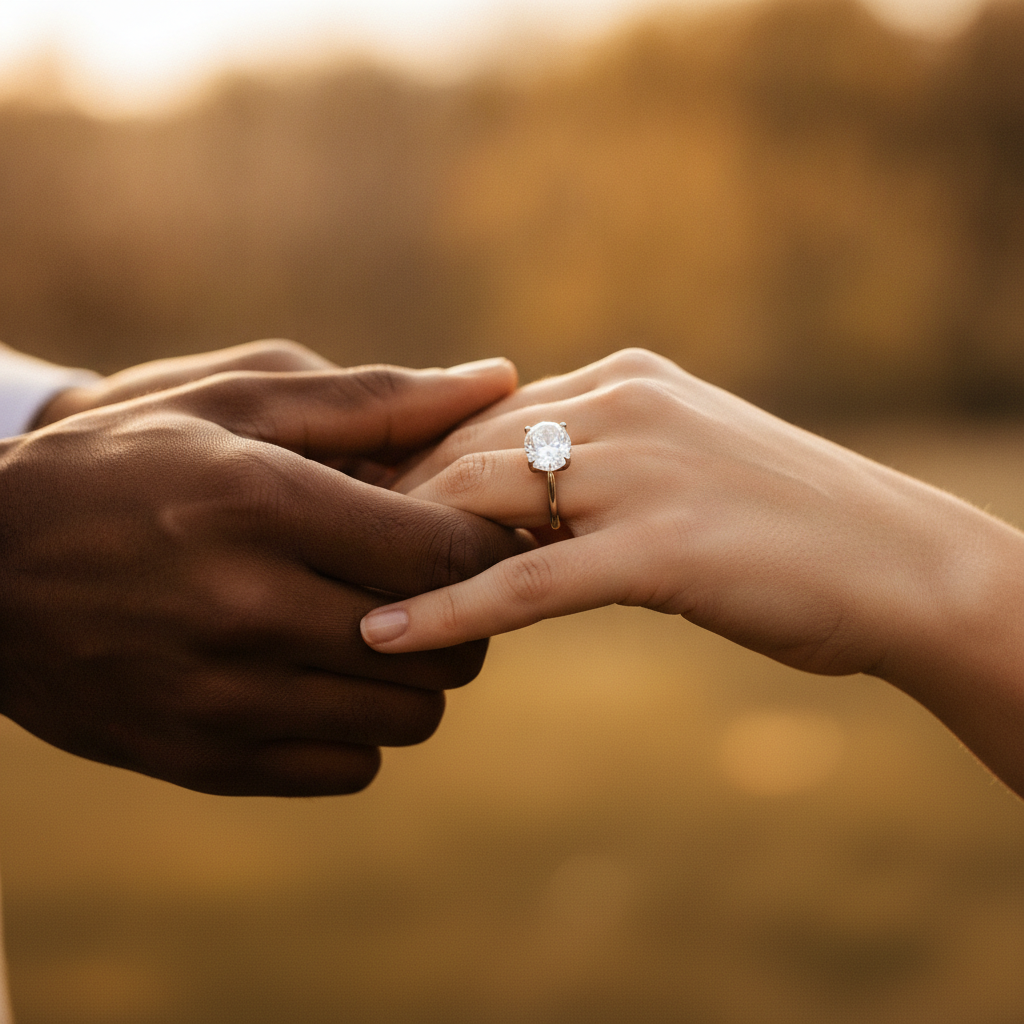
Want a broader market snapshot of styles? Explore an independent wedding band roundup to see how settings vary, then circle back to shortlist your favorites.
Common Questions About Lab Made Wedding Rings
Lab made wedding rings use lab‑grown diamonds with the same sparkle and durability as mined stones. They’re graded by the same 4Cs. Focus on cut, secure settings, metal choice, warranty, and shipping speed to get a band that fits your life and your engagement ring.
Are lab‑grown diamonds real diamonds?
Yes. Lab‑grown diamonds have the same crystal structure and hardness as mined diamonds. They’re graded by the same 4Cs and should be clearly disclosed as lab‑grown along with the growth method (HPHT or CVD).
Do lab made wedding rings last for everyday wear?
They’re well suited for daily wear. Choose bands with secure settings (channel, bezel, or well‑executed pavé) in 14k or 18k gold that match your lifestyle. Care and occasional inspections help keep stones secure over time.
How do I match a wedding band to my engagement ring?
Align metal color and karat, select a band profile that sits flush with your setting, and keep diamond color consistent. If unsure, share photos with a diamond expert and request band‑width and profile recommendations.
What mistakes should I avoid with lab made wedding rings?
Skip these pitfalls: buying by carat not cut, choosing a non‑flush band, mismatching metal/karat, overlooking setting security, picking non‑resizable designs, skipping documentation, and ignoring warranty or shipping timelines.
Key takeaways
- Lab made wedding rings match mined diamonds in beauty and durability.
- Cut, setting, metal, and warranty matter more than origin.
- Diamond2Deal adds speed, education, and one‑on‑one guidance.
- Coordinate metal and band profile to sit flush with your engagement ring.