

Lab Diamonds: Learn the 4 Cs Before You Buy in 2026
Laboratory diamonds for sale are real diamonds grown in a lab with the same crystal structure, optical performance, and durability as mined stones. At Diamond2Deal in New York (420 Madison Ave, 5th Floor), we pair certified lab-grown diamonds with expert guidance, next-day shipping on in-stock styles, and an education-first approach so you can shop with confidence.
By Mit Trivedi, President — Diamond2Deal
Last updated: 2026-06-02
Above-Fold Summary and Table of Contents
Lab-grown diamonds are chemically and optically identical to mined diamonds and offer exceptional value. This complete guide explains what they are, how they’re made, how to evaluate quality (the 4Cs), which certifications to trust, and practical steps to buy the right stone online or in person at Diamond2Deal.
Use this guide to move from research to a confident purchase. You’ll find clear definitions, examples from our New York showroom, and expert checklists that align with the way people actually shop for engagement rings and fine jewelry.
- What are laboratory diamonds?
- Why lab diamonds matter for modern buyers
- How lab diamonds are made (HPHT vs CVD)
- Types, shapes, settings, and certifications
- How to compare quality: the 4Cs
- Pricing factors (no numbers)
- Best practices for buying online
- Tools and resources
- Real-world examples
- Buying in Manhattan: local tips
- Frequently Asked Questions
- Key takeaways
- Conclusion
What Are Laboratory Diamonds?
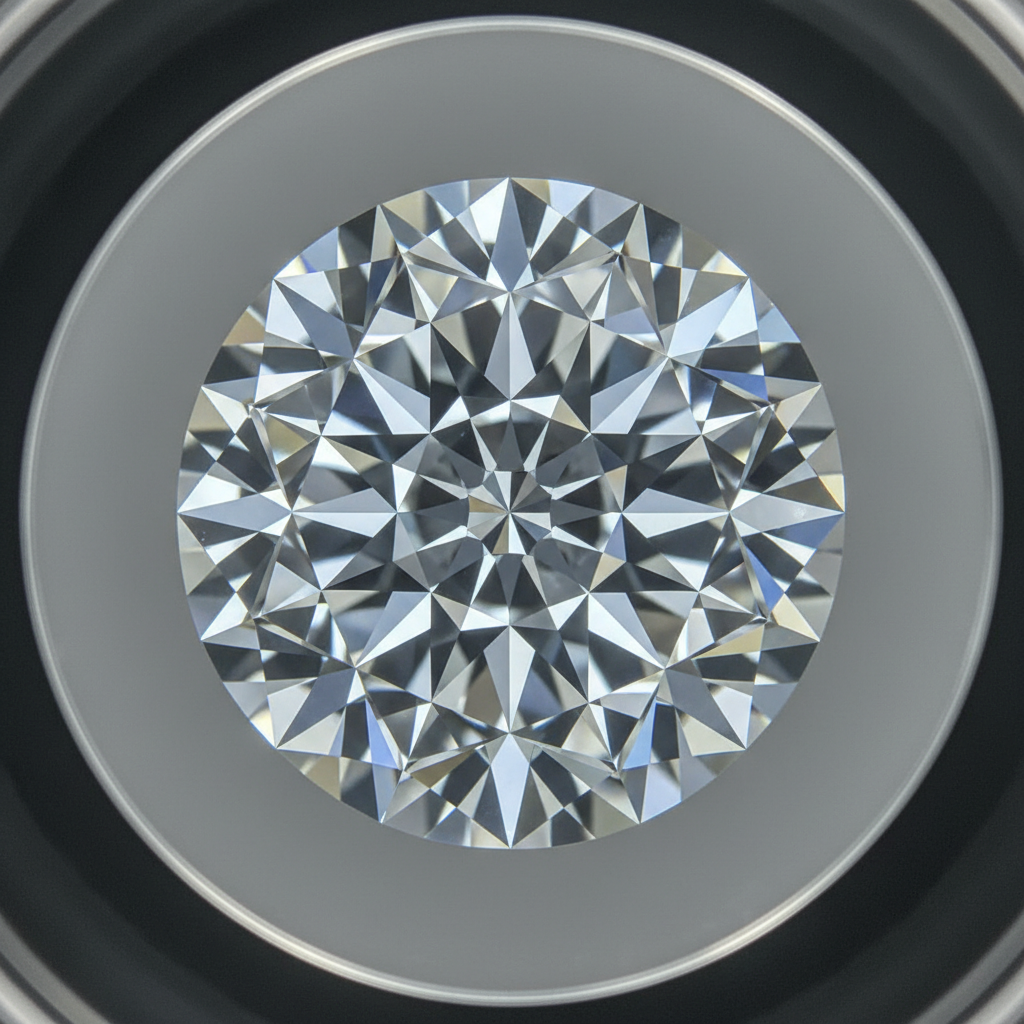
Laboratory diamonds are genuine diamonds created in controlled environments using HPHT or CVD processes. They have the same carbon lattice, hardness (10 on the Mohs scale), refractive index (~2.42), and brilliance as mined diamonds—verified by independent grading reports from labs such as GIA and IGI.
Here’s the thing: the word “lab-grown” describes the origin, not the quality. Whether a diamond forms underground or in a laboratory, its chemistry is the same: pure crystalline carbon. That’s why lab-grown stones are graded on the exact same scales—cut, color, clarity, and carat—using 10x magnification and standardized methods.
- Same material, same sparkle: Round brilliants feature 57–58 facets, producing fire and scintillation identical to mined stones.
- Durability you can wear daily: Diamond’s hardness is 10/10, ideal for engagement rings and everyday pieces.
- Independent verification: Grading reports detail carat weight, measurements, color/clarity grades, and cut proportions.
In our experience working with couples shopping online and in our New York showroom, clarity around these fundamentals reduces 90% of buying anxiety. Once you know the 4Cs and trust the certification, choosing a setting becomes the fun part.
Why Lab Diamonds Matter for Modern Buyers
Lab-grown diamonds offer measurable benefits: consistent quality, strong availability, and a transparent origin story. For Manhattan and New York County shoppers, they deliver selection and speed—often ready to ship next day—without compromising on brilliance, durability, or certification standards.
Why this matters now: in 2026, selection and speed are everything. Shoppers want certified stones, fast fulfillment, and clear policies. Diamond2Deal’s model—family-owned since 1998, with wholesale roots—prioritizes in-stock variety and next-day shipping on thousands of pieces.
- Reliable supply: Lab growth enables steady availability of popular sizes (e.g., 1.00 ct-class stones) and shapes.
- Education-first shopping: Our education hub explains 4Cs, metals, and sizing so you can compare confidently.
- Certification parity: The same grading frameworks used for mined diamonds apply to lab-grown stones.
- Design freedom: Choose solitaires, three-stone, halo, or unique designs across rings, earrings, bracelets, and necklaces.
From a buyer’s perspective, that combination—certified quality, clear information, and fast delivery—reduces uncertainty and keeps your timeline on track for engagements, anniversaries, and gifting moments.
How Lab Diamonds Are Made (HPHT vs CVD)
HPHT and CVD are the two proven methods for growing diamonds. HPHT uses high pressure (~5–6 GPa) and high temperature (~1400–1600°C) to crystallize carbon. CVD grows diamond layer-by-layer in a plasma chamber around ~900–1200°C. Both yield real diamonds that are graded like mined stones.
Both methods start with a diamond “seed,” then add carbon under conditions where diamond is the stable form. The result is a diamond crystal with the same atomic structure as natural diamond.
HPHT in brief
- Process: A press reproduces mantle-like pressure and heat; carbon dissolves and re-crystallizes on the seed.
- Traits: Can produce excellent color after post-growth treatments; may show identifying metallic inclusions under magnification.
- Use cases: Popular for creating colorless and fancy-color lab diamonds.
CVD in brief
- Process: Methane and hydrogen form a plasma; carbon atoms deposit onto the seed in ultra-thin layers.
- Traits: Often exhibits crisp strain patterns; post-growth annealing can improve color.
- Use cases: Widely used for high-clarity, well-proportioned stones suitable for precision cutting.
Action step: prioritize the grading report over the growth method. The report tells you color, clarity, cut proportions, and whether any post-growth treatments were applied—information that directly affects appearance.
Types, Shapes, Settings, and Certifications
Lab-grown diamonds are available in all popular shapes, settings, and fine-jewelry categories. Prioritize a reputable grading report (GIA or IGI), then choose a style—solitaire, three-stone, halo, or unique designs—across rings, earrings, tennis bracelets, and pendant necklaces for a consistent, certified look.
Most buyers start by identifying the shape that fits their aesthetic and hand. Round brilliant maximizes brightness; oval and pear elongate the finger; princess offers sharp symmetry; emerald highlights clarity with large step facets. Each pairs beautifully with 14k or 18k gold in white, yellow, or rose alloys.
- Core shapes: Round, oval, cushion, princess, emerald, radiant, pear, marquise, Asscher.
- Popular settings: Solitaires, three-stone, halos, hidden halos, bezel and east-west designs.
- Jewelry categories: Engagement rings, eternity and anniversary bands, stud and hoop earrings, tennis bracelets, and pendants.
- Certification: Choose stones with GIA or IGI reports; verify report numbers and laser inscriptions where applicable.
For a deeper dive into grading standards, see our overview of GIA-certified lab-grown diamonds to understand how “GIA diamond” terminology maps to lab-grown grading today.
How to Compare Quality: The 4Cs
Assess lab-grown diamonds using the same 4Cs: cut, color, clarity, and carat. Cut drives brightness and sparkle; color affects face-up whiteness; clarity covers inclusions; carat is weight (1.00 ct = 0.2 g). Balance these factors to match your style, setting, and budget priorities.
Cut (the performance driver)
- Why it matters: Cut proportions and symmetry control how light returns to your eye.
- Round brilliant facts: Typically 57–58 facets; ideal ranges target crown/pavilion angles that optimize fire and brilliance.
- Action: Favor excellent/ideal cut grades with supportive measurements (table, depth, symmetry, polish).
Color (D–Z scale)
- Why it matters: Color grade reflects body color; higher grades appear whiter in white metals.
- Context: E–F color pairs elegantly with 14k or 18k white gold; near-colorless grades blend well in yellow or rose settings.
- Action: Evaluate in neutral lighting; compare side-by-side when possible.
Clarity (FL to I3)
- Why it matters: Inclusions can affect transparency and eye-clean appearance.
- Magnification standard: 10x is the evaluation baseline in grading reports.
- Action: Seek eye-clean stones; review plot diagrams and inclusion locations relative to prongs.
Carat (weight and presence)
- Why it matters: Carat influences face-up size, but millimeter measurements tell the real story.
- Fact: 1.00 carat equals 0.2 grams; shape and cut affect how large a diamond appears.
- Action: Compare diameter (mm) across candidates; prioritize cut if sparkle is paramount.
| Factor | What it controls | Quick tip |
|---|---|---|
| Cut | Brightness, fire, scintillation | Target excellent/ideal with balanced proportions |
| Color | Face-up whiteness | Match to metal color and personal taste |
| Clarity | Transparency, eye-clean look | Favor eye-clean; check inclusion positions |
| Carat | Size and presence | Use mm measurements to compare real size |
In our New York consultations, aligning cut and millimeter size usually delivers the “wow” reaction people want—even before they pick a setting.
Pricing Factors (No Numbers)
Value in lab-grown diamonds depends on scarcity of high grades, balanced 4Cs, demand for popular shapes and sizes, and the craftsmanship of your setting. Focus on total visual performance, not any single metric, and verify everything with a reputable grading report.
Instead of fixating on a single grade, think in terms of balance. For example, an excellent-cut stone with near-colorless grades can outshine a higher-color diamond with a weaker cut. Settings add value too—well-made prongs, precise pavé, and smooth finishing enhance durability and comfort.
- Shape trends: Round and oval are highly requested; emerald and radiant are rising for modern looks.
- Supply dynamics: Lab production supports consistent availability, but top cut-quality remains selective.
- Setting complexity: Halos, hidden halos, and micro-pavé require tighter tolerances and skilled finishing.
- Metal choice: 14k vs 18k gold affects color tone and wear characteristics; match to your lifestyle.
Action step: shortlist 3–5 stones that fit your priorities, then compare videos, mm sizes, and reports side-by-side.
Best Practices for Buying Lab Diamonds Online
Start with certified stones, review 360° imagery and measurements, confirm return and warranty policies, and choose a trusted seller with in-stock selection and fast fulfillment. Education and expert support reduce risk and help you select the best-balanced 4Cs for your style.
- Verify reports: Confirm the GIA/IGI report number and laser inscription when applicable.
- Use visual tools: 360° videos, high-res photos, and loupe views reveal cut precision and inclusions.
- Read policies: Ensure you have 30-day returns, a clear warranty, and responsive support.
- Check fulfillment: In-stock pieces that ship next day keep proposals and events on schedule.
For deep-dive guidance, explore our lab-grown diamond store guide and our article on GIA-certified lab-grown diamonds. If you’re comparing ring styles, this overview of lab-grown diamond engagement rings breaks down what to look for in settings.
Want tailored advice? Book a one-on-one with a Diamond2Deal expert at our Manhattan showroom (420 Madison Ave, 5th Floor). We’ll compare stones, explain reports, and help you finalize the perfect ring or fine-jewelry gift.
Tools and Resources to Make a Smart Pick
Use grading reports, side-by-side comparison tools, and checklists to evaluate stones objectively. Pair that with trusted education articles on the 4Cs and lab-grown vs. natural differences to ensure every choice supports your style, timeline, and quality goals.
- Grading checklists: Note report number, shape, carat, mm size, color, clarity, cut/symmetry/polish, fluorescence.
- Video comparison: Compare stones under identical lighting to judge brightness and patterning.
- Education hubs: Our lab-grown diamond guide explains 4Cs and metals; pair it with a diamond certification guide for context.
- Color and clarity primers: Review a helpful color and clarity guide to learn trade terminology before you compare reports.
- Lab-grown vs. natural overview: For background, see this lab-grown vs. natural comparison so you understand growth methods and grading similarities.
Real-World Examples from Our New York Shoppers
The right lab-grown diamond depends on lifestyle, style, and timeline. These brief scenarios show how New York couples balance the 4Cs, setting style, and certification to get brilliant results with fast, reliable delivery from Diamond2Deal’s in-stock selection.
Classic solitaire, daily wear
- Profile: Active professional who wears a ring daily.
- Selection: Excellent-cut round, near-colorless, eye-clean clarity.
- Setting: 14k white gold solitaire with secure prongs; matching diamond band later.
- Outcome: High sparkle and durable construction for everyday comfort.
Modern three-stone statement
- Profile: Design-forward couple who loves symmetry.
- Selection: Lab-grown center with matched side stones for color and mm size.
- Setting: Three-stone in 18k yellow gold; hidden halo for extra light return.
- Outcome: Balanced brilliance with architectural lines.
Weekend sparkle set
- Profile: Gift shopper building a coordinated look.
- Selection: Lab-grown diamond stud earrings plus a tennis bracelet and pendant.
- Setting: Matching metal color and design details across pieces.
- Outcome: Cohesive shine for events, backed by quick shipping.
When working with clients in New York, we often compare 2–3 shortlisted stones on video and align on the best “face-up” look first; that simple step speeds decisions more than any other tactic.

Buying Lab Diamonds in Manhattan: Local Tips
Plan your visit around Midtown schedules, bring your shortlist with report numbers, and budget 30–45 minutes for side-by-side comparisons. Our showroom near Grand Central and Rockefeller Center makes it easy to see certified stones in person before finalizing your online order.
Local considerations for Manhattan
- Schedule weekday daytime appointments to avoid evening rushes near Grand Central; you’ll get quieter lighting for evaluations.
- Aim for earlier winter afternoons for natural daylight; summer’s longer days help with color assessments in mixed light.
- Bring your top 3–5 candidates (report numbers and mm sizes). We’ll place them under identical lighting and a 10x loupe.
If you prefer fully remote shopping, we can review high-resolution videos and grading details over a virtual appointment and ship your selection with insured, fast delivery.
FAQ: Laboratory Diamonds for Sale
Below are concise answers to common buyer questions on lab-grown diamonds—covering identification, certifications, durability, and how lab-grown compares to mined. Each response is direct so you can move from research to a confident purchase decision quickly.
Are lab-grown diamonds real diamonds?
Yes. Lab-grown diamonds are pure crystalline carbon with the same hardness, brilliance, and optical properties as mined diamonds. They’re graded on the same 4C scales and can include laser inscriptions that match their grading reports.
Which certifications should I trust?
Look for reputable labs such as GIA and IGI. Verify the report number, confirm measurements and grades, and check for a matching inscription on the girdle when applicable. Reputable sellers provide report PDFs or look-up links before you buy.
Do lab-grown diamonds last as long as mined diamonds?
Yes. Diamond is a 10 on the Mohs hardness scale and is suitable for daily wear in rings, earrings, bracelets, and necklaces. Proper setting design and routine cleaning keep your jewelry secure and sparkling for years.
How do I compare two similar-looking stones?
Compare mm measurements, cut grades, symmetry/polish, inclusion locations, and videos under identical lighting. Prioritize cut and face-up performance first, then fine-tune color and clarity to your aesthetic and metal choice.
Key Takeaways
Choose lab-grown diamonds by balancing the 4Cs, verifying GIA/IGI certification, and reviewing stones side-by-side. Focus on cut and real millimeter size, align with your setting, and use expert support to finalize a confident, timely purchase.
- Lab-grown diamonds are chemically and optically identical to mined stones.
- Cut quality and mm measurements drive the face-up “wow.”
- GIA/IGI grading brings objective consistency to your shortlist.
- Use videos and 10x views to confirm clarity and patterning.
- Schedule a quick consultation to finalize with confidence.
Conclusion
Lab-grown diamonds deliver certified brilliance with reliable availability and transparent origin. If you center your search on the 4Cs, confirm grading, and compare stones side-by-side, you’ll land a piece you’ll love for decades—shipped fast and supported by Diamond2Deal’s customer-first policies.
Ready to compare laboratory diamonds for sale with expert guidance? Visit us in Manhattan or start online with our education resources. We’ll help you shortlist stones, choose a setting that fits your lifestyle, and complete your order with next-day shipping on eligible in-stock pieces.