

Are Diamond Earrings Still In Style? See Why in 2026
Modern diamond earrings are contemporary designs that blend classic brilliance with clean, low‑profile settings for daily comfort and style. In the USA, they remain essentials because they move from work to weekend, stack effortlessly, and now include certified lab-grown options that deliver luxury looks without traditional retail markups—especially from education-first retailers like Diamond2Deal.
By Mit, President at Diamond2Deal • diamond2deal.com • Last updated: 2026-07-02
Above-the-Fold Overview & Table of Contents
Modern diamond earrings are defined by sleek silhouettes, secure closures, and certified stones—often lab grown—for maximum sparkle with minimal bulk. Use this guide to choose silhouettes, verify grading, confirm comfort and security, and build a versatile earring capsule you’ll wear every week.
- What Are Modern Diamond Earrings?
- Why They Still Matter in 2026
- How They’re Designed and Built
- Types, Styles, and When to Wear Them
- Best Practices for Shopping and Quality
- Tools and Resources
- How to Choose: Step-by-Step
- Care, Cleaning, and Upgrades
- Real-World Styling Examples
- FAQ
- Conclusion & Key Takeaways
Quick Summary
Modern diamond earrings combine timeless stones with streamlined, comfortable silhouettes. Focus on everyday-wear styles like studs, huggies, slim hoops, and petite drops. Verify certified quality, pick secure backs, and choose metals that suit your skin. Lab-grown diamonds match mined diamonds in physical and optical properties.
- Modern look: clean lines, low profiles, high sparkle.
- Comfort & security: screw-backs on studs; reliable click-lock hinges on huggies/hoops.
- Quality signals: matched pairs, excellent cut, visible grading for lab-grown stones.
- Capsule building: start with studs → add huggies → finish with slim hoops or petite drops.
- Education matters: learn the 4Cs before you buy; it pays off in daily wear.
What Are Modern Diamond Earrings?
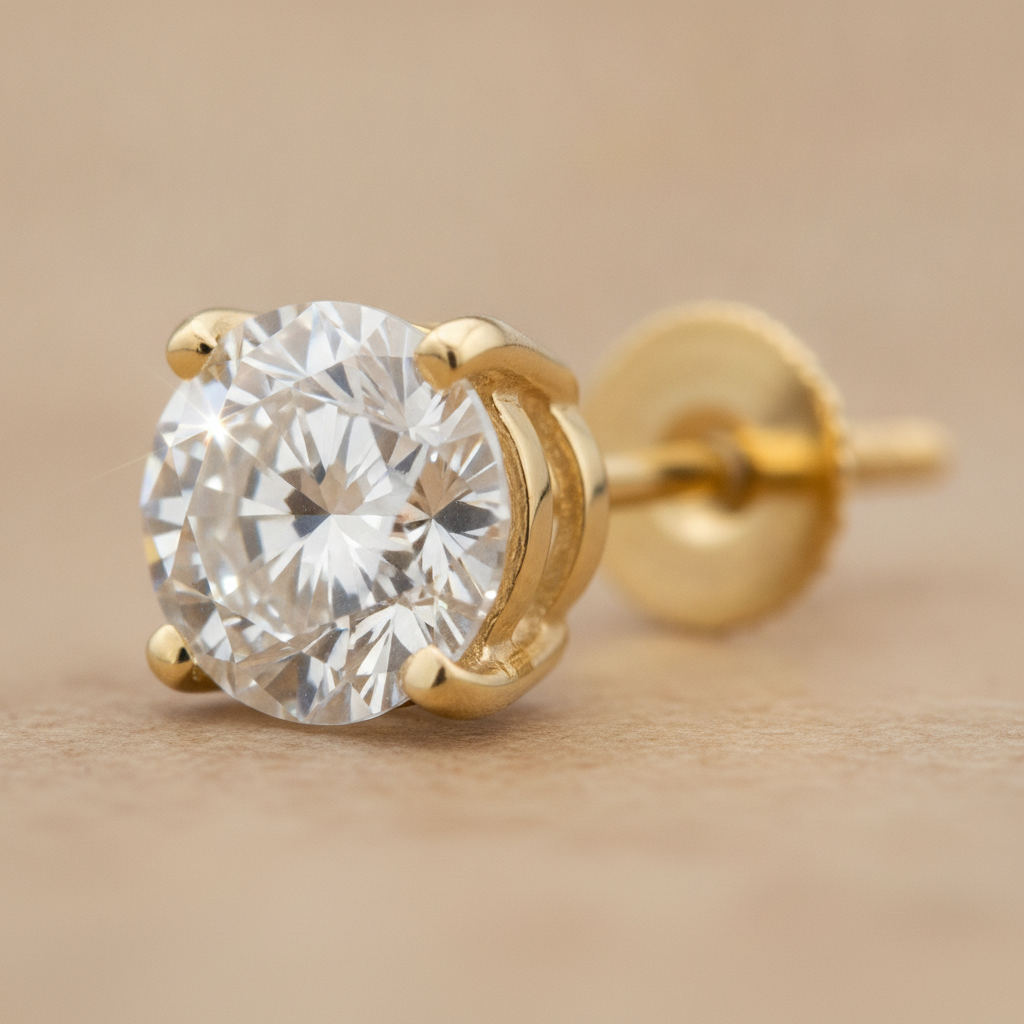
Modern diamond earrings are streamlined designs—studs, huggies, slim hoops, and minimal drops—that emphasize clean metalwork, secure wear, and everyday versatility. They use precision-cut, certified diamonds (often lab grown) and low-profile settings to deliver brilliance without bulk, pairing easily with casual and formal outfits.
“Modern” is a design mindset: less metal, more light return, and comfort you forget about until compliments land. The formula is simple but exacting.
- Streamlined silhouettes: bezel or four-prong studs; petite halo studs; huggies around 10–14 mm; slim hoops 15–30 mm.
- Low profiles: baskets that sit close to the lobe and dodge hair, scarves, and headphones.
- Secure wear: screw-backs for studs; precise click-lock hinges for huggies and hoops.
- Diamond-forward: minimal prongs and thin bezels let facets breathe and sparkle.
- Certified lab-grown choices: clarity and color you can verify, backed by grading.
Want to go deep on studs before you pick a pair? Explore our diamond stud earrings guide for shapes, settings, and matching tips that keep your look balanced.
Why Modern Diamond Earrings Still Matter in 2026
Diamond earrings are style multipliers: one pair elevates casual outfits and finishes formal looks. In 2026, shoppers prize certified lab-grown options, secure low-profile settings, and mix-and-match stacks—delivering longevity, comfort, and personalization without trend fatigue.
- High wear-rate: studs and huggies get real mileage because they suit video calls, weekend errands, and nights out.
- Stackable styling: combine a classic stud with a slim huggie or climber to refresh your rotation.
- Lab-grown momentum: identical physical and optical properties to mined diamonds; visible grading supports smart comparisons.
- Gift reliability: no ring sizing guesswork; versatile across age ranges and wardrobes.
Here’s the thing: diamond is a 10 on the Mohs hardness scale, so earrings resist daily scratches remarkably well, especially when stored separately. Pair that durability with comfortable engineering and you get pieces that look new for years with minimal upkeep.
New to lab-grown? Our short primer on value and verification in the lab-grown jewelry guide breaks down 4Cs essentials in plain English.
How Modern Diamond Earrings Are Designed and Built
Modern earrings pair precision-cut stones with low-profile, secure settings—four-prong or bezel studs, hinged huggies, and slim hoops. Quality hinges, snug posts, and dependable backs prevent loss, while the right metal and finishing reduce irritation and improve all-day comfort.
- Settings that serve the stone: four-prong for maximum light; bezels for sleek edges and snag resistance; petite halos to amplify perceived size.
- Security engineering: screw-backs on studs; click-lock huggie hinges you can hear and feel; notched posts that keep backs in place.
- Comfort geometry: rounded inner edges on huggies; low basket profiles; even weight distribution to avoid droop.
- Finishing details: smooth polish near skin-contact points; consistent prong tension; pair matching across cut, color, clarity, and carat.
Want a quick refresher on how shapes influence sparkle and presence? Skim this overview of popular diamond shapes to visualize how round, princess, oval, and emerald looks translate to the ear.
In our experience, small mechanical upgrades—like switching to screw-backs or tightening a hinge—dramatically reduce loss risk. That, plus simple routines like an occasional pro inspection, keeps favorites in rotation and out of the repair tray.
Types, Styles, and When to Wear Them
Start with studs for universal wear, add huggies for close-to-ear sparkle, and finish with slim hoops or petite drops to frame the face. Add climbers, cuffs, or threaders for edge. Size to your hair length, daily routine, and piercings to build a modern, mixable capsule.
| Style | Best For | Typical Size Range | Why It Works |
|---|---|---|---|
| Studs | All-day wear, minimalists | 0.20–1.50 ctw pair | Clean, bright, office-to-evening |
| Huggies | Second piercings, active days | 10–14 mm outer diameter | Secure, snag-resistant, stackable |
| Slim Hoops | Face-framing sparkle | 15–30 mm outer diameter | Lightweight glimmer with presence |
| Petite Drops | Soft movement | 6–15 mm drop | Elongates neck, catches light |
| Climbers/Cuffs | On-trend accents | Ear-length or partial | Edgy look without heavy weight |
- Short hair or updo: slim hoops and drops add soft motion and frame the face.
- Long hair: slightly larger studs or hoops improve visibility through layers.
- Active routines: huggies minimize snag risk with hats, scarves, and headphones.
- Multiple piercings: anchor with a stud, stack a huggie, finish with a delicate climber for vertical interest.
To dive deeper on sizing, see our practical diamond hoop guide—we compare diameters and profiles so you can picture scale before checkout.
Best Practices for Shopping and Evaluating Quality
Prioritize cut quality, matched pairs, secure backs or hinges, and skin-friendly metals. Verify grading for lab-grown diamonds, examine setting profiles, and choose sizes that balance visibility with comfort. Shop brands with clear education, fast fulfillment, and supportive policies.
1) Verify what matters most: the 4Cs, especially cut
- Cut first: it drives brightness, fire, and scintillation—your eye notices it instantly.
- Color/clarity balance: choose levels that look clean to you; many shoppers are surprised how forgiving well-cut stones are on the ear.
- Pair matching: ensure both stones (or rows) match in cut and carat for symmetry.
For a fast visual refresher on stud fundamentals—from settings to backs—skim this concise take on stud earrings essentials and then compare against your shortlist.
2) Choose the right metal and finish for your skin and routine
- 14k vs 18k gold: 14k balances durability and color; 18k offers a richer hue. Both suit daily wear when well-crafted.
- Skin sensitivity: choose solid gold posts and quality backs; smooth finishing reduces irritation at contact points.
- Everyday finish: high polish near skin, tidy prongs, and clean interiors simplify cleaning and feel better, too.
3) Security and comfort checks you should actually do
- Backs: screw-backs should thread smoothly; friction backs should engage notches.
- Hinges: listen for a crisp click; inspect alignment so the hoop closes flush.
- Profile height: low baskets reduce snagging and keep studs centered on the lobe.
Prefer a brand that makes learning easy and shipping fast. Our compare lab-grown diamonds article and education hub help you verify details before checkout, and in‑stock styles with next‑day shipping keep timelines on track.
Tools, Resources, and Smart Shortcuts
Use a clear education hub to master the 4Cs, browse curated earring collections to compare silhouettes, and book a short consult with a diamond expert. Favor fast shipping and customer‑first policies so your selection arrives quickly and stress‑free.
- Education first: quick lessons on cut, color, clarity, and carat help you see quality differences.
- Curated browsing: filter by metal, style, and size to narrow choices fast—studs, huggies, slim hoops, and petite drops.
- Personal guidance: a 10–15 minute appointment saves hours of scrolling and prevents returns.
- Fulfillment confidence: next‑day shipping on in‑stock pieces supports gifting and events.
Ready to compare silhouettes side by side? Start with our handpicked top diamond earrings roundup, then branch into the stud guide or the hoop guide as needed.
Free styling check: Not sure which size will feel right? Bring your two finalists to a quick consult with a diamond expert for on‑ear comparison tips. You’ll leave with a confident pick—and a plan to build your earring capsule over time.
How to Choose: A Step-by-Step Process
Define when you’ll wear them, pick a core silhouette (studs, huggies, hoops), choose metal, then verify diamond grading, security, and comfort. Compare two final sizes on‑ear—slightly smaller often feels more modern—then buy from an education‑forward retailer with fast shipping.
- Occasion profile: daily wear, special events, or both?
- Silhouette: choose studs, huggies, slim hoops, petite drops, or a stack plan.
- Metal: pick 14k or 18k gold in your preferred color tone.
- Verify grading: confirm the 4Cs and pair matching for symmetry.
- Security test: screw-backs thread smoothly; huggies click and align; hoops don’t flex.
- Comfort test: ensure low profiles, rounded edges, even weight; avoid droop.
- Final compare: try two sizes; the more wearable pair usually wins long term.
Pro tip: If you’re building a capsule, start with classic studs, add 12 mm huggies, then a 20–25 mm slim hoop for range. That trio covers most outfits without feeling repetitive.
Care, Cleaning, and Long‑Term Upgrades
Clean diamond earrings monthly with mild soap and a soft brush, store them separately to prevent scratches, and inspect backs or hinges before wear. Schedule occasional professional checks and plan upgrades—larger studs or matching huggies—as your earring capsule grows.
- At‑home clean: warm water + drop of mild dish soap + soft brush; rinse well and pat dry.
- Storage: use individual pouches or a compartmented tray; diamonds can abrade other jewelry.
- Safety check: verify posts are straight, backs hold, and hinges click closed.
- Avoid chemicals: remove earrings for swimming and harsh cleaning products.
- Upgrade path: studs → huggies → slim hoops; add a petite drop for events.
Diamond’s hardness (10 on Mohs) resists scratching, but metal settings are softer. That’s why storage and periodic inspections matter—protects prongs, preserves pavé, and keeps your everyday sparkle secure.
Real‑World Styling Examples
Build a modern capsule with three moves: anchor with classic studs, stack slim huggies, and add a lightweight hoop or petite drop for face‑framing sparkle. Rotate shapes and metal colors to refresh outfits while keeping the collection compact and wearable.
- Everyday professional: bezel studs + 12 mm huggies for low‑profile polish that plays nicely with headphones.
- Weekend effortless: classic studs + slim 20 mm hoops for instant lift with a tee and blazer.
- Event‑ready: petite halo studs + diamond drop to add movement for photos and evening light.
- Minimalist stack: round studs + micro pavé huggie in second piercing; clean and bright.
- Bold‑yet‑light: slim 25 mm hoop + tiny stud; presence without weight.
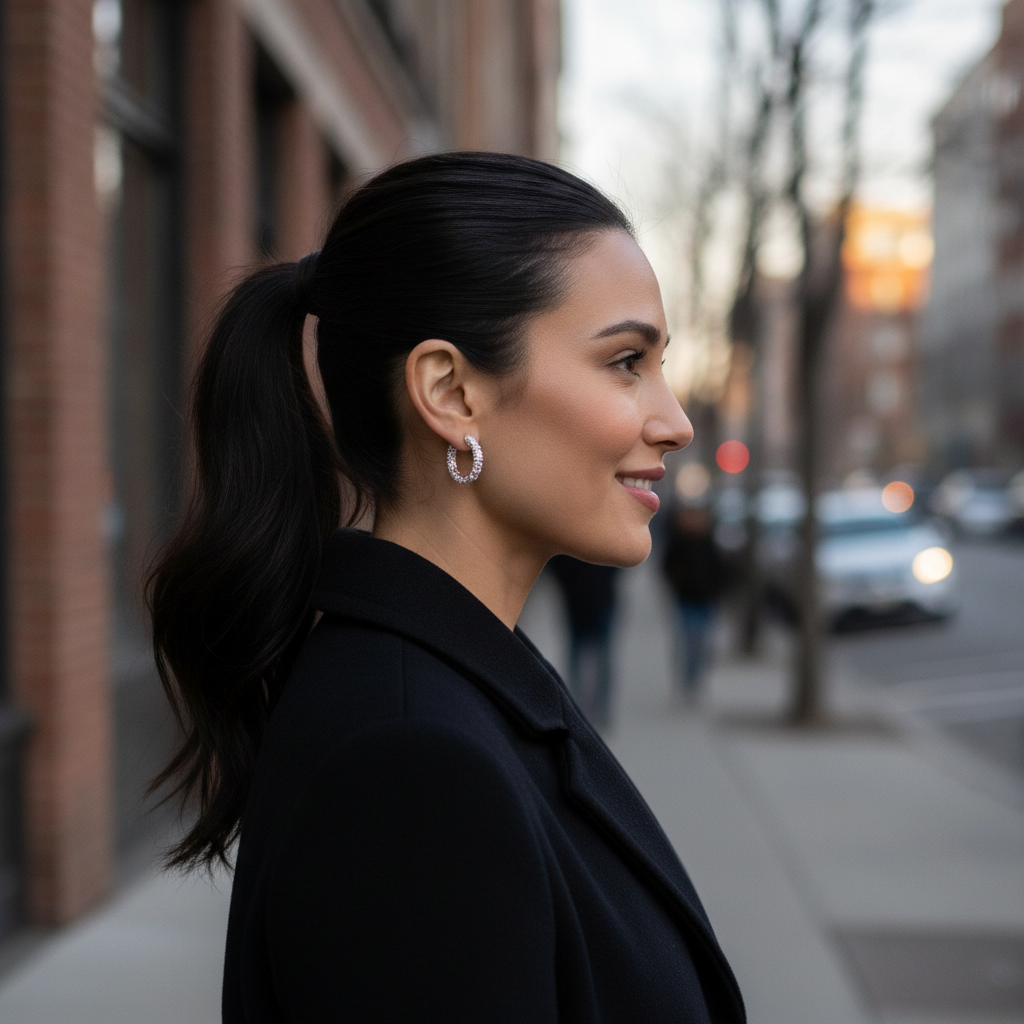
- Hair‑up day: oval studs + 15 mm huggie for elongated lines with a ponytail.
- Hybrid metal: white gold studs + yellow gold huggies—intentional contrast feels modern.
- Travel set: studs + 12 mm huggies; secure, compact, and versatile across outfits.
- Creative office: princess‑cut studs + climber for a geometric twist.
- Photo‑friendly: petite drops catch light on video calls without overwhelming the frame.
- Giftable starter: classic round studs; add matching huggies later for a milestone.
- Luxury diamonds vibe: sleek oval hoops + round studs—timeless meets modern.
Frequently Asked Questions
Shoppers ask about certification for lab-grown stones, best everyday sizes, the most secure backs and hinges, and how to clean at home. Short answers: verify grading, start with wearable sizes, choose reliable closures, and use mild soap with a soft brush for upkeep.
What makes diamond earrings look modern today?
Clean lines, low‑profile settings, and secure wear. Think bezel or four‑prong studs, petite halos, 10–14 mm huggies, and slim pavé hoops. The aim is bright, comfortable sparkle that stacks easily with your current pieces.
Are lab‑grown diamond earrings real diamonds?
Yes. Lab‑grown diamonds have the same physical, chemical, and optical properties as mined diamonds. Choose certified stones so you can compare the 4Cs accurately and buy with confidence.
Which earring backs are most secure for daily wear?
Screw‑backs are excellent for studs, and well‑built click‑lock hinges are ideal for huggies and slim hoops. Security is part design and part maintenance—periodically confirm threads and hinges engage cleanly.
How do I clean diamond earrings at home?
Use warm water, a drop of mild dish soap, and a soft brush. Rinse thoroughly and pat dry with a lint‑free cloth. Avoid harsh chemicals or ultrasonic cleaners unless a jeweler confirms your settings are secure.
Conclusion and Next Steps
Choose modern diamond earrings by starting with comfort‑first silhouettes, verifying certified diamond quality, and prioritizing secure closures. Build a capsule—studs, huggies, slim hoops—so every outfit has a polished finish. Learn the 4Cs, compare sizes on‑ear, and shop with clear policies and fast fulfillment.
Key Takeaways
- Modern = sleek profiles, secure wear, and certified stones (often lab grown).
- Cut quality drives visible sparkle; pair matching preserves symmetry.
- Security and comfort checks prevent losses and maximize daily wear.
- Capsule approach—studs, huggies, slim hoops—covers most outfits.
Keep learning, then shop with confidence. Skim our concise diamond jewelry guide to align metals and styles, review the stud guide for sizing nuance, or jump into the hoop comparison to visualize scale. When you’re ready, book a quick consult to finalize your capsule plan—no pressure, just expert help.
For broader background on diamond shapes and buying concepts, see independent primers like popular diamond shapes and a general diamond buying concepts, alongside a compact review of stud earring essentials. Use them to visualize options before applying the quality checks above.