

Unique Lab‑Grown Diamond Engagement Rings: Stand Out in 2026
Unique lab grown diamond engagement rings are one-of-a-kind designs set with lab-created diamonds that match the chemistry and sparkle of mined stones. In the USA, these rings deliver individuality, certified quality, and fast availability. At Diamond2Deal, you can pair certified lab-grown diamonds with distinctive settings and get next-day shipping on thousands of styles.
By Mit Trivedi — President, Diamond2Deal
Last updated: 2026-06-25
Above-Fold: Hook, Promise, and Table of Contents
This complete guide shows how to choose a distinctive lab-grown engagement ring that reflects your story. You’ll learn what “unique” really means, the science behind lab diamonds, design approaches, quality checks, and practical selection steps—plus examples from Diamond2Deal so you can move from inspiration to a confident “yes.”
Choosing a ring should feel exciting, not overwhelming. Here’s how this guide helps you make a confident decision fast.
- Define “unique” in a way that matches your taste and lifestyle
- Understand CVD vs. HPHT (how lab-grown diamonds are made)
- Compare standout settings: toi et moi, east–west, bezel, hidden halo
- Decode the 4Cs for lab-grown diamonds plus certification
- Follow a step-by-step selection framework used by our experts
- See real-world examples that balance style, durability, and comfort
- What Are Unique Lab-Grown Diamond Engagement Rings?
- Why Choosing a Unique Lab-Grown Ring Matters
- How Lab-Grown Diamonds Work (CVD vs. HPHT)
- Styles and Settings That Make a Ring Unique
- Best Practices for Designing and Selecting
- Tools and Resources from Diamond2Deal
- Case Studies and Real-World Examples
- Frequently Asked Questions
- Conclusion and Key Takeaways
Quick Summary
A unique lab-grown diamond ring combines a distinct setting, thoughtful proportions, and certified quality. Prioritize center-stone shape, setting style, and daily-wear durability; then confirm sparkle through cut grade and fluorescence. Use a clear selection process so the ring feels personal, balanced, and comfortable every day.
Here’s the essence of a smart, confident choice.
- Start with your story: choose a motif, era, or silhouette you love.
- Insist on certification: lab-grown diamonds should be graded by reputable labs.
- Design for real life: profile height, band thickness, and setting security matter.
- Confirm cut quality: cut drives brightness more than any other C in daily light.
- Use expert guidance: a short appointment can save weeks of second-guessing.
What Are Unique Lab-Grown Diamond Engagement Rings?
Unique lab-grown diamond engagement rings are distinctive designs built around lab-created diamonds that share the same physical, chemical, and optical properties as mined diamonds. “Unique” refers to shape, setting architecture, metal finish, or gemstone arrangement that creates a personal, non-cookie‑cutter look.
Uniqueness isn’t about being loud; it’s about intention. A subtle east–west marquise, a sculpted knife-edge band, or a delicate hidden halo can make the same carat weight feel completely different on the hand.
Defining “unique” for your lifestyle
- Silhouette: oval, marquise, pear, and elongated cushion shapes read modern and elegant.
- Setting architecture: toi et moi, bezel, compass prongs, split-shank, or asymmetric clusters.
- Metal character: 14k vs. 18k, polished vs. matte, hammering, milgrain, or a two-tone shank.
- Proportions: band width, profile height, and tapering that complements your finger size.
At Diamond2Deal, our core collections cover solitaires, three-stone, eternity, and unique engagement rings. That breadth helps you anchor your taste quickly—then refine details confidently.
Why Choosing a Unique Lab-Grown Ring Matters
A distinctive lab-grown engagement ring communicates your story while optimizing value and availability. You can tailor design choices without compromising diamond science, access next-day shipping on many USA-stocked styles, and lean on education resources and expert appointments for a zero‑stress selection.
Here’s why this decision pays off in daily life.
- Personal symbolism: unique shapes and settings mirror your milestones and style.
- Quality control: lab-grown options can be certified and inspected like mined stones.
- Speed and choice: Diamond2Deal offers next-day shipping on thousands of items.
- Confidence: 1-year warranty, 30-day returns, and responsive support reduce risk.
We’ve found that when couples use a simple framework—story, science, structure—they reach a “this is the one” moment faster and with fewer compromises.
How Lab-Grown Diamonds Work (CVD vs. HPHT)
Lab-grown diamonds form in controlled environments using two main methods: CVD (Chemical Vapor Deposition) and HPHT (High Pressure High Temperature). Both produce real diamonds with the same atomic structure as mined stones; the growth pathway differs but the result is diamond, verified through grading reports.
Understanding the science clarifies why lab-grown and mined stones perform the same in everyday wear. Diamond is diamond—sp3-bonded carbon with a hardness of 10 on the Mohs scale.
CVD in a nutshell
- Process: hydrocarbon gas deposits carbon onto a diamond seed in a vacuum chamber.
- Typical conditions: temperatures often around 900–1,100°C; low pressures compared with HPHT.
- Benefits: precise control can yield excellent optical performance and fewer metallic inclusions.
HPHT in a nutshell
- Process: carbon crystallizes under very high pressure and heat around a diamond seed.
- Typical conditions: pressures often in the ~5–6 GPa range with temperatures exceeding 1,300°C.
- Benefits: can grow certain shapes efficiently; post-growth treatments can fine-tune color.
What grading and certification tell you
- Cut matters most: cut quality drives brightness, contrast, and fire in real rooms and daylight.
- Color and clarity: evaluate the face-up look; small inclusions can be invisible at arm’s length.
- Fluorescence: medium–strong can either add charm or haze; check how it looks to your eye.
- Reports: insist on grading from reputable labs and verify the inscription against the report.
For deeper background, a helpful overview comparing growth types is available from this lab-grown vs. natural guide. While technical, it shows how the growth pathway doesn’t change the diamond’s core identity.
Styles and Settings That Make a Ring Unique
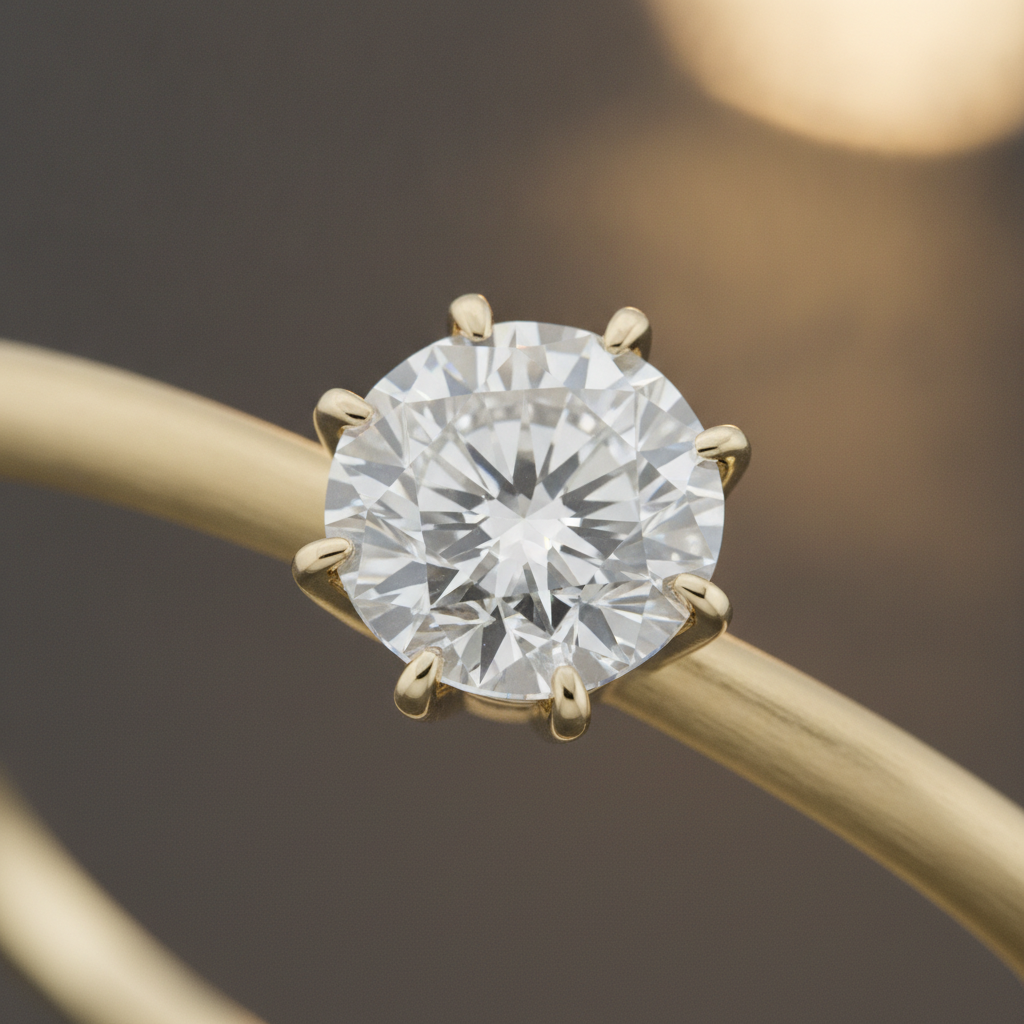
Standout rings balance center-stone shape, setting security, and finger coverage. Popular distinctive looks include toi et moi, east–west solitaires, bezel and half-bezel, hidden halos, compass prongs, split-shank, and asymmetric clusters. Each design changes how the diamond faces up, wears, and photographs.
Modern silhouettes and why they work
- Toi et moi: two stones symbolize two paths—mix shapes (pear + emerald) for contrast.
- East–west: marquise or oval turned horizontal gives fresh, graphic presence.
- Bezel/Half-bezel: sleek, secure rim that protects edges and reads contemporary.
- Hidden halo: sparkle from the side without changing the top view; great with ovals.
- Compass prongs: prongs at N–S–E–W emphasize geometry on round and cushion cuts.
Unique accents that add character
- Shank treatments: knife-edge, milgrain, twisted rope, split-shank, or cathedral rises.
- Band width: 1.6–2.2 mm reads delicate; 2.3–2.8 mm feels balanced for daily wear.
- Metal palette: 14k (58.5% gold) is durable for active hands; 18k (75% gold) feels richer in hue.
- Two-tone: white prongs + yellow shank for contrast; rose gold warms near-colorless stones.
Quick comparison of distinctive settings
| Setting | Why It Stands Out | Wear Considerations |
|---|---|---|
| Toi et moi | Symbolic, artful contrast with two stones | Check snag risk; consider bezel for active wearers |
| East–west solitaire | Graphic, modern line that feels bespoke | Balance band width so the stone doesn’t overwhelm |
| Bezel | Streamlined look and strong edge protection | Confirm light entry; pair with excellent cut |
| Hidden halo | Side sparkle without changing top view | Mind profile height for glove wear and comfort |
For more style inspiration and fundamentals, see our internal primers on lab-grown engagement choices such as engagement ring styles with lab-grown diamonds and our broader lab-grown engagement rings guide.
Best Practices for Designing and Selecting
The best approach is simple: lock your story, select the setting architecture, then tune diamond proportions and finishing. Use a short checklist—shape, setting, structure, certification—and confirm comfort on hand. This process prevents second‑guessing and ensures a ring that’s unique and durable.
1) Lock your story and silhouette
- Pick 1–2 center-stone shapes that make you smile in photos and videos.
- Decide on your overall vibe: classic, modern, vintage-inspired, or sculptural.
- Save 3–5 reference images; look for angles you love, not just the top view.
2) Choose the setting architecture
- Match activity level to security: bezels and low profiles are friendlier for active hands.
- Confirm band width and profile height; try 2.0–2.3 mm for delicate balance and comfort.
- Decide on accents: compass prongs, hidden halos, or a two-tone shank.
3) Fine-tune diamond performance
- Cut first: target excellent symmetry and polish; observe in warm and cool light.
- Color: near-colorless ranges face up bright, especially in white metals.
- Clarity: aim for eye-clean; nature of inclusions matters more than the grade alone.
- Fluorescence: evaluate in sunlight; some love the bloom, others prefer none.
4) Confirm certification and details
- Verify the grading report number and laser inscription match.
- Ask for exact measurements (length, width, depth) for fancy shapes to judge elongation.
- Inspect setting work: prong seating, evenness, and finish quality under magnification.
Want a deeper walkthrough? Our extended primers—like this lab-grown engagement ring explainer and our in-depth buying guide—show how to apply these steps side by side.
Tools and Resources from Diamond2Deal
Diamond2Deal supports your decision with certified lab-grown selection, next-day shipping on thousands of styles, an education hub covering the 4Cs and sustainability, and bookable appointments with diamond experts. These tools compress research time and increase confidence at every step.
Here’s how to use our resources like a pro.
- Education hub: learn the 4Cs, lab-grown fundamentals, metals, and sizing to compare objectively.
- Certified selection: browse solitaire, three-stone, and unique settings ready to ship quickly.
- Fast fulfillment: next-day shipping on thousands of in-stock items keeps timelines flexible.
- Appointment support: book time with a diamond expert for tailored recommendations.
- Customer policies: 1-year warranty, free gift packaging, and 30-day returns create peace of mind.
For additional background across styles and brands, explore our internal education pieces such as this lab-grown jewelry guide and a survey of lab-grown diamond jewelry brands curated for research.
Case Studies and Real-World Examples
Real choices show how unique lab-grown styles perform in daily life. These quick case snapshots highlight why shape, setting, and structure must work together—so your ring looks incredible, fits your lifestyle, and stays secure over years of wear.
Case 1: The active creative
- Goal: modern look that won’t snag during hands-on work.
- Choice: east–west oval in a half-bezel with a 2.2 mm band for stability.
- Why it works: protected edges, low profile, and graphic presence in photos.
- Diamond tip: prioritize cut for edge-to-edge brightness; evaluate fluorescence in daylight.
Case 2: The symbolism lover
- Goal: celebrate a two-city love story.
- Choice: toi et moi pear + emerald; white prongs on a yellow-gold shank for contrast.
- Why it works: two shapes, two paths; contrasting colors make each stone pop.
- Diamond tip: verify measurements for balance; keep prongs even to prevent rotation.
Case 3: The vintage minimalist
- Goal: timeless lines with subtle detailing.
- Choice: round solitaire with compass prongs and a thin cathedral rise.
- Why it works: classic face-up look, modern geometry, comfortable daily profile.
- Diamond tip: near-colorless grades face up bright; let cut do the heavy lifting.
For a structured side-by-side on fundamentals, our internal breakdowns—like how to evaluate lab-grown diamonds and an overview of laboratory-grown offerings—map decisions to daily-wear outcomes.
Certification, Comparisons, and Sourcing Signals
Make sure your unique ring includes a graded lab-grown diamond with a verifiable report number and laser inscription. Compare lab-grown to alternatives like moissanite for sparkle character and hardness, and review growth disclosures. These signals protect value and ensure full transparency.
- Certification: confirm grading, inscription, proportions, and any post-growth treatments.
- Alternatives: moissanite has different optics and hardness; evaluate side by side.
- Disclosure: growth method and any treatments should be explicit on paperwork.
For context on definitions and alternatives, see these explainers from industry publishers: what is a lab-grown diamond and a moissanite comparison guide.
Frequently Asked Questions
These quick answers address the most common buyer questions about unique lab-grown engagement rings—covering durability, certification, maintenance, and how to personalize your design without sacrificing everyday comfort or sparkle.
Are lab-grown diamonds real diamonds?
Yes. Lab-grown diamonds have the same carbon crystal structure and hardness as mined diamonds. They’re grown using CVD or HPHT and can be graded by independent labs. The growth environment differs, but the result is diamond—chemically and optically.
How do I make a lab-grown engagement ring feel unique?
Focus on shape and setting architecture. Toi et moi, east–west solitaires, bezels, hidden halos, and compass prongs change the ring’s character. Then tune band width, profile height, and metal color to match your style and daily routine.
Is a bezel setting less sparkly than prongs?
A well-cut diamond still performs beautifully in a bezel. Bezels protect edges and suit active lifestyles. To maximize brightness, combine strong cut quality with thoughtful metal thickness so light can interact with the stone effectively.
What metal is best for daily wear?
Both 14k and 18k gold are excellent. 14k (about 58.5% gold) is slightly harder and great for active hands, while 18k (about 75% gold) has a richer hue. Choose the look you love and a band width that feels stable and comfortable.
How fast can I get a unique lab-grown engagement ring?
Diamond2Deal offers next-day shipping on thousands of in-stock styles across the USA. If you’re customizing details, expert guidance helps align design choices with timelines so you can celebrate without stress.
Conclusion and Key Takeaways
Choose a unique lab-grown engagement ring by aligning story, science, and structure. Lock your style, select a setting that fits daily life, then confirm cut-focused performance and certification. Use trusted tools and expert support to turn inspiration into a personal, durable ring you’ll love.
- Story: pick a motif and shape that mean something to you.
- Science: CVD/HPHT make real diamonds; let cut quality lead performance.
- Structure: bezel, hidden halo, or compass prongs tailor look and security.
- Support: next-day shipping, education, and appointments streamline decisions.
Ready to explore unique lab grown diamond engagement rings? Use this framework, browse certified options, and tap expert guidance to finalize a design that’s distinctly yours.