

Lab Grown Diamond Earrings: Save More and Shine in 2026
Lab grown diamond earrings for sale are real diamond earrings created in a controlled lab and set into styles like studs, hoops, and huggies. At Diamond2Deal in New York (420 Madison Ave, 5th Floor), we pair certified lab-grown stones with fine gold settings and next-day shipping—so you can shop confidently and get sparkle fast.
By Mit Trivedi, President — Diamond2Deal
Last updated: May 22, 2026
Your Quick Start: Lab‑Grown Diamond Earrings
Start by deciding your everyday style (studs, hoops, or huggies), your preferred metal color, and a comfortable carat total weight. Then confirm diamond grading, choose a secure backing, and verify fast shipping. This five-step flow helps you buy earrings you’ll wear constantly—without second-guessing the details.
- What you’ll learn: how lab-grown diamonds work, styles that fit your life, grading and certification, and maintenance tips.
- Who this is for: first-time diamond buyers, gifters on a deadline, and jewelry lovers upgrading everyday sparkle.
- How we help: Diamond2Deal combines wholesale manufacturing roots, certified stones, and next-day shipping on thousands of in-stock styles.
- Fast navigation:
Summary
Lab-grown diamond earrings deliver real-diamond brilliance with consistent grading, excellent availability, and styles for daily wear. Focus on cut quality, secure backs, and certified stones. Diamond2Deal’s education-first approach simplifies decisions and our next-day shipping covers last-minute gifting without compromising quality.
In our experience, the right pair does three things well: looks balanced on your ear, matches your wardrobe, and feels worry-free to wear. Use this guide as your checklist, then explore our in-stock lab-grown collections for fast delivery.
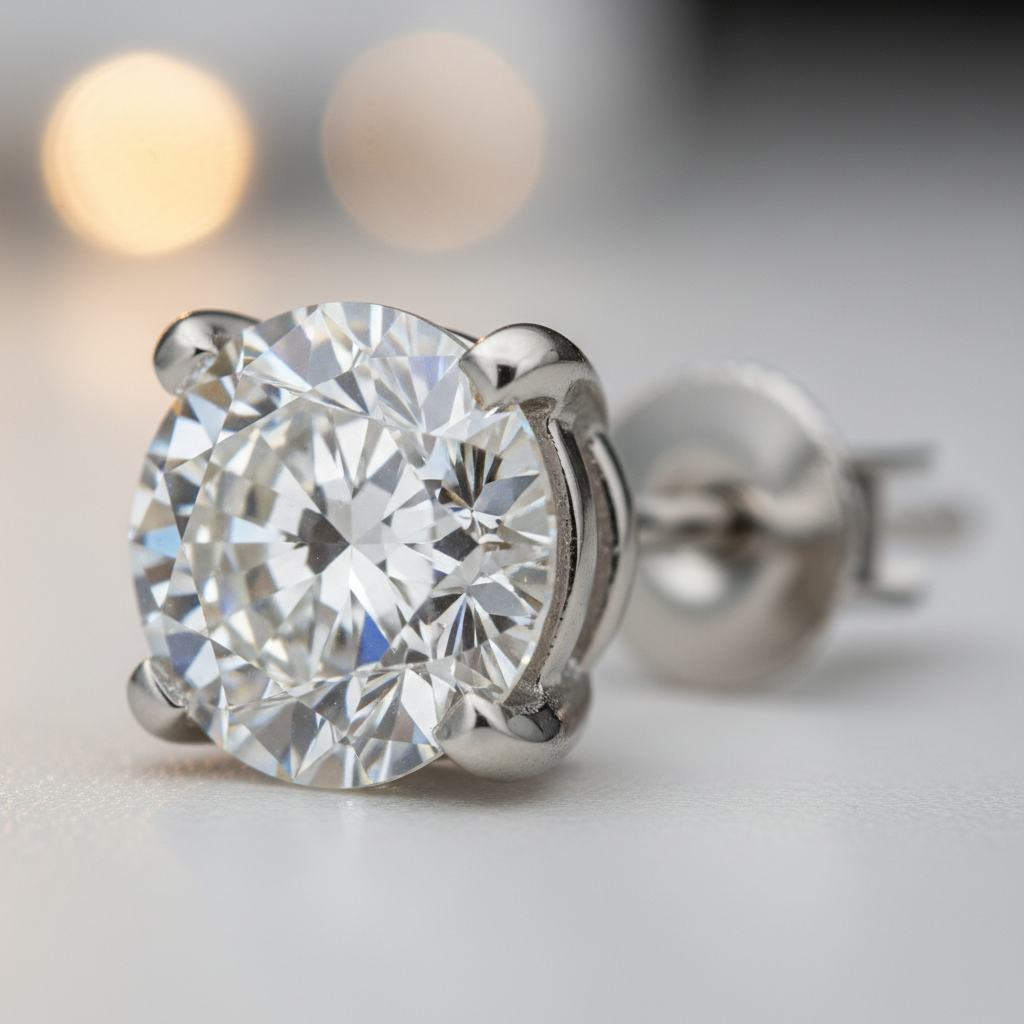
What Are Lab‑Grown Diamond Earrings?
Lab-grown diamond earrings are fine jewelry pieces set with diamonds formed by HPHT or CVD processes, sharing the same crystal structure and hardness as mined diamonds. They’re graded on the 4Cs and can be certified, then set into studs, hoops, huggies, or drops in 14k or 18k gold.
Here’s the thing: “lab-grown” describes the origin, not the material. These stones are chemically and optically the same as mined diamonds. They register the same 10 on the Mohs scale, respond to light similarly, and can be cut into classic shapes for earrings you’ll wear for years.
- Real diamond, modern origin: the same carbon lattice and brilliance, grown in a controlled environment.
- Graded like mined diamonds: cut, color, clarity, carat (the 4Cs) still rule earring sparkle and value.
- Versatile settings: basket and martini studs, inside‑out hoops, sleek huggies, and elegant drops.
- Gold options: 14k or 18k white, yellow, or rose gold to match your existing pieces.
Why Lab‑Grown Earrings Matter Now
Lab-grown earrings matter because they combine real-diamond sparkle with steady availability, consistent grading, and modern styles. In Manhattan and New York County, shoppers also value fast fulfillment, clear education, and the ability to compare options online before booking expert guidance.
From commuter-friendly studs to boardroom hoops, we see buyers prioritizing comfort, security, and everyday wearability. Education removes guesswork, and in-stock inventory removes delays. That’s the practical formula behind happy, long-term use.
- Availability advantage: broad size and shape inventory makes pair-matching for studs and hoops straightforward.
- Consistency: precise growth and cutting support tighter matching tolerances—key for symmetrical studs and hoops.
- Speed: next-day shipping on thousands of styles fits real schedules, surprises, and travel plans.
- Confidence: certification, clear specs, and photos/videos make online earrings shopping feel tangible.
Local considerations for Manhattan
- Choose low‑profile studs or huggies if you commute or wear headphones. They won’t snag and they sit flush even during walks from Grand Central.
- Holiday season crowds near Rockefeller Center make time feel tight. Favor in‑stock, next‑day options for stress‑free gifting windows.
- Workday to evening transitions are common. Consider inside‑out hoops that read polished in a meeting and festive after-hours.
How Lab‑Grown Diamonds Are Made and Set
HPHT and CVD are the two leading growth methods. After growth, rough crystals are cut, polished, and graded. For earrings, stones are pair-matched by size and color, then set in secure baskets or hoop channels. Final quality checks confirm symmetry, tight prongs, and smooth posts.
HPHT vs. CVD in plain English
- HPHT (High Pressure High Temperature): replicates the earth’s pressure and heat. Often yields excellent crystal clarity in near‑colorless ranges.
- CVD (Chemical Vapor Deposition): grows diamond layer‑by‑layer in a vacuum chamber. Great for consistent size control—useful for pair‑matching studs.
From rough to your ear
- Plan: expert planners map facets to maximize brilliance and target pairable sizes for studs or hoops.
- Cut: round, princess, cushion, and emerald are popular earring cuts with different face‑up looks.
- Polish & grade: stones are inspected for cut precision, color, and clarity; many receive certification.
- Pair‑match: for studs, matching aims for near‑identical millimeter size, color tone, and table/ratio.
- Set securely: baskets or martini heads for studs; channel or prong for hoops; hinged locks for huggies.
- Final QA: prongs are tightened; posts, backs, and hinges are tested for smooth, confident wear.
Want a deeper primer on growth and sustainability? Explore our lab-grown diamonds page and our sustainability guide for accessible, non-technical explainers.
Lab‑Grown vs. Natural: Quick Comparison
Both are real diamonds. For earrings, lab-grown often wins on availability, pair-matching ease, and modern value; natural appeals to collectors who prioritize geological origin. Either way, focus on cut quality, secure settings, and backs that match your lifestyle.
| Factor | Lab‑Grown | Natural |
|---|---|---|
| Authenticity | Real diamond; same crystal structure | Real diamond; earth‑formed |
| Pair‑matching | Consistently available sizes for tight matches | May take longer to source near‑identical pairs |
| Grading | 4Cs, lab certification available | 4Cs, lab certification available |
| Environmental lens | Modern growth methods and traceable supply | Traditional mining supply chains |
| Use case | Everyday studs, hoops, huggies | Collectors, heirloom sentiment |
For a broader overview, see these lab‑grown vs. natural highlights that summarize similarities and differences in plain language.
Types of Lab‑Grown Diamond Earrings
Focus on the silhouette that fits your day: studs for low‑profile sparkle, hoops for presence, huggies for movement without snagging, and drops for dress‑up moments. Within each, choose the cut, carat total weight, and metal that complement your face shape and wardrobe.
Studs: the everyday icon
- Basket studs: classic four‑prong or six‑prong heads with a balanced, timeless profile.
- Martini studs: three‑prong heads that nestle close to the ear; great under headphones and hats.
- Halo studs: a ring of small diamonds boosts face‑up size and adds vintage‑meets‑modern sparkle.
- Shapes: round brilliant, princess, cushion, and emerald are most popular for clean symmetry.
Hoops: clean lines with lift
- Inside‑out hoops: diamonds face forward from the inner and outer edges for 180° sparkle.
- Shared‑prong hoops: minimal metal between stones for a light, floating look.
- Channel‑set hoops: sleek metal walls protect stones—great for an athletic, polished style.
Huggies & drops: movement made easy
- Huggies: small, close‑fitting hoops that hug the lobe. Secure, snag‑resistant, effortless.
- Drops: a short dangle adds motion and catches light—ideal for events and evenings.
- Ear stack ideas: mix a halo stud in the first piercing with petite huggies in the second.
Ready to browse? Explore our in‑stock lab‑grown diamond jewelry collection for studs, hoops, and more that ship fast from New York.

Best Practices for Choosing and Wearing
Prioritize cut quality, match carat total weight to your daily look, choose secure backs, and confirm pair‑matching specs. Align metal color to your wardrobe and skin tone. Finally, verify in‑stock availability and shipping so your new favorites arrive when you need them.
Decision checklist (10 steps)
- Pick a silhouette: studs for minimalist, hoops for presence, huggies for motion.
- Choose a cut: round for max sparkle; princess and cushion for graphic lines; emerald for elegance.
- Select carat total weight: balance visibility and comfort; low‑profile for all‑day wear.
- Confirm cut precision: face‑up symmetry and bright return distinguish “wow” from “okay.”
- Metal match: white for cool palettes, yellow for classic warmth, rose for a trend‑right blush.
- Back type: screw‑backs for extra security; friction or La Pousette for quick on/off.
- Pair‑matching: look for near‑identical millimeter sizes and color tone for studs.
- Lifestyle test: if you sleep in earrings or wear headphones, favor martini studs or huggies.
- Certification: confirm lab‑grown diamond grading and specs are documented.
- Fulfillment: verify in‑stock status and shipping speed for your deadline.
Mini fitting guide
- Petite lobes: low‑profile studs (martini) or slim huggies keep proportions clean.
- Medium lobes: basket studs or medium inside‑out hoops balance presence and comfort.
- Thicker lobes: consider posts with double notches and larger friction backs for stability.
Want style‑specific coaching? Scan our focused guides to diamond stud earrings and diamond hoop earrings—both written for quick, confident decisions.
Grading and Certification: What Matters
Treat lab-grown earrings like any fine diamond: review cut, color, clarity, and carat. Ask for lab certification when available, match stones closely for studs, and read measurements (millimeters) alongside carat for an accurate face‑up sense of size.
- Cut: the biggest driver of sparkle and face‑up brightness.
- Color: near‑colorless ranges complement most metals; match tone between pairs.
- Clarity: aim for eye‑clean; inclusions should not distract at arm’s length.
- Carat vs. millimeter: check both. Face‑up size is what you actually see in the mirror.
- Certification: look for grading details from recognized labs; keep documentation with your receipt.
If you’re new to the 4Cs, our lab‑grown diamonds education page breaks down cut, color, clarity, and carat in under 10 minutes, and our guide to lab‑grown engagement rings reinforces the same principles for bigger center stones.
For a second angle on diamond types and basics, you can skim this concise diamond types overview that outlines common shapes and how they’re used.
Pricing Factors (Without Sharing Prices)
Your total spend depends on diamond quality, carat total weight, setting complexity, and metal choice. Certification, pair‑matching precision, and specialized backs can also influence value. Focus on cut quality and secure construction; those two factors affect daily enjoyment the most.
- Diamond quality: cut, color, and clarity work together. A bright cut can make modest carat weights look vivid.
- Carat total weight (CTW): choose what fits your everyday look and comfort.
- Setting & labor: halo or inside‑out designs require more craftsmanship than simple baskets.
- Metal: 14k vs. 18k gold; white, yellow, or rose depending on your collection.
- Backs & hinges: screw‑backs, La Pousette, or engineered hoop hinges add functional value.
- Certification & documentation: graded stones and matched pairs add confidence and clarity.
For gift planning ideas across categories (not price lists), this seasonal roundup of jewelry gift concepts can help spark inspiration.
Care, Cleaning, and Everyday Confidence
Clean earrings monthly with warm water, mild soap, and a soft brush. Dry fully, inspect prongs and backs, and store separately. For daily wear, check friction backs or screw‑backs for a snug fit. Annual professional inspections help keep prongs tight and hinges smooth.
- At‑home clean: soak, brush under the stone, rinse, dry with lint‑free cloth.
- Quick shine: a non‑abrasive jewelry cloth refreshes metal luster between deeper cleans.
- Storage: individual pouches or a tray prevent rub and tangling.
- Travel tip: use a small hard‑shell case; keep backs tightened before flights.
- Inspection: look for lifted prongs, loose posts, or sticky hinges, then schedule a service.
We keep care simple: start with gentle cleaning, then calendar a yearly check. If you ever feel a back loosening, stop wearing the piece until it’s adjusted.
Case Studies and Real‑World Examples
The best pair fits your day. These short examples show how different New Yorkers choose lab‑grown diamond earrings for comfort, security, and style—then wear them constantly without worry.
- The commuter’s upgrade: a Midtown professional chose martini studs in near‑colorless lab‑grown diamonds. They nestle under headphones and look sharp from video calls to dinner.
- The new parent’s pick: huggies with secure hinges won for zero‑snag cuddles and park days. The close fit avoids hair-pulling moments.
- The day‑to‑night hoop: inside‑out hoops read polished at work and festive in the evening—one pair, all week.
- The quick‑turn gift: a partner needed a memorable present by the weekend. In‑stock halo studs shipped next day and arrived in time with gift packaging.
These scenarios echo what we see across our orders: when cut quality and wearability are right, people reach for the same pair again and again.
Tools and Resources
Use short, visual guides to speed decisions. Diamond2Deal’s lab‑grown education, sustainability notes, and focused earring guides turn jargon into practical choices you can make in minutes.
- Start with our lab‑grown diamonds education for a 4Cs refresher.
- Skim our sustainability overview to understand the supply lens.
- Deep dive into stud earring specifics in one focused read.
- Compare styles with our hoop earring guide for inside‑out, shared‑prong, and channel settings.
- Browse our in‑stock lab‑grown diamond jewelry for fast delivery from New York.
For a supplemental, non‑technical perspective, a brief diamond shapes explainer can help you visualize options before you shop.
Prefer guided shopping? Our family-owned team has helped customers since 1998. Use our education pages above to prep, then explore in-stock earrings that can ship next day. If you need hands-on help, reach out and we’ll walk you through cut, color, and secure settings.
How to Shop Online with Confidence
Confirm specs, look for certification, and review close-up photos or videos. Prioritize clear return policies and fast shipping. Finally, choose a retailer with deep diamond experience and responsive support—so post‑purchase care feels as good as day one.
- Specs first: read carat total weight, millimeter size, cut, color, clarity, and metal.
- Verify pairs: for studs, match millimeter size and color tone; for hoops, confirm diamond count and setting type.
- Backs that suit you: screw‑backs for security; La Pousette for secure quick‑release; friction for speed.
- Policies: look for warranty, returns, and clear support channels.
- Fulfillment: in‑stock + next‑day options reduce stress when you’re gifting or traveling.
If you prefer to compare mined and lab‑grown one more time, this overview recaps the main differences at a glance.
Conclusion: Earring Confidence, Delivered
Choose a silhouette you’ll wear daily, insist on bright cuts, match pairs closely, and secure reliable backs. With certified lab‑grown diamonds and fast fulfillment, you’ll spend more time wearing your earrings and less time worrying about them.
-
Key Takeaways
- Pick silhouette first (studs, hoops, huggies), then dial in cut and carat.
- Read millimeter size alongside carat for true face‑up scale.
- Backs and hinges matter—treat them like insurance for your sparkle.
- Education + in‑stock inventory = confident, on‑time delivery.
-
Next steps
- Refresh the 4Cs on our lab‑grown education page.
- See real‑world choices in our lab‑grown jewelry collection.
- Skim style specifics in our studs guide and hoops guide.
We’d love to help you find a pair that feels made for you. Shop online from Manhattan with next‑day options—then go enjoy the sparkle.
Lab‑Grown Diamond Earrings FAQ
Are lab-grown diamond earrings real diamonds?
Yes. Lab-grown diamonds have the same crystal structure, hardness, and optical properties as mined diamonds. They’re graded on the same 4Cs and can be certified by reputable labs, then set into fine gold just like natural stones.
What’s the best backing for diamond stud earrings?
Choose screw-backs for maximum security, friction backs for quick on/off, or La Pousette for a secure push‑button option. Match the backing to your routine; if you rarely remove studs, screw‑backs are popular for peace of mind.
How do I clean lab-grown diamond earrings at home?
Soak in warm water with a drop of mild soap for a few minutes, brush under the stones with a soft brush, rinse, and dry with a lint‑free cloth. Avoid harsh chemicals and check prongs and backs after cleaning.
Do lab-grown diamonds need certification for earrings?
Certification isn’t mandatory, but grading reports add clarity and confidence. For studs, close pair‑matching and documented specs are especially helpful. Keep certificates with your receipt for future reference.