

Luxury Without Retail Markup: How to Buy Fine Jewelry (2026)
“Luxury without retail markup” is the practice of buying certified fine jewelry without paying stacked store premiums. At Diamond2Deal’s New York office (420 Madison Ave, 5th Floor, Rm 500), our wholesale manufacturing roots, education-first guidance, and fast in-stock shipping keep more value in your diamond and gold—and less in overhead.
By Mit Trivedi, President — Diamond2Deal • diamond2deal.com • Last updated: May 18, 2026
Here’s the idea in plain English: you want visible beauty, trusted certification, and reliable service—without paying for layers of middlemen or heavy storefront costs. This complete guide shows how to achieve that outcome across engagement rings, wedding bands, and everyday pieces like studs, hoops, pendants, and tennis bracelets. You’ll learn the “why,” “how,” and step-by-step process we use with shoppers every day.
Quick Summary
Diamond2Deal delivers luxury without retail markup by pairing wholesale manufacturing expertise with certified lab-grown diamonds and fast, in-stock fulfillment. Based in Manhattan, we redirect spend from overhead into cut quality, metalwork, and documentation—so the sparkle you see reflects the value you paid.
- What you’ll learn: where markup appears, how to avoid it, and how to evaluate quality fast.
- Why it matters: more of your budget lands in the diamond and setting you actually wear.
- Who it’s for: engagement ring buyers, wedding bands, and classic diamond jewelry shoppers.
- Resources you can use: education on the 4Cs, lab-grown certification, sizing, and expert appointments.
Contents
- What this phrase really means
- Why it matters for proposals and daily wear
- How Diamond2Deal makes it work in Manhattan
- Step-by-step buying process
- Approaches that reduce overhead
- Best practices to maximize value
- Tools and resources
- Mini case studies
- Pricing dynamics (no numbers)
- FAQ
- Key takeaways
- Conclusion
What Is “Luxury Without Retail Markup”?
“Luxury without retail markup” is high-end jewelry sold without stacked premiums from multi-layer distribution and heavy storefront overhead. The money you spend concentrates in materials, craftsmanship, and certification—cut quality, gold integrity, and documented grading—rather than rent, fixtures, or slow-moving inventory.
Think of your spend as a pie. Traditional retail slices a large portion for rent, display, and staffing. A direct model—with wholesale-informed sourcing—keeps those slices lean. That leaves a bigger share for what you actually see and feel: brighter diamonds, better finishing, and designs that wear comfortably every day.
To keep this practical, remember a few fundamentals that rarely change:
- Cut quality influences perceived brilliance more than any other factor.
- Carat is a unit of weight: 1.00 ct equals about 200 milligrams.
- 14k gold is roughly 58.5% pure gold; 18k is approximately 75%—both excellent for daily wear.
- Accurate documentation matters. Verified grading reports remove guesswork and preserve confidence.
When you reduce avoidable overhead, you can prioritize the characteristics that actually create beauty on hand, wrist, neck, or ear.
Why It Matters for Engagement & Everyday Jewelry
It matters because reallocating overhead into cut quality and precise setting work delivers visible sparkle and long-term durability. Engagement rings, wedding bands, and everyday essentials benefit most when your budget favors craftsmanship and certification over retail layers.
For proposals, small spec decisions create outsized effects. A well-cut diamond throws lively fire and scintillation even in indoor light. Clean prongs, symmetric halos, and level pavé elevate the look at a glance. On wedding bands, comfort-fit profiles and precise finishing keep daily wear smooth. For studs, hoops, pendants, and tennis bracelets, even stone alignment and consistent color keep pieces looking balanced in photos and in person.
In our experience working with couples, reallocating budget from overhead to cut quality changes the entire viewing experience. Side-by-side, most people spot the difference in 3–5 seconds because the brighter stone “turns on” faster as it moves through light.
How Diamond2Deal Delivers Luxury Without Retail Markup
Based in Manhattan, New York County, Diamond2Deal shortens the supply chain using wholesale manufacturing roots, certified lab-grown diamonds, and in-stock fulfillment. Fewer intermediaries and faster turns reduce overhead, concentrating value in the diamond, gold, and finishing you can actually see.
Here’s the high-level picture of channel differences and where value concentrates:
| Channel | Inventory Model | Overhead Drivers | Value Concentration |
|---|---|---|---|
| Traditional Retail | Heavy in-store stock | Prime rent, fixtures, staffing | Brand/overhead |
| Marketplace | Mixed vendors | Platform fees, inconsistent QC | Varies |
| Diamond2Deal | In-stock essentials + DTC | Lean ops, wholesale roots | Materials/craft |
Education is central to this model. Our team points shoppers to our diamond 4Cs guide and collection pages so every decision is deliberate. When you’re weighing lab-grown options, our lab-grown engagement rings overview helps you compare real-world sparkle and setting profiles. If sustainability is a priority, read our take on lab-grown diamond sustainability to understand how modern production and sourcing align with your values.
Local considerations for Manhattan
- Plan appointments around Grand Central commute windows so you can compare stones during a lunch break or right after work.
- Book earlier in holiday months; year-end proposals and gifting can affect timelines for made-to-order or custom modifications.
- Weekday afternoons are typically quieter for deep-dive 4Cs education and side-by-side comparisons.
Step-by-Step: How to Buy Fine Jewelry Without the Markup
Use a focused process: clarify style, learn the 4Cs, choose certified lab-grown diamonds, assess settings and finishing, and confirm policies. Book an expert session and leverage in-stock options with next-day shipping to align delivery to your proposal or gifting date.
1) Clarify the look
Decide on a design direction: solitaire, three-stone, halo, pavé, bezel, classic studs, hoops, tennis bracelets, or pendants. For hoops, daily-wear inner diameters between 20–30 mm are versatile; for studs, many favor 3–7 mm face-up sizes for balanced proportions.
2) Learn the 4Cs fast
Prioritize cut; then balance color and clarity for real-world viewing. If you want a quick independent refresher, review an external 4Cs overview. On our site, start with the in-depth 4Cs education guide and bring questions to your appointment.
3) Choose certified lab-grown
Lab-grown diamonds share the same crystal structure and optical properties as mined diamonds. For a broad external primer on differences and similarities, see this lab-grown vs natural guide. Then compare options in our lab-grown engagement rings guide.
4) Evaluate the setting and finishing
Inspect prongs, symmetry, and polish. Pavé rows should be even; prongs should seat stones cleanly. Comfort-fit bands with precise inner rounding tend to wear better in sizes that move a quarter to half size with seasons.
5) Confirm policies and speed
Warranty coverage, easy 30-day returns, and next-day shipping on thousands of in-stock styles help you plan confidently. If you have a specific date, tell us—we’ll align fulfillment to your schedule.
6) Compare and finalize
Use side-by-side comparisons to choose the brighter stone. If you like advanced filters when browsing, experiment with a third-party “find a diamond” interface to practice narrowing specs; this page offers a helpful example of filter thinking: find a diamond. Then return to our collections to finalize with confidence.
Approaches That Achieve Luxury Without Retail Markup
Three approaches consistently preserve value: certified lab-grown diamonds, direct-to-consumer sourcing, and in-stock essentials. Together, they lower overhead and concentrate your spend in sparkle, metal quality, and setting workmanship.
Certified lab-grown diamonds
Because they’re chemically identical to mined diamonds, certified lab-grown stones let you focus on cut and craftsmanship instead of supply chain premiums. Documentation keeps the conversation specific, so choices become “which stone is brighter” rather than “which stone is safer.”
Direct-to-consumer (DTC) model
Fewer layers mean fewer markups. Our wholesale manufacturing roots help us stock core designs and move quickly, reducing carrying costs and keeping more value in the piece. This matters for classics—studs, hoops, solitaires, and pendants—which are in steady demand year-round.
In-stock essentials and smart made-to-order
In-stock pieces ship quickly and free you from timing stress. When you need made-to-order or customization, channel budget into the details that affect daily wear: basket height for snag resistance, shank thickness for durability, and prong style for the look you love.
Best Practices: Maximize Quality and Value
Focus on cut quality, verify grading, and scrutinize finishing. Then lock in service pillars—warranty, returns, and shipping—so your investment is protected from purchase through everyday wear.
Cut quality above all
Brightness, fire, and scintillation stem from proportioning and symmetry. That’s why cut usually deserves top priority. In appointments, we compare stones under different lighting so you can see how a well-proportioned diamond “comes alive” as it moves.
Balance color and clarity thoughtfully
Most wearers don’t view diamonds at 10× magnification. Balance specs for eye-clean clarity and pleasing color in your preferred metal—white gold may favor slightly cooler color, while yellow gold often forgives warmer tones.
Inspect the workmanship
Look for smooth prongs, clean gallery work, and even pavé. Tennis bracelets should have consistent stone spacing and secure clasps; pendants should hang level. For bands, consider comfort-fit interiors and finishing that avoids sharp edges.
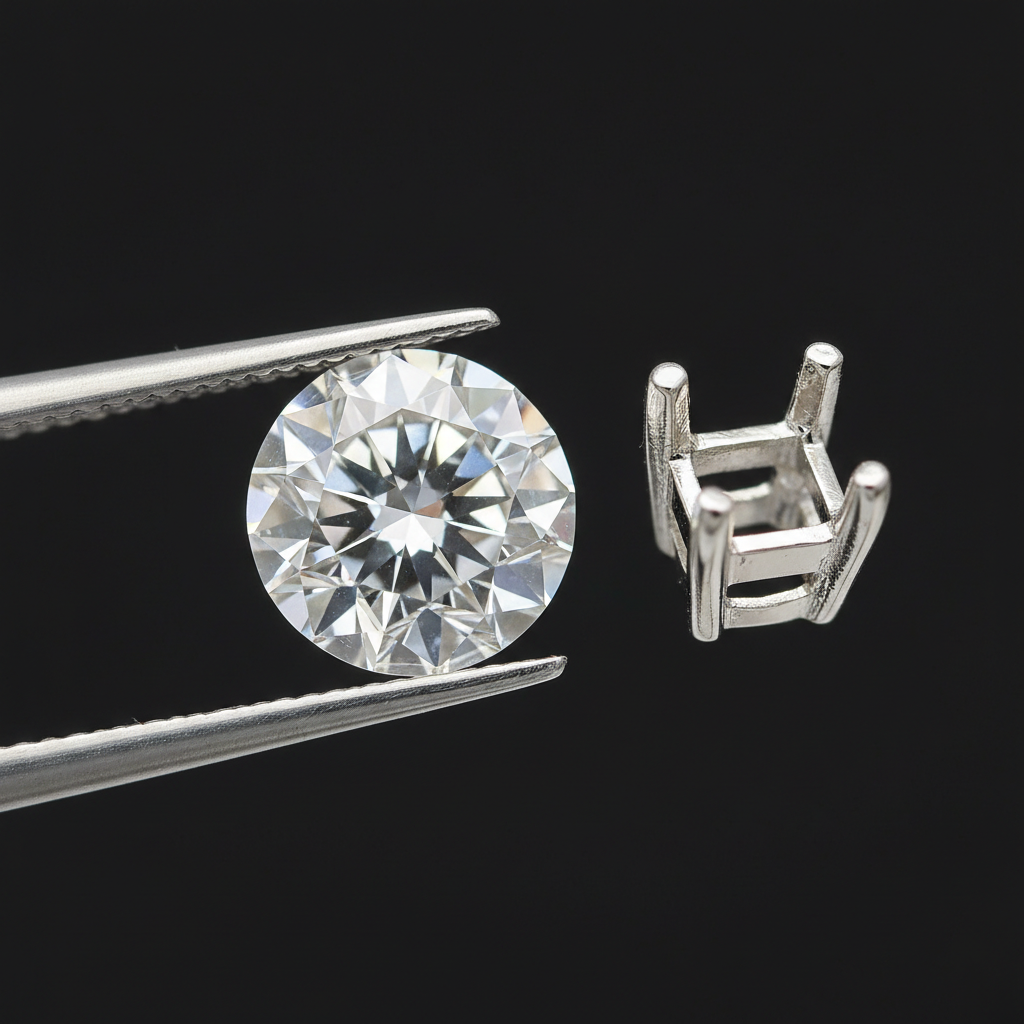
Tools & Resources You Can Use
Leverage Diamond2Deal’s education hub, ring size and style guidance, and expert appointments. These tools simplify comparisons, help you finalize settings, and align delivery with your milestone—so value stays in the jewelry, not in guesswork.
- Start with our detailed diamond 4Cs guide for a fast, practical foundation.
- Explore lab-grown nuances in our lab-grown engagement rings guide before you shortlist stones.
- Consider values and sourcing with our take on lab-grown sustainability.
- If you’re branching into color, use the gemstone jewelry buying guide to compare species and settings.
- For earrings, review this practical primer on proportions: diamond stud earrings guide.
Practical sizing notes can speed decisions. Standard tennis bracelet lengths often fall between 6.5–7.5 inches; ring sizes may shift a quarter to half size with seasons; and pendant chains in the 16–18 inch range suit many necklines.
Book a diamond expert (soft CTA)
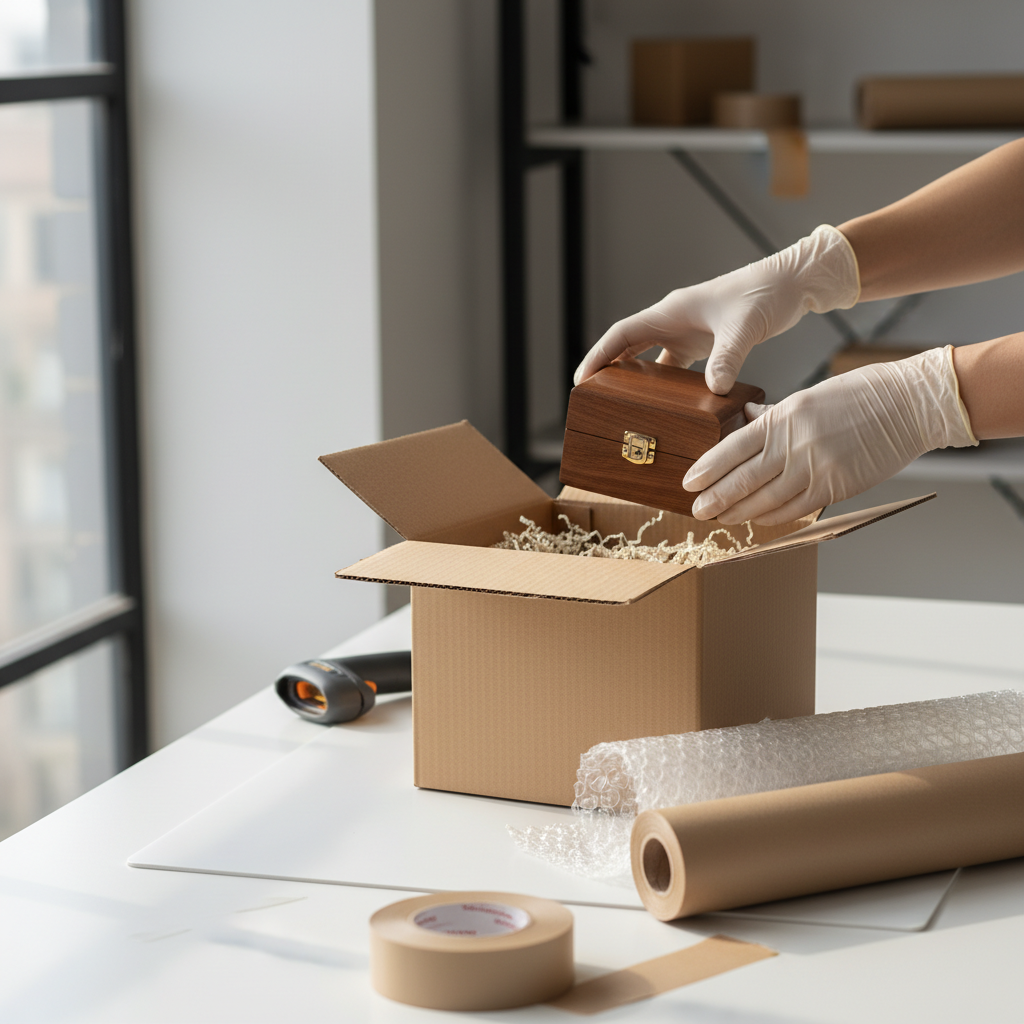
Prefer guidance? Schedule an expert session to compare stones, preview settings, and align timelines. Whether you visit our Manhattan office or work with us online, we’ll tailor the process to your proposal or gifting plan.
Mini Case Studies: Real-World Scenarios
Customers who combine education, certified lab-grown stones, and direct-to-consumer sourcing concentrate value where it shows—cut and craft—while enjoying faster delivery and clear policies.
- Manhattan proposal: A commuter books a lunch-hour appointment near Grand Central, compares two lab-grown solitaires with different proportion sets, and selects the brighter stone in a low-profile 14k setting. Next-day shipping lines up with a weekend proposal.
- Wedding band pair-up: One comfort-fit matte band and one pavé band are chosen after testing widths and profiles in-hand. Smooth interior finishing wins the day and feels great during daily wear.
- Everyday essentials: A gift buyer chooses classic studs plus a tennis bracelet from in-stock selections, relying on grading documentation and free gift packaging for a ready-to-give bundle.
-
Eternity ring refresh: A milestone anniversary calls for an eternity ring that pairs with an existing solitaire. After viewing gallery heights and prong shapes, the couple selects a low-snag profile. Direct-to-consumer sourcing, certified lab-grown diamonds, and in-stock essentials reduce fixed costs—so you see the value on hand, wrist, neck, and ear, rather than in layers you don’t wear.
- Overhead drivers: prime rent, elaborate in-store displays, and slow-moving stock add carrying costs.
- Lean operations: faster inventory turns conserve value and support next-day shipping.
- Documentation: grading reports protect confidence across categories and over time.
Frequently Asked Questions
These answers focus on quality, documentation, and process—so you can get luxury without retail markup confidently and quickly.
What does “no retail markup” actually change for me?
It redirects more of your budget into the diamond’s cut, color, clarity, and the setting’s workmanship—rather than storefront overhead. You notice the difference in brightness, finishing, and day-to-day comfort.
Are lab-grown diamonds real diamonds?
Yes. Lab-grown diamonds share the same chemical composition and crystal structure as mined diamonds and are graded by recognized labs. They deliver fine-jewelry sparkle with documented specifications.
How do I verify diamond quality quickly?
Review the grading report, prioritize cut, and inspect finishing. Use side-by-side comparisons under different light. Our 4Cs guide and expert sessions help you confirm that specs match the beauty you see.
What if I need the jewelry quickly?
Choose from in-stock essentials and confirm timelines. Next-day shipping on thousands of styles makes it straightforward to align delivery with proposal dates or gifting occasions.
Key Takeaways
Lean supply, certified lab-grown options, and education-first shopping keep value where it belongs: in sparkle, metal integrity, and craftsmanship. That’s how you enjoy luxury without retail markup—confidently and on time.
- Prioritize cut; it drives visible brilliance more than any other C.
- Use documentation to keep decisions specific and confident.
- Favor direct sourcing and in-stock classics to reduce overhead.
- Lock in service pillars—warranty, returns, and shipping—to protect the experience.
Conclusion
To get luxury without retail markup, invest in education, choose certified lab-grown diamonds, and shop a direct, in-stock model. With Diamond2Deal, more of your budget goes into the diamond and setting—not layers you don’t wear—backed by a family-owned team and next-day shipping.
Ready to compare stones or finalize a setting? Visit us in Manhattan near Grand Central or connect online for a guided session. We’ll help you weigh tradeoffs, preview settings, and align timelines—so the moment you’ve planned arrives right on schedule.
Related Articles & Next Reads
Explore our education library for deeper dives into the 4Cs, lab-grown diamond selection, and gemstone alternatives. Then browse engagement rings, wedding bands, diamond studs, hoops, pendants, and tennis bracelets to shortlist your favorites. When you’re ready, book an expert session for side-by-side comparisons.